
The Trembling Rock — History & Facts
Can beauty exist without sorrow? In The Trembling Rock, echoes of nature's fragility intertwine with the weight of existence, urging us to ponder our place within its vastness. Look to the center of the canvas, where a solitary, tremulous rock stands precariously amid a serene landscape. The artist employs delicate strokes and muted earth tones, allowing the texture of the rock to emerge from the canvas, embodying both strength and vulnerability. Surrounding it, the gentle hues of green and soft blues create a tranquil backdrop, yet their serenity contrasts starkly with the tension of the focal point, inviting viewers to contemplate the paradox of stability in a world fraught with uncertainty. Beneath the surface, the piece resonates with emotional depth.
The trembling rock symbolizes the undulating nature of life, poised between resilience and collapse. Its isolation evokes a sense of longing, while the surrounding landscape hints at the vastness of the human experience—both beautiful and melancholic. This duality evokes questions about the interplay of hope and despair, suggesting that one cannot exist without the other. In 1890, Lepère found himself in a vibrant Parisian art scene that was exploring realism and impressionism.
During this period, he honed his skills in wood engraving while striving to capture the essence of nature and its ephemeral qualities. His experiences in the changing world around him—marked by industrialization and evolving artistic movements—shaped his vision in this poignant work, reflecting both personal and collective tensions of the time.
More Artworks by Auguste Louis Lepère
Browse all →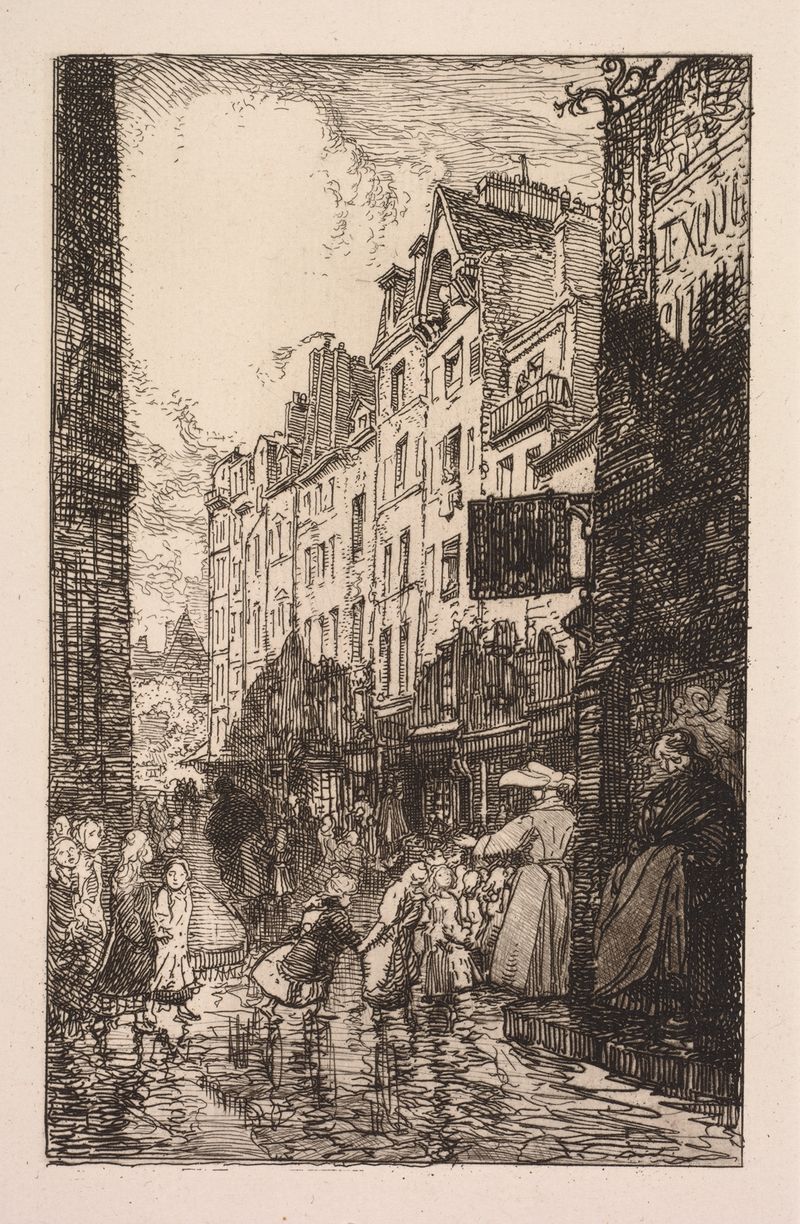
La Rue des Prêtres Saint-Séverin
Auguste Louis Lepère
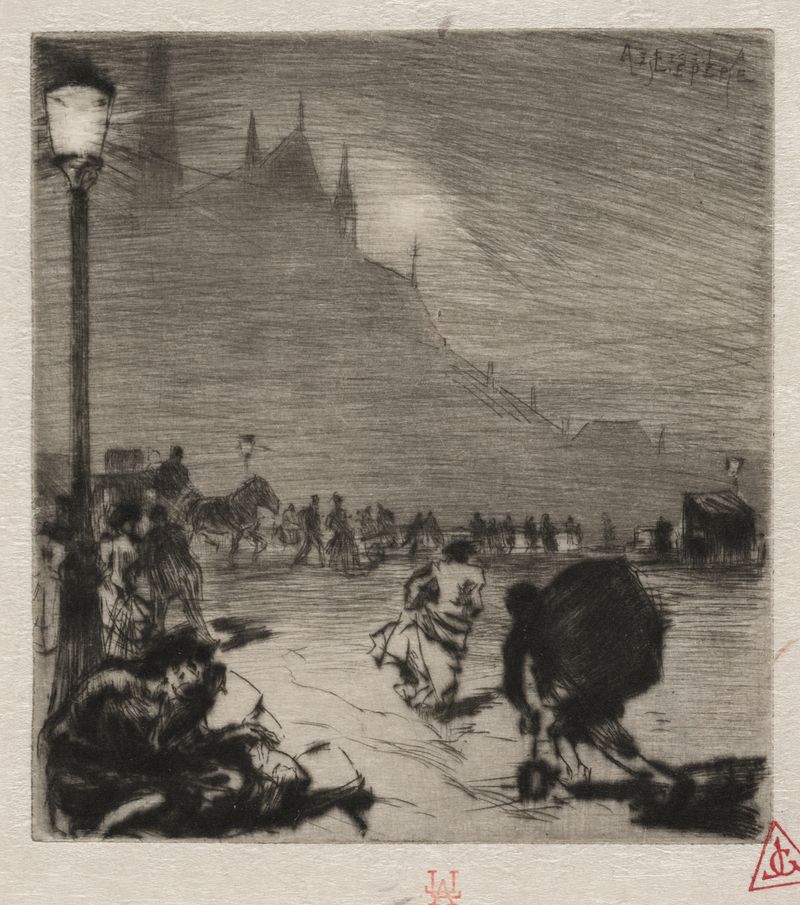
Au Coin du Pont-aux-Doubles
Auguste Louis Lepère
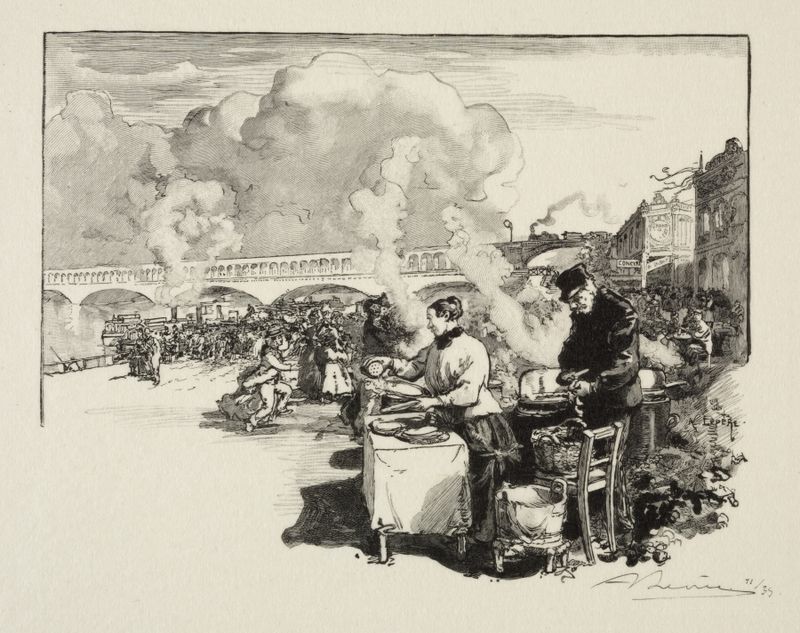
Debarcadère des bateaux-omnibus
Auguste Louis Lepère

La Seine, au quai de la Rapée
Auguste Louis Lepère
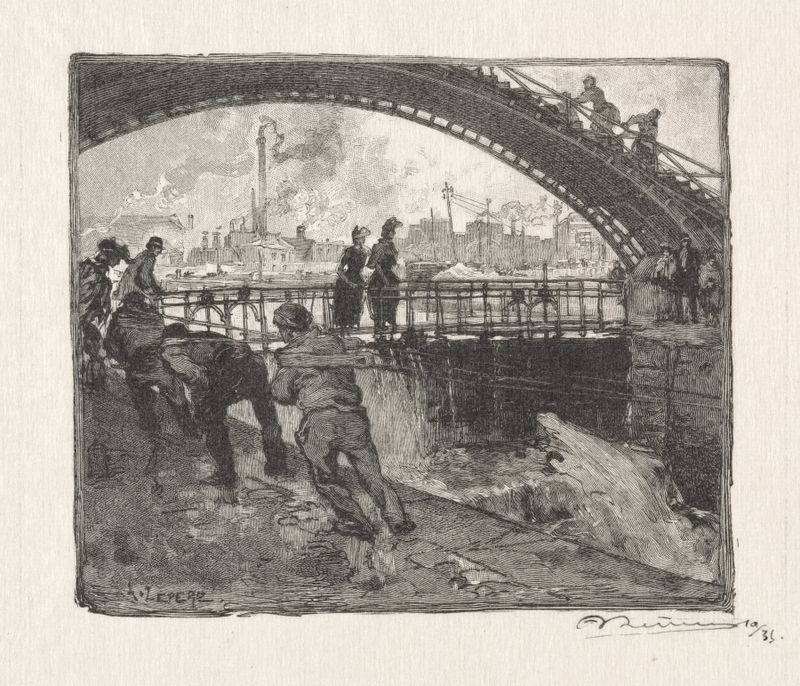
L’Ecluse du Canal St. Martin
Auguste Louis Lepère

Le Boulevard Montmartre, le Soir
Auguste Louis Lepère

Une Chasse au Mont Gérard
Auguste Louis Lepère
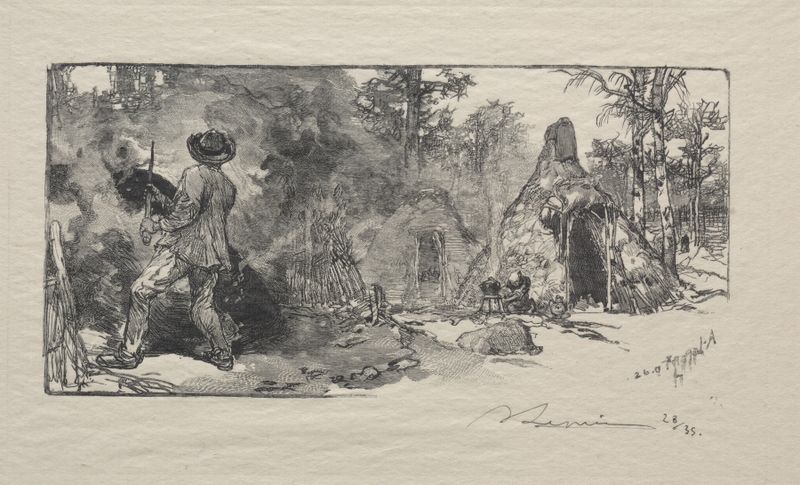
Les Charbonniere
Auguste Louis Lepère
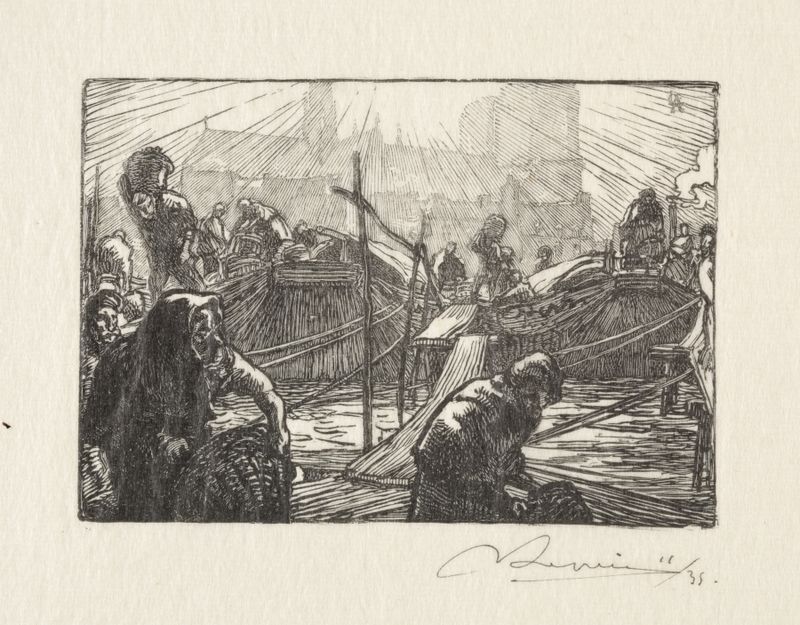
Notre Dame vue du Marché aux pommes
Auguste Louis Lepère

Le Palais des Arts Liberaux, Intèrieur
Auguste Louis Lepère





