
The Villa Medici, Rome — History & Facts
Did the painter know this moment would outlive them? In the soft embrace of twilight, as day fades into night, a quiet longing permeates the air, echoing through the tranquil landscape of the Villa Medici. Look to the center, where the villa stands proud against a sky painted in delicate hues of lavender and peach. The architecture, both grand and inviting, beckons the viewer to wander its grounds. Notice how the golden light bathes the façade, highlighting intricate details of the stonework, while shadows dance beneath the trees that frame the scene.
The lush greenery contrasts beautifully with the warm tones of the building, creating a harmonious balance that draws the eye deeper into the composition. Within this serene setting, layers of meaning unfold. The villa, a symbol of cultural aspiration and artistic refuge, invites reflection on the passage of time and the fleeting nature of beauty. The juxtaposition of light and shadow hints at the duality of existence—joy intertwined with melancholy, the vibrancy of life against the inevitability of decay.
Each brushstroke reverberates with the artist's longing for connection to a world beyond immediate grasp, evoking a sense of nostalgia for what is lost yet cherished. In 1784, as John Warwick Smith painted this scene in Rome, he was deeply immersed in the flourishing landscape of the Grand Tour. This period saw artists and intellectuals flocking to Italy, seeking inspiration amid its classical beauty. Smith himself was a prominent figure, known for his picturesque watercolors, demonstrating a keen observation of both nature and architecture that reflected his own artistic ambitions and the cultural currents of his time.
More Artworks by John Warwick Smith
Browse all →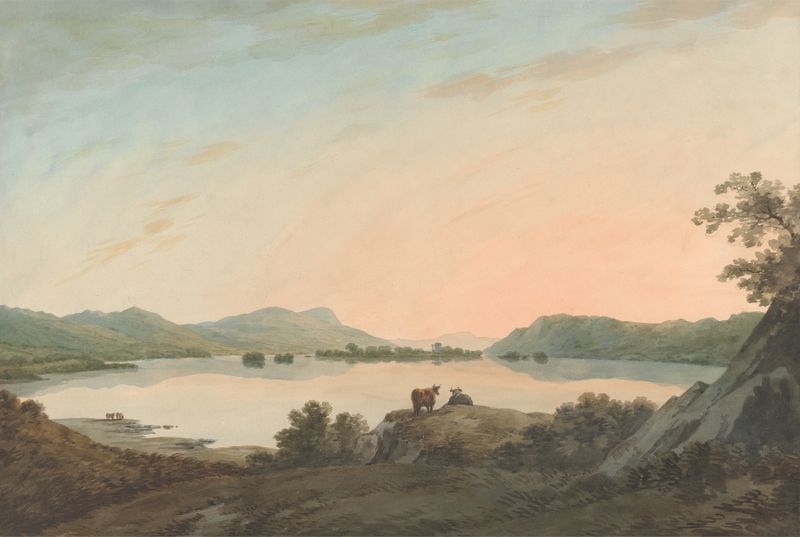
Lake Windermere from Calgarth with Belle Isle
John Warwick Smith
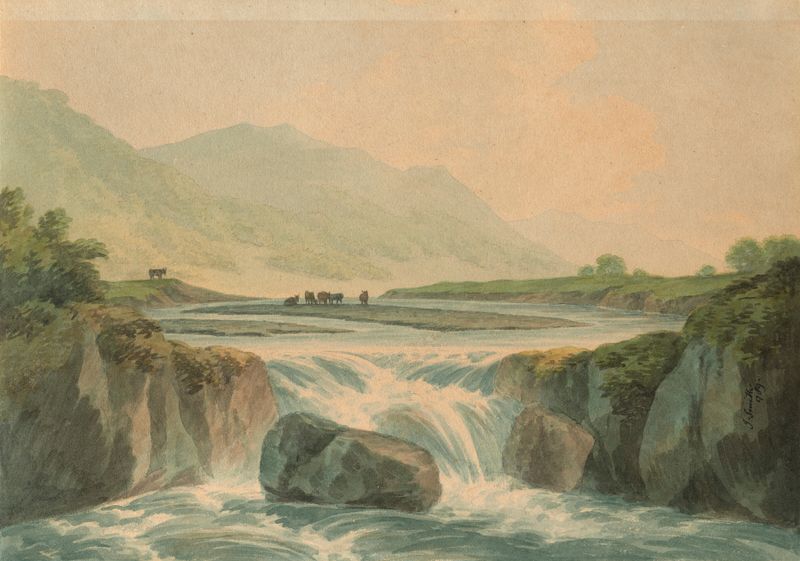
A waterfall on the River Rheidol, with cattle in the distance, North Wales
John Warwick Smith
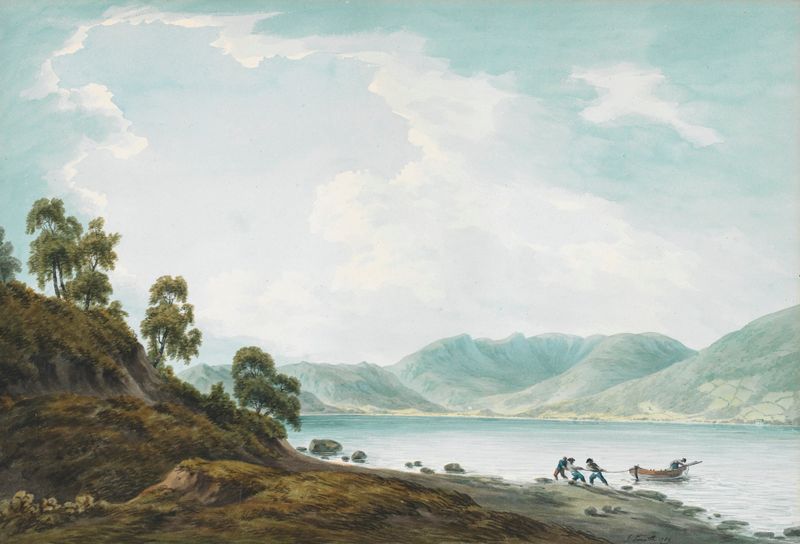
Head of Windermere from Belle Grange Farm
John Warwick Smith
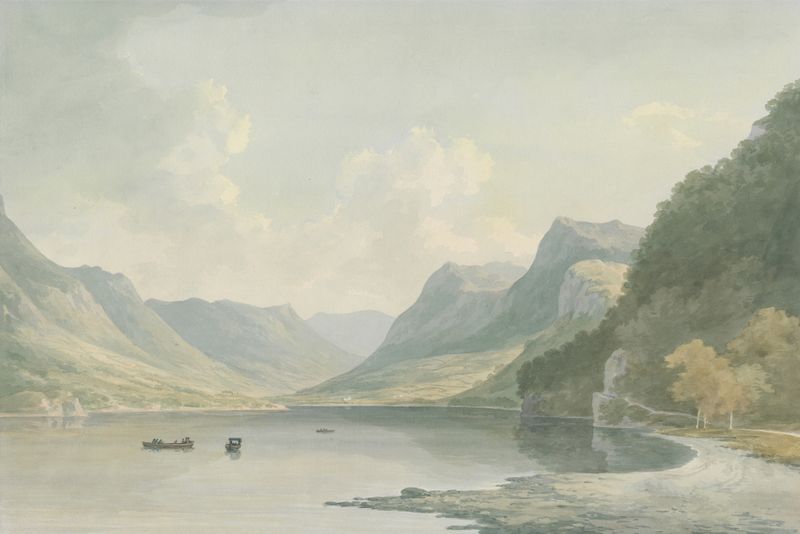
Ullswater, Looking toward Patterdale
John Warwick Smith
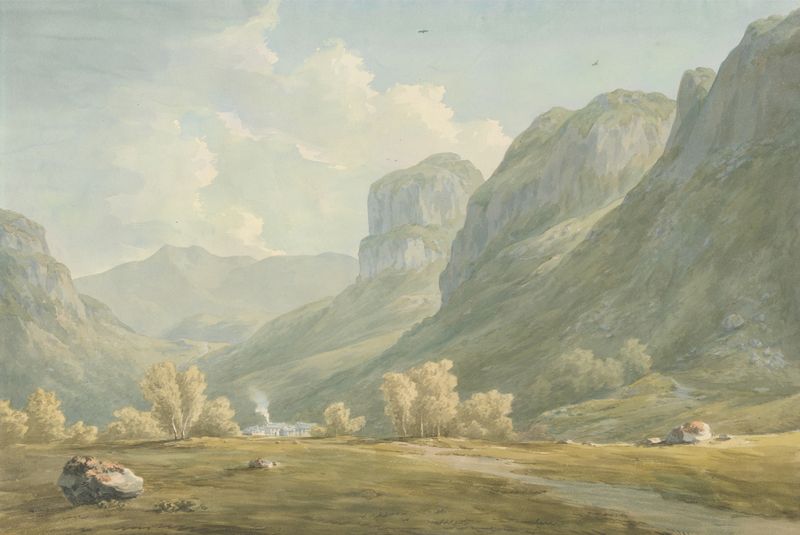
Village of Stonethwaite and Eagle Cragg, Borrowdale
John Warwick Smith
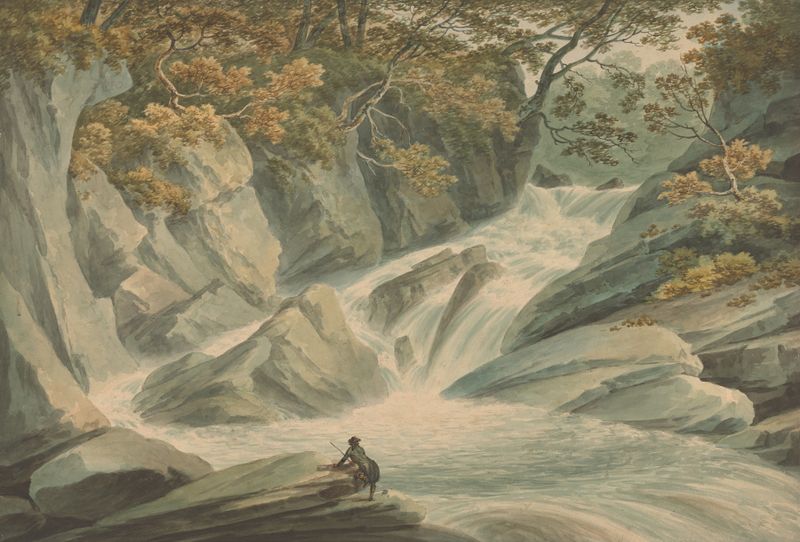
Hafod; Upper Part of Cascade
John Warwick Smith
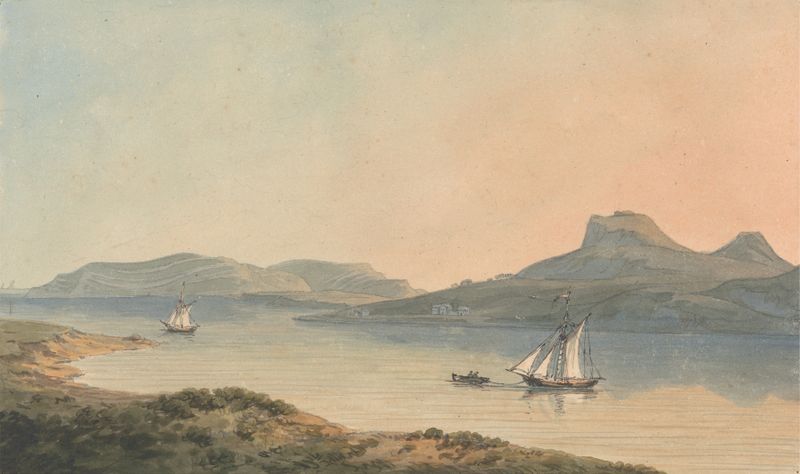
View of the Early Castle of Diganwy
John Warwick Smith
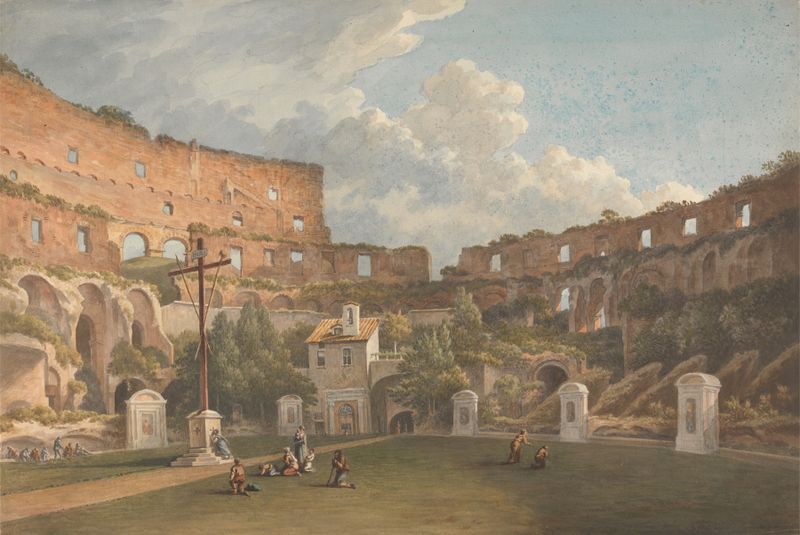
An Interior View of the Colosseum, Rome
John Warwick Smith
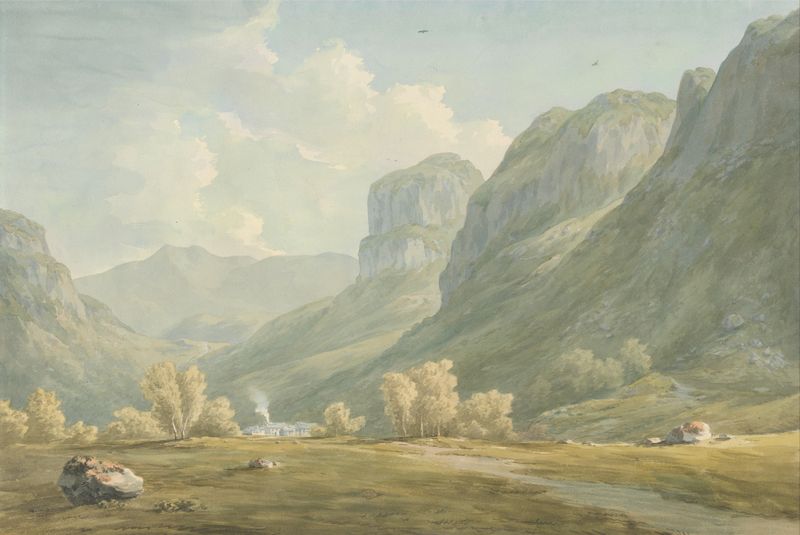
Village of Stonethwaite and Eagle Cragg, Borrowdale
John Warwick Smith
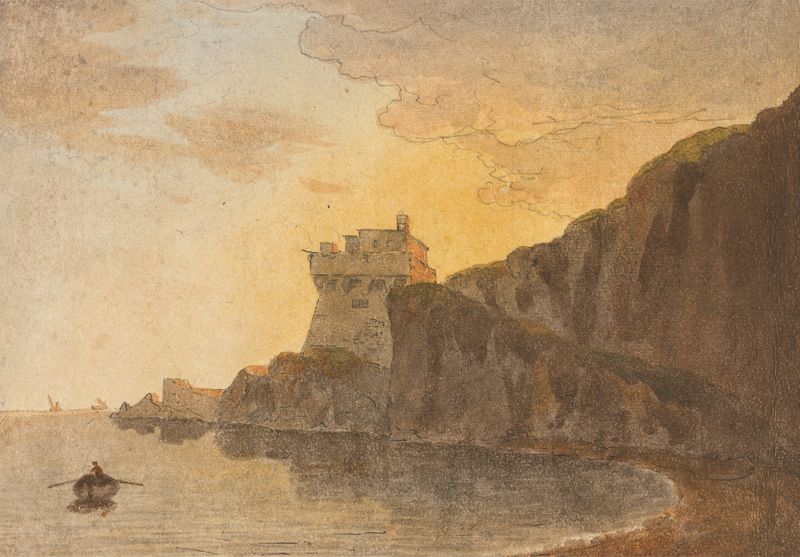
In the Bay of Salerno, near Vietri
John Warwick Smith
More Architecture Art
Browse all →
The statue of Liberty
Frédéric Auguste Bartholdi

View of Houses in Delft, Known as ‘The Little Street’
Johannes Vermeer

View of Houses in Delft, Known as ‘The Little Street’
Johannes Vermeer

The Cathedral in Rouen. The portal, Grey Weather
Claude Monet

The yellow house
Vincent van Gogh

The Church in Auvers-sur-Oise, View from the Chevet
Vincent van Gogh