
The Village Clerk — History & Facts
A single feather, gripped between the lips of the village clerk, is the first sly clue that this is a painting about the quiet drama of paperwork. The man’s gaze is fixed, his brow furrowed in concentration as he reads a document by the pale daylight that falls from the left. The cluttered desk is a landscape of bureaucracy: ledgers, stamps, a stick of sealing wax, and a battered candle that has burned down to its last hours.
The battered wool cap and worn coat signal long hours and modest means, but also a certain pride in his post—this is a man who knows the weight of his responsibilities. The light picks out the textures of paper and skin, making the ordinary world of administration unexpectedly absorbing. In the Switzerland of 1874, when Albert Anker painted this scene, the village clerk was a linchpin of rural life—keeper of records, sender of letters, witness to births and deaths. Genre painting like this, with its focus on everyday people and their work, spoke to a new sense of national identity in the young Swiss federal state.
Such works were not grand commissions, but rather celebrations of the fabric of daily life, often destined for the parlors of prosperous citizens or the walls of local institutions. Today, The Village Clerk is part of the Kunsthaus Zürich collection, a reminder of a world where the hum of civic life depended on the steady hand and steady eye of men like this one. Look again at the feather, poised for the next signature, and the story of a whole community begins to unfold.
More Artworks by Albert Anker

Portrait Of A Girl
Albert Anker
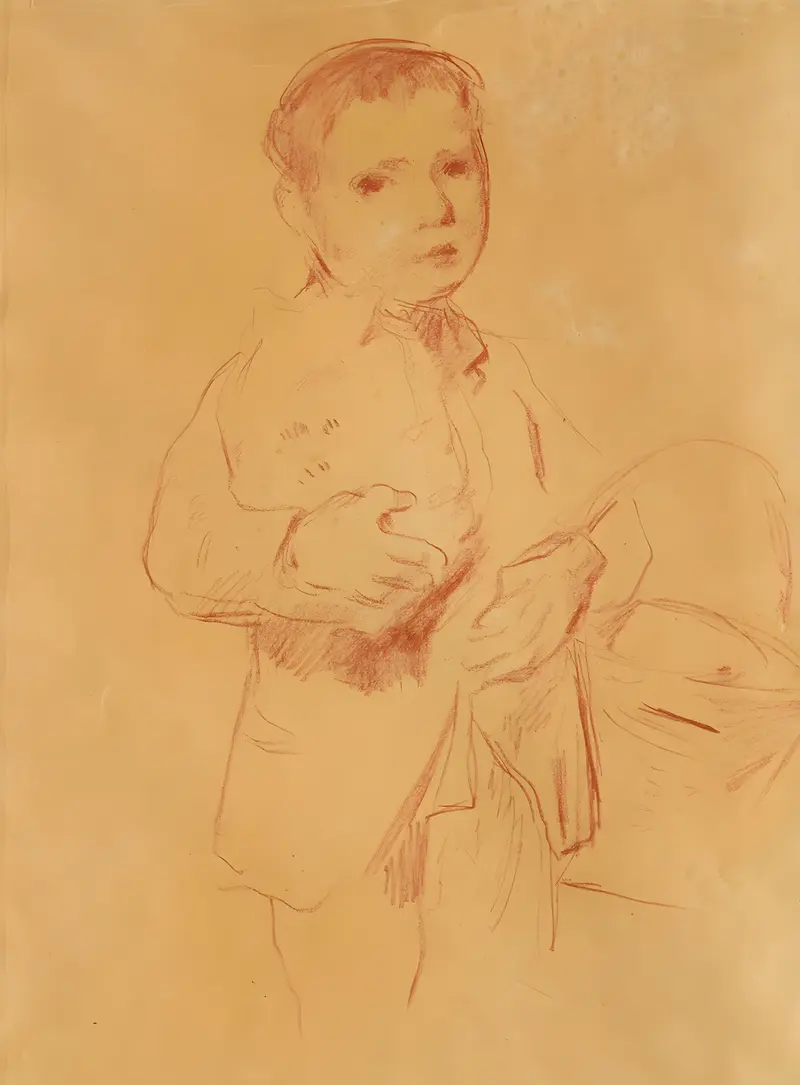
Boy with a basket
Albert Anker
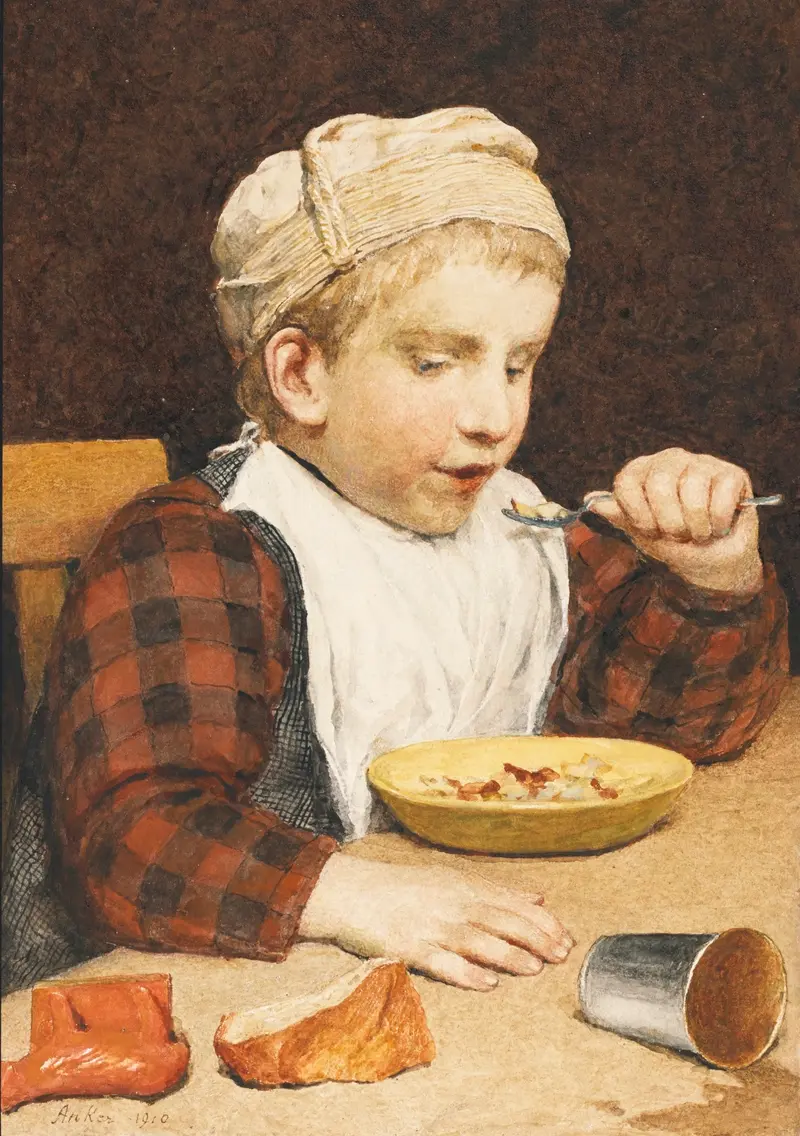
Knabe Mit Mütze Beim Essen
Albert Anker
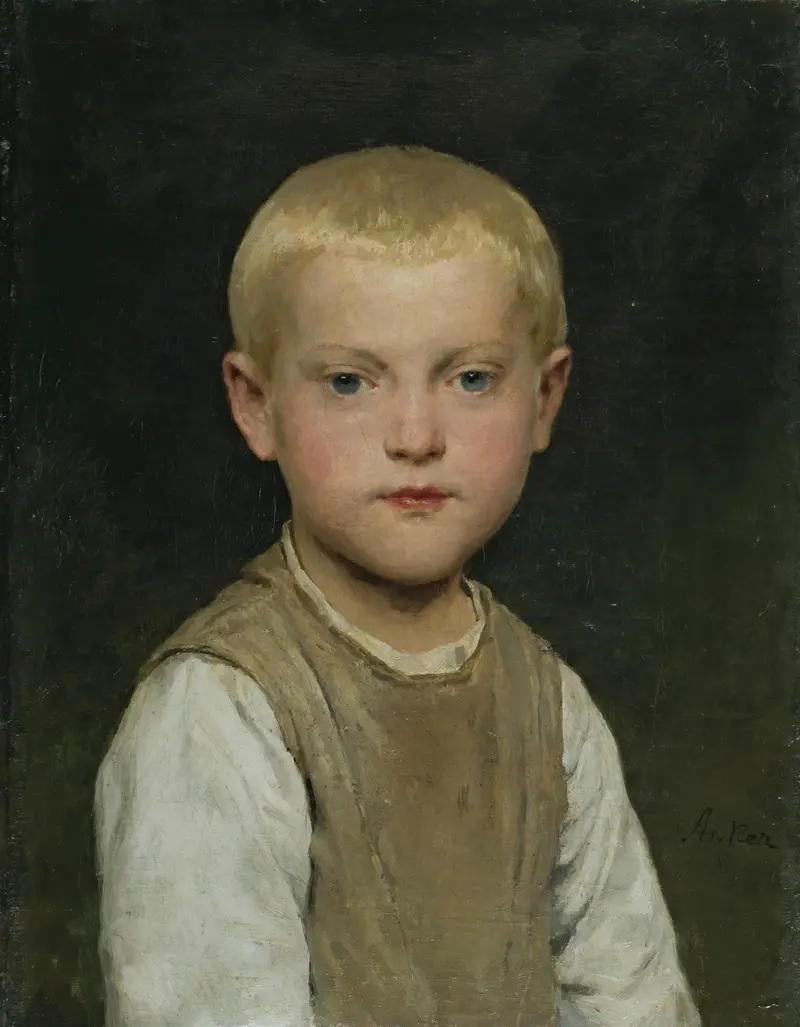
Knabenbildnis (Dr Heiri)
Albert Anker
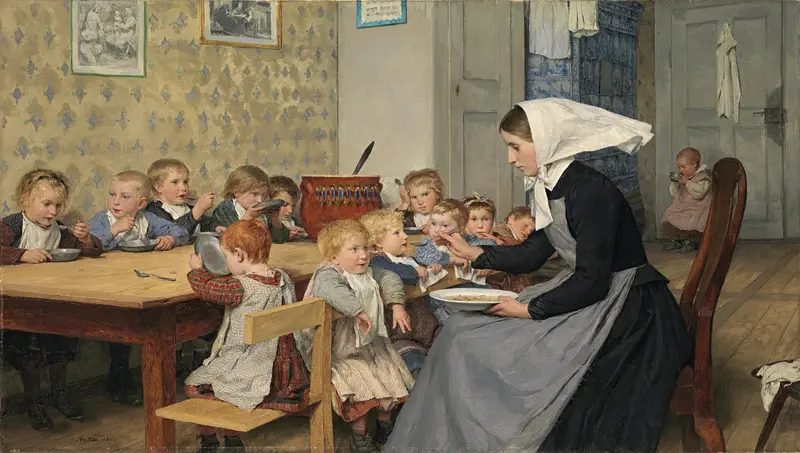
Die Kinderkrippe I
Albert Anker

L’instituteur et le pasteur
Albert Anker
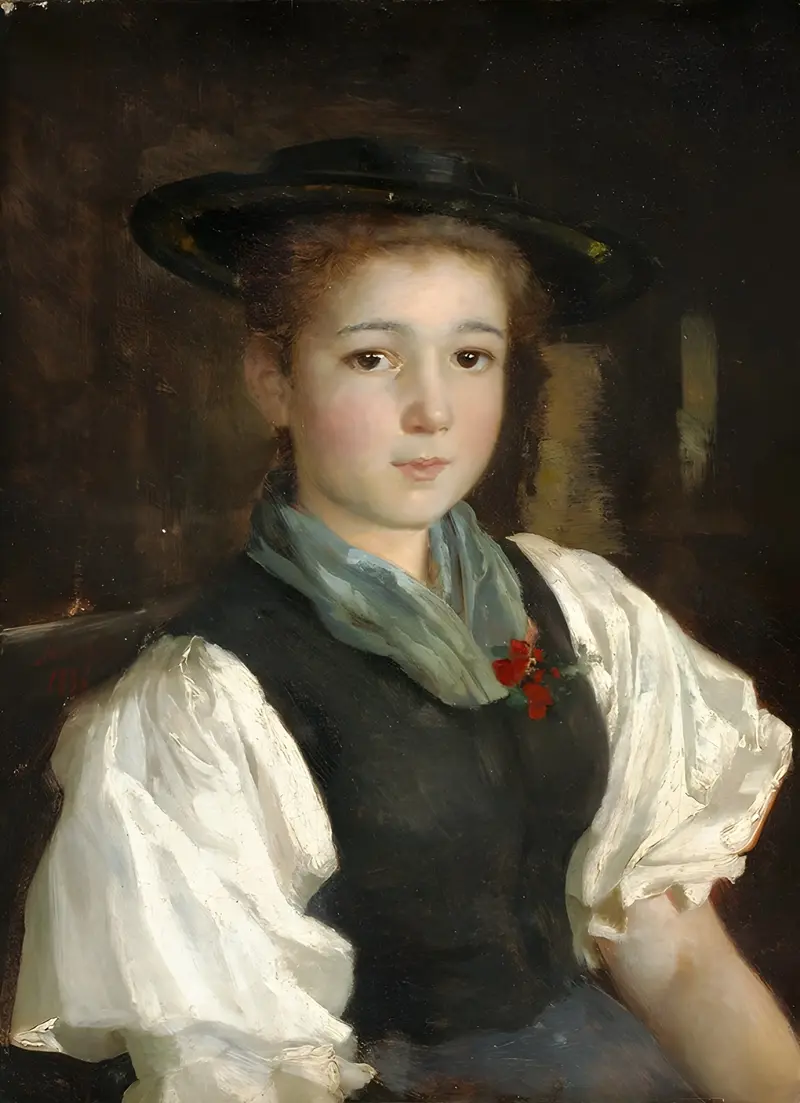
Bauernmädchen (Farm Girl)
Albert Anker
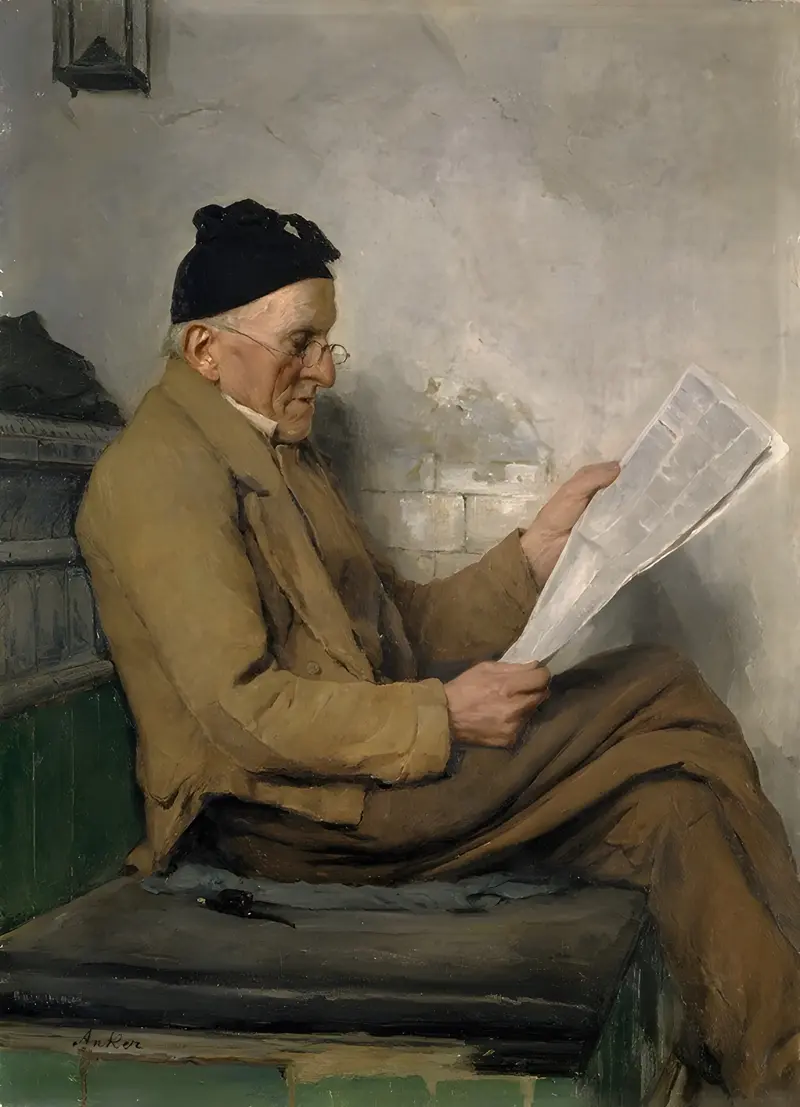
Farmer Reading on the Stove Bench
Albert Anker
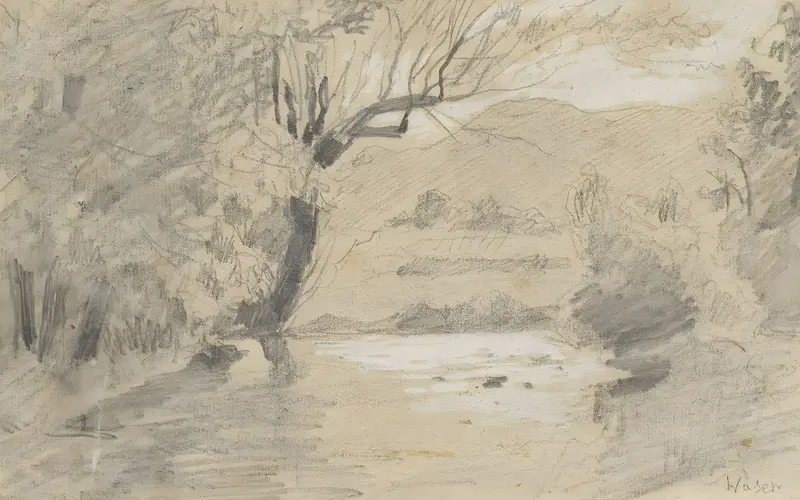
Flusslandschaft in Wasen (Emmental)
Albert Anker
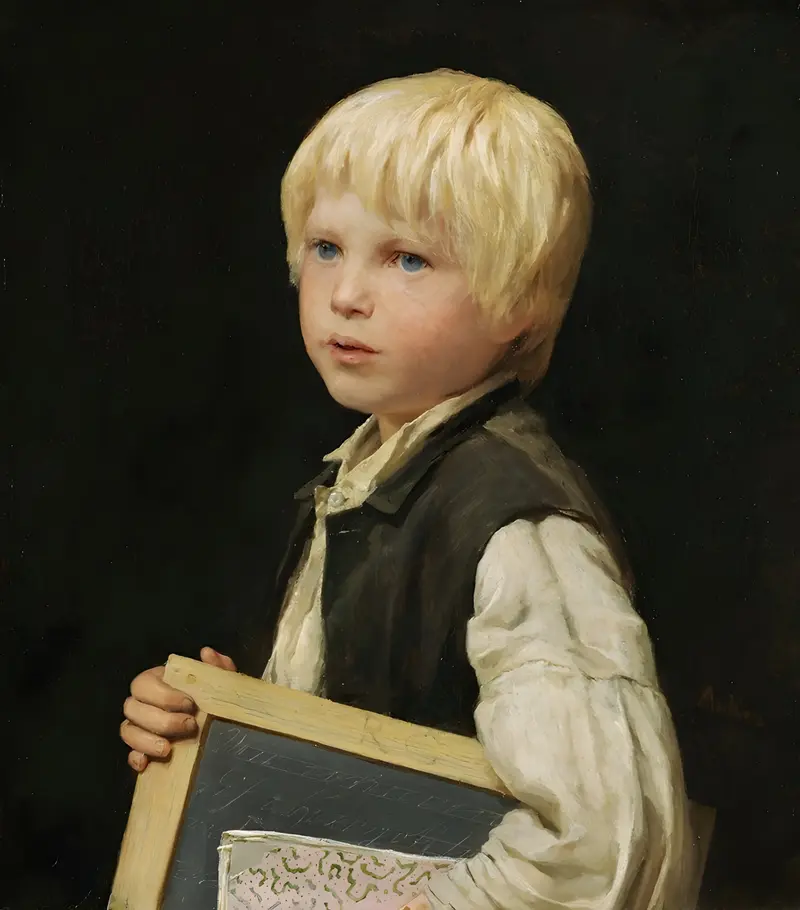
School Boy
Albert Anker
More Genre Scene Art

Banquet of the Officers of the St George Civic Guard
Frans Hals

Rembrandt and Saskia in the Scene of the Prodigal Son
Rembrandt van Rijn

Bal du moulin de la Galette
Pierre-Auguste Renoir

Quadrille at the Moulin Rouge
Henri de Toulouse-Lautrec

A Burial at Ornans
Gustave Courbet

When Will You Marry?
Paul Gauguin