
The village tailor — History & Facts
In The Village Tailor, Albert Anker presents a warm and inviting scene filled with rich colors. The tailor, dressed in traditional attire, is focused on his work, surrounded by tools of his trade. The setting is a cozy workshop, with soft light filtering through a window, illuminating the fabric and the tailor's hands.
The overall atmosphere conveys a sense of calm and dedication to craftsmanship. The painting is characterized by Anker's attention to detail and realistic portrayal of everyday life. The use of oil on canvas allows for vibrant colors and textures, bringing the scene to life. Viewers can appreciate the intricate details in the tailor's clothing and the various tools scattered around the workshop.
Anker's technique captures both the physicality of the materials and the emotional connection to the work being done. Albert Anker was a prominent Swiss painter known for his depictions of rural life and everyday activities. This work reflects his commitment to realism and his ability to convey the beauty in ordinary moments. An interesting fact about The Village Tailor is that it showcases not just the skill of the tailor but also the cultural significance of craftsmanship in Swiss society during the 19th century.
More Artworks by Albert Anker

Portrait Of A Girl
Albert Anker
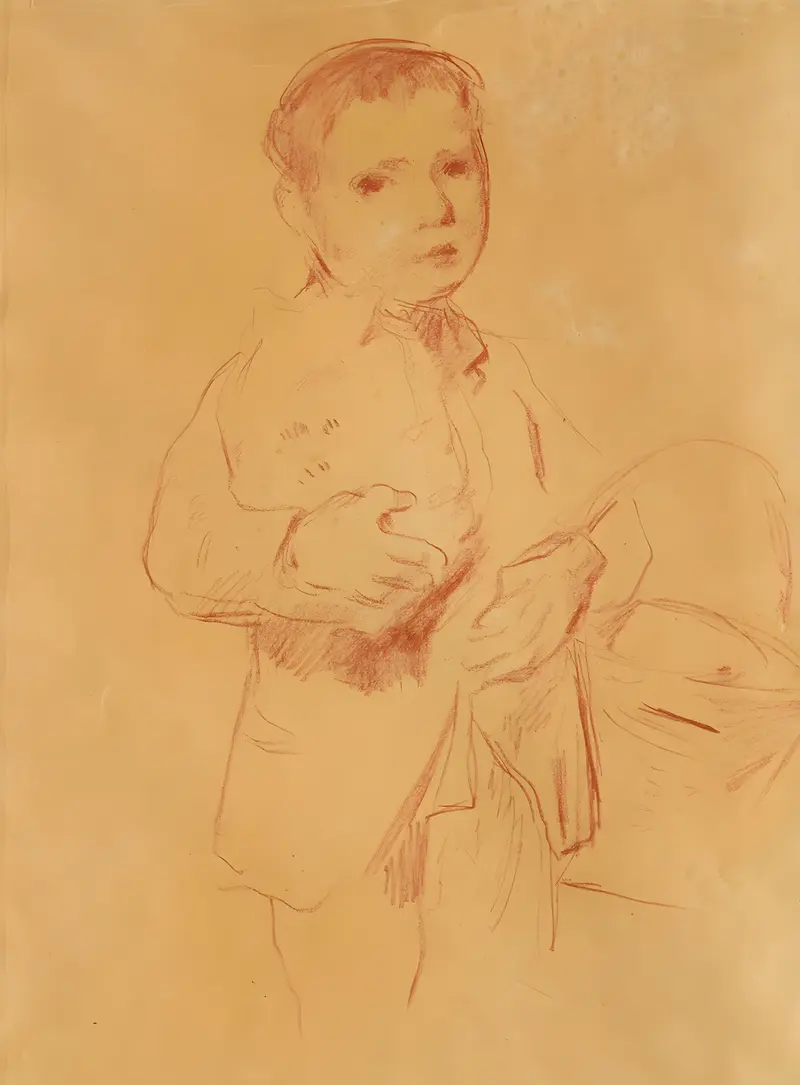
Boy with a basket
Albert Anker
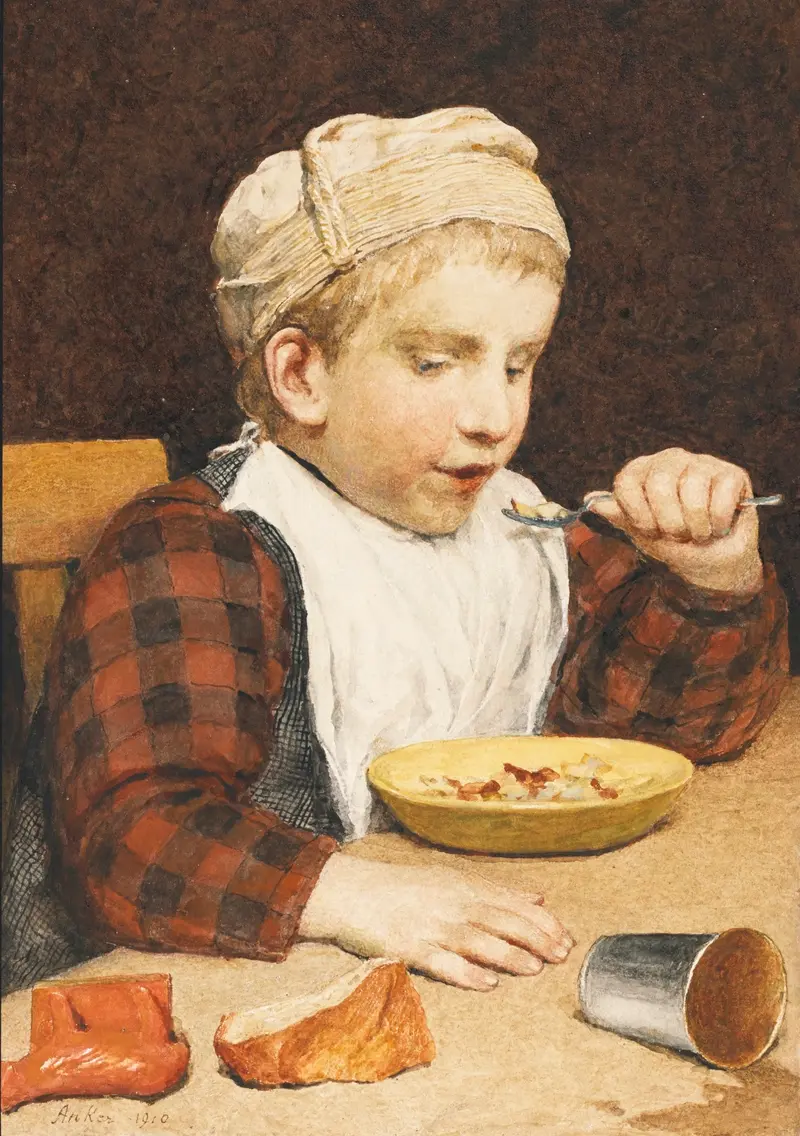
Knabe Mit Mütze Beim Essen
Albert Anker
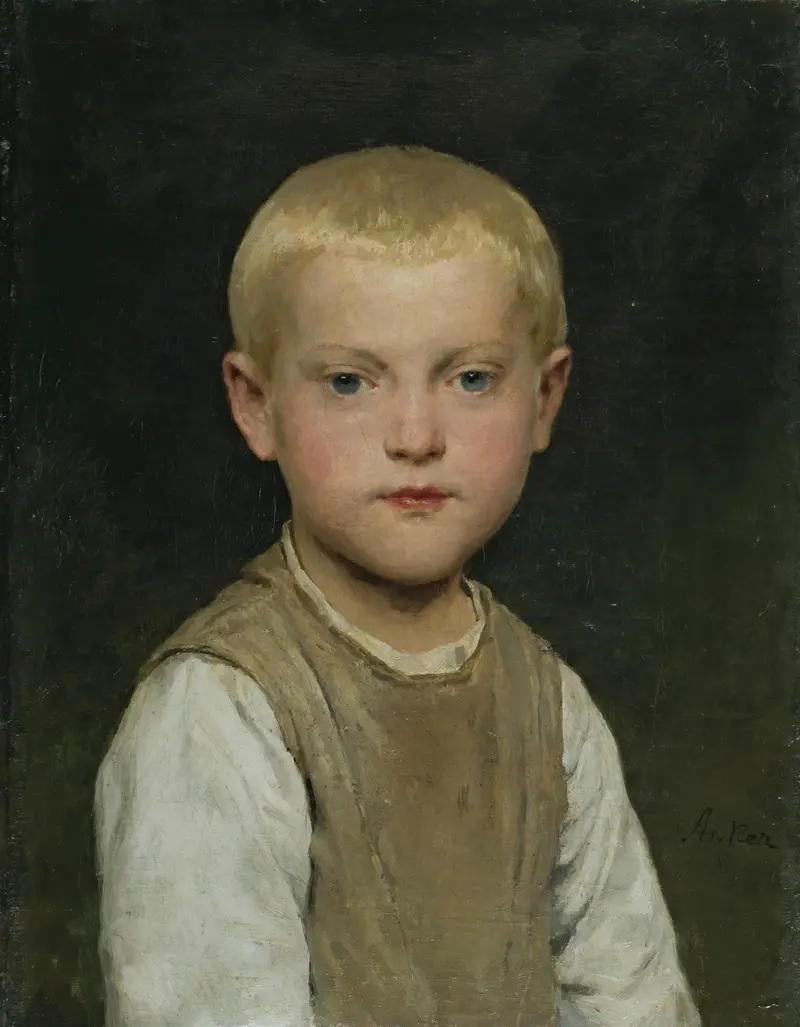
Knabenbildnis (Dr Heiri)
Albert Anker

L’instituteur et le pasteur
Albert Anker
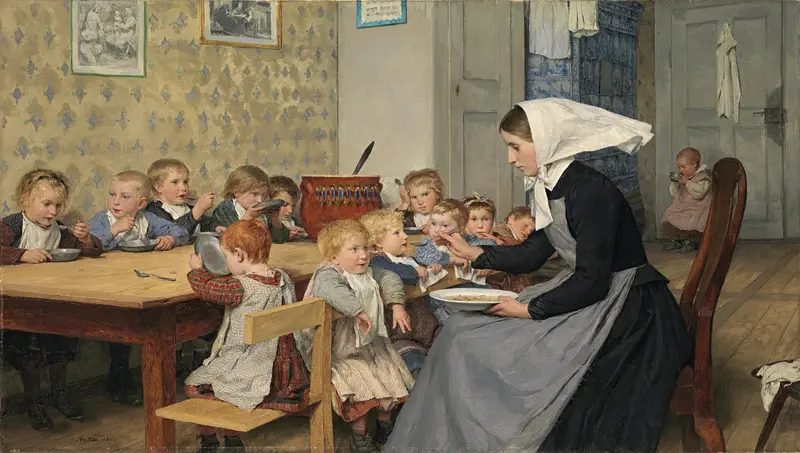
Die Kinderkrippe I
Albert Anker
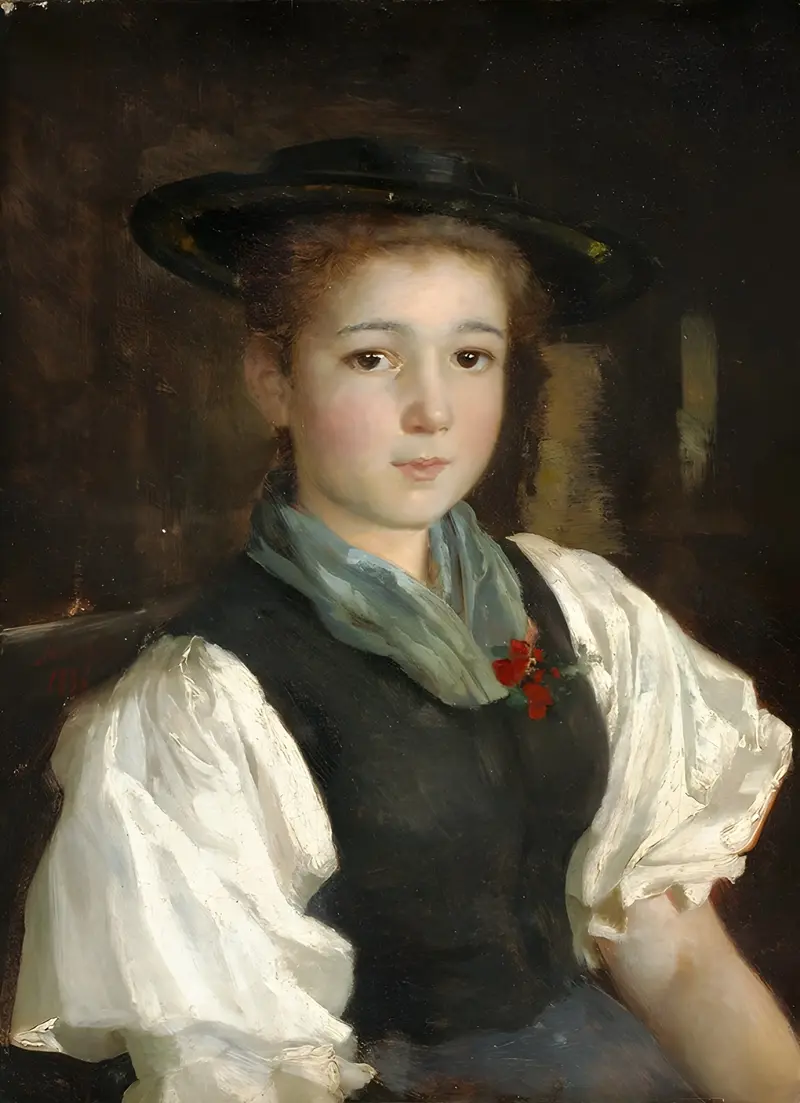
Bauernmädchen (Farm Girl)
Albert Anker
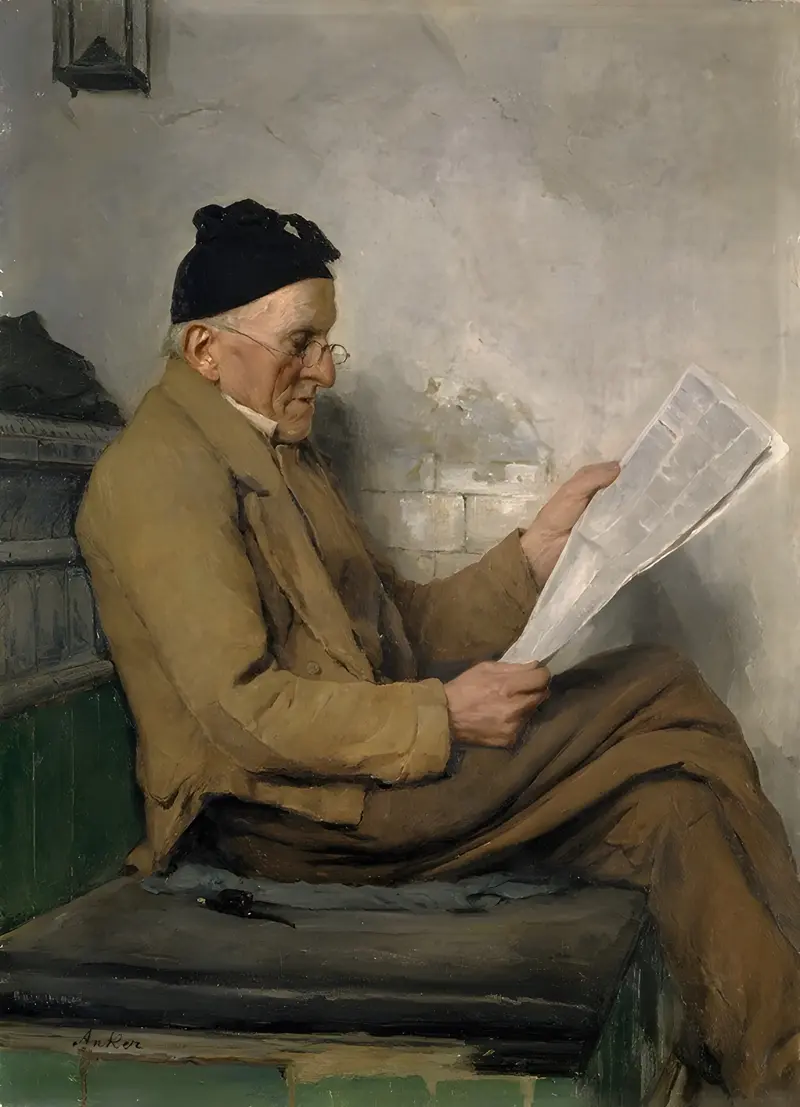
Farmer Reading on the Stove Bench
Albert Anker
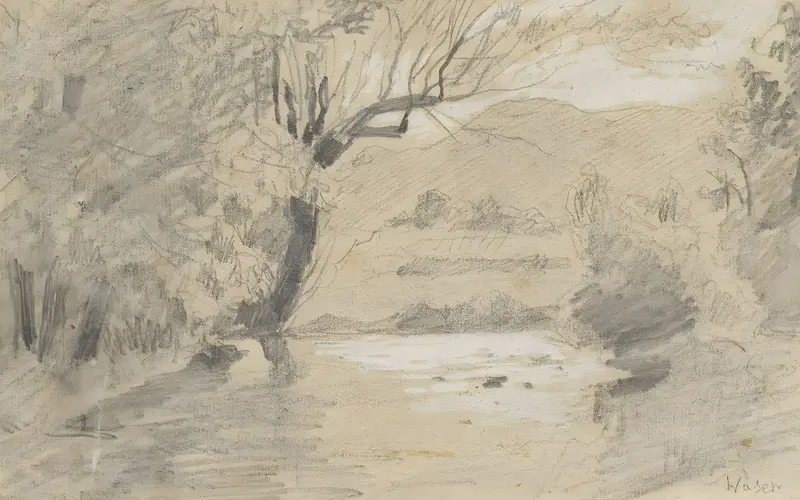
Flusslandschaft in Wasen (Emmental)
Albert Anker
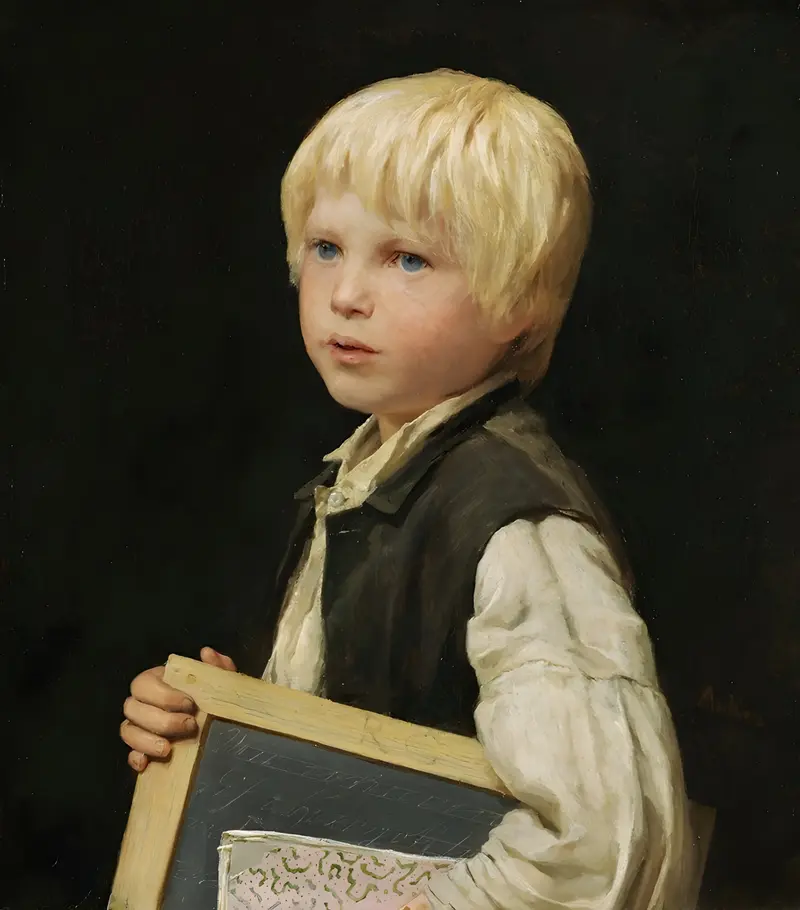
School Boy
Albert Anker
More Genre Scene Art

Banquet of the Officers of the St George Civic Guard
Frans Hals

Rembrandt and Saskia in the Scene of the Prodigal Son
Rembrandt van Rijn

Bal du moulin de la Galette
Pierre-Auguste Renoir

Quadrille at the Moulin Rouge
Henri de Toulouse-Lautrec

A Burial at Ornans
Gustave Courbet

When Will You Marry?
Paul Gauguin