Discover insights about this artwork
The Virgin and Child of the Rosary — History & Facts
In The Virgin and Child of the Rosary, Peter Paul Rubens presents a vibrant scene filled with rich colors. The Virgin Mary is depicted in a flowing robe, holding the Christ Child, who is reaching out with a gentle expression. Surrounding them are rosary beads, symbolizing prayer and devotion.
The background features soft, atmospheric lighting that enhances the sacredness of the moment. The painting is executed in oil on canvas, a common medium for Rubens, allowing for deep color saturation and dynamic brushwork. Viewers can observe the intricate details in the figures' garments and the delicate play of light on their faces. The composition is balanced, with the figures centrally placed, drawing the eye to their serene expressions.
Rubens' characteristic use of color and movement is evident throughout the piece. Peter Paul Rubens was a leading figure of the Baroque movement, known for his energetic compositions and vivid color palette. The Virgin and Child of the Rosary reflects his deep religious faith and his ability to convey emotion through art. An interesting fact about this work is that it was commissioned for a church, emphasizing its role in the spiritual life of the community.
Rubens' paintings often served as both devotional objects and artistic statements, bridging the sacred and the aesthetic.
More Artworks by Peter Paul Rubens
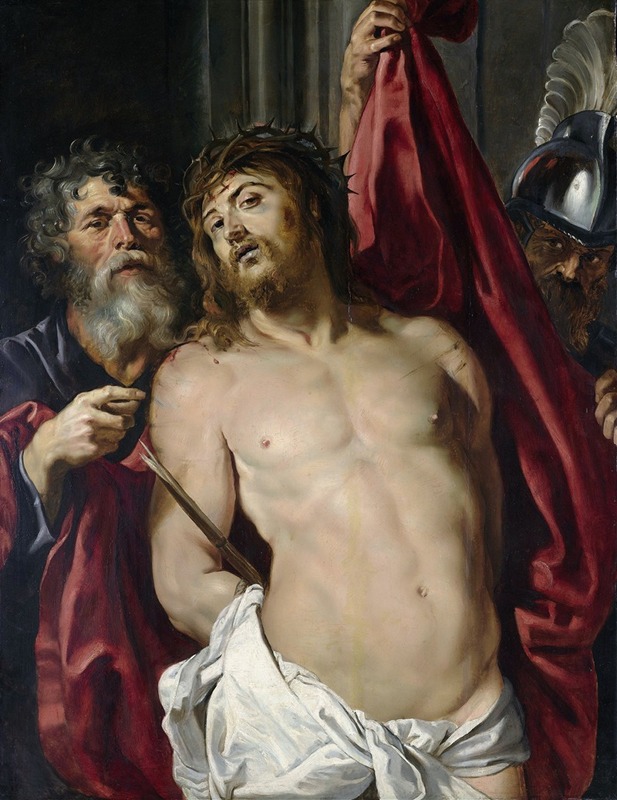
Ecce homo
Peter Paul Rubens
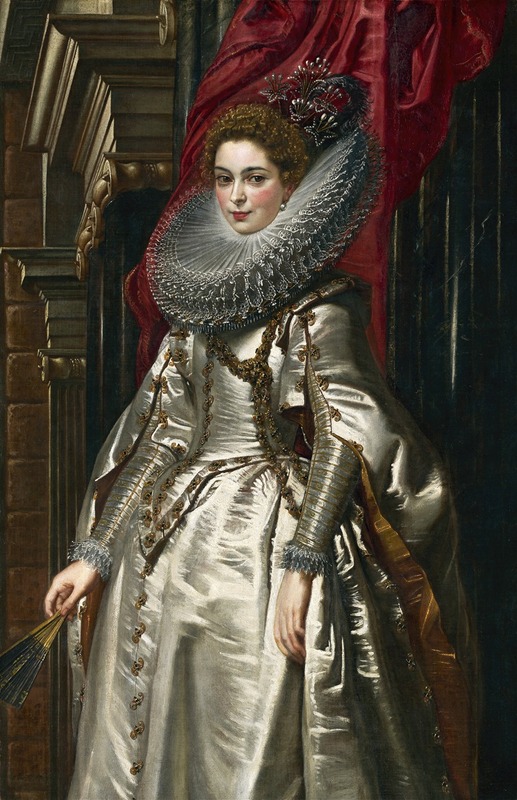
Marchesa Brigida Spinola Doria
Peter Paul Rubens
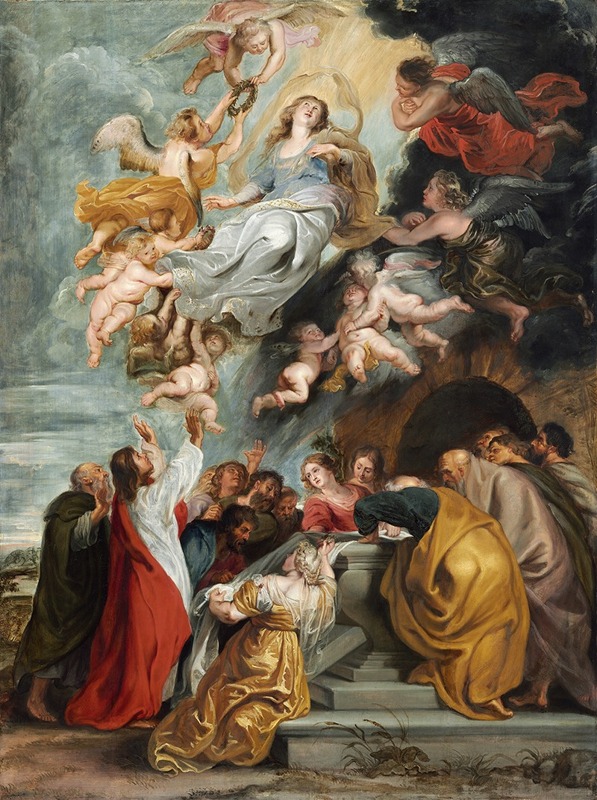
The Assumption of the Virgin
Peter Paul Rubens

Saint Teresa of Ávila Interceding for Souls in Purgatory
Peter Paul Rubens
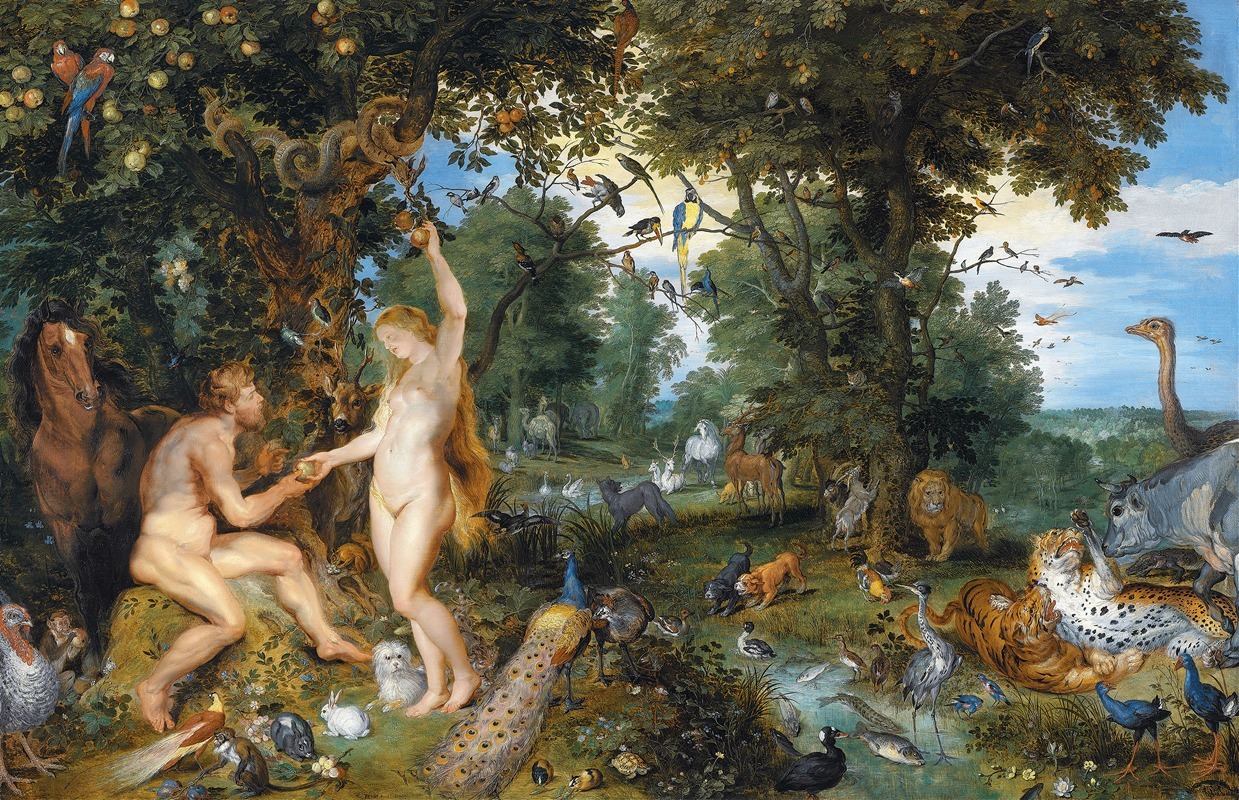
The Garden of Eden with the Fall of Man
Peter Paul Rubens
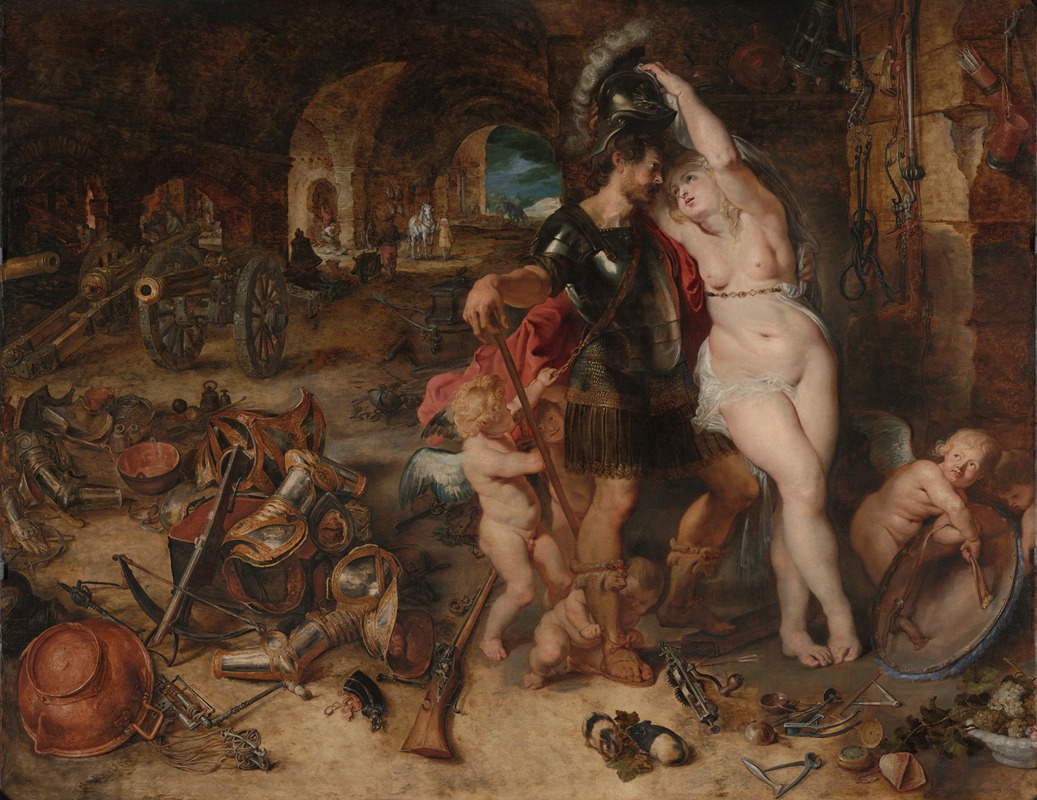
The Return From War,Mars Disarmed By Venus
Peter Paul Rubens
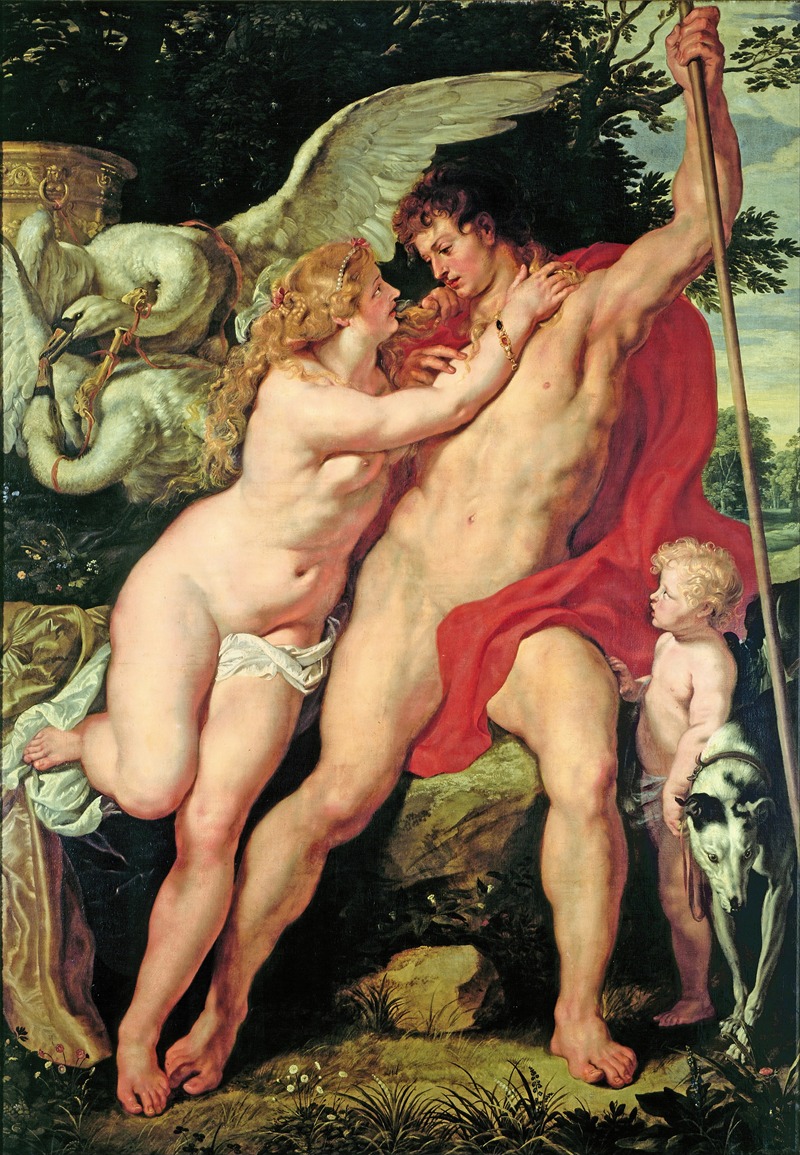
Venus and Adonis
Peter Paul Rubens
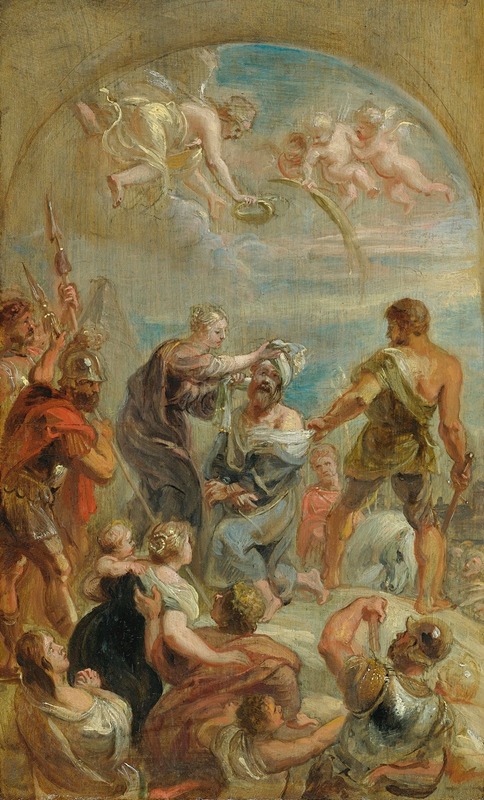
The Martyrdom Of Saint Paul
Peter Paul Rubens
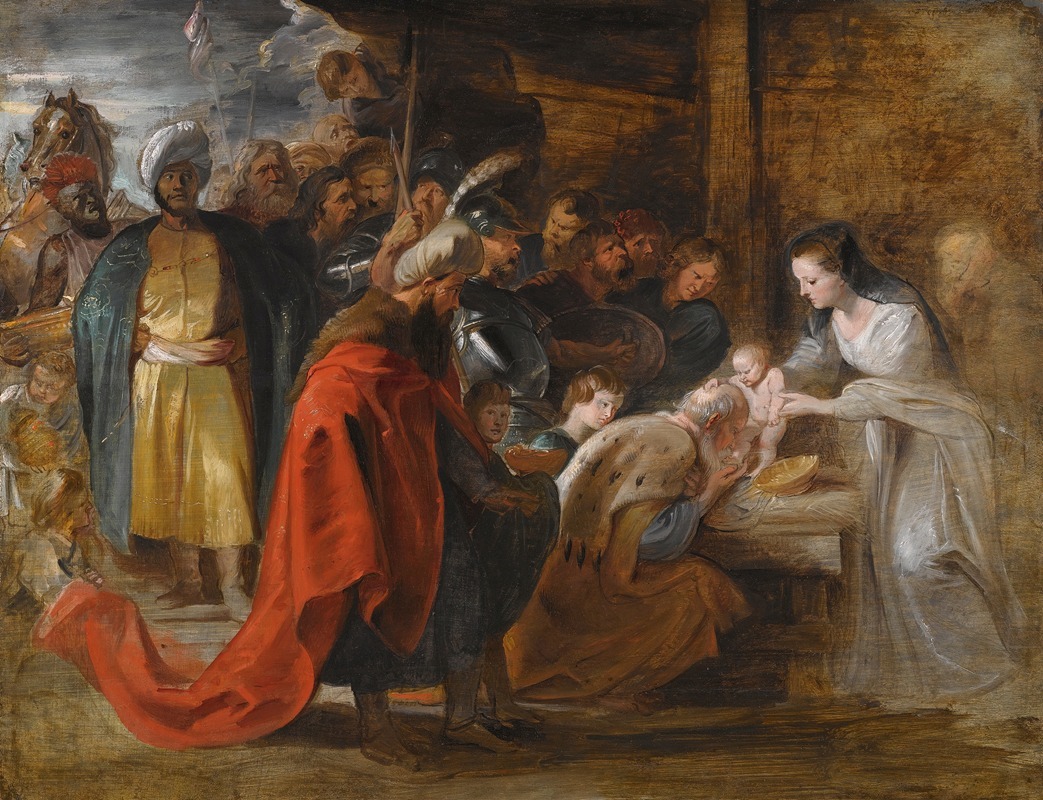
The Adoration Of The Magi
Peter Paul Rubens
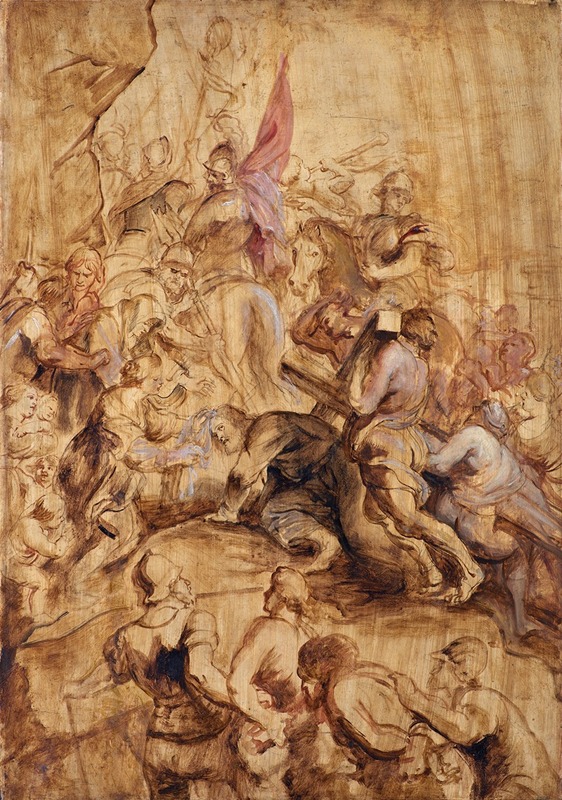
The Ascent to Calvary. The Bearing of the Cross
Peter Paul Rubens