Discover insights about this artwork
The Virgin as the Woman of the Apocalypse — History & Facts
In The Virgin as the Woman of the Apocalypse, Peter Paul Rubens presents a striking composition filled with vibrant colors. The Virgin Mary is depicted with a crown of stars, symbolizing her celestial status. Surrounding her are various figures representing the forces of good and evil, creating a dynamic tension within the scene.
The background features dramatic clouds and light, enhancing the painting's emotional impact. The painting is executed in oil on canvas, a medium that allows for rich textures and deep colors. Rubens' technique showcases his mastery of light and shadow, creating a three-dimensional effect. The use of bold brushstrokes adds energy to the composition, drawing the viewer's eye across the canvas.
The dimensions are approximately 150 x 200 cm, making it a large and imposing work. Peter Paul Rubens was a leading figure in the Baroque movement, known for his dynamic compositions and emotional depth. This work, created around c. 1610, reflects his interest in religious themes and the dramatic portrayal of biblical figures.
An interesting fact about this painting is that it combines elements of both the Virgin Mary and the Woman of the Apocalypse, linking her to themes of hope and judgment. Rubens' ability to convey complex narratives through his art continues to resonate with viewers today.
More Artworks by Peter Paul Rubens
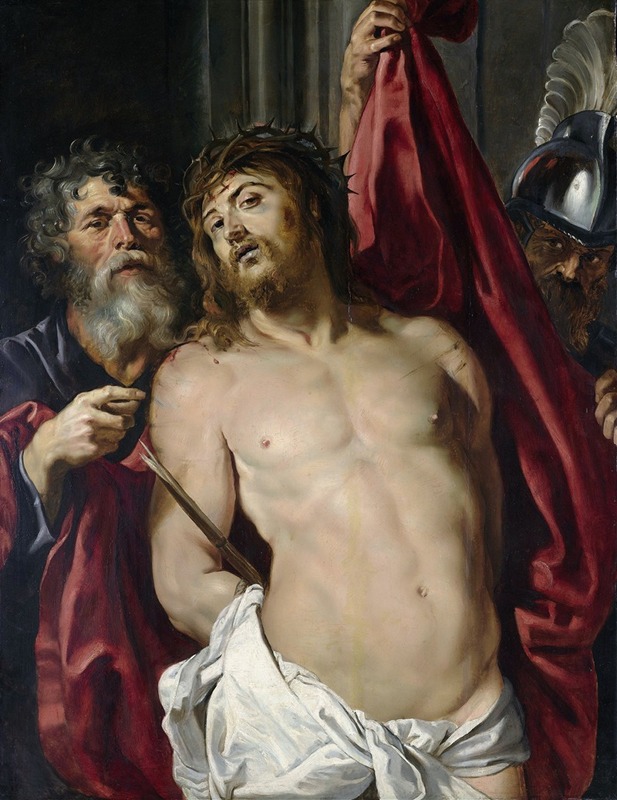
Ecce homo
Peter Paul Rubens
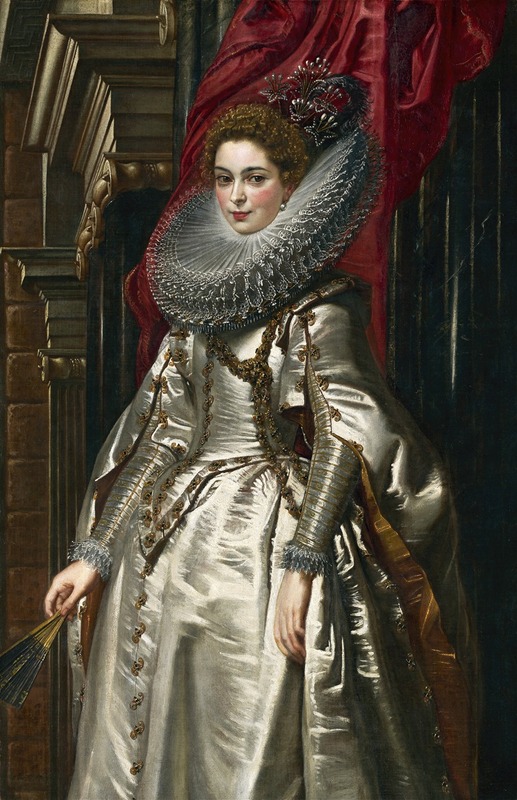
Marchesa Brigida Spinola Doria
Peter Paul Rubens
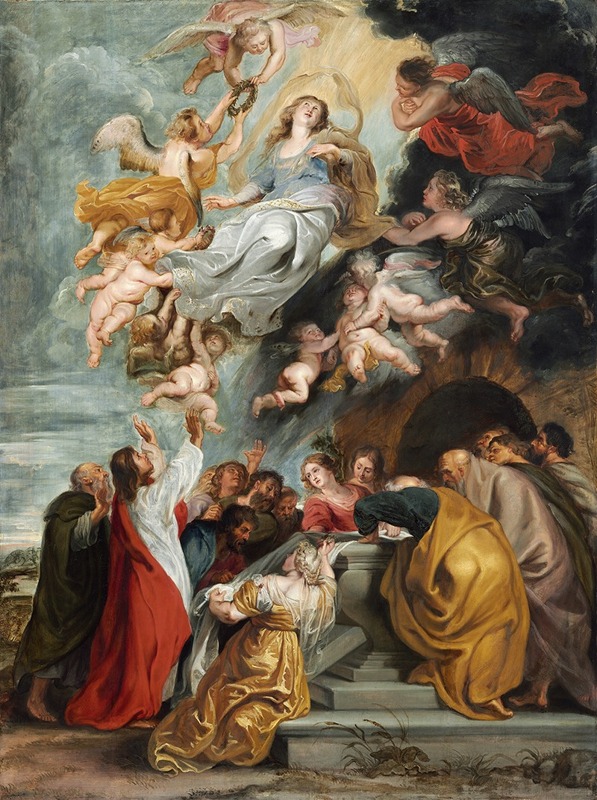
The Assumption of the Virgin
Peter Paul Rubens

Saint Teresa of Ávila Interceding for Souls in Purgatory
Peter Paul Rubens
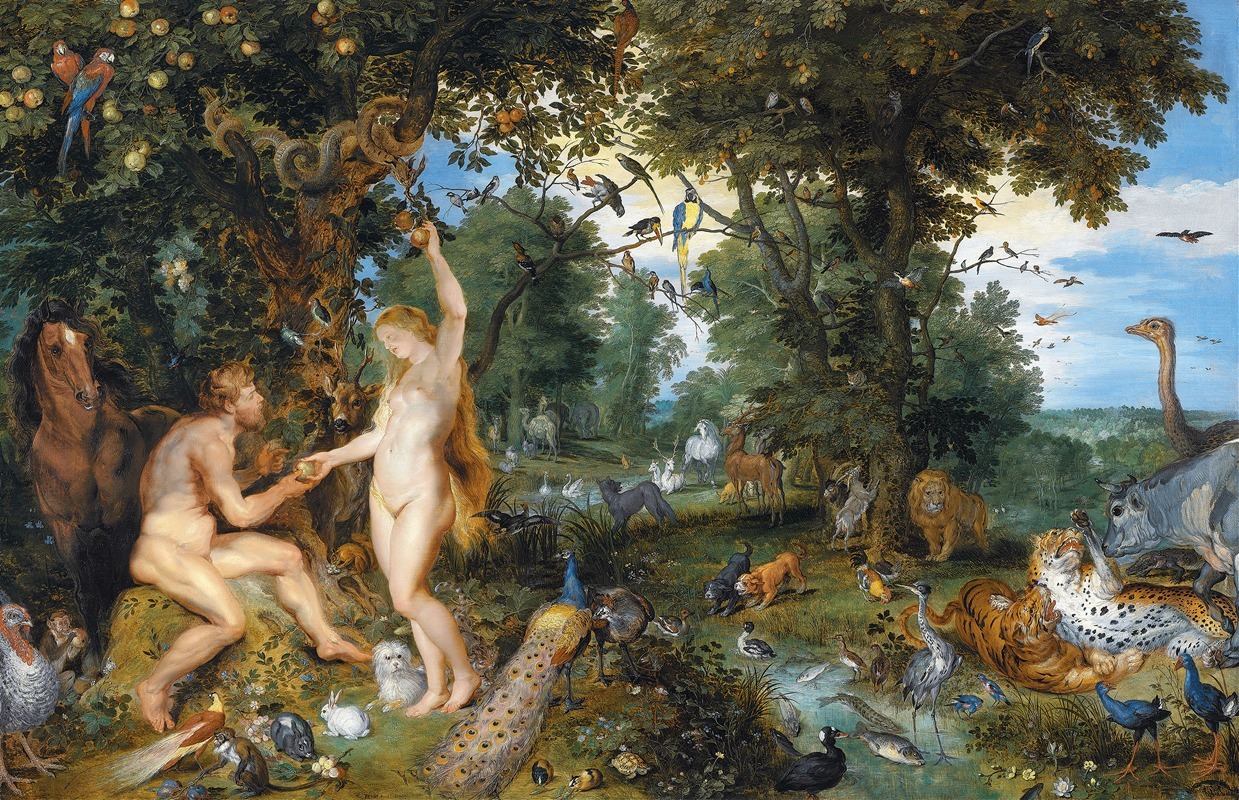
The Garden of Eden with the Fall of Man
Peter Paul Rubens
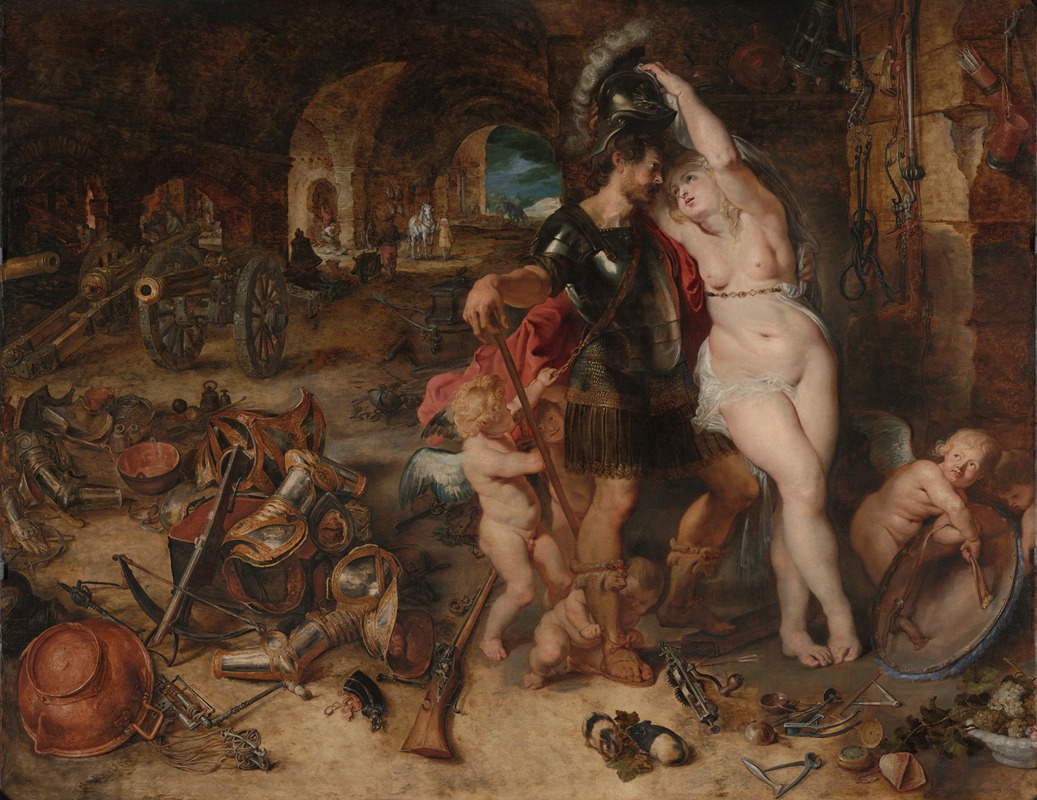
The Return From War,Mars Disarmed By Venus
Peter Paul Rubens
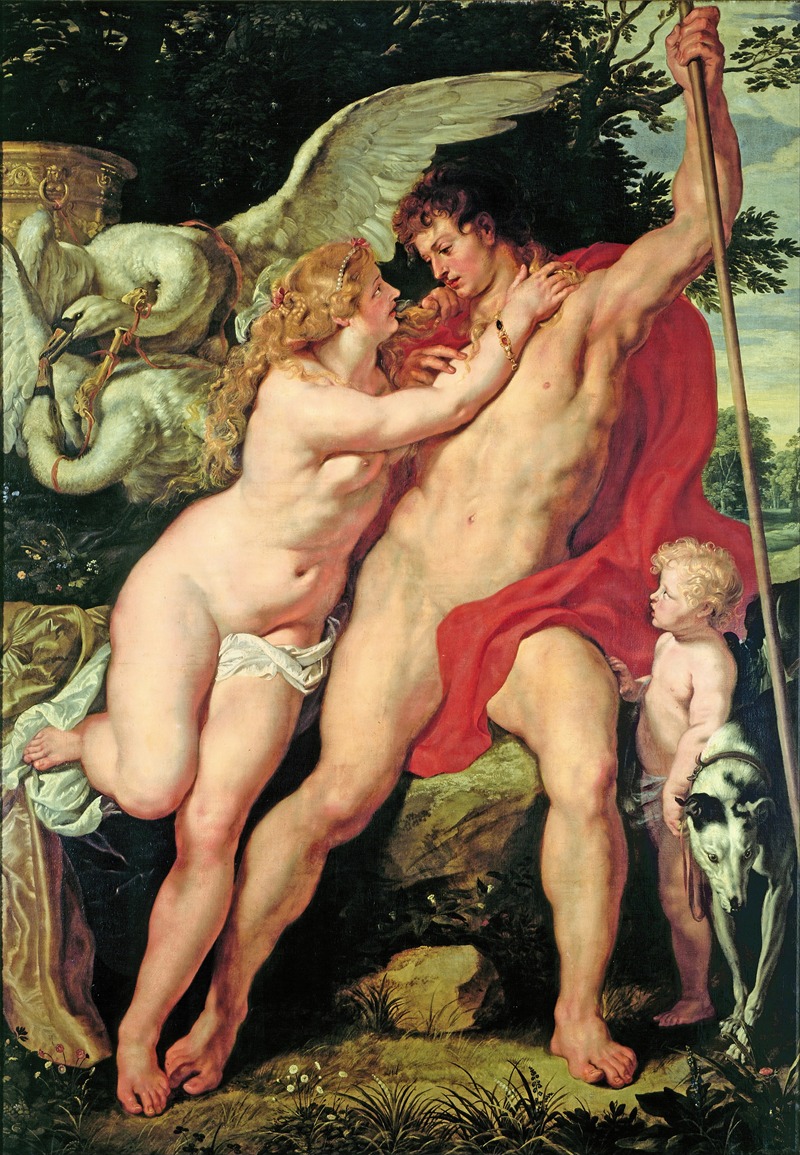
Venus and Adonis
Peter Paul Rubens
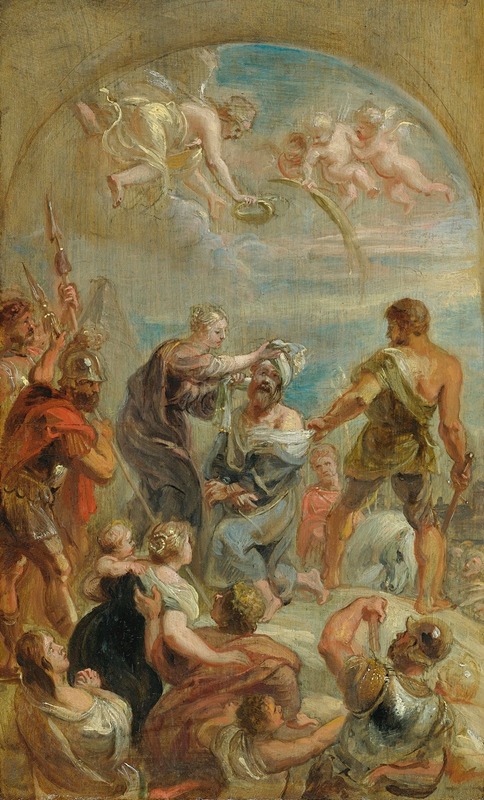
The Martyrdom Of Saint Paul
Peter Paul Rubens
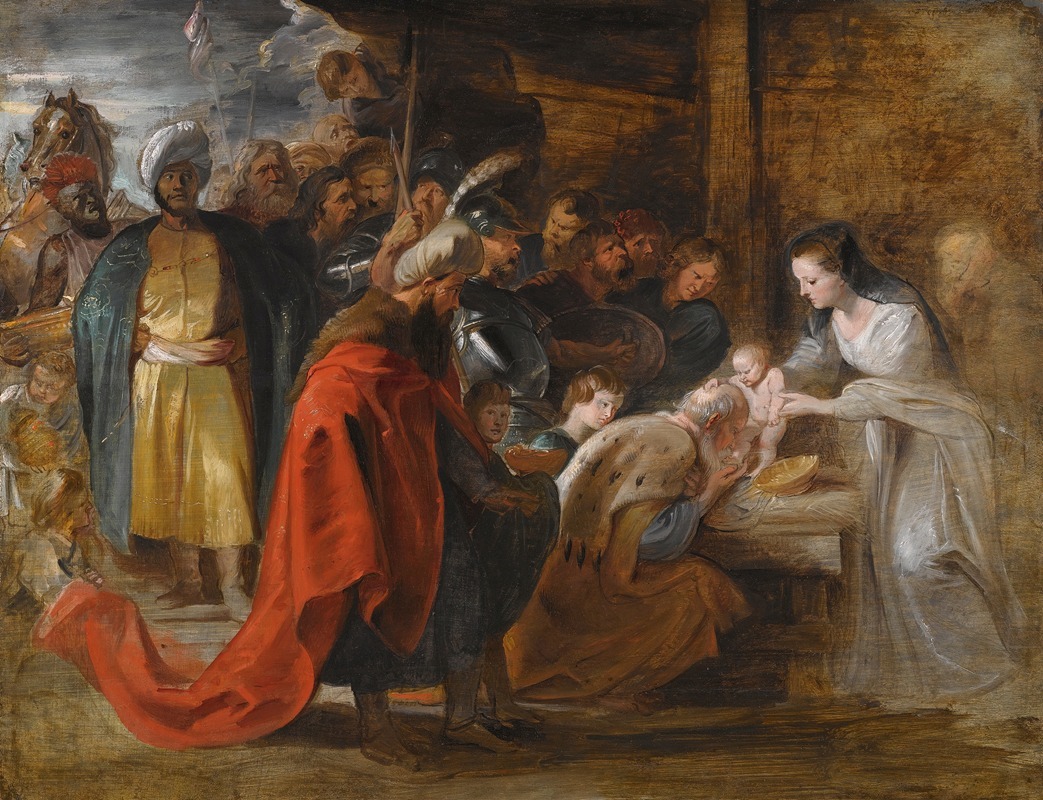
The Adoration Of The Magi
Peter Paul Rubens
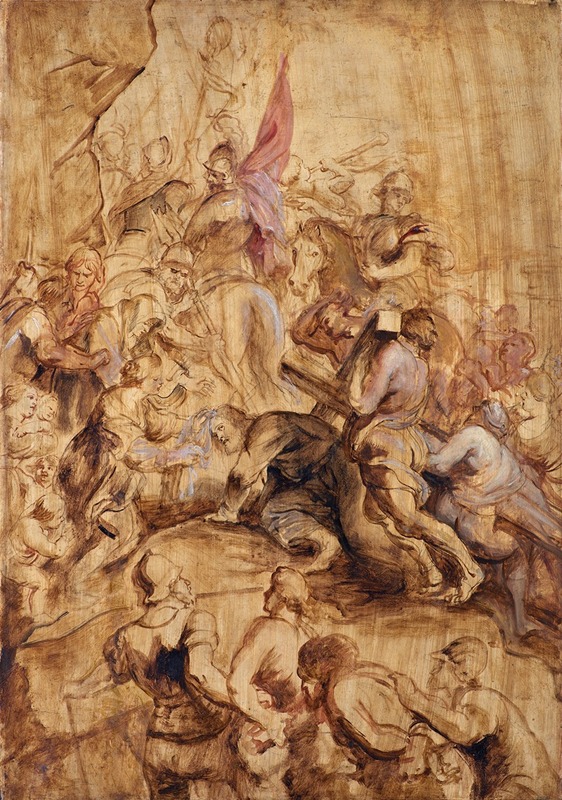
The Ascent to Calvary. The Bearing of the Cross
Peter Paul Rubens