The Wagon — History & Facts
Can paint confess what words never could? In The Wagon, a stillness permeates the canvas, evoking the unspeakable tension of a moment caught between movement and an unsettling silence. Focus your gaze on the weathered wagon at the center, its wooden frame heavy with stories untold. Notice how the muted colors—dusty browns and faded greens—convey a sense of decay, each brushstroke echoing the weight of forgotten burdens. Pay attention to the shadows that drape over the scene, revealing the contrasting light that spills in from an unseen source, suggesting an ominous presence lurking just beyond the canvas edges, perhaps insinuating a history of conflict or violence. The wagon, while a simple object, becomes a powerful symbol of displacement and struggle.
Observe the way it sits, both anchored and restless, embodying an indelible past while hinting at a forsaken future. This juxtaposition creates an unsettling emotional tension, one that invites viewers to question the stories behind its weathered exterior—who has relied on it, and what violence might have stained its surface? During the time Peter DeWint painted this work, likely in the early 19th century, England was undergoing significant social and political change. Artists of this period often grappled with themes of hardship and the human condition, and DeWint, known for his depictions of rural life, was profoundly influenced by the contrasts he witnessed in the rapidly industrializing landscape around him.
There, amidst the beauty of nature, lay the raw realities of human struggle—the essence captured in The Wagon.
More Artworks by Peter DeWint
Browse all →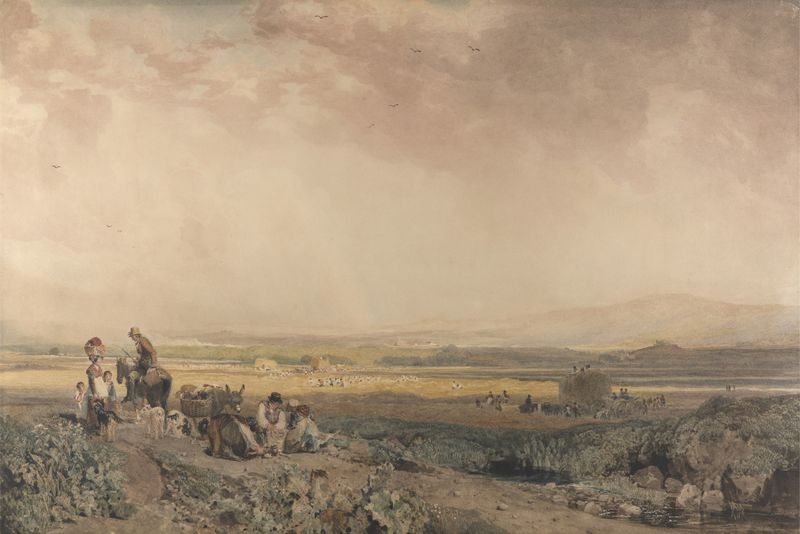
Harvesters in Landscape in Sussex
Peter DeWint

Barden Tower, Yorkshire
Peter DeWint
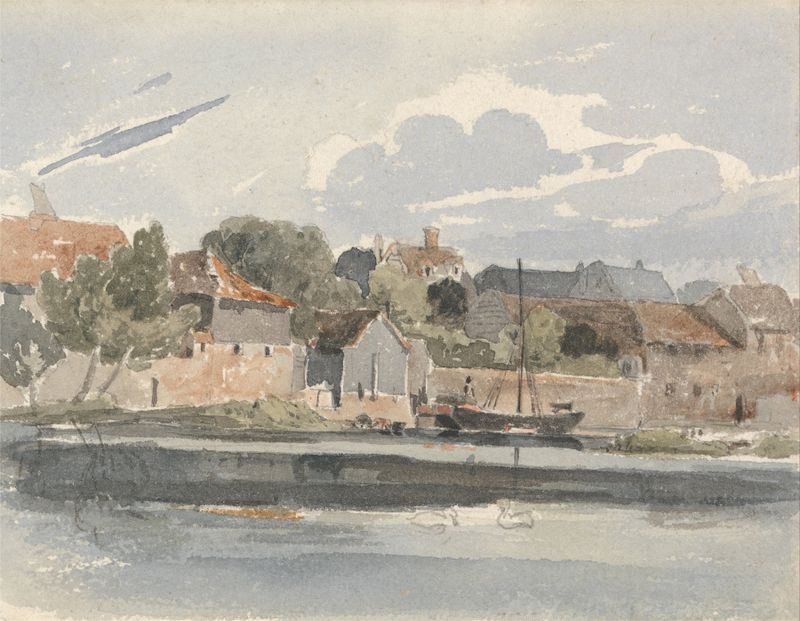
View of the Thames at Kingston
Peter DeWint

Windsor Castle
Peter DeWint

Harvest Time.
Peter DeWint
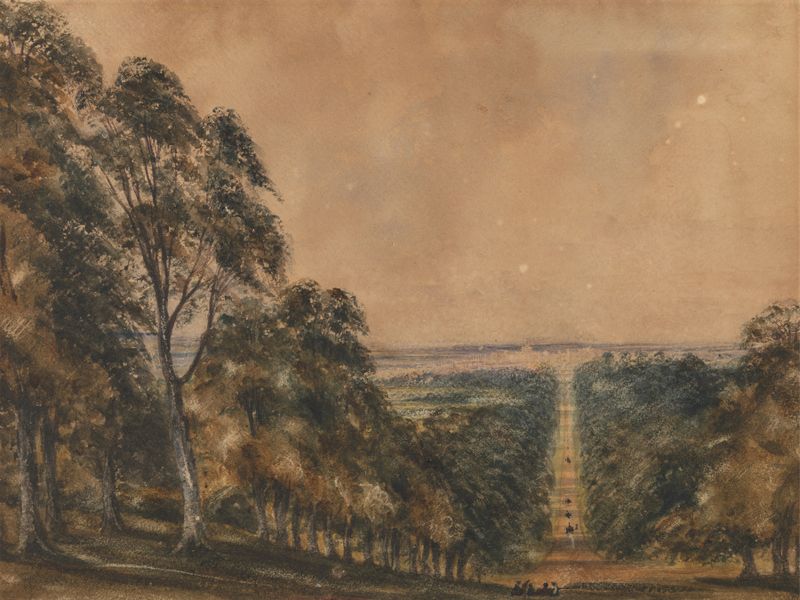
The Long Walk, Windsor.
Peter DeWint
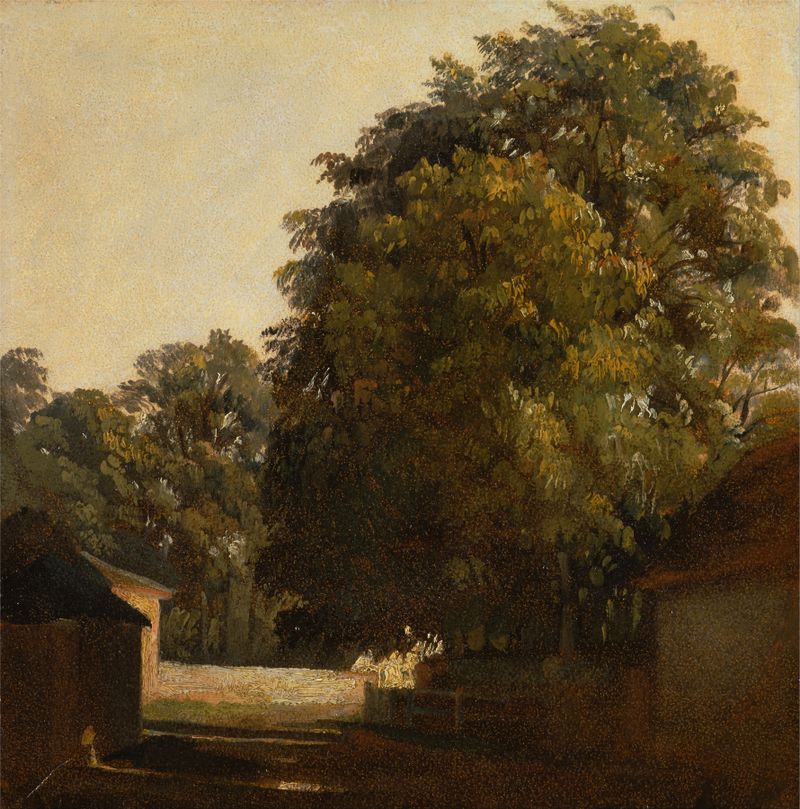
Landscape with Chestnut Tree
Peter DeWint
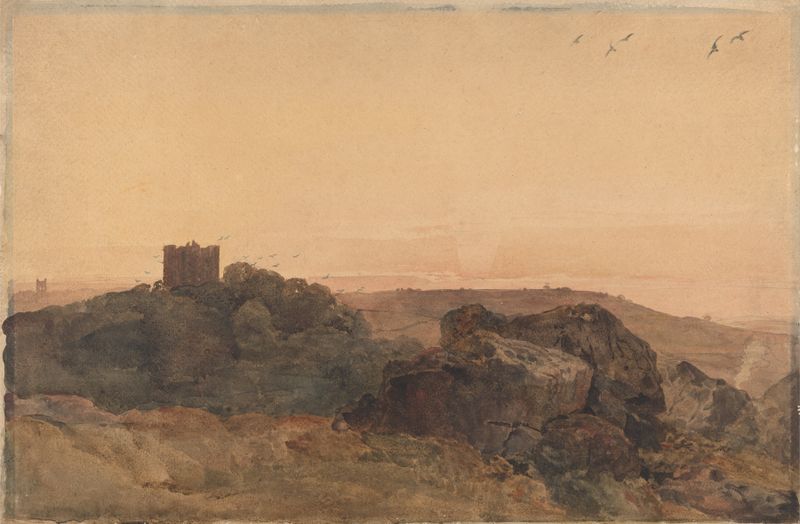
Bolton Castle
Peter DeWint
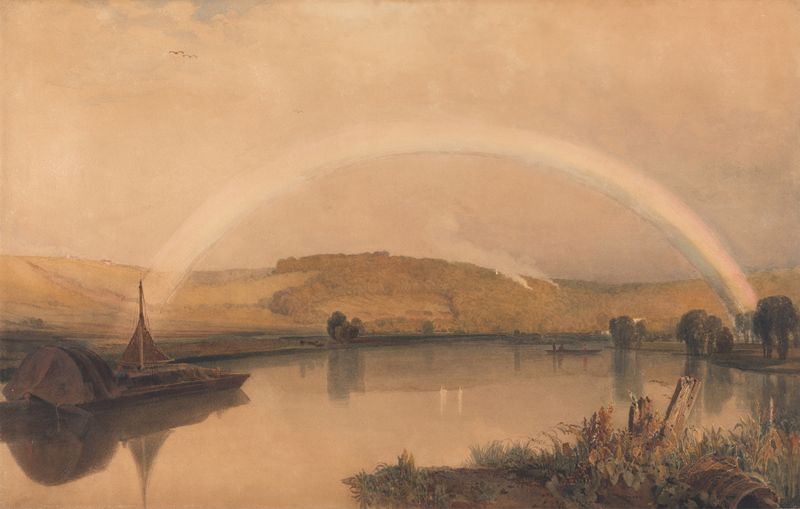
On the Thames
Peter DeWint
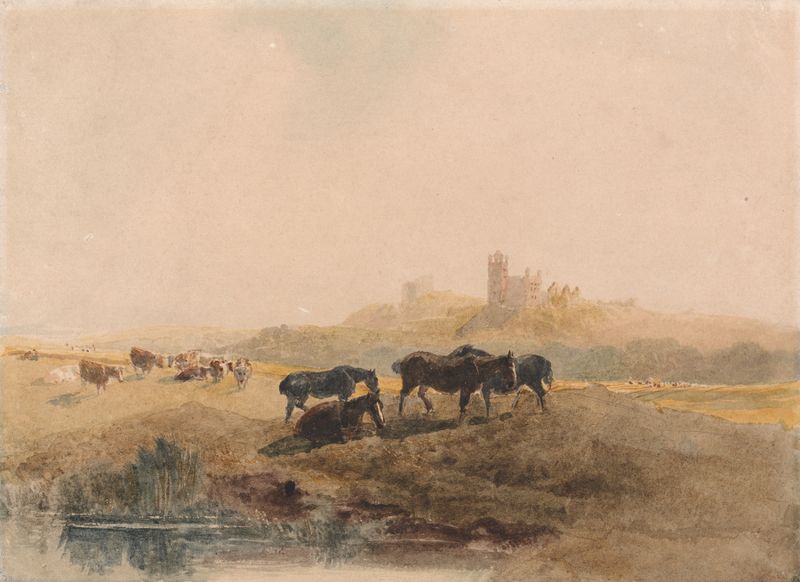
Horses Resting in a Meadow near Bolsover Castle
Peter DeWint