Discover insights about this artwork
The Water Carrier — History & Facts
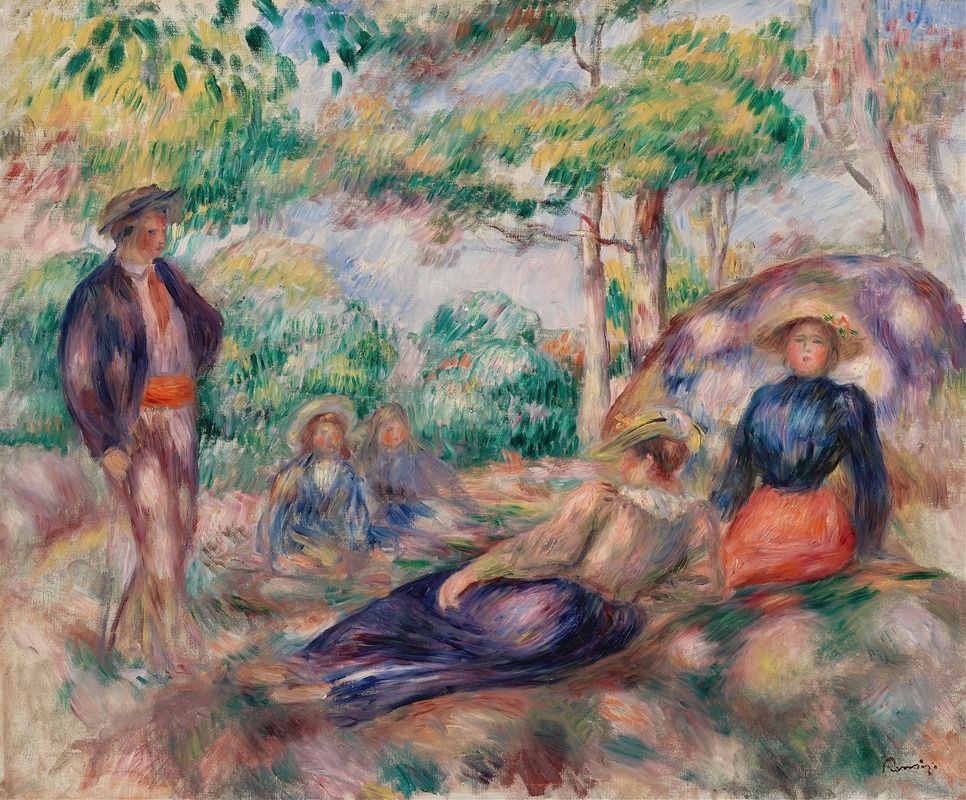
In The Water Carrier, Francisco de Goya presents a rural scene dominated by earthy tones. The central figure, a water carrier, is depicted with a large vessel balanced on their shoulder. Surrounding the figure are hints of nature, suggesting a simple, pastoral life.
The muted colors create a sense of warmth and familiarity. The painting is executed in oil on canvas, showcasing Goya's skill in capturing the human form and the textures of clothing. The dimensions are approximately 100 x 130 cm, making it a substantial piece that draws the viewer in. Goya's brushwork is visible, with soft strokes that add depth to the figure and background.
The composition balances the figure with the surrounding space, enhancing the narrative of daily life. Francisco de Goya was a pivotal figure in Spanish art, bridging the gap between the Old Masters and modern art. The Water Carrier reflects his interest in everyday subjects, showcasing the dignity of common labor. An interesting fact about this work is that it was created during a time when Goya was exploring themes of social commentary, highlighting the struggles of the working class.
This painting exemplifies his ability to blend realism with emotional depth.
More Artworks by Francisco de Goya
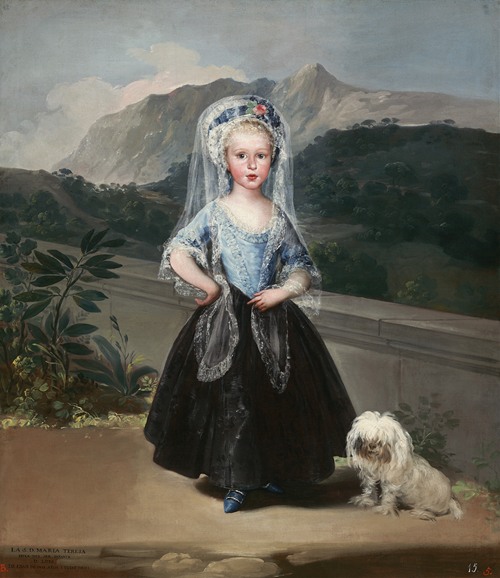
María Teresa de Borbón y Vallabriga,later Condesa de Chinchón
Francisco de Goya
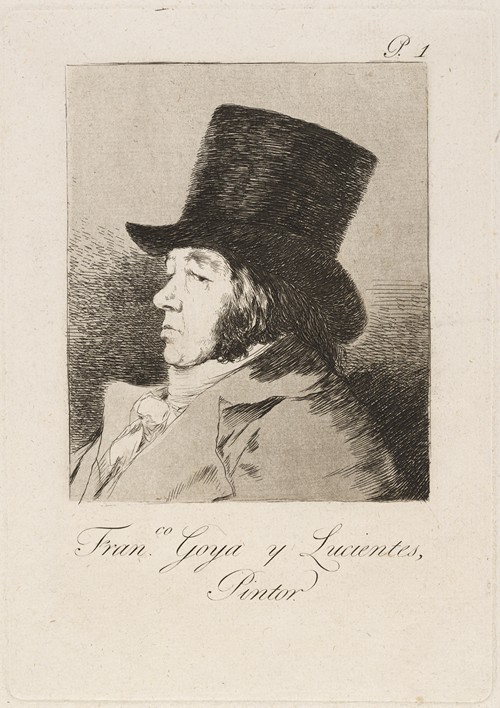
Francisco Goya y Lucientes, Pintor (Francisco Goya y Lucientes, painter)
Francisco de Goya
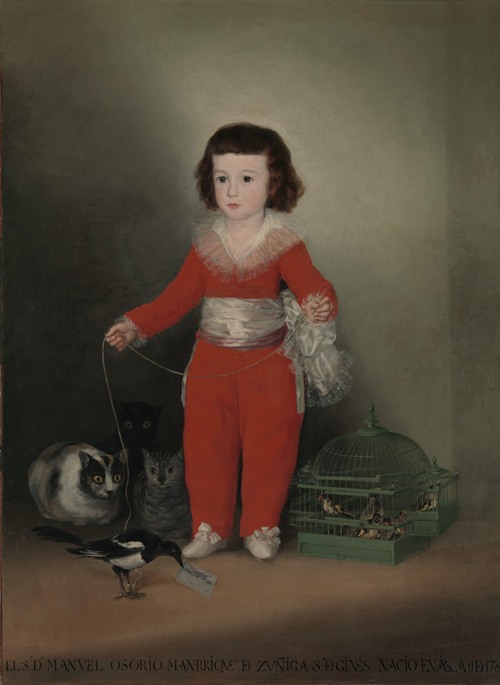
Manuel Osorio Manrique de Zuñiga (1784–1792)
Francisco de Goya
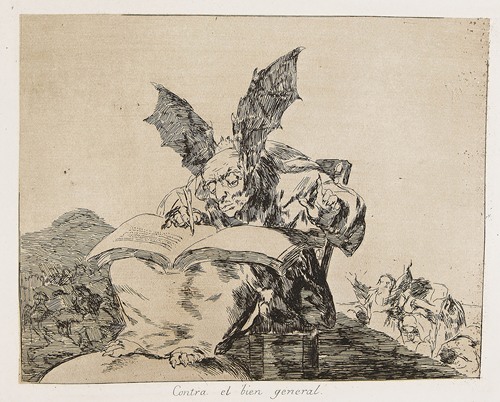
Los desastres de la guerra
Francisco de Goya
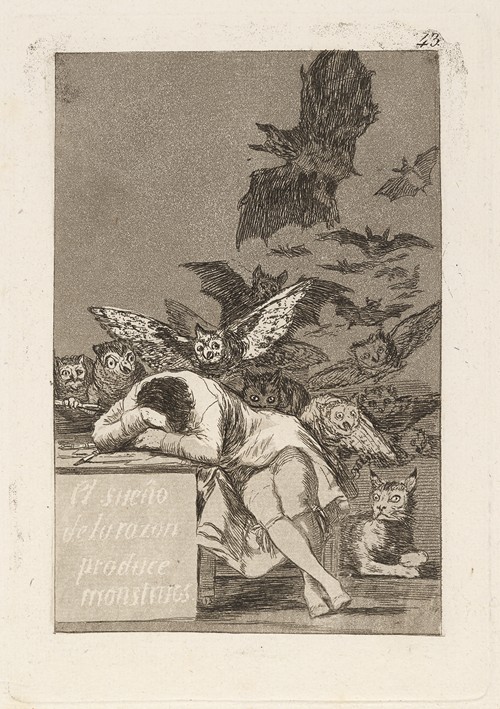
El sueño de la razon produce monstruos. (The sleep of reason produces monsters.)
Francisco de Goya
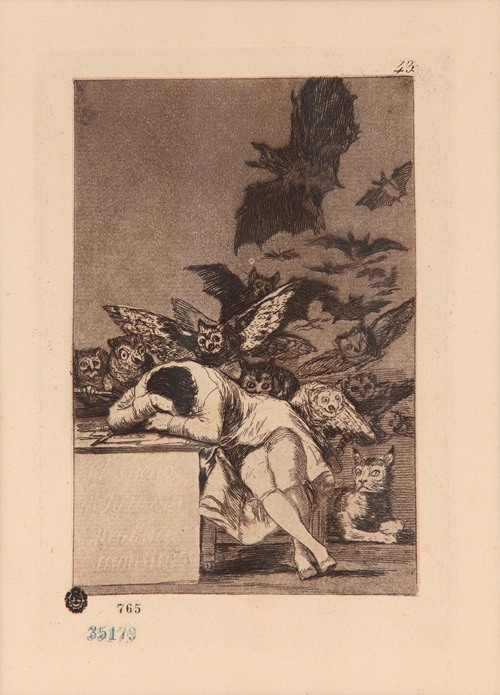
El sueño de la razon produce moustruos (Serie Caprichos)
Francisco de Goya
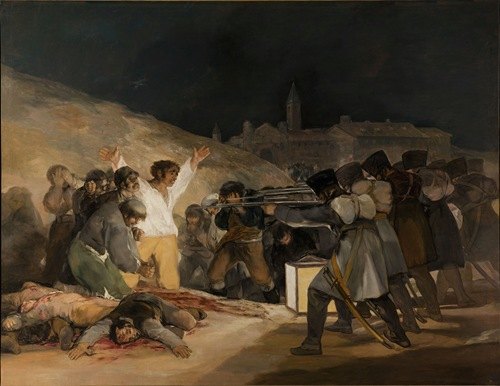
The Third of May
Francisco de Goya
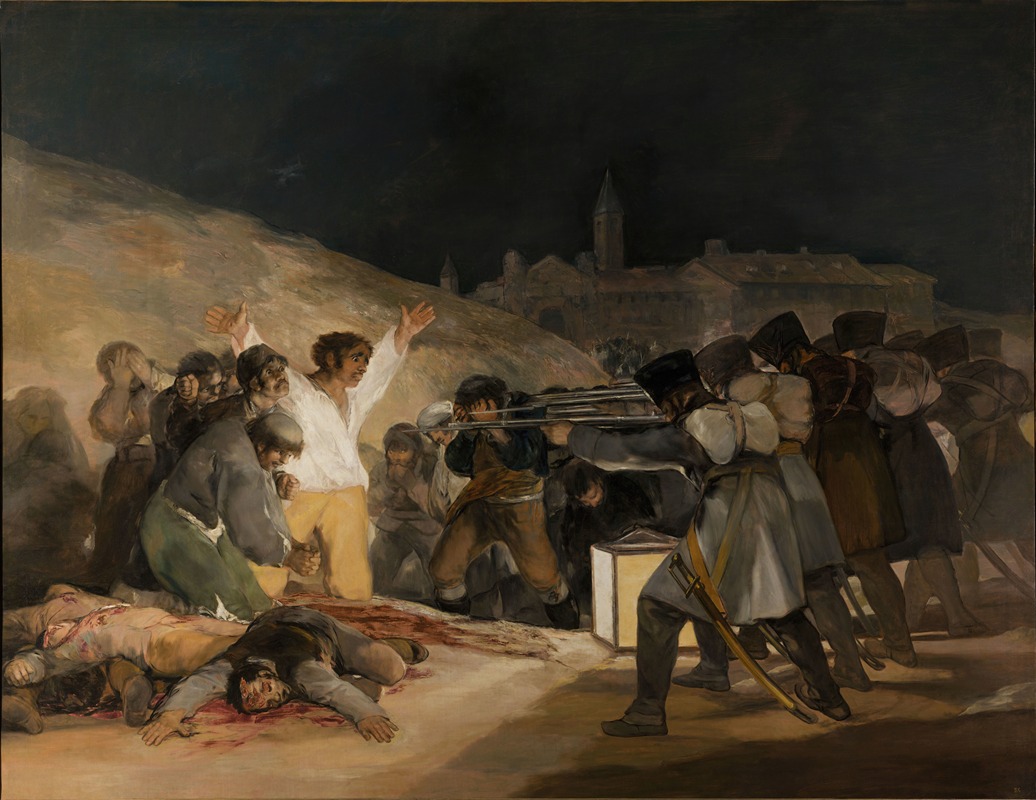
The Third of May 1808
Francisco de Goya
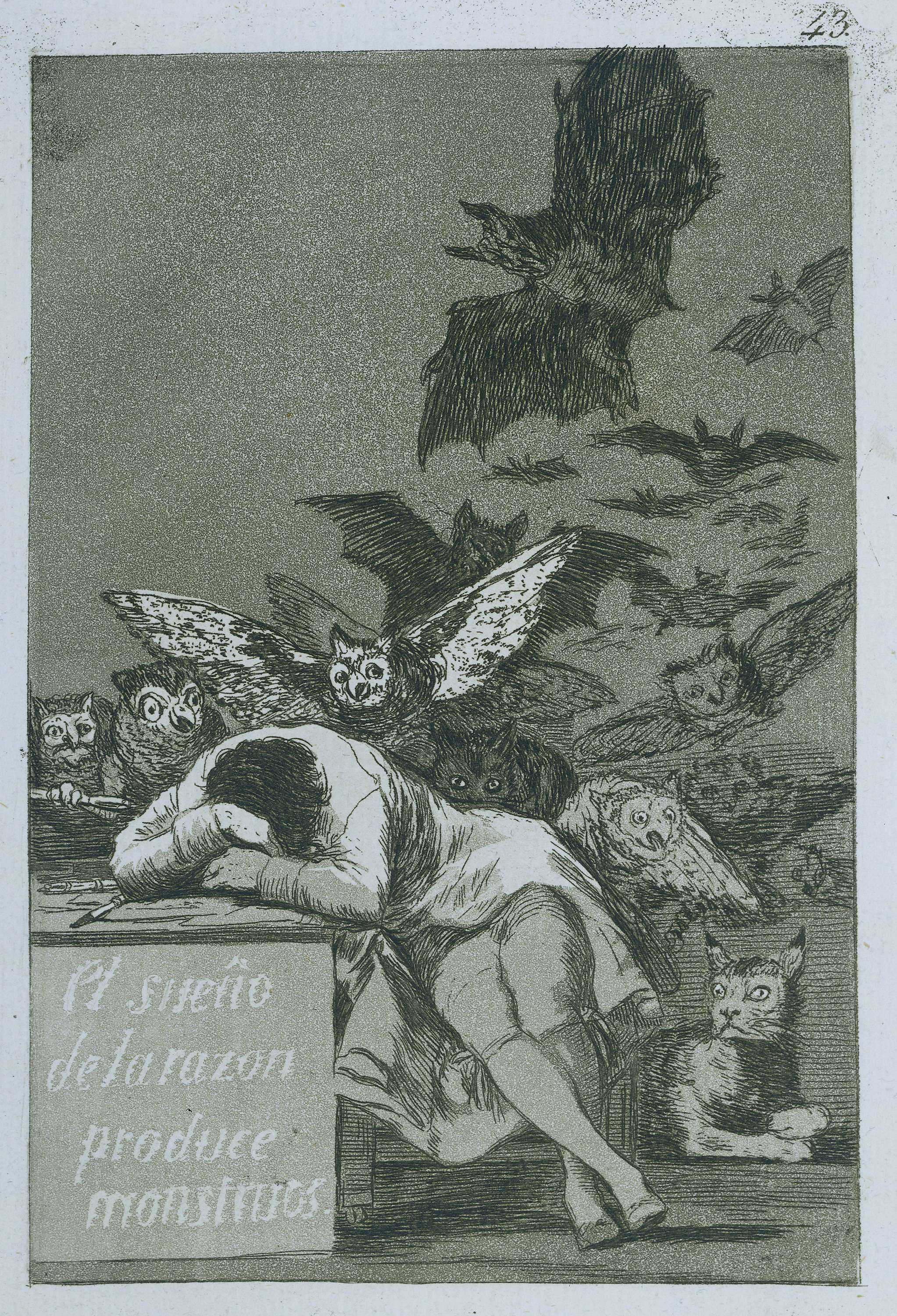
De slaap van de rede brengt monsters voort
Francisco de Goya
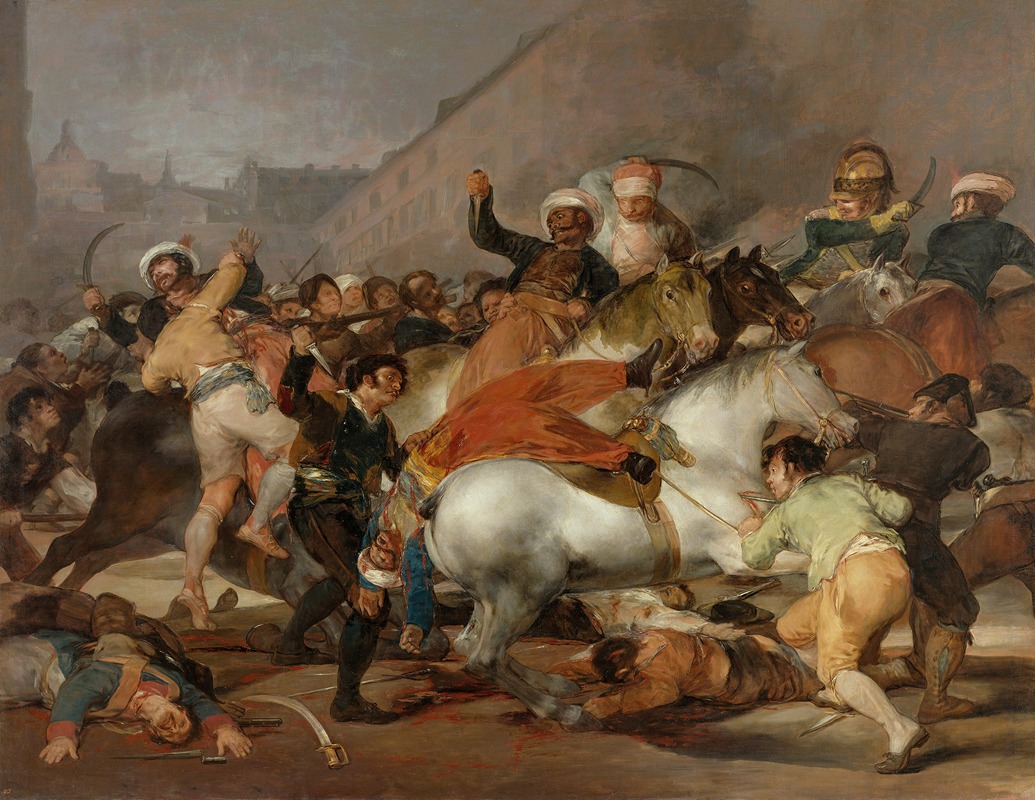
The Charge of the Mamelukes (1814)
Francisco de Goya