
The Waterfalls at Tivoli — History & Facts
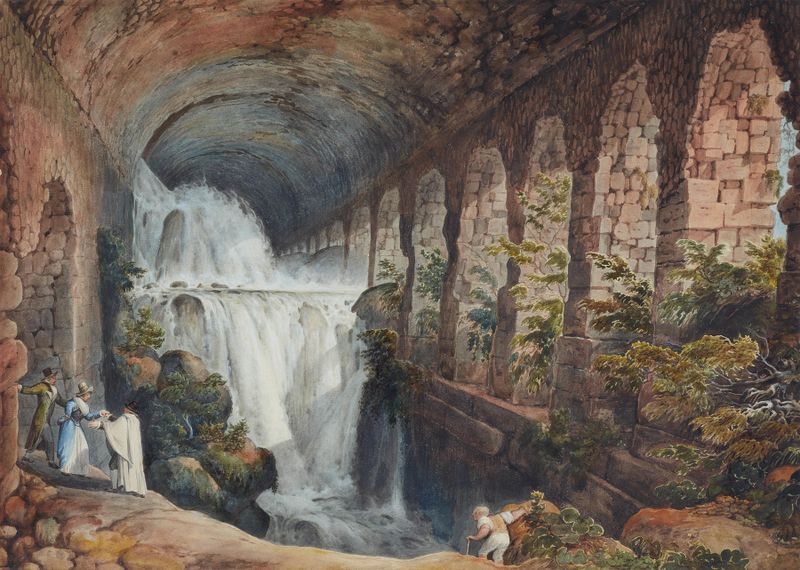
In a world swirling with transience, art captures the essence of the void, a stillness amidst the chaos. Look to the luminous cascade in The Waterfalls at Tivoli, where shimmering water spills over rocky cliffs, inviting your gaze to dance along its flow. The colors—vibrant greens and deep blues—contrast with the warm earth tones of the rocks, creating a striking composition that draws you into nature's embrace. Notice the careful brushwork that defines the foamy edges of the water, revealing the artist's meticulous attention to detail, while light pours through the trees, casting dappled shadows onto the scene. Yet, beyond the beauty lies a deeper tension, a juxtaposition between the relentless force of the waterfall and the quiet serenity of the landscape.
The void, represented by the empty spaces in the foreground, evokes a sense of contemplation, a reminder that nature exists in equilibrium with its own transience. The gentle movement of the water suggests both life and the passage of time, while the stillness of the surrounding rocks hints at a permanence that contrasts with the ephemerality of the waterfall’s flow. Abraham-Louis-Rodolphe Ducros painted this work around 1790, during a time of significant change in Europe. As the winds of revolution swept through France, the artist found solace in the beauty of landscapes, capturing scenes that evoked both nostalgia and awe.
Working in Italy, he embraced the picturesque ideals emerging in art, reflecting a yearning for harmony with nature amidst the upheaval of the world around him.
More Artworks by Abraham-Louis-Rodolphe Ducros
Browse all →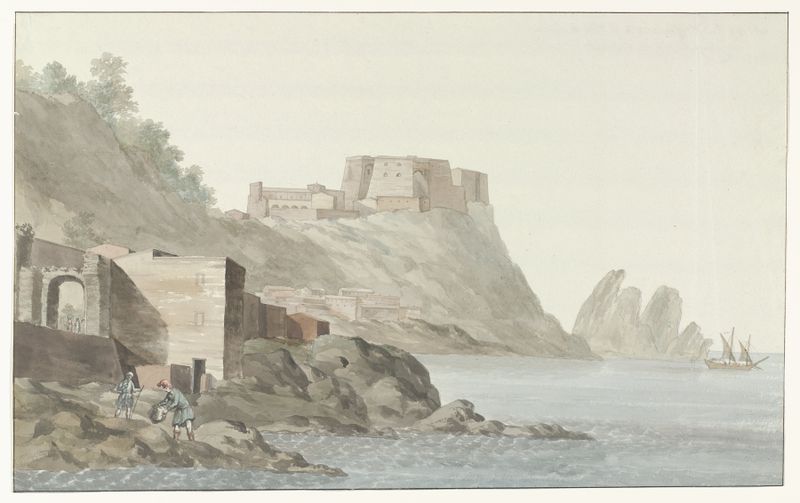
Rots en stad Scilla in de regio Calabrië aan de oostkust
Abraham-Louis-Rodolphe Ducros
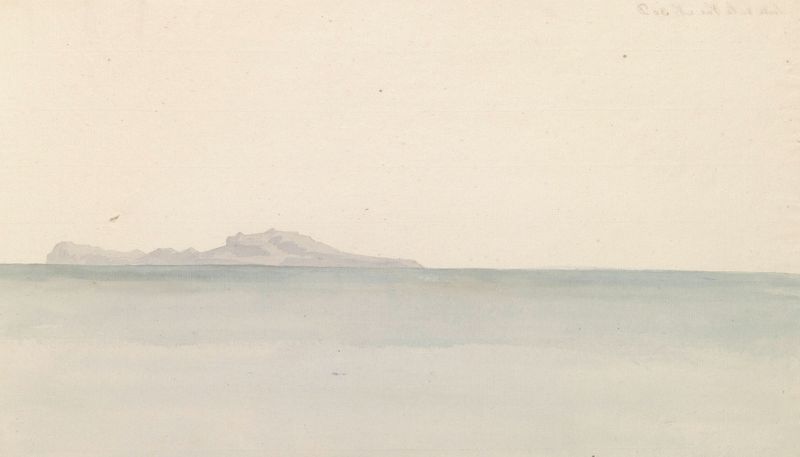
Gezicht op Golf van Napels vanaf kade bij kerk Santa Maria del Carmine
Abraham-Louis-Rodolphe Ducros
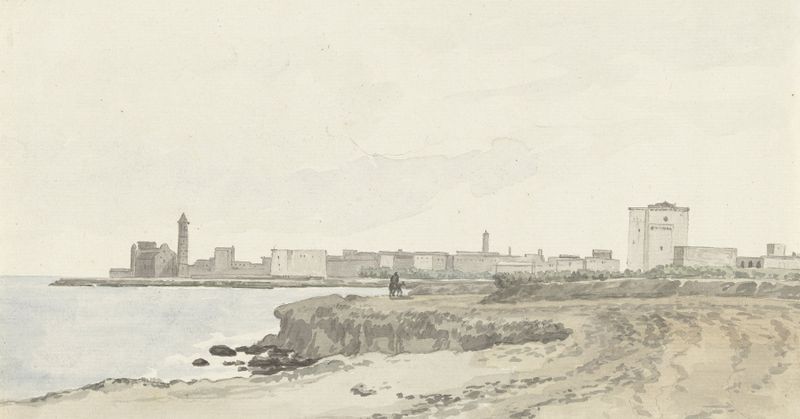
Gezicht op Trani gelegen aan de kust
Abraham-Louis-Rodolphe Ducros
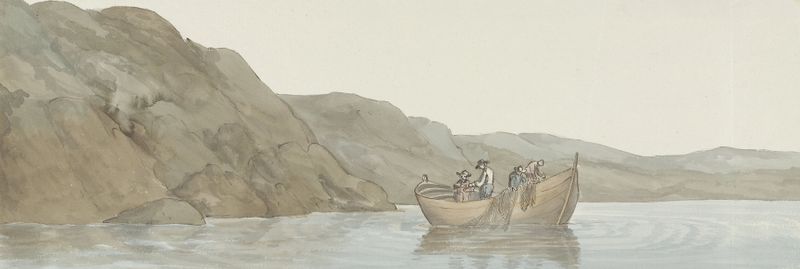
Gezicht op Kaap Paceco in Calabrië nabij de stad Scilla
Abraham-Louis-Rodolphe Ducros
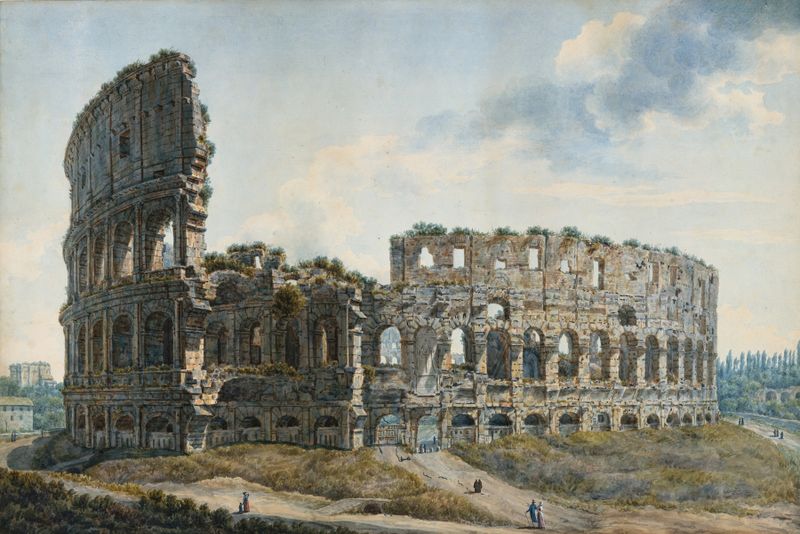
The Colosseum, Rome.
Abraham-Louis-Rodolphe Ducros
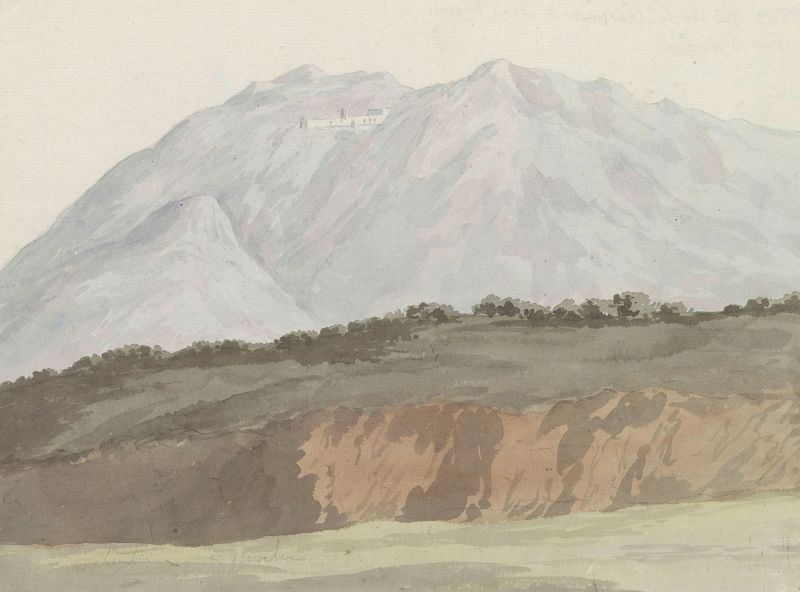
Gezicht op kartuizerklooster van Monte Vergine hoog gelegen boven Avellino
Abraham-Louis-Rodolphe Ducros
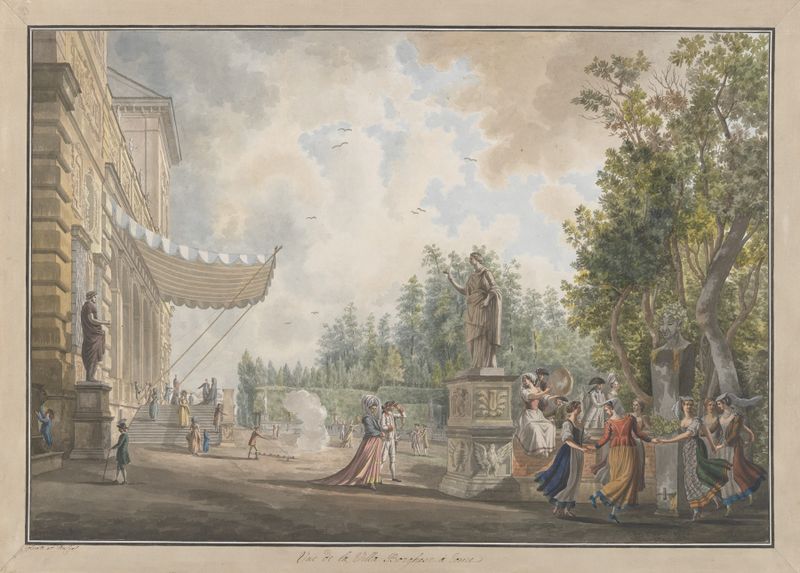
Villa Borghese
Abraham-Louis-Rodolphe Ducros
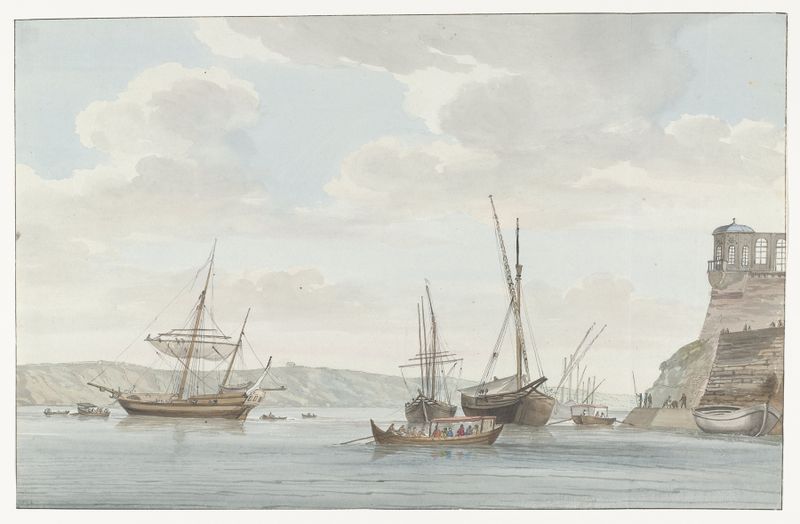
Tuinhuis van de Jardin du Grand Maître uittorend boven de haven met galei schepen op Malta
Abraham-Louis-Rodolphe Ducros
Aquädukt unter der Villa des Maecenas in Tivoli
Abraham-Louis-Rodolphe Ducros
Gezicht op kasteel van San Mauro la Bruca vanaf zee bij aankomst
Abraham-Louis-Rodolphe Ducros





