
The White Wampum — History & Facts
What first catches the eye in The White Wampum is the bold silhouette of a woman, her profile outlined against a luminous moon, framed by jagged foliage that seems to both shield and reveal her. The palette is a blaze of oranges and reds, a sunset or perhaps firelight, with the deep brown and black of the central figure standing in sharp contrast. Every line and angle in the print pulls the gaze toward her face, which is turned upward in a gesture that suggests longing, pride, or invocation.
The stylized lettering above and below, with its uneven, hand-drawn quality, gives the poster an immediacy and energy that matches the intensity of the scene. This is not a passive portrait, but an invitation to enter a story—one that promises drama and identity at its core. Created as a color lithograph in 1895, this poster belongs to a world in which books and performances were advertised with striking visual flair, and where the Art Nouveau movement was reshaping the language of graphic design. The subject, E.
Pauline Johnson, was a celebrated poet and performer of Mohawk and English heritage, and her name—along with her Mohawk name, Tekahionwake—anchors the work in the era’s fascination with both modernity and the so-called “exotic.” Such posters were commissioned by publishers to catch the attention of urban audiences hungry for new voices and stories, and the Library of Congress now preserves this example as a record of that vibrant commercial and artistic moment. Look again at the interplay of shadow and light, and consider how the image both markets and mythologizes its subject, promising readers a glimpse into another world.
More Artworks by Ethel Reed
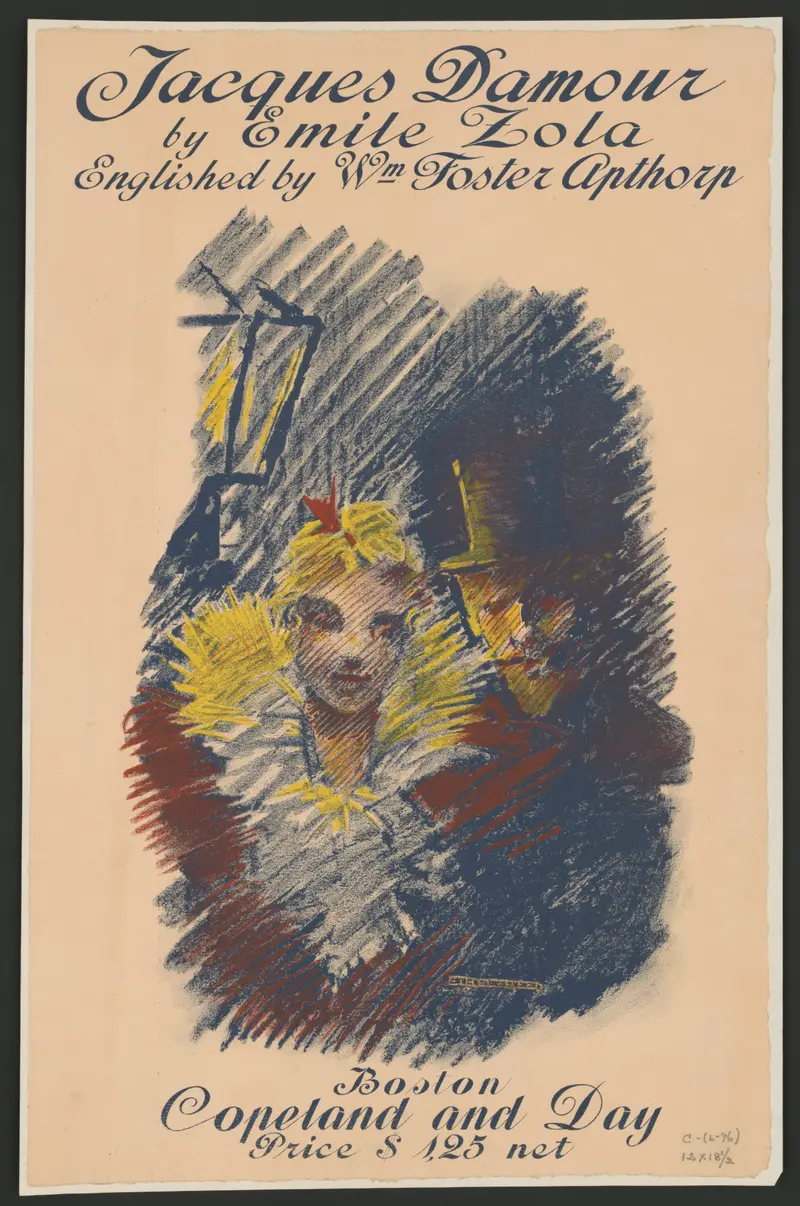
Jacques Damour
Ethel Reed
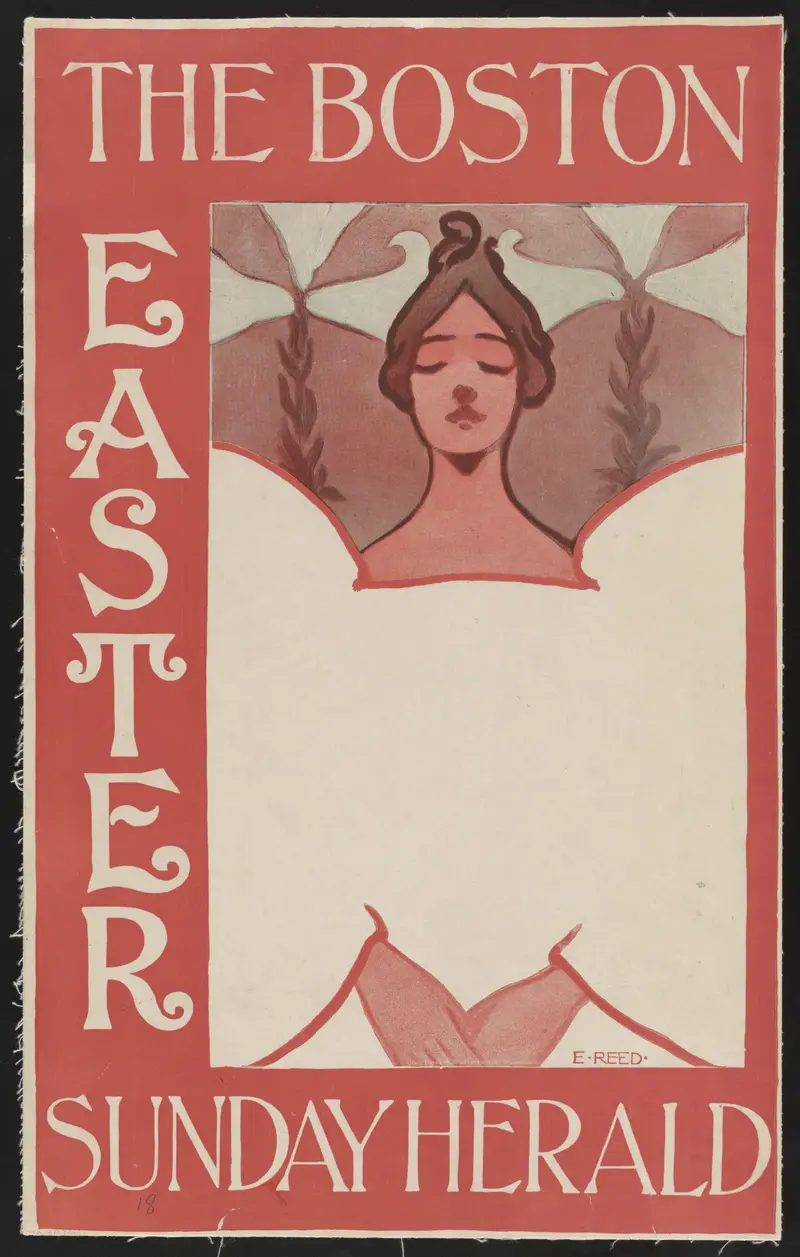
The Boston Sunday Herald: Easter
Ethel Reed
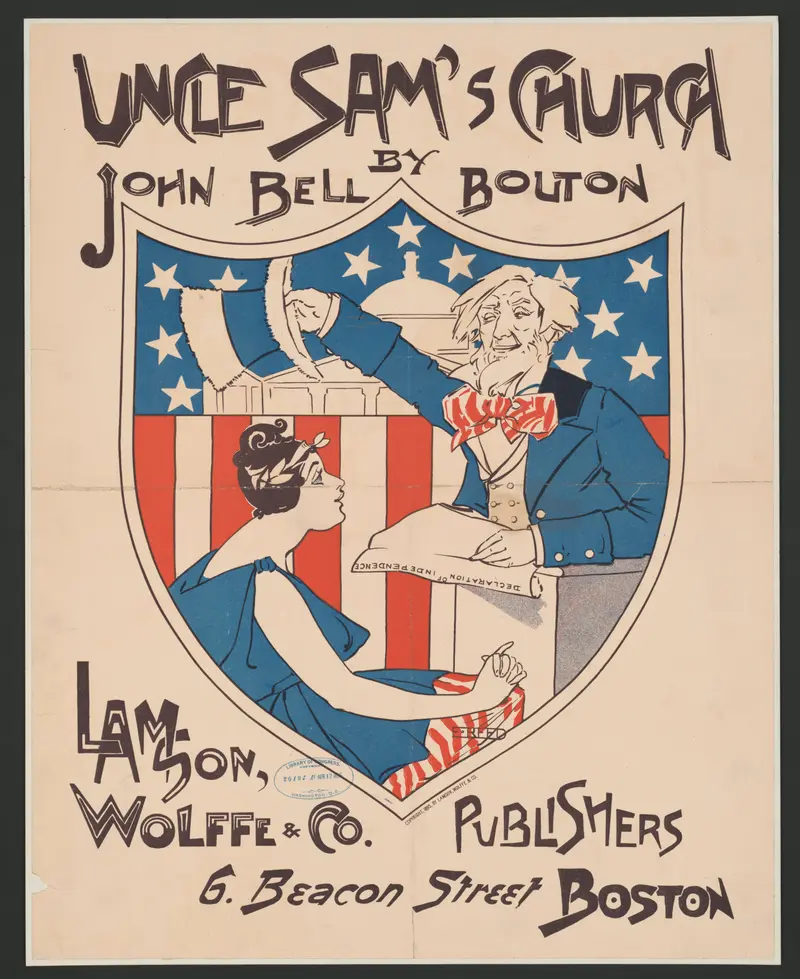
Uncle Sam's Church
Ethel Reed
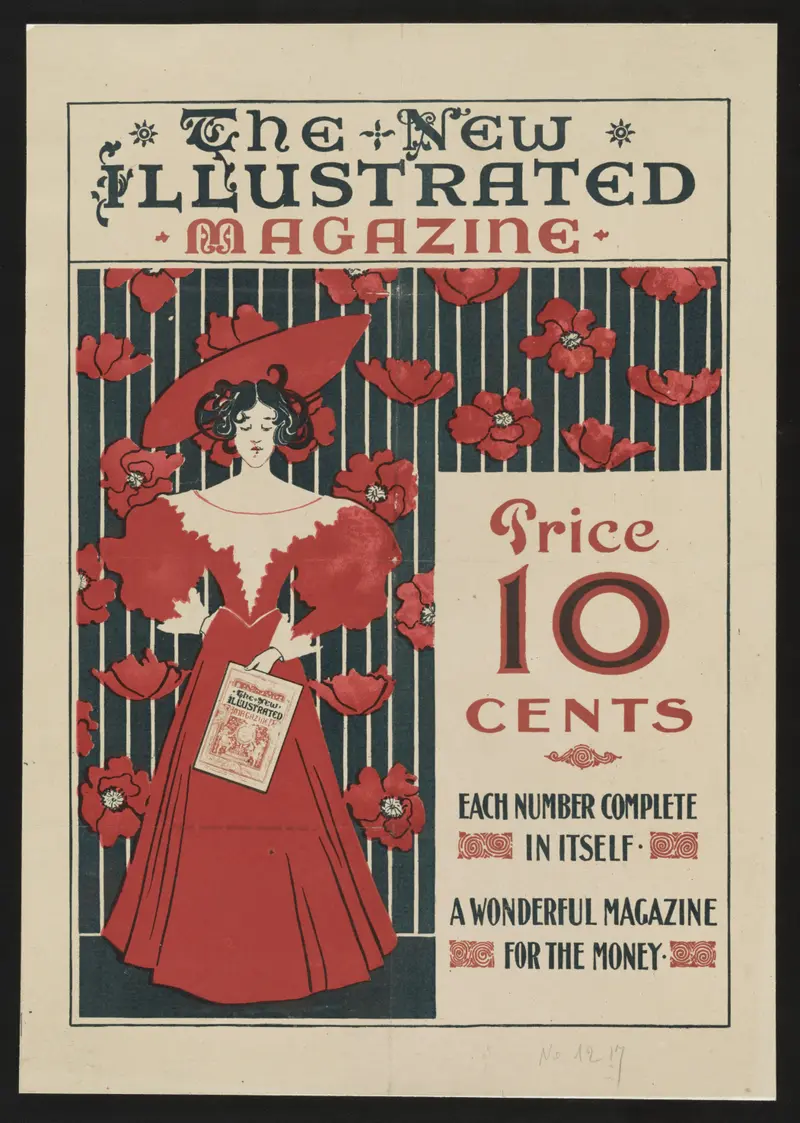
The New Illustrated Magazine
Ethel Reed
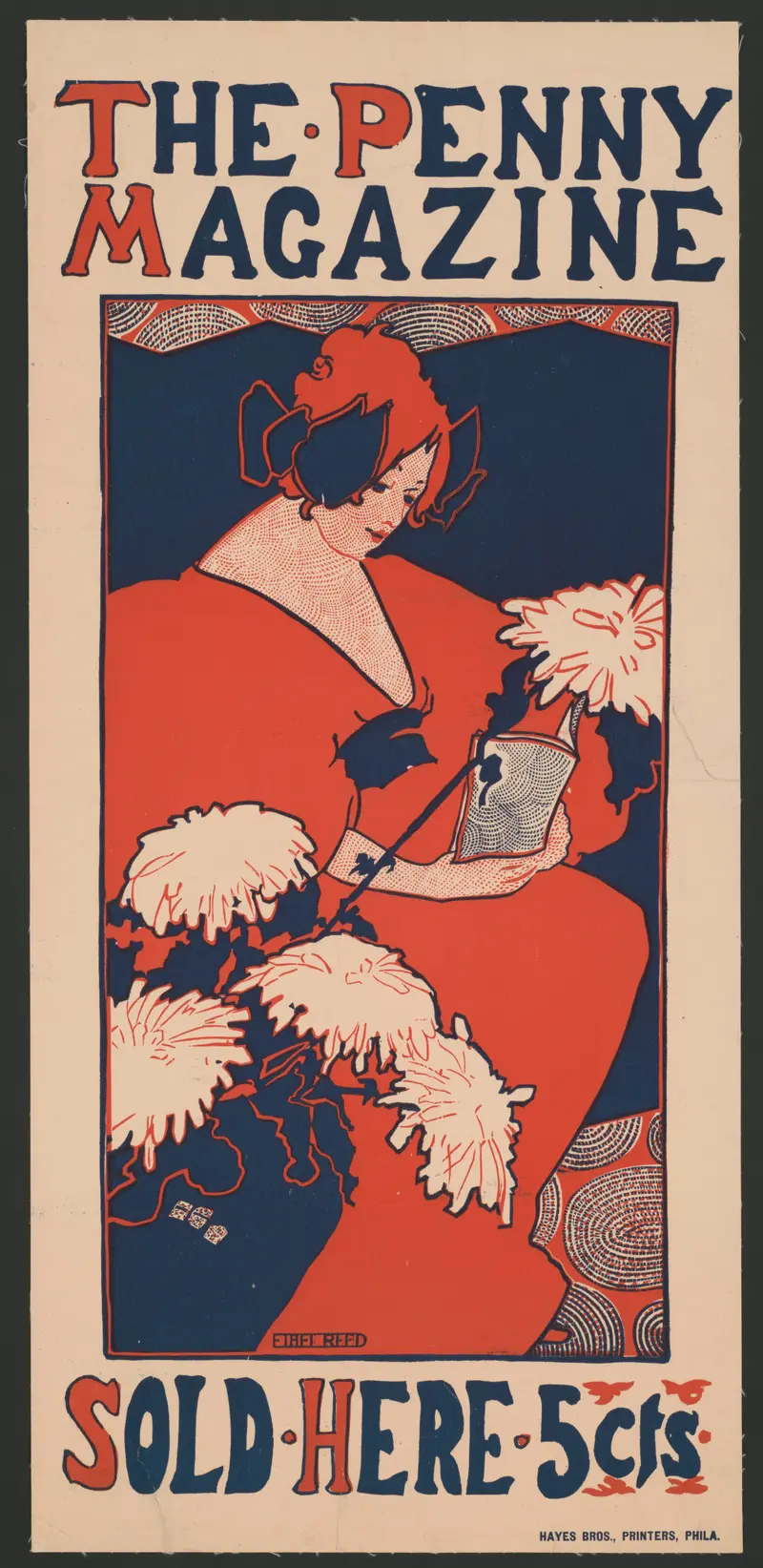
The Penny Magazine
Ethel Reed
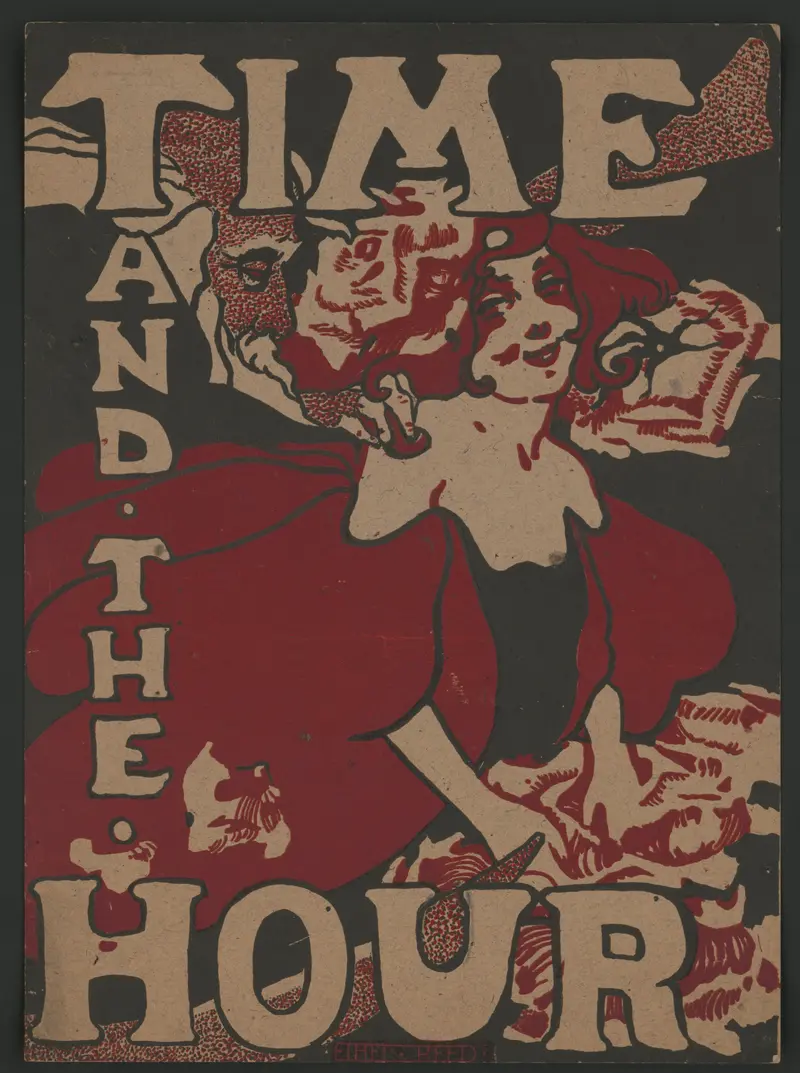
Time and the Hour
Ethel Reed
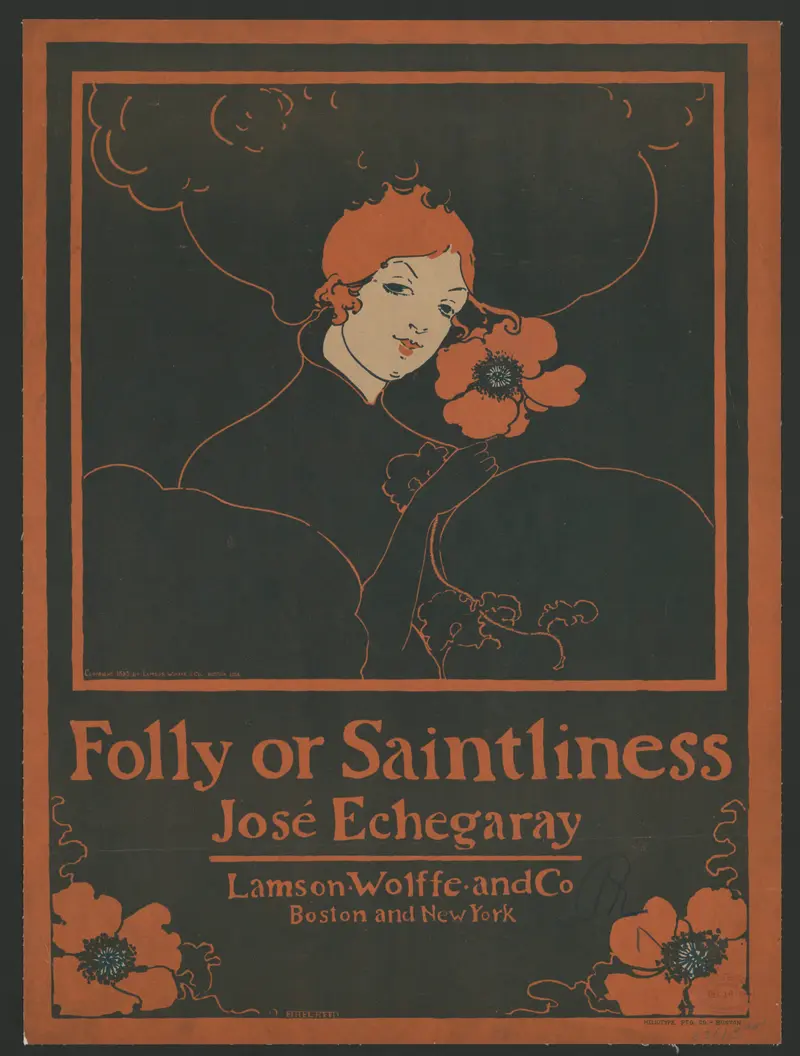
Folly or Saintliness
Ethel Reed
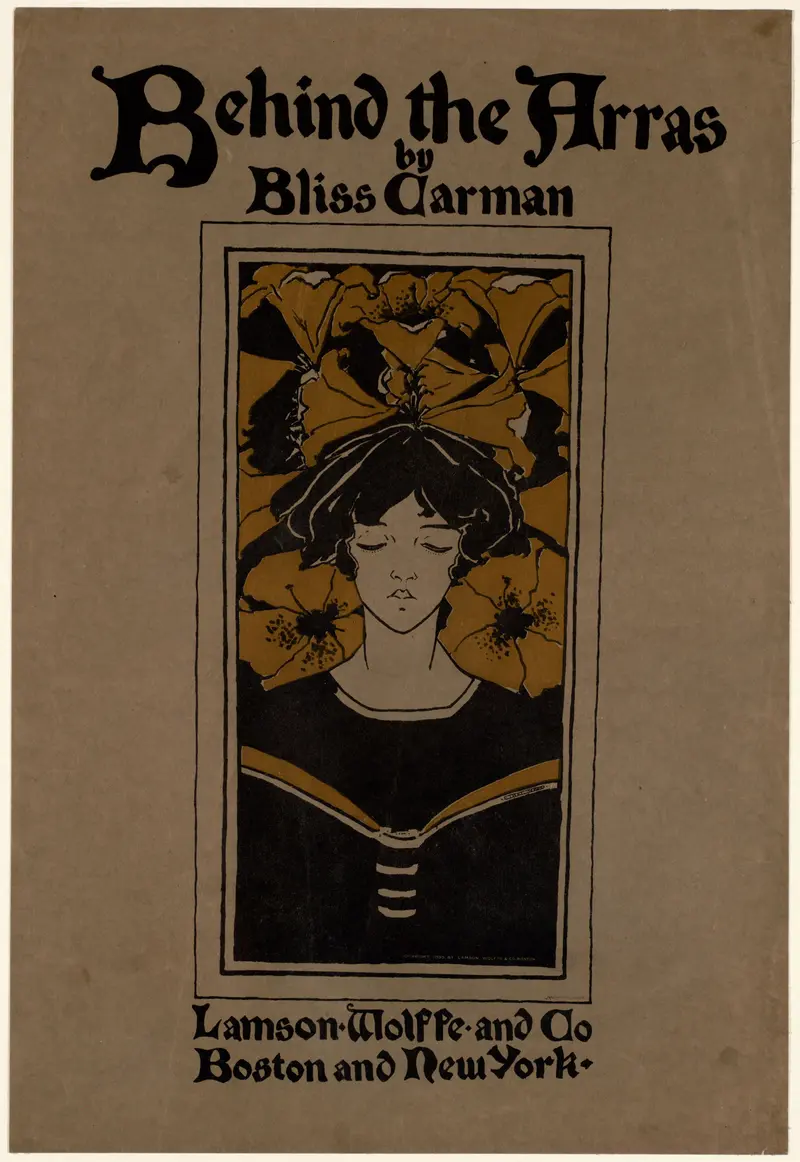
Behind the Arras
Ethel Reed
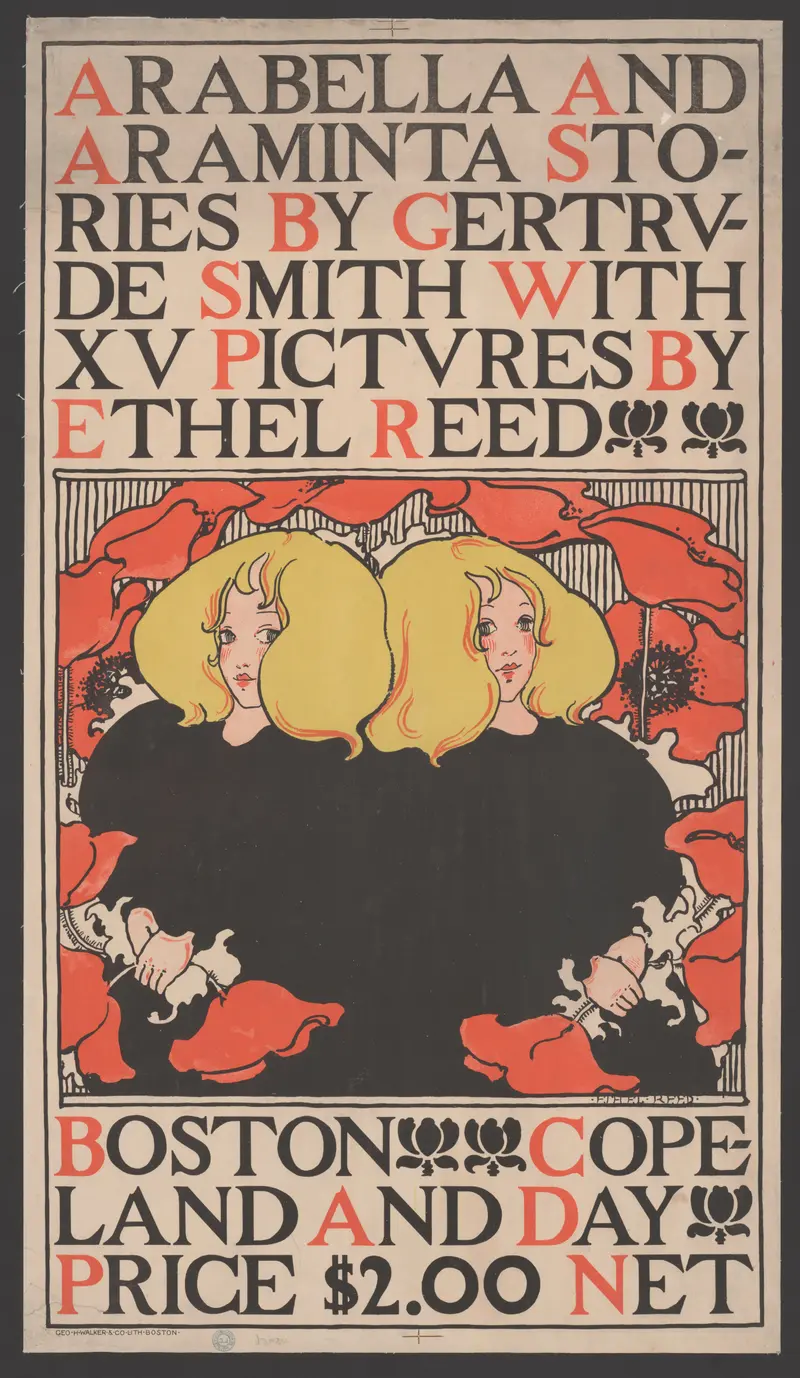
Arabella and Araminta Stories
Ethel Reed
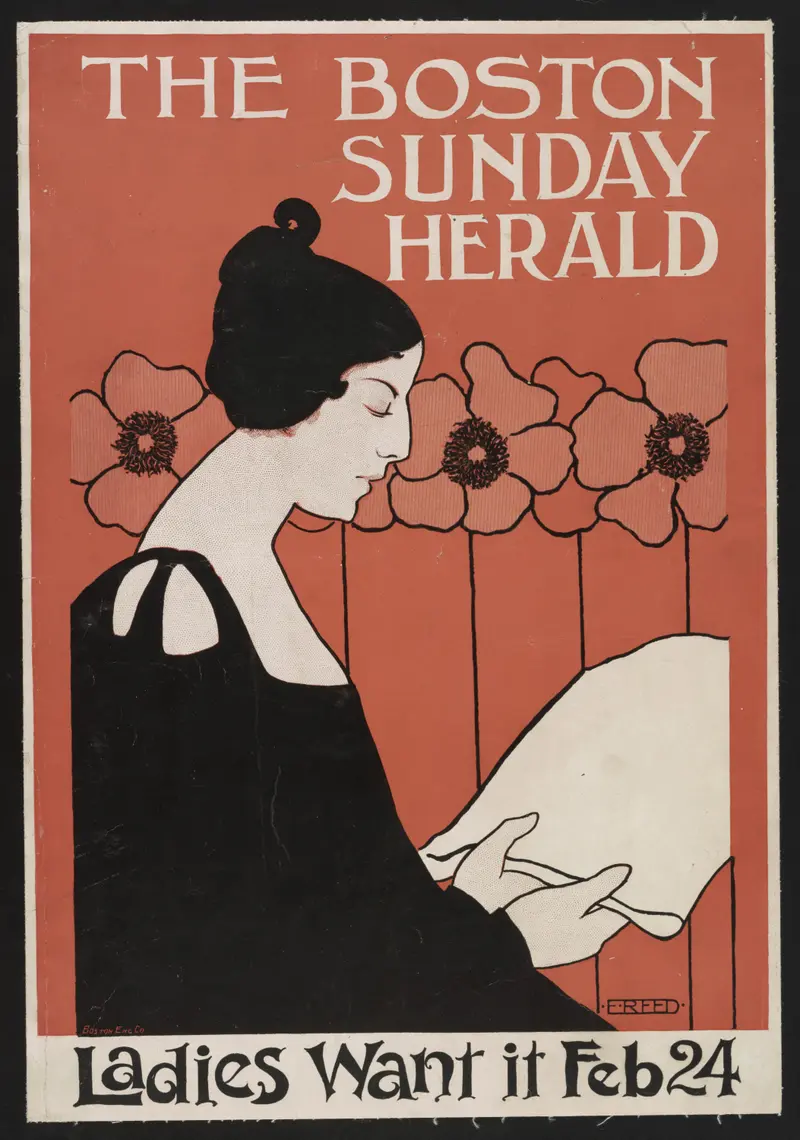
The Boston Sunday Herald: Ladies Want It
Ethel Reed





