
Arabella and Araminta Stories — History & Facts
What first seizes the viewer in Arabella and Araminta Stories is the hypnotic symmetry of the two girls, their pale faces framed by a riot of golden hair and a sea of scarlet poppies. The artist, Ethel Reed, draws the eye to the center, where the twin-like figures—each with a faintly different expression—seem at once united and distinct, as if caught in a moment of mirrored thought. The bold, flat colors and sharp outlines are not merely decorative: the poppies, curling and oversized, both shelter and isolate the girls, while the heavy black of their dresses anchors the composition and throws their faces into sharper relief.
The interplay of red and black, the stylized floral motifs, and the almost theatrical framing all speak to a world of artifice and storybook drama, inviting the viewer to imagine the tales that might unfold behind those wide, watchful eyes. Created in 1895, this poster belongs to a moment when the art of the book and the art of the street collided in the form of the illustrated poster. The 1890s saw a surge of interest in visually striking advertising, with publishers commissioning artists to create works that would stand out in crowded urban spaces and on bookshop walls. Ethel Reed was among the few women to gain recognition in this competitive field, her style marked by the influence of the English Aesthetic Movement and the sinuous lines of Art Nouveau.
This print, held today in the Library of Congress, is a rare survivor from an era when such posters were as likely to be torn down as preserved. Its boldness and charm still call out to passersby—now museum visitors—inviting them to linger and imagine the stories within.
More Artworks by Ethel Reed
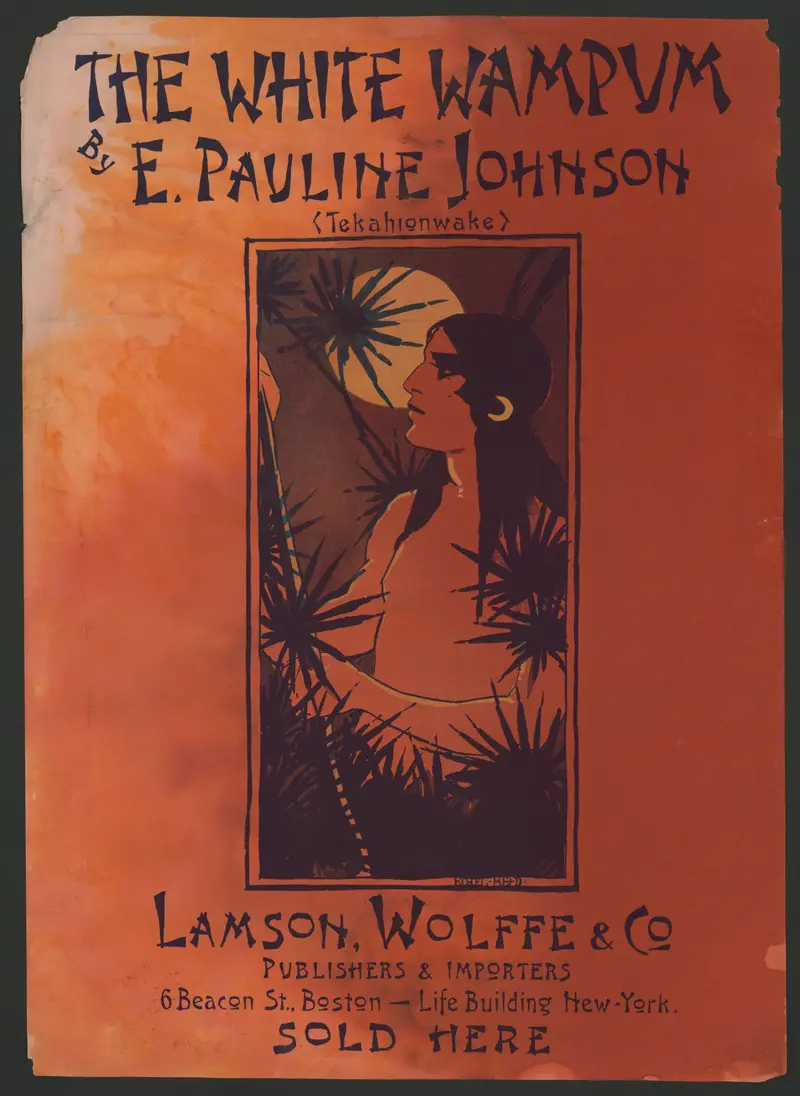
The White Wampum
Ethel Reed
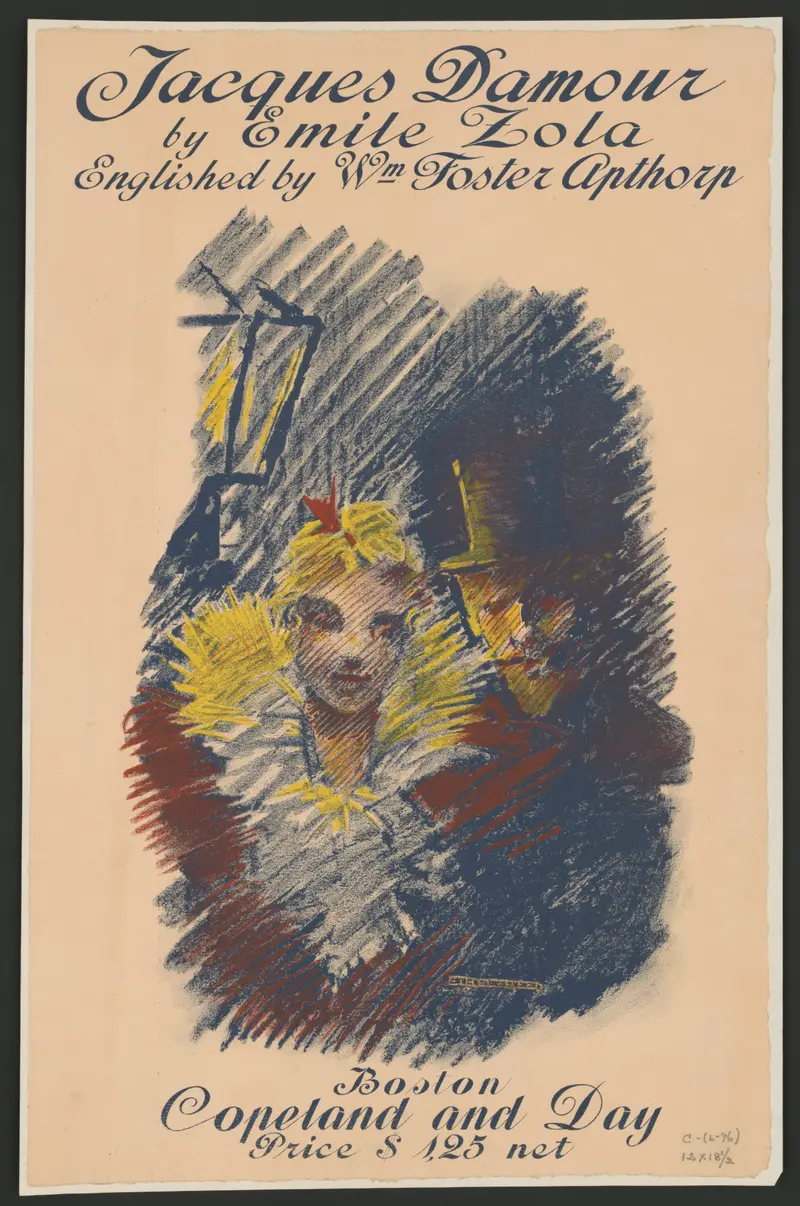
Jacques Damour
Ethel Reed
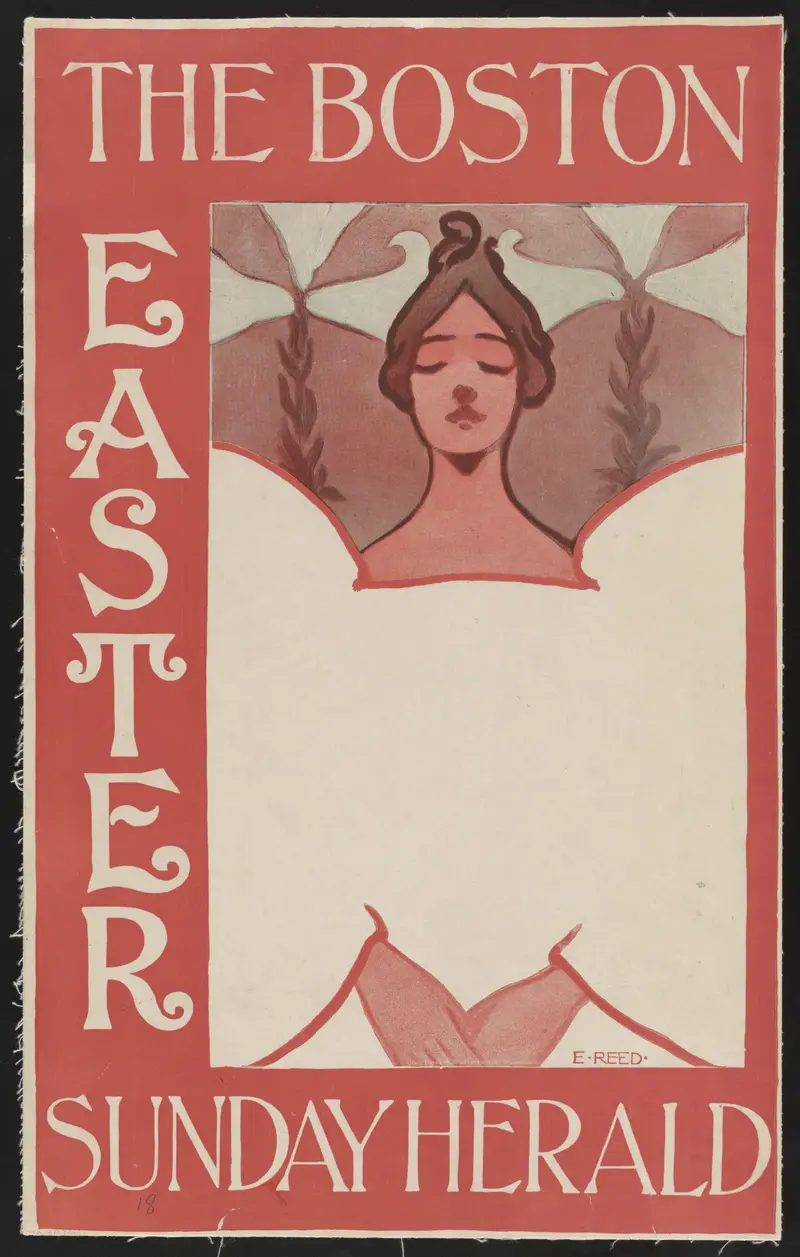
The Boston Sunday Herald: Easter
Ethel Reed
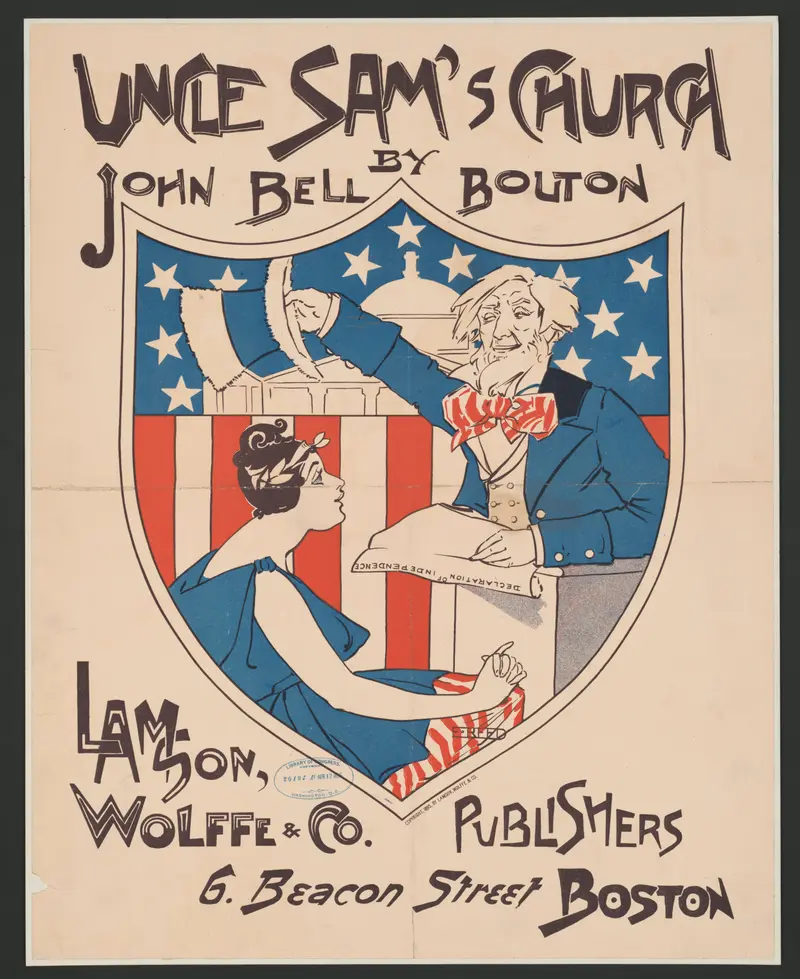
Uncle Sam's Church
Ethel Reed
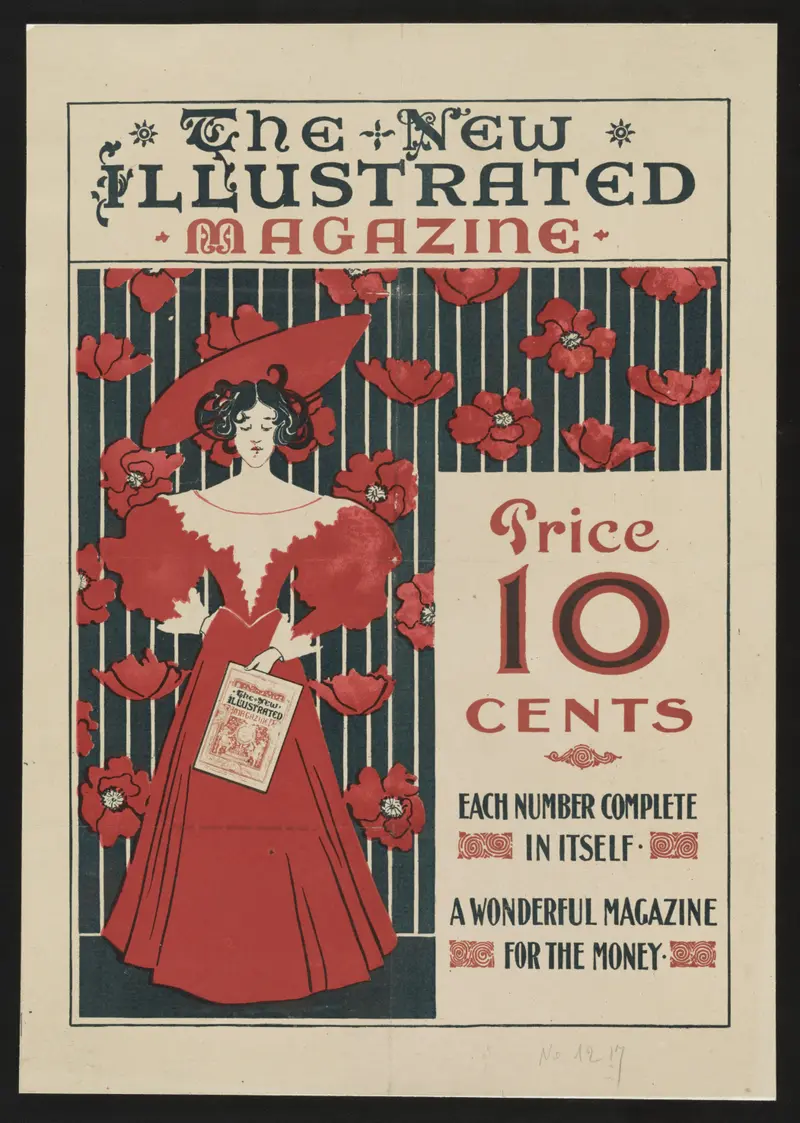
The New Illustrated Magazine
Ethel Reed
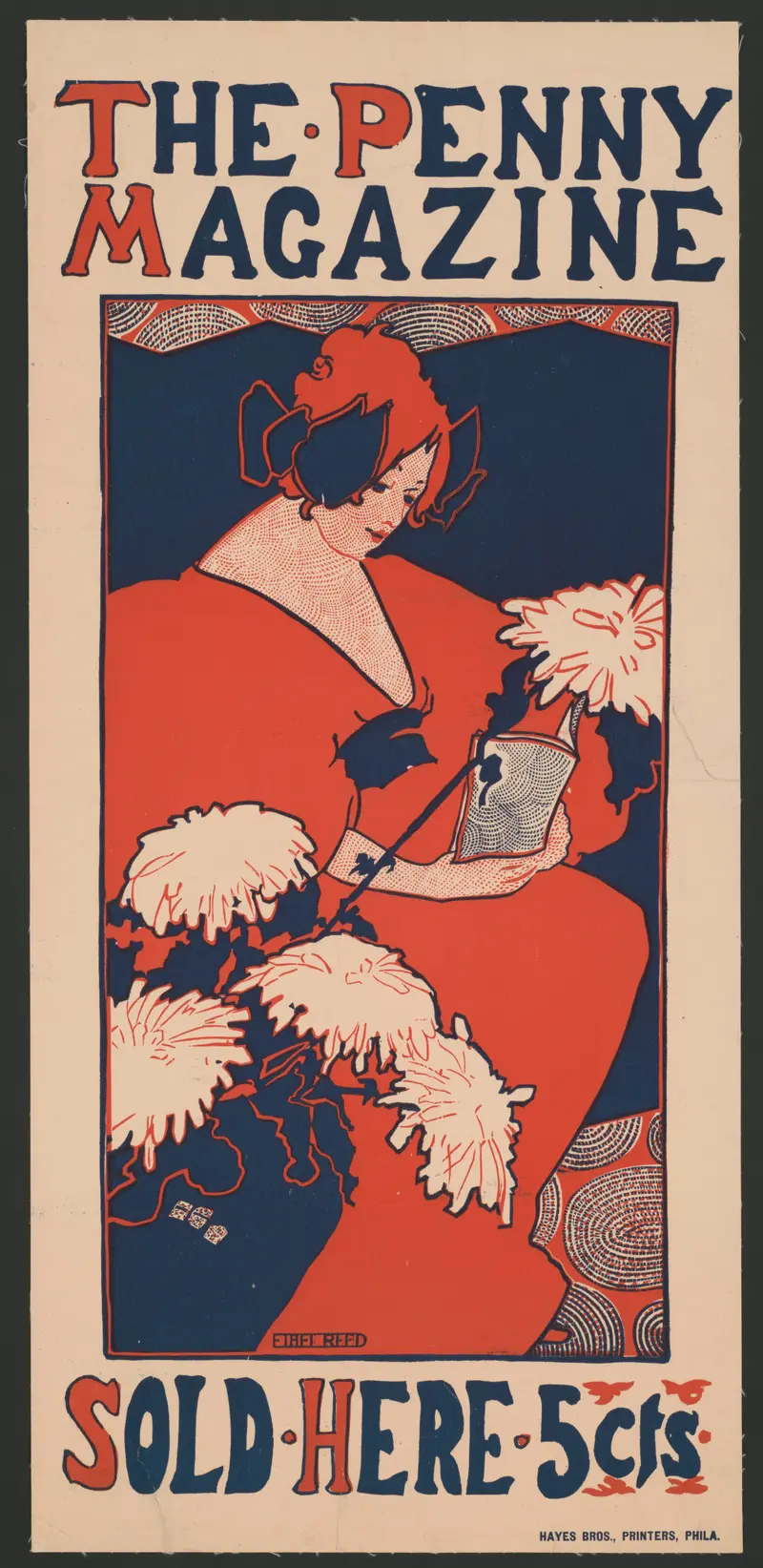
The Penny Magazine
Ethel Reed
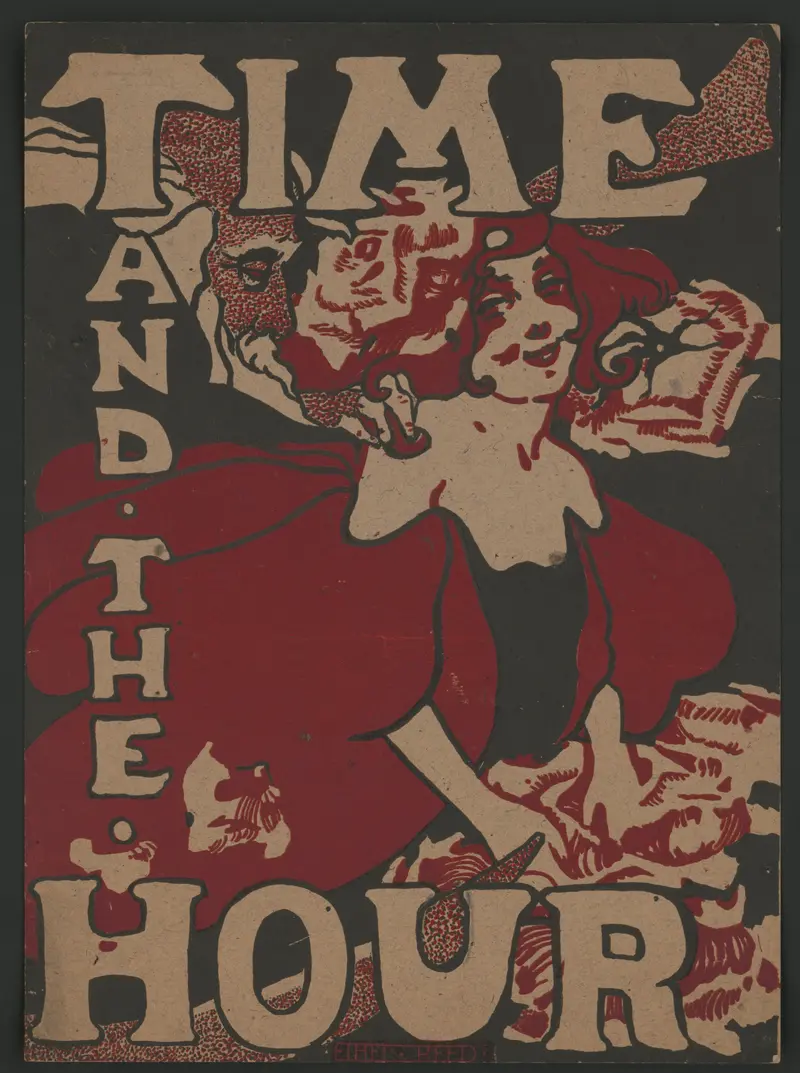
Time and the Hour
Ethel Reed
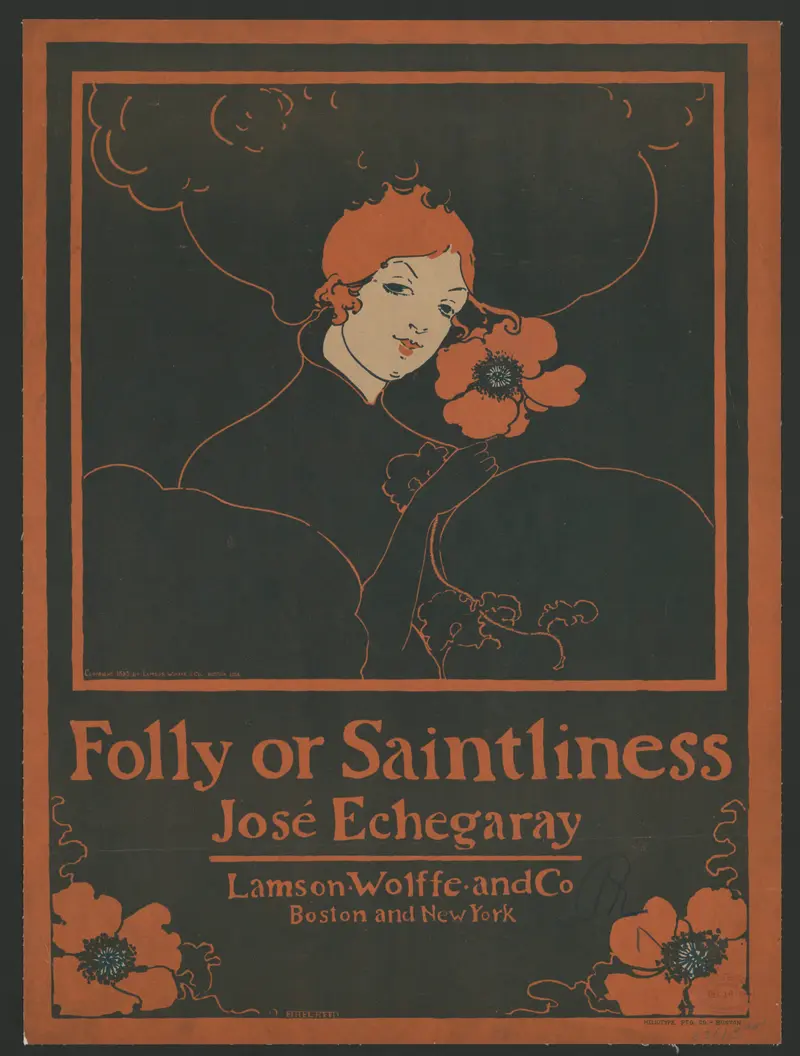
Folly or Saintliness
Ethel Reed
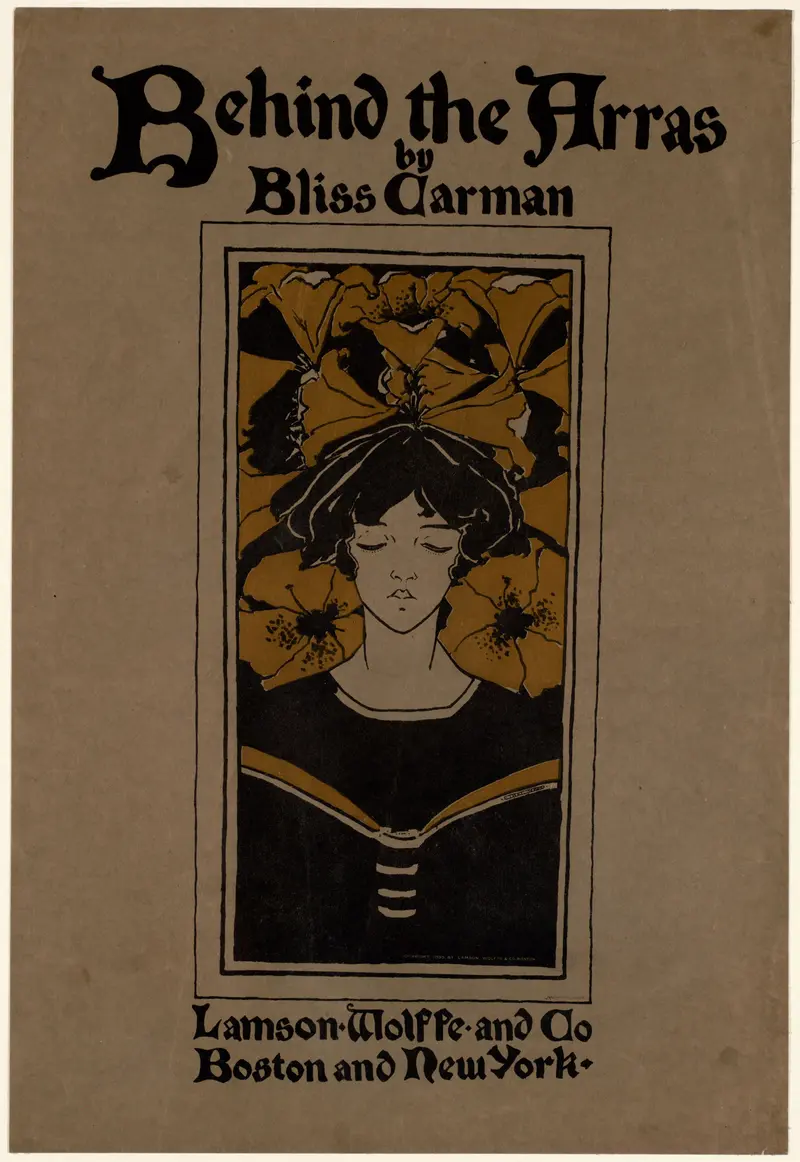
Behind the Arras
Ethel Reed
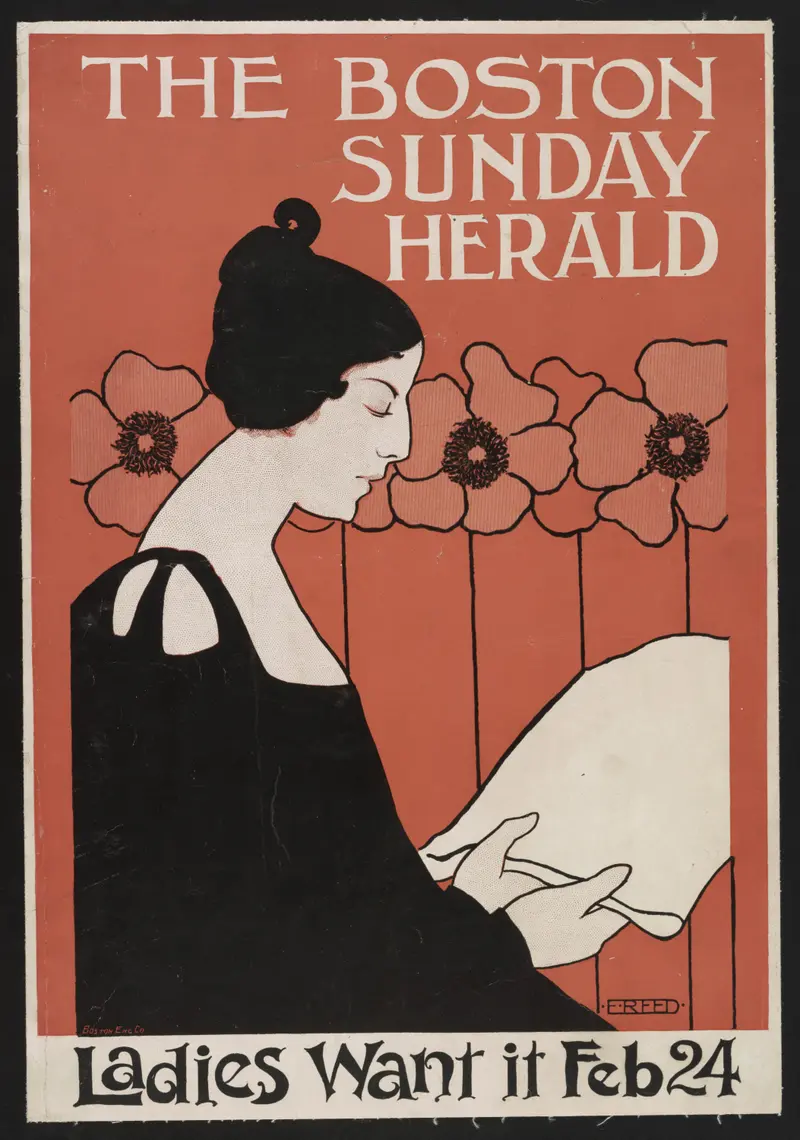
The Boston Sunday Herald: Ladies Want It
Ethel Reed





