
Uncle Sam's Church — History & Facts
The first thing to catch the eye is the bold, shield-like frame: a stage where Uncle Sam, unmistakable in his star-spangled suit and red bowtie, presides with a feathered quill poised over a scroll labeled "Declaration of Independence." Opposite him sits a woman draped in blue, her Grecian profile and laurel suggesting an allegory—perhaps Columbia, the spirit of America—her gaze fixed on Uncle Sam’s gesture. The palette of red, white, and blue is more than patriotic decoration; it sets the tone for a scene of civic ritual, with the stars and stripes forming both backdrop and boundary. The composition pulls the viewer in, the upward sweep of Uncle Sam’s arm leading the eye to the dome in the background, echoing the Capitol, while the woman’s calm posture anchors the drama in dialogue rather than confrontation.
Every element is a signpost—this is not just illustration, but a visual argument about nationhood and publishing. Created in 1895 as a poster for Lamson, Wolffe & Co. in Boston, this work belongs to a moment when American publishers turned to striking visual language to advertise books and ideas. Posters like this, often produced by artists such as Ethel Reed, were both commercial tools and cultural statements, designed to capture the bustling energy and self-conscious identity of the Gilded Age.
The Library of Congress now holds this piece, a rare survivor from an era when such ephemera were meant to be noticed, then discarded. History has kept few traces of these posters’ journeys, but their bold lines and urgent lettering still call out, inviting us to imagine the world of print, politics, and public debate that once buzzed around Boston’s Beacon Street. Look again at the exchange between Uncle Sam and his allegorical counterpart—the conversation is unfinished, the questions still open.
More Artworks by Ethel Reed
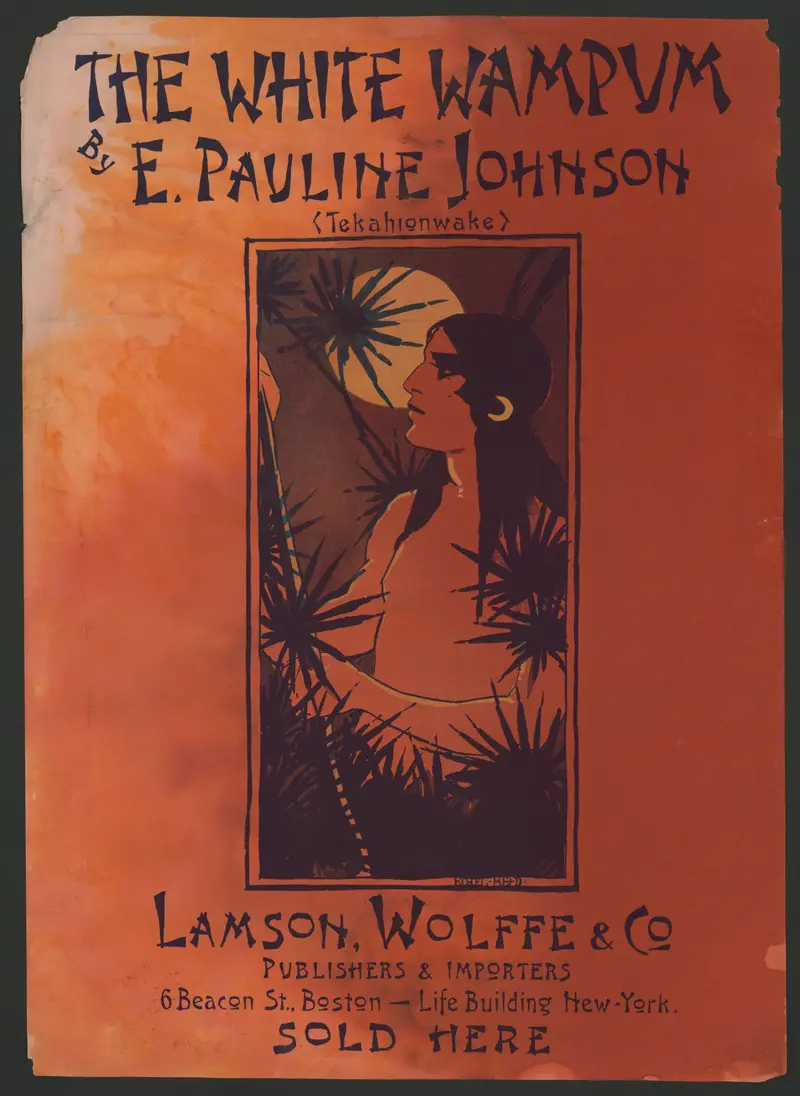
The White Wampum
Ethel Reed
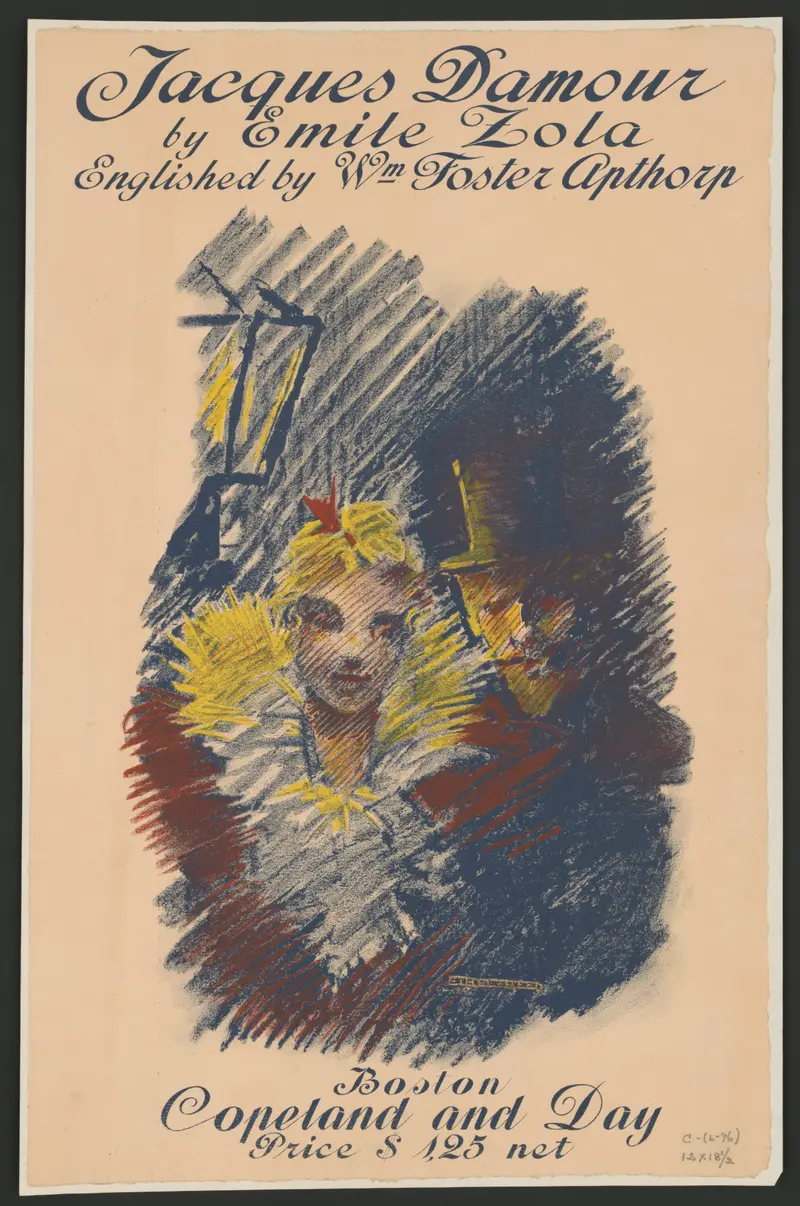
Jacques Damour
Ethel Reed
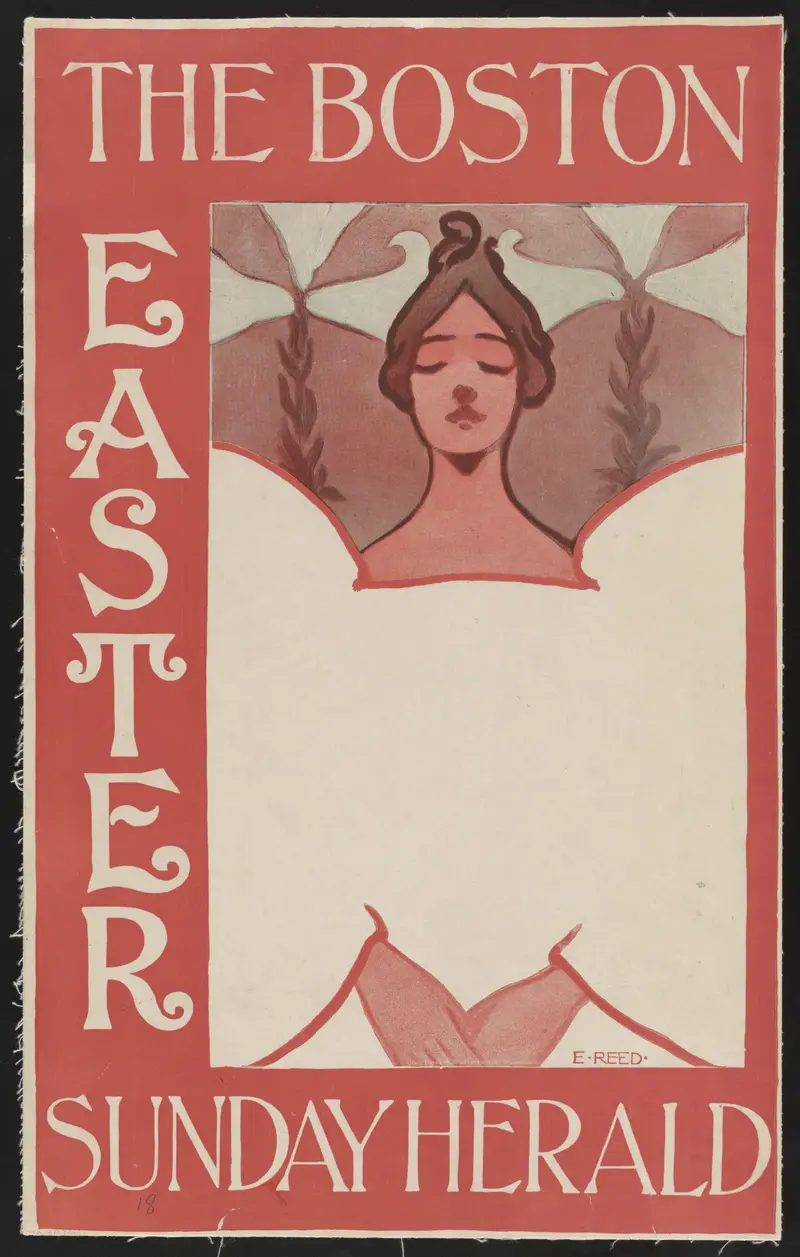
The Boston Sunday Herald: Easter
Ethel Reed
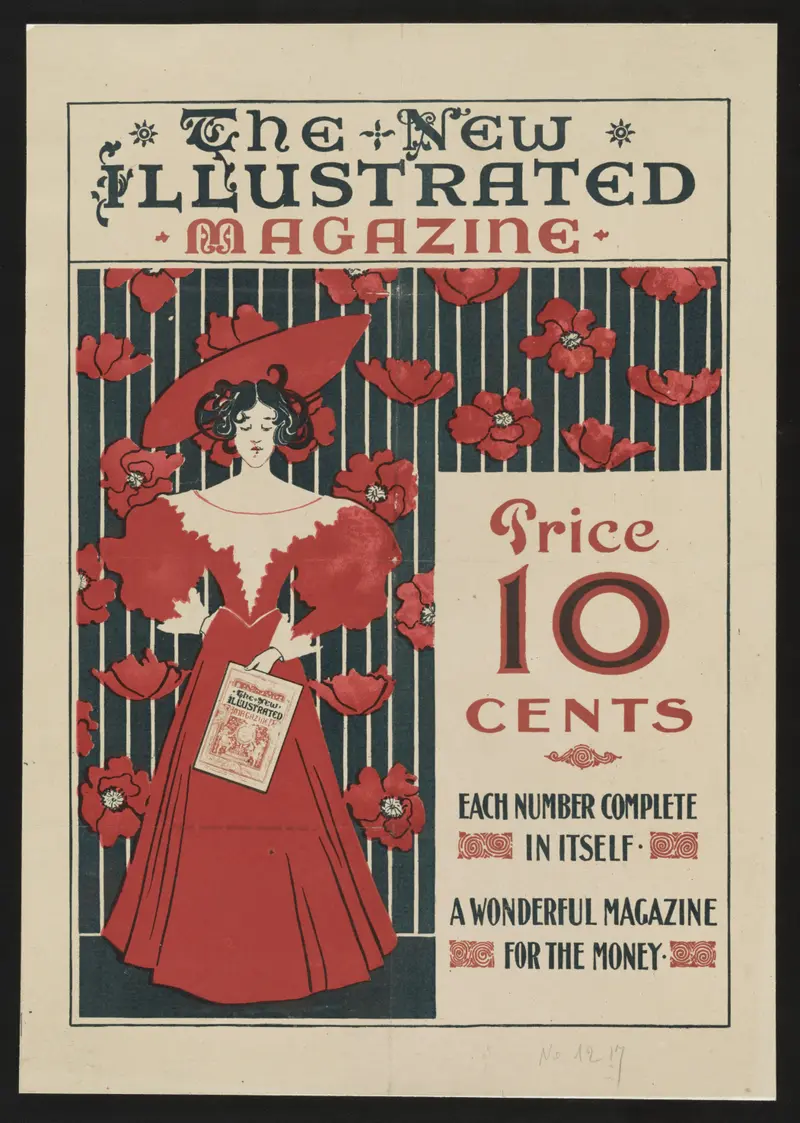
The New Illustrated Magazine
Ethel Reed
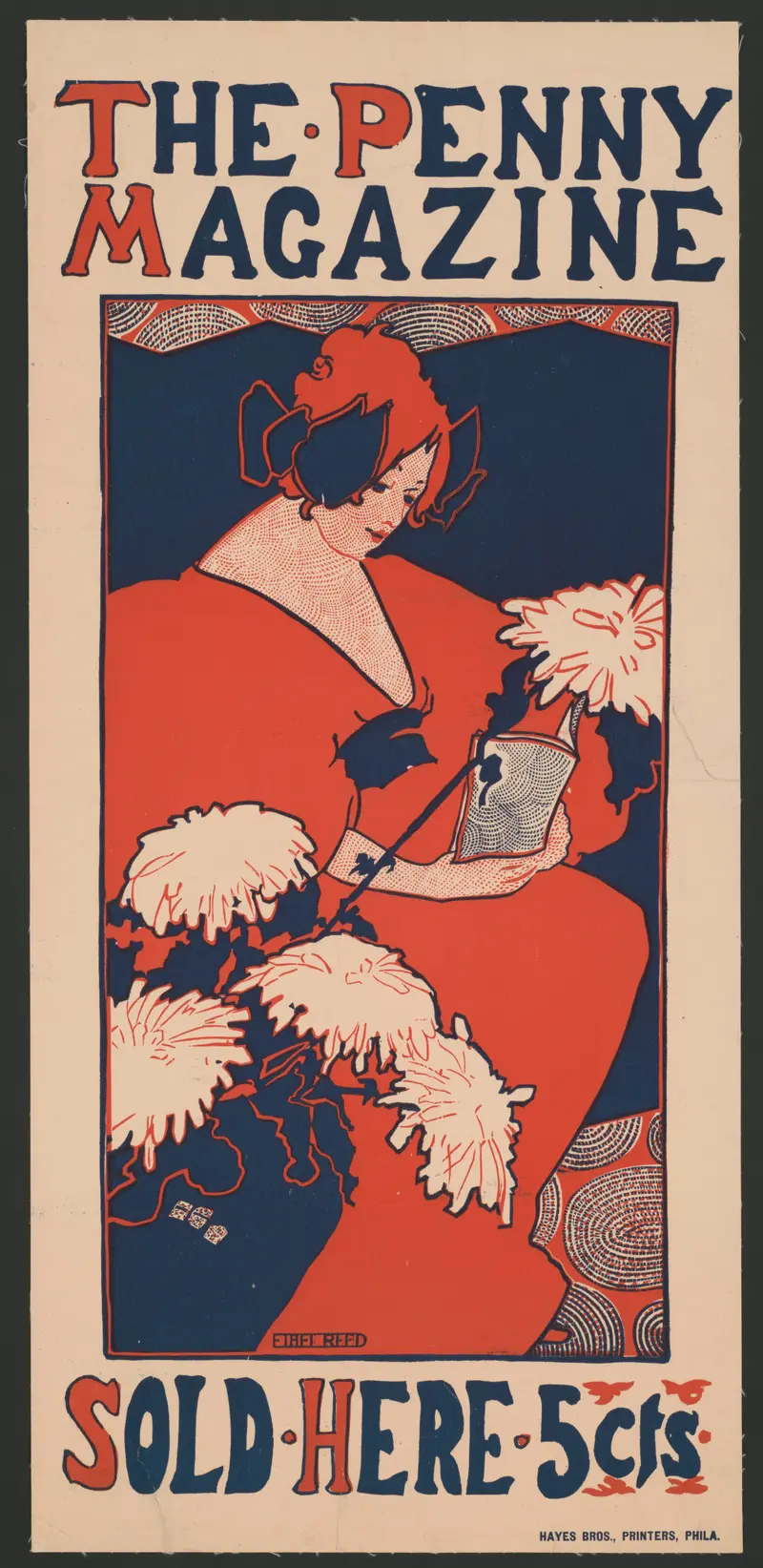
The Penny Magazine
Ethel Reed
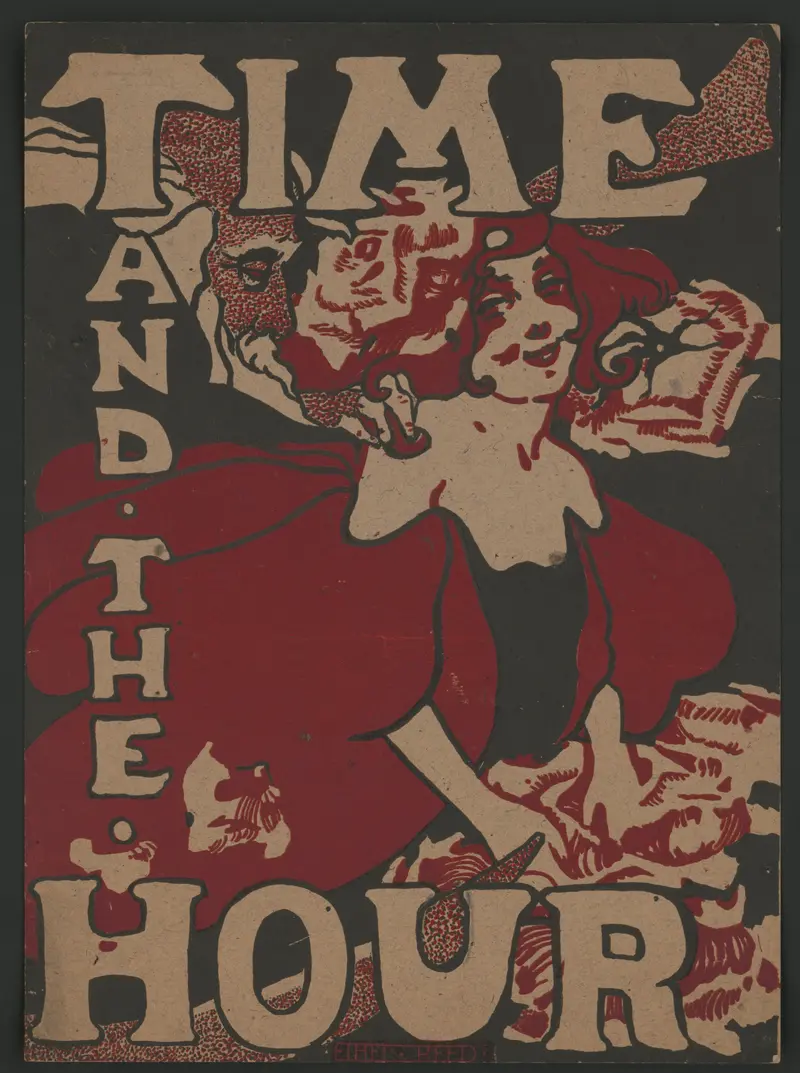
Time and the Hour
Ethel Reed
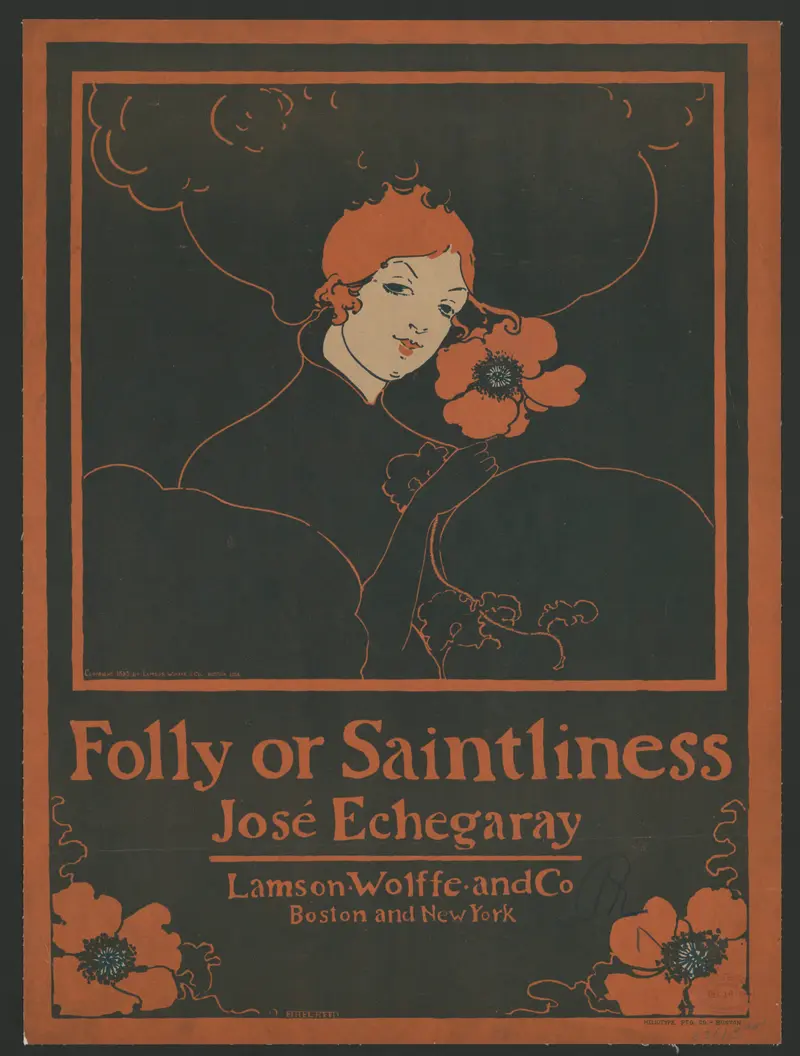
Folly or Saintliness
Ethel Reed
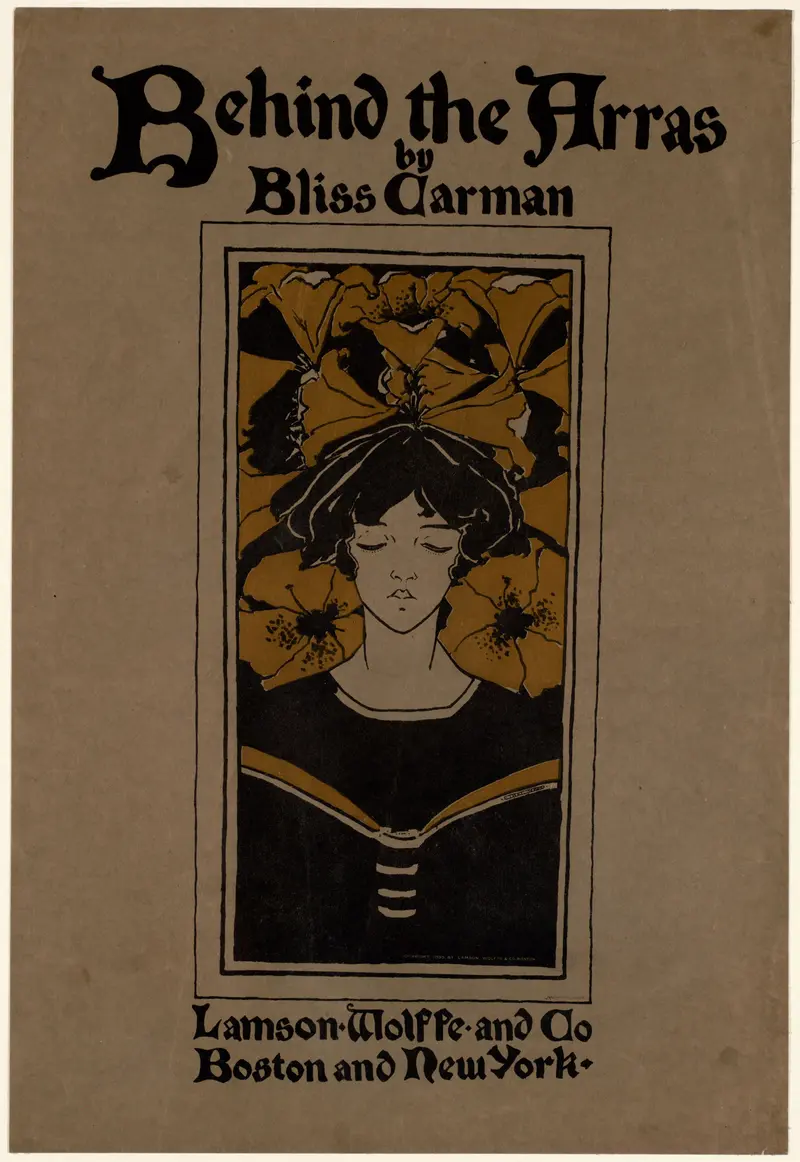
Behind the Arras
Ethel Reed
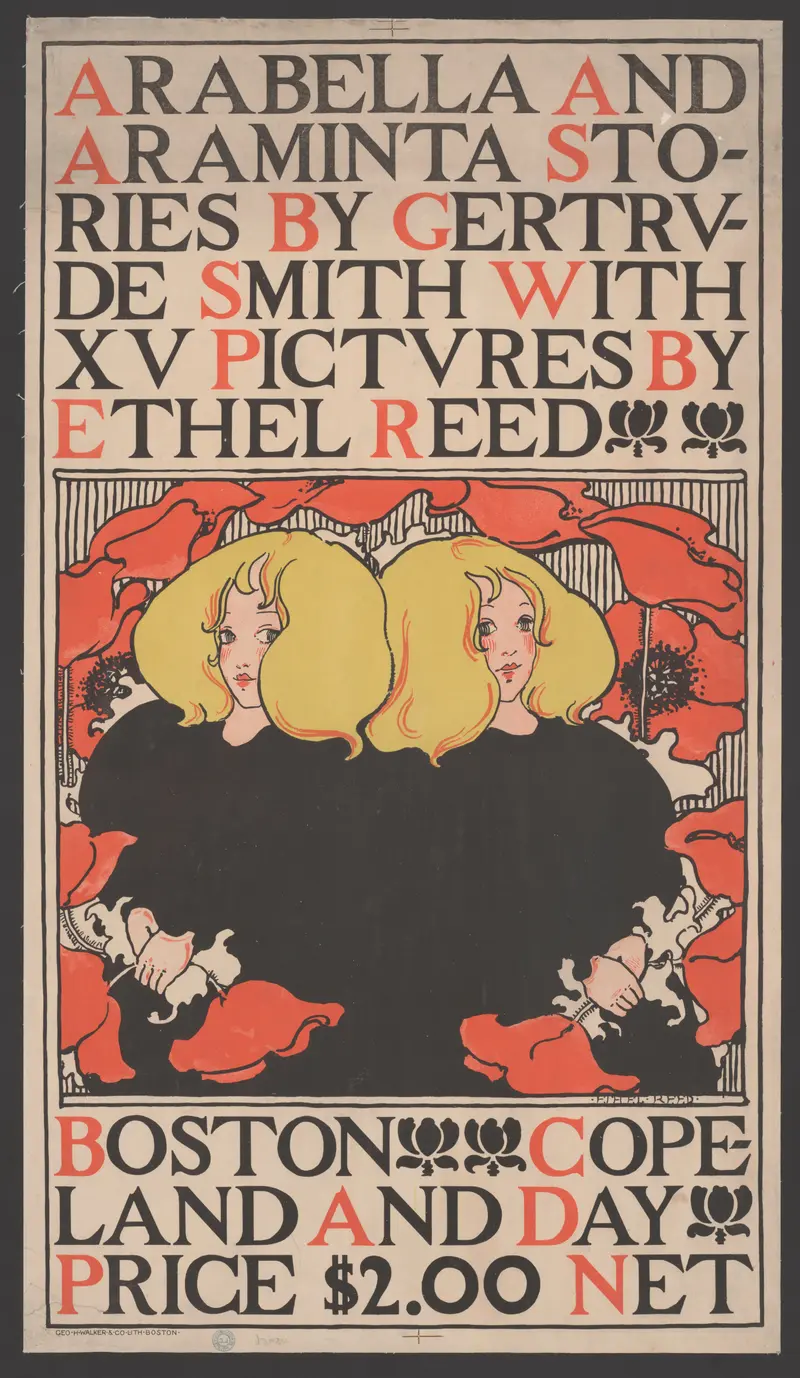
Arabella and Araminta Stories
Ethel Reed
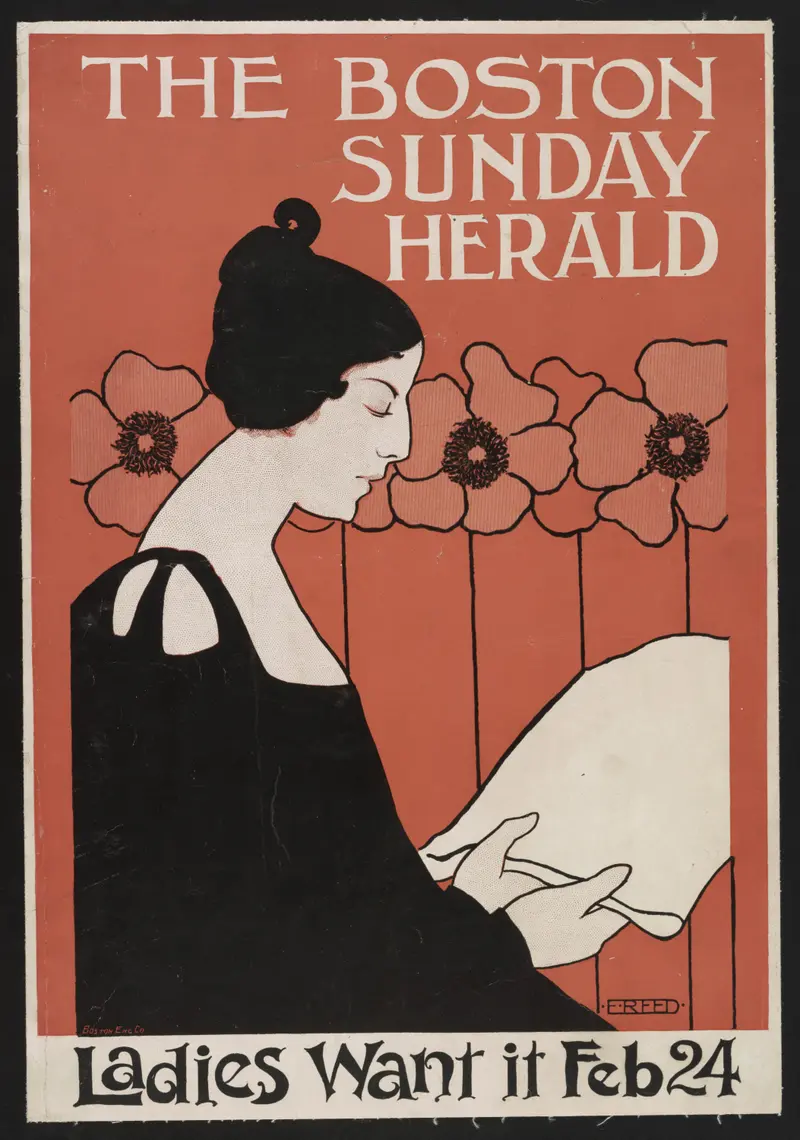
The Boston Sunday Herald: Ladies Want It
Ethel Reed





