
The Wine Festival — History & Facts
What draws the eye first is the swirl of movement and laughter at the heart of The Wine Festival. Children dance barefoot in the dust, arms flung wide, their faces lit with the kind of joy that can’t be staged. The oxen, patient and steady, pull a cart heaped with barrels and crowned with a garlanded pole, while a man in a red vest leads the procession with a step that’s more dance than march.
The women, baskets on hips and heads, lean in close, their dresses bright against the pale road, and even the dog at their feet seems caught up in the moment. Light pours in from the left, catching the gleam of copper jugs and the flush in the children’s cheeks, guiding the viewer from the open countryside to the crowded, celebratory throng. Painted in 1865, this work by Albert Anker belongs to a tradition of 19th-century European genre painting that celebrated rural life and communal ritual. Scenes like this, brimming with local color and festive spirit, were cherished by a rising middle class eager for images of stability and tradition in a rapidly changing world.
While history has kept few traces of this particular painting’s journey—its presence recorded at Koller Auktionen Zürich in 2015 and on ArtDaily.com—its subject is unmistakably of its time: a world where the rhythm of the seasons and the rituals of harvest bound communities together. The festival may be local, but the sense of shared delight is universal—inviting us to step into the sunlit road and join the dance.
More Artworks by Albert Anker

Portrait Of A Girl
Albert Anker
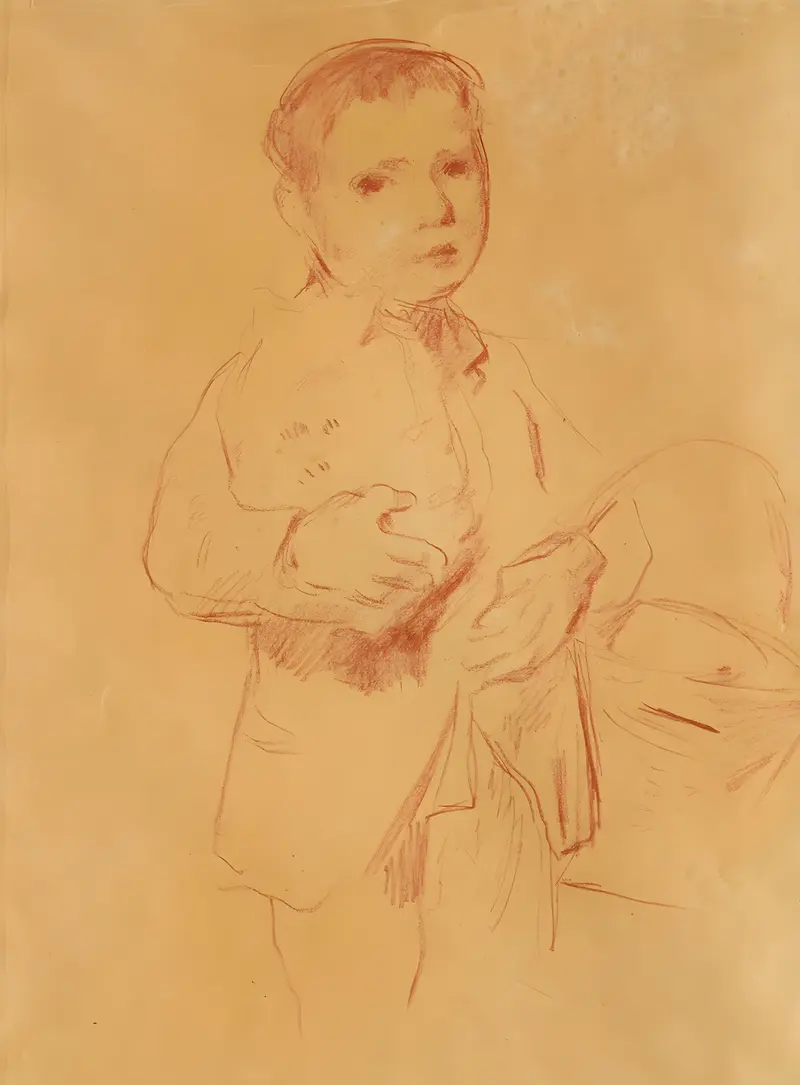
Boy with a basket
Albert Anker
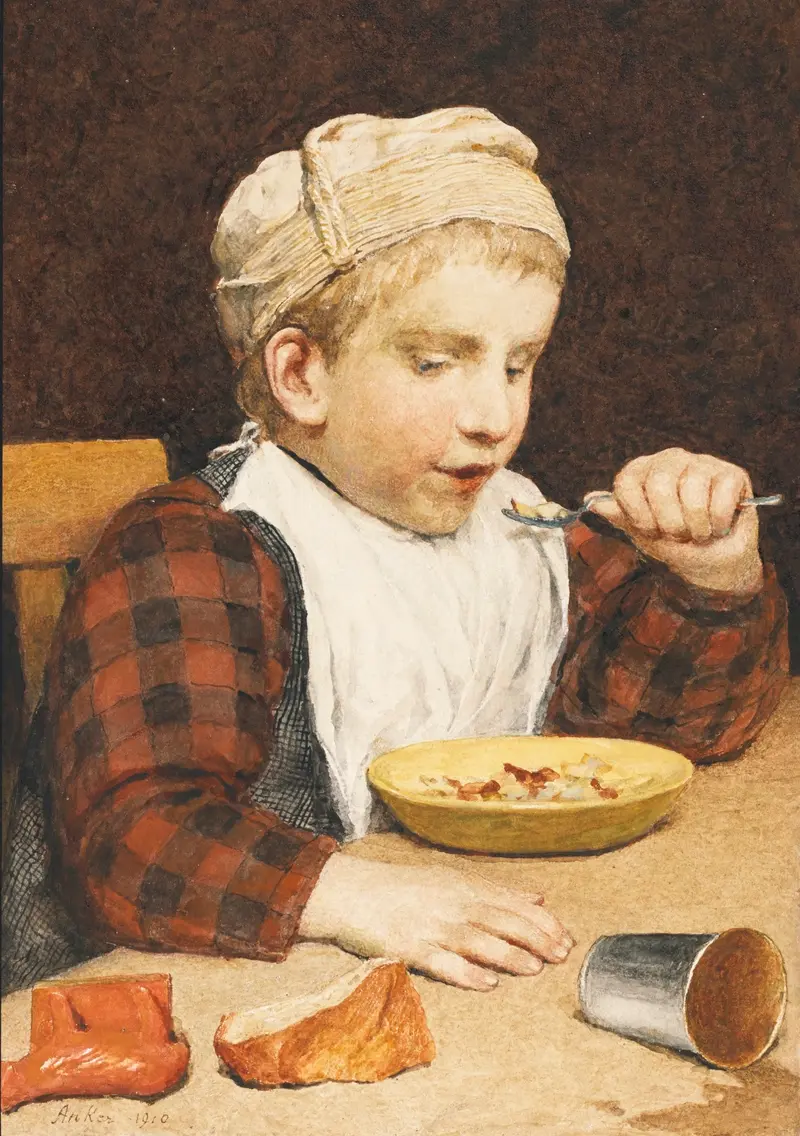
Knabe Mit Mütze Beim Essen
Albert Anker
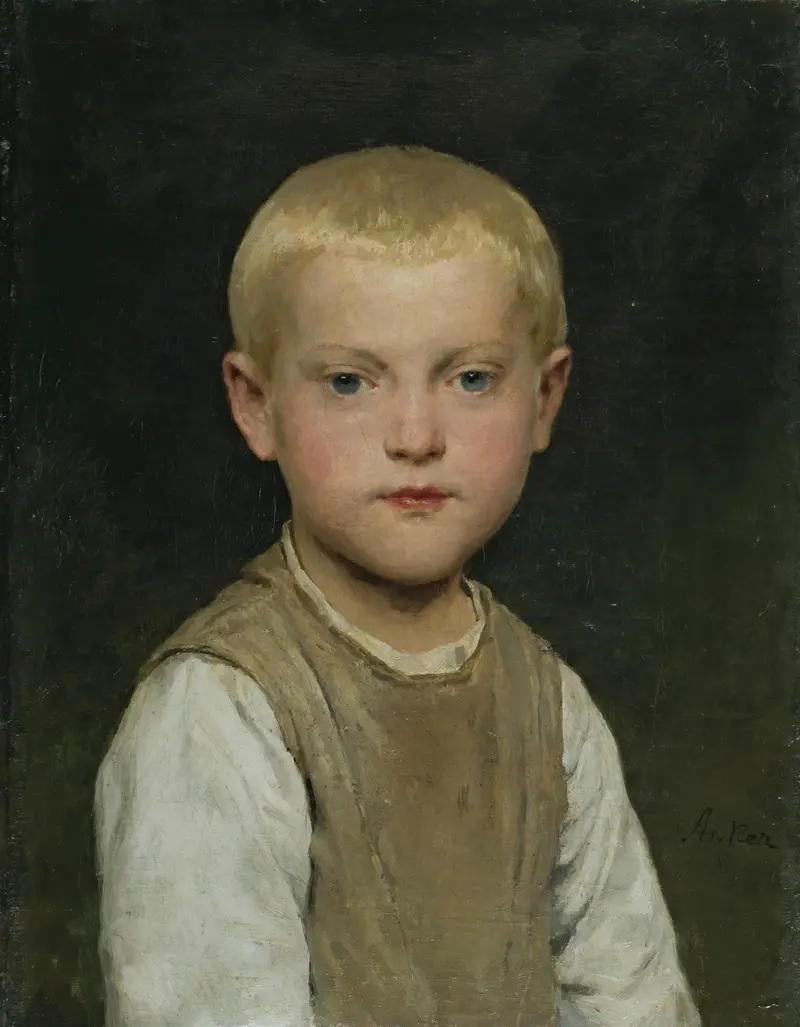
Knabenbildnis (Dr Heiri)
Albert Anker
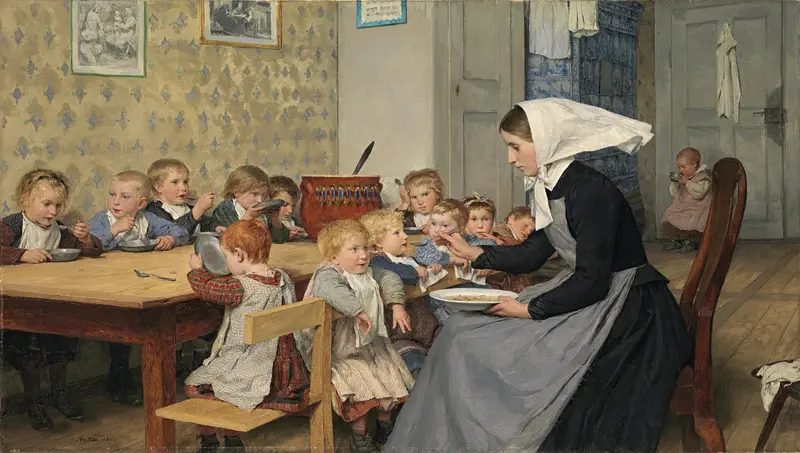
Die Kinderkrippe I
Albert Anker

L’instituteur et le pasteur
Albert Anker
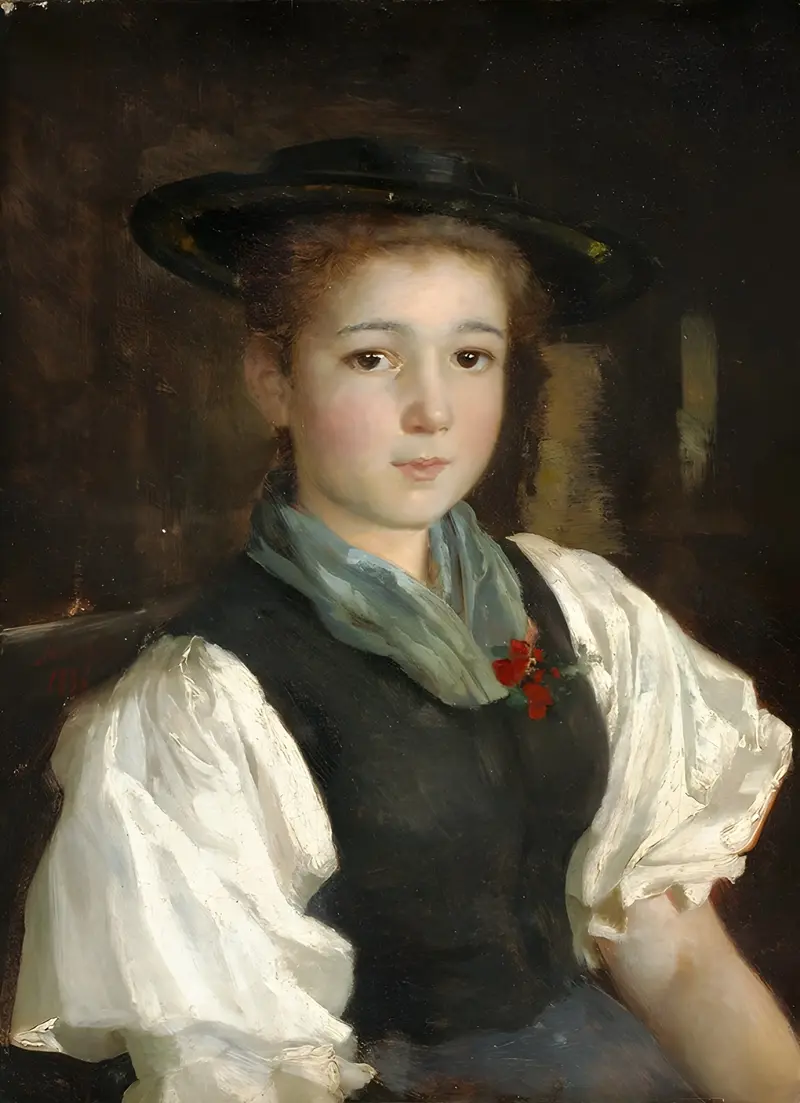
Bauernmädchen (Farm Girl)
Albert Anker
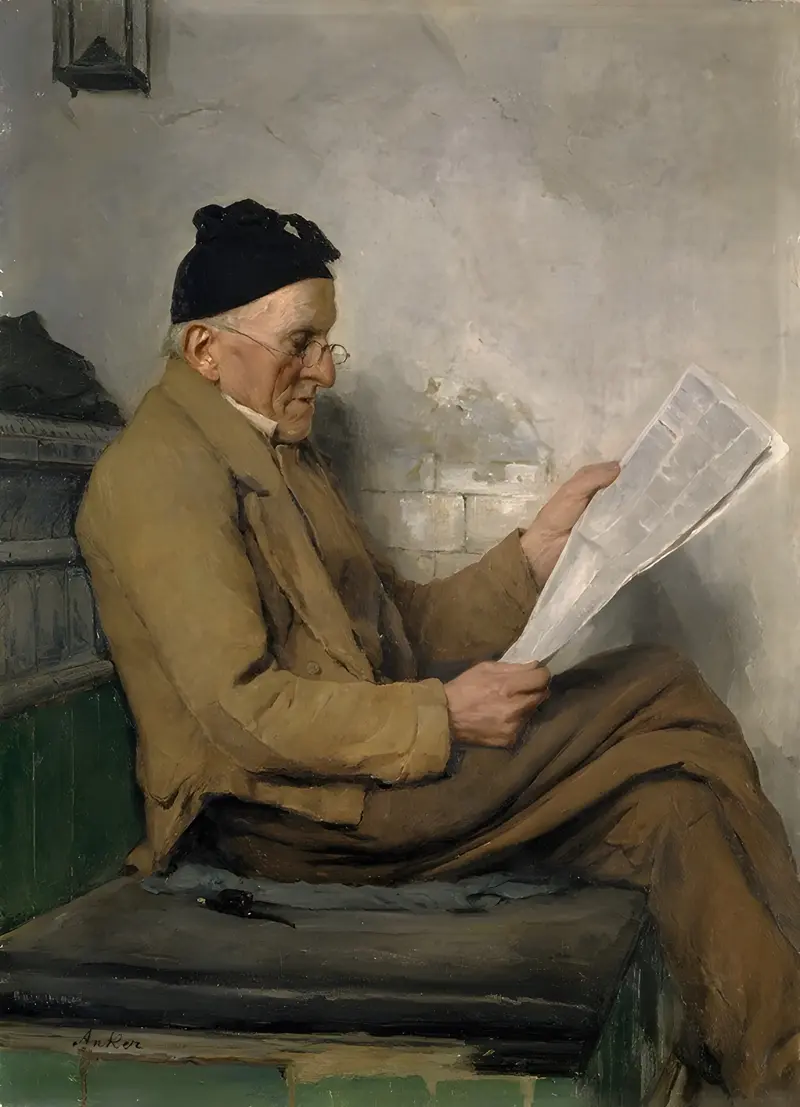
Farmer Reading on the Stove Bench
Albert Anker
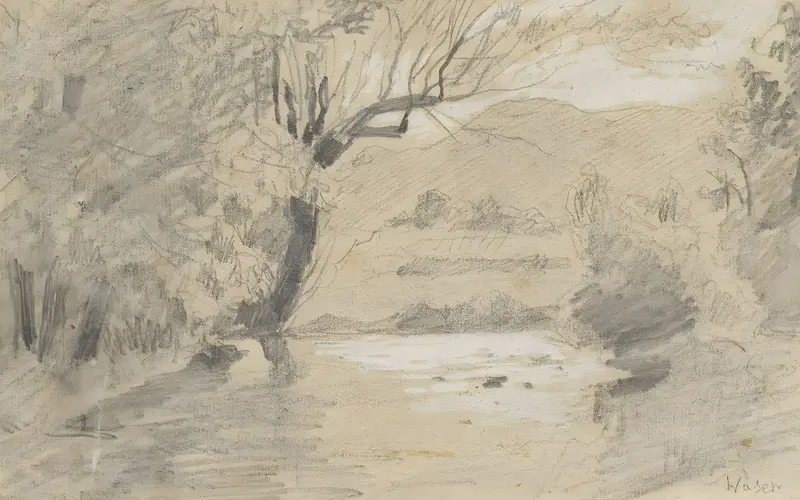
Flusslandschaft in Wasen (Emmental)
Albert Anker
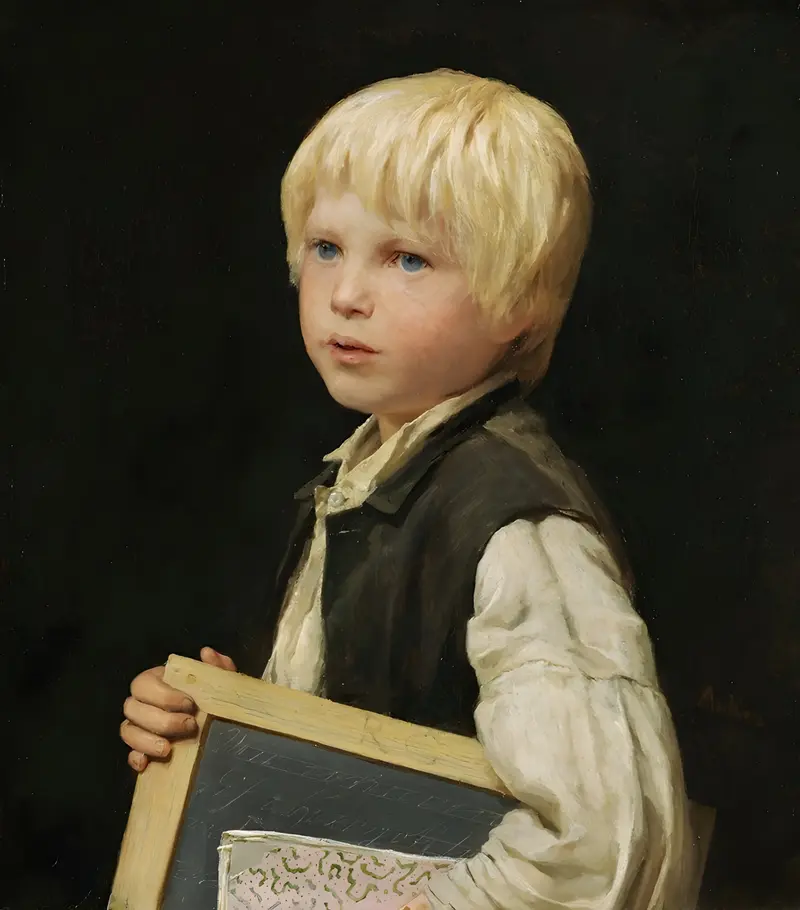
School Boy
Albert Anker
More Genre Scene Art

Banquet of the Officers of the St George Civic Guard
Frans Hals

Rembrandt and Saskia in the Scene of the Prodigal Son
Rembrandt van Rijn

Bal du moulin de la Galette
Pierre-Auguste Renoir

Quadrille at the Moulin Rouge
Henri de Toulouse-Lautrec

A Burial at Ornans
Gustave Courbet

When Will You Marry?
Paul Gauguin