
The Women of Amphissa — History & Facts
In The Women of Amphissa, we see a vibrant scene filled with rich colors. The figures of women are elegantly dressed in flowing garments, showcasing intricate patterns and textures. They are set against a classical backdrop that hints at ancient Greek architecture.
The warm sunlight bathes the scene, enhancing the overall beauty of the composition. The painting is executed in oil on canvas, a medium that allows for rich detail and vibrant color. Alma-Tadema's technique is characterized by meticulous attention to the textures of fabrics and the play of light. The dimensions of the work are approximately 90 x 120 cm, making it a substantial piece.
Viewers can appreciate the fine brushwork and the lifelike portrayal of the figures. Lawrence Alma-Tadema was known for his depictions of classical themes and settings, often focusing on women in historical contexts. The Women of Amphissa reflects his fascination with ancient Greece and its culture. An interesting fact about this work is that it exemplifies the Victorian era's interest in the classical world, merging historical accuracy with romanticized beauty.
Alma-Tadema's works were highly popular in his time, making him a significant figure in Victorian art.
More Artworks by Lawrence Alma-Tadema

The Roses of Heliogabalus
Lawrence Alma-Tadema

A Juggler
Lawrence Alma-Tadema
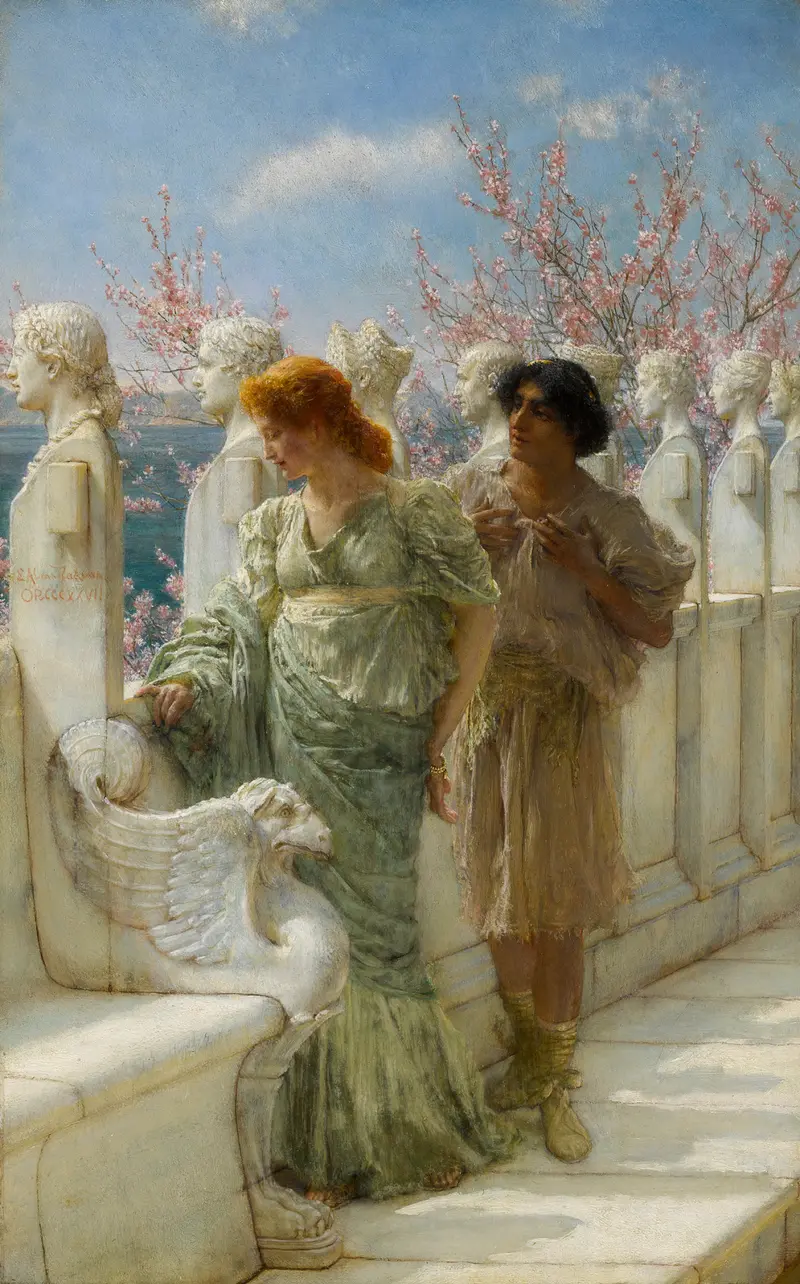
Past And Present Generations
Lawrence Alma-Tadema
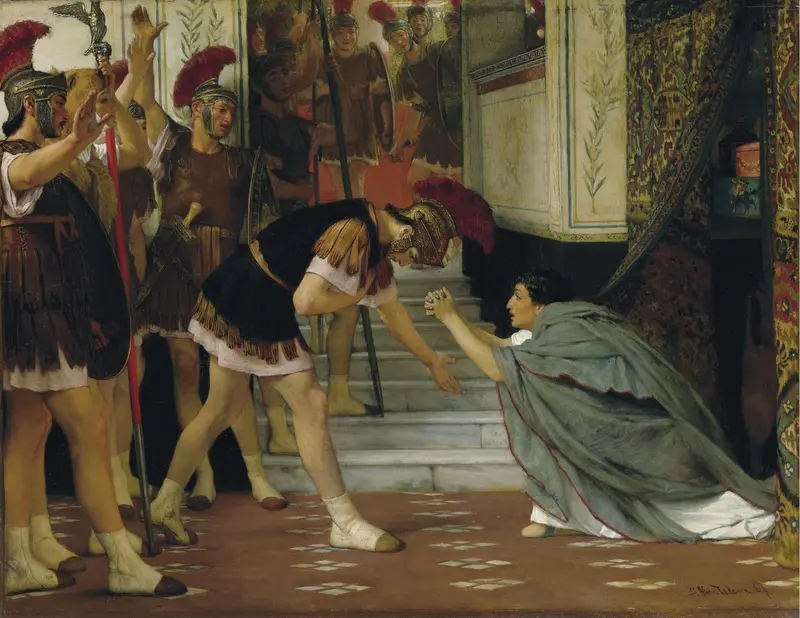
Proclaiming Claudius Emperor, Opus XlVIII
Lawrence Alma-Tadema
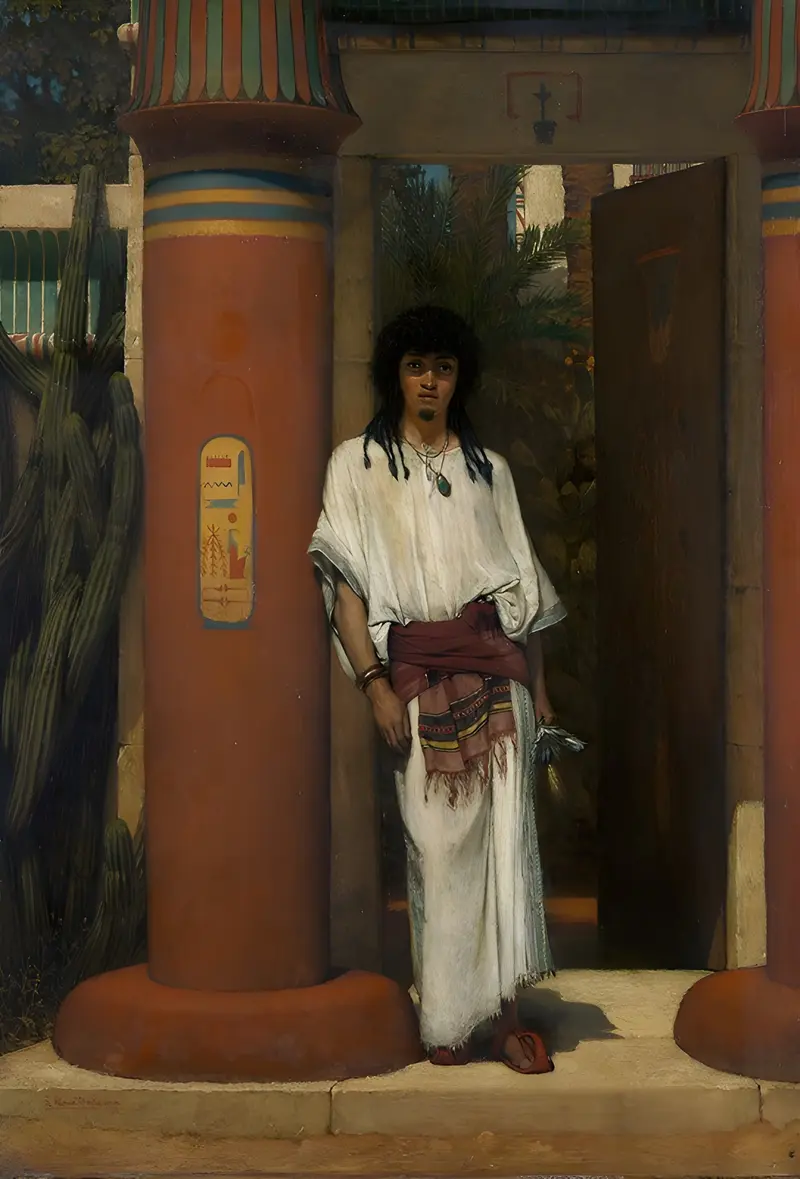
An Egyptian in a Doorway
Lawrence Alma-Tadema
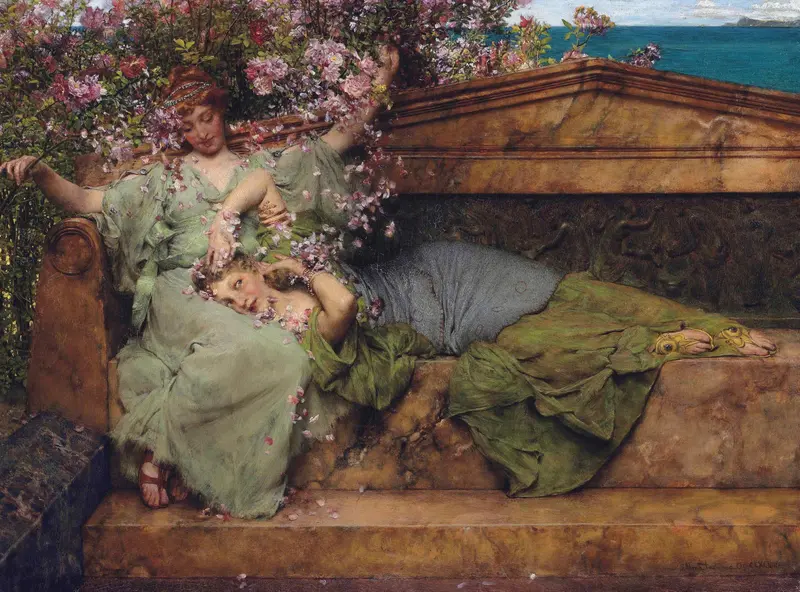
In A Rose Garden
Lawrence Alma-Tadema
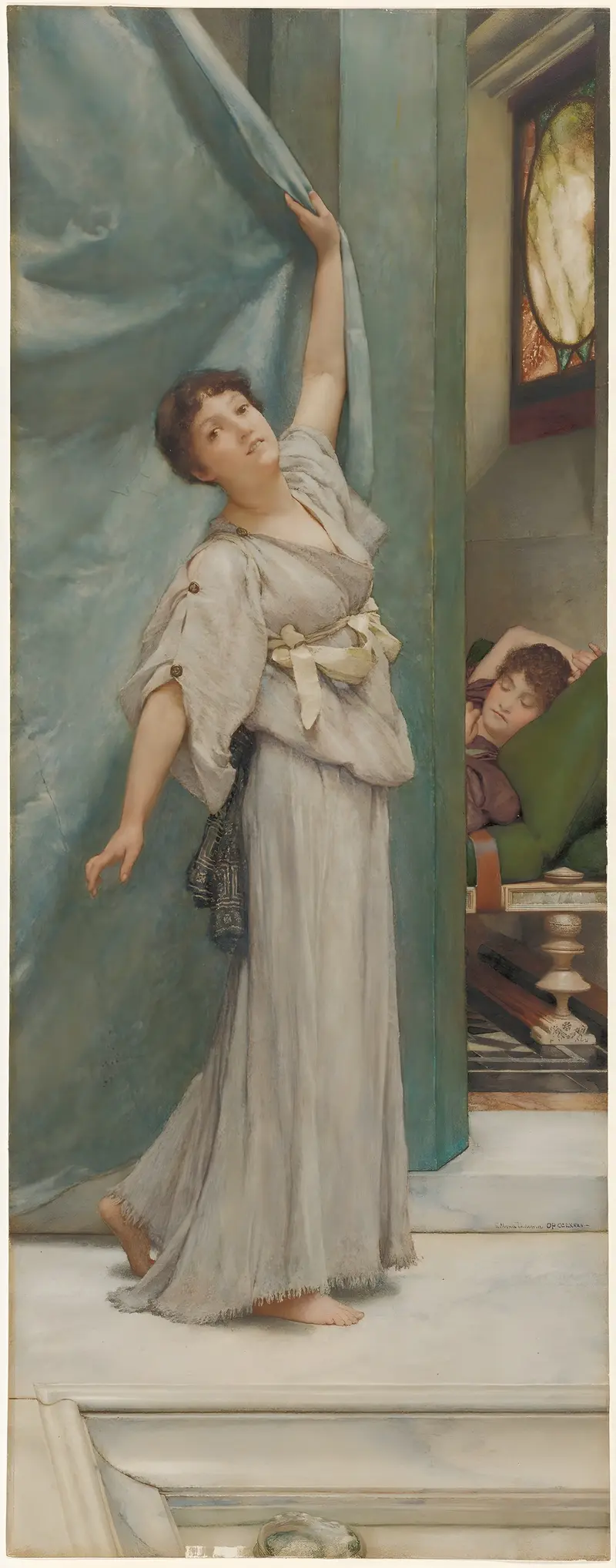
Midday Slumbers
Lawrence Alma-Tadema
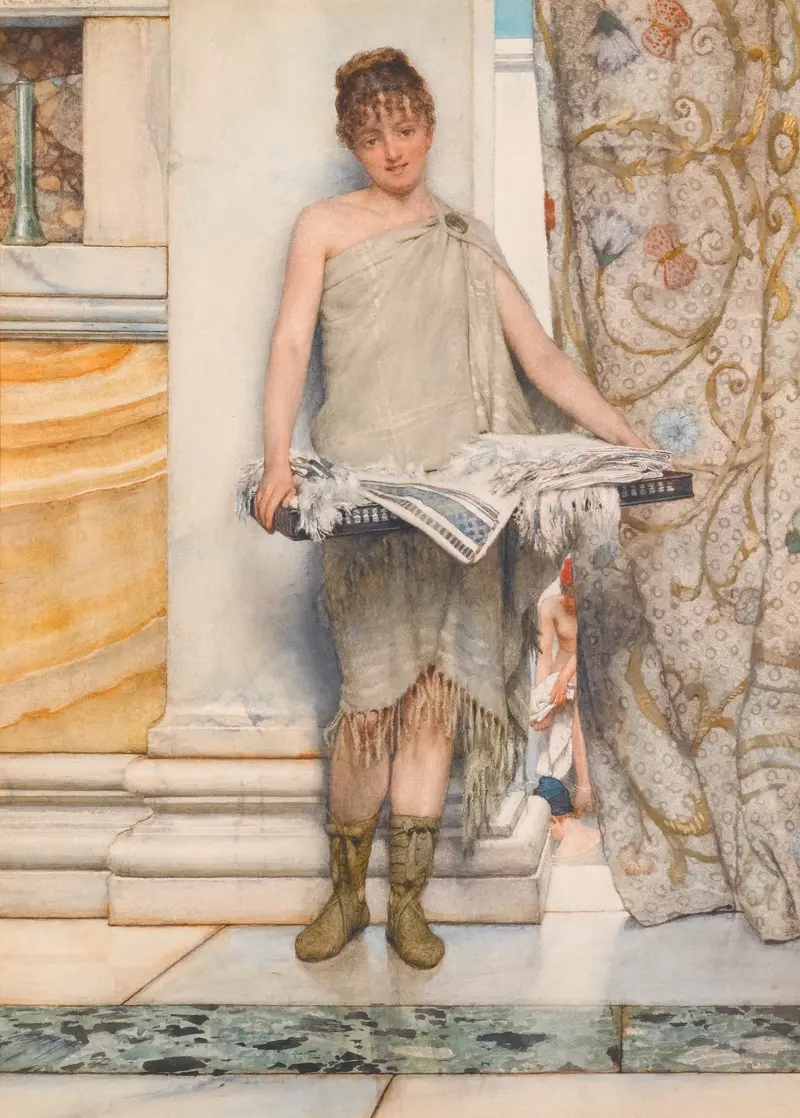
A Balneatrix
Lawrence Alma-Tadema
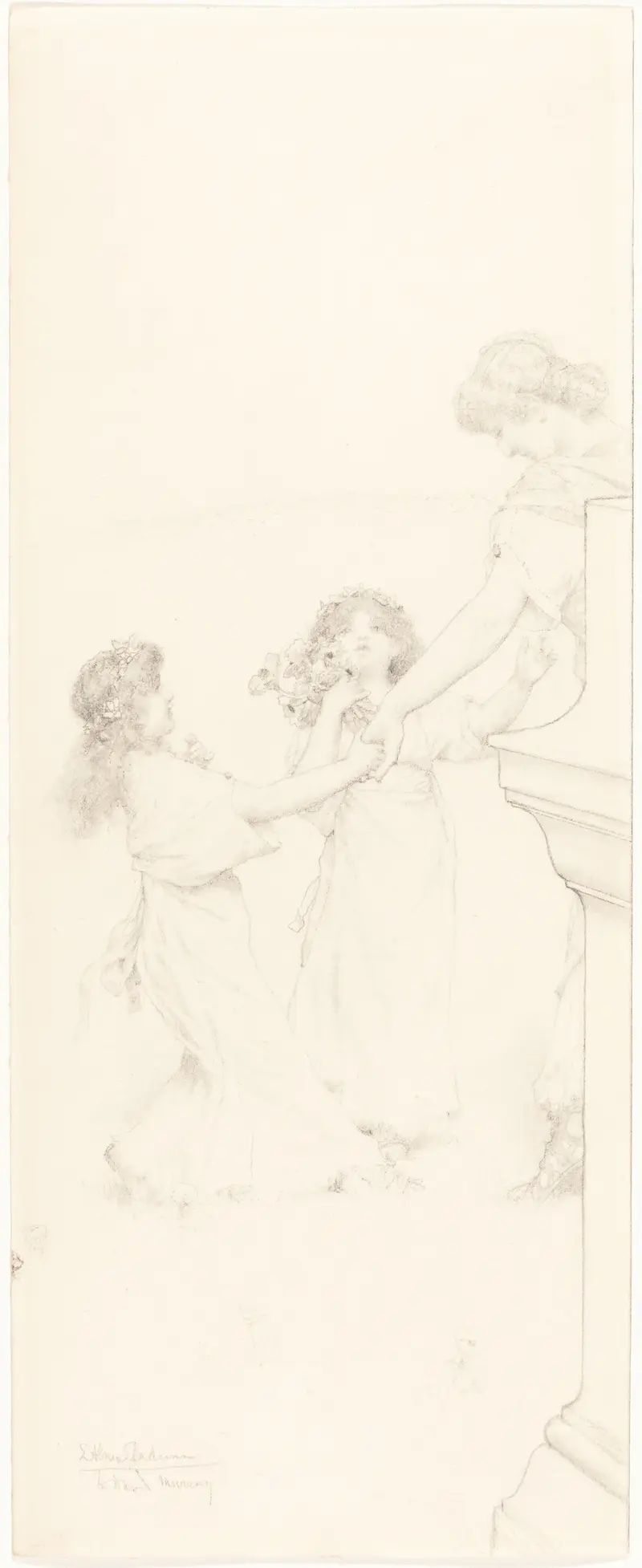
A Dance in Spring
Lawrence Alma-Tadema
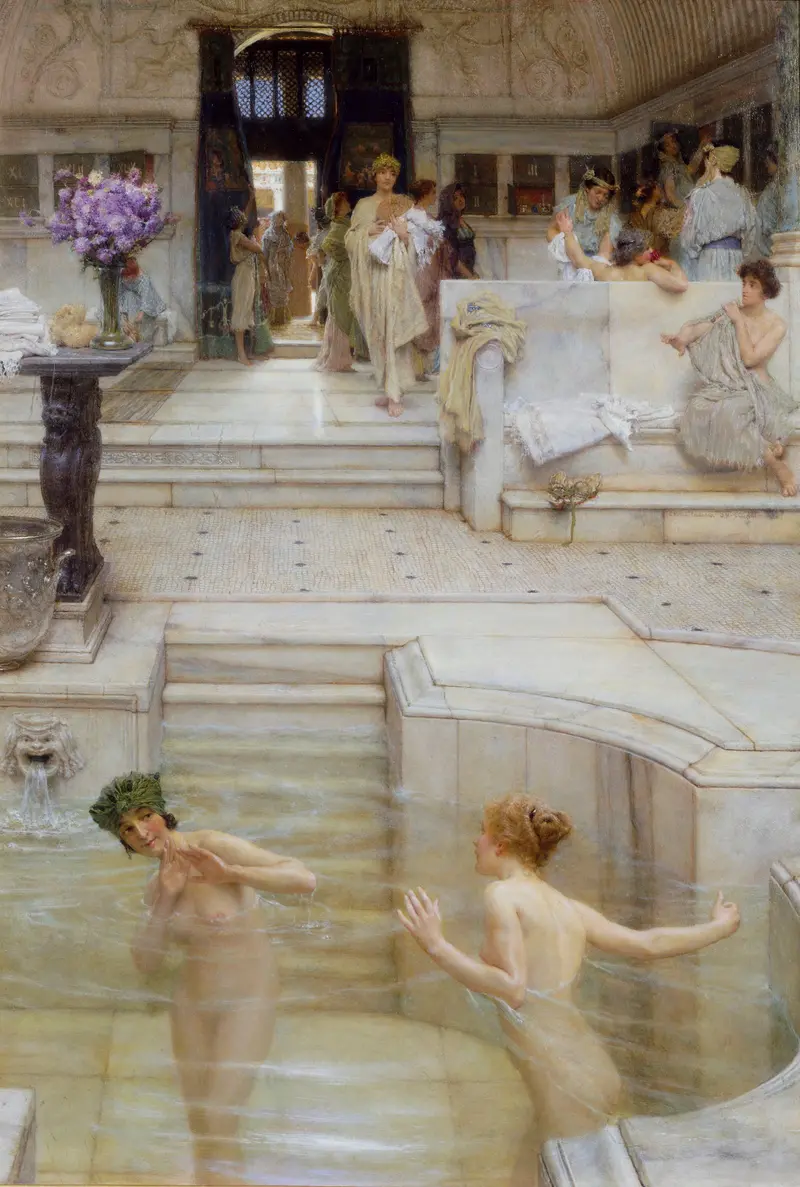
A Favourite Custom
Lawrence Alma-Tadema
More Genre Scene Art

Banquet of the Officers of the St George Civic Guard
Frans Hals

Rembrandt and Saskia in the Scene of the Prodigal Son
Rembrandt van Rijn

Bal du moulin de la Galette
Pierre-Auguste Renoir

Quadrille at the Moulin Rouge
Henri de Toulouse-Lautrec

A Burial at Ornans
Gustave Courbet

When Will You Marry?
Paul Gauguin