
The writing lesson III — History & Facts
What draws the viewer in first is the hush of concentration: two children, heads nearly touching, are absorbed in the delicate act of writing. The artist’s brush lingers on the soft curve of a cheek, the gentle slope of a wrist, and the careful grip of a small hand around a pen. Light falls quietly across the scene, illuminating the pale paper and the children’s faces while the background dissolves into shadow, heightening the intimacy of the moment.
Every detail is purposeful—the inkpot, the scattered toys, the slightly rumpled sleeves—inviting us to witness not just a lesson, but a fleeting exchange of patience and curiosity. The child on the left, brow furrowed, is utterly focused on the page, while the companion leans in, a hand to her head, as if pondering each letter as it forms. Painted in 1865, this work belongs to a period when scenes of childhood and domestic life gained new importance in European art. The mid-19th century saw artists like Albert Anker turn their attention to the everyday rituals of family and education, capturing the values and aspirations of a changing society.
Such paintings were often cherished by the rising middle class, who saw in them a mirror of their own ideals—diligence, innocence, the promise of learning. Little is recorded about the specific journey of The writing lesson III beyond its appearance at Koller Auktionen in Zürich in 2011, but its quiet focus and gentle realism speak to a broader world where the smallest moments of growth were worth preserving. Look again at the doll resting idly on the table: even play must pause for the serious work of learning to write.
More Artworks by Albert Anker

Portrait Of A Girl
Albert Anker
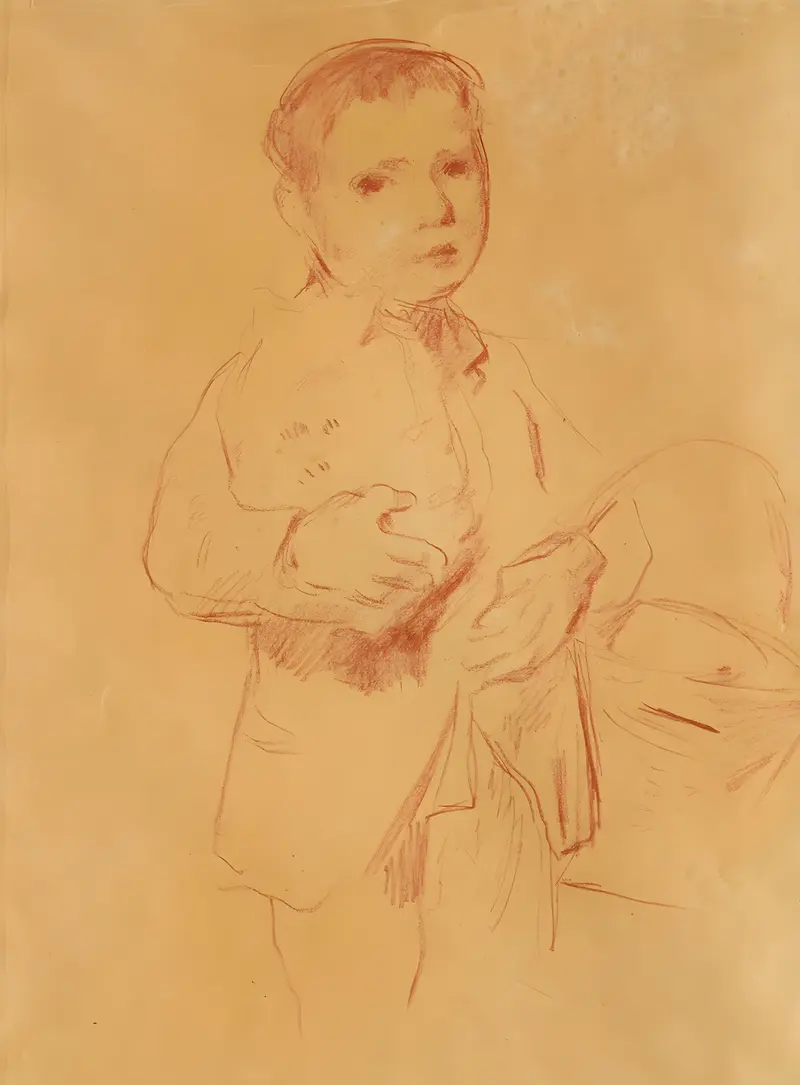
Boy with a basket
Albert Anker
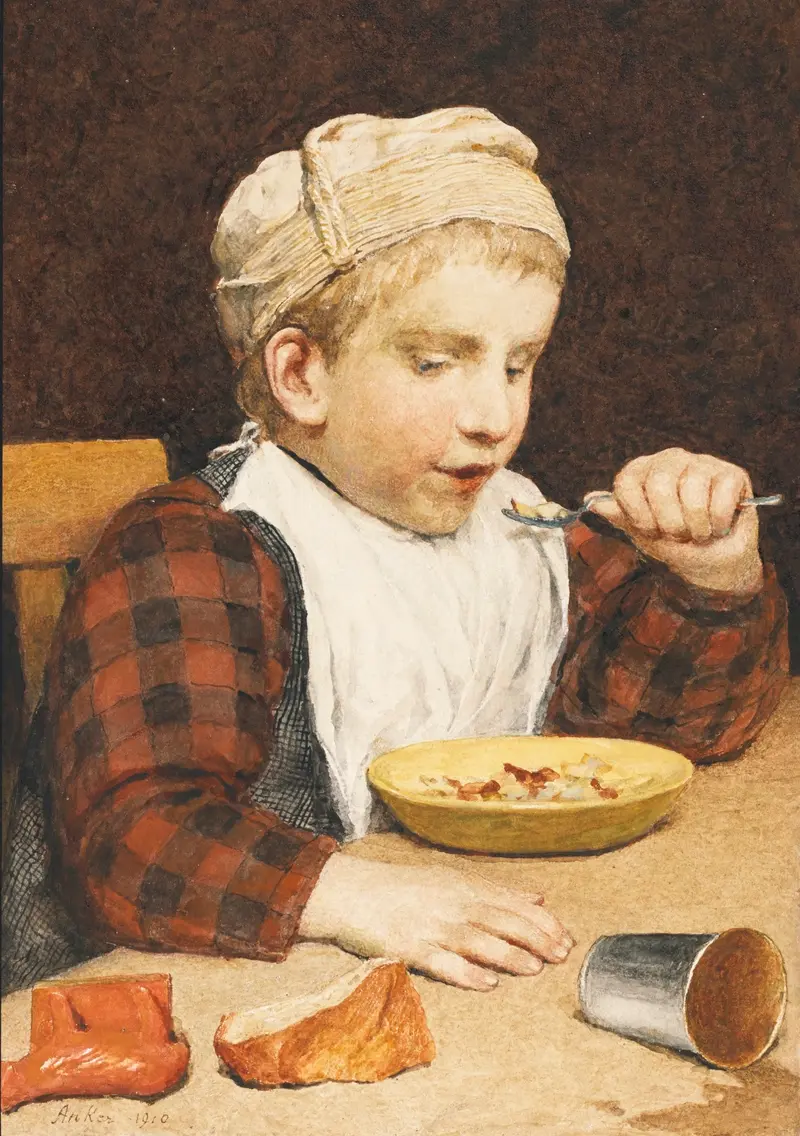
Knabe Mit Mütze Beim Essen
Albert Anker
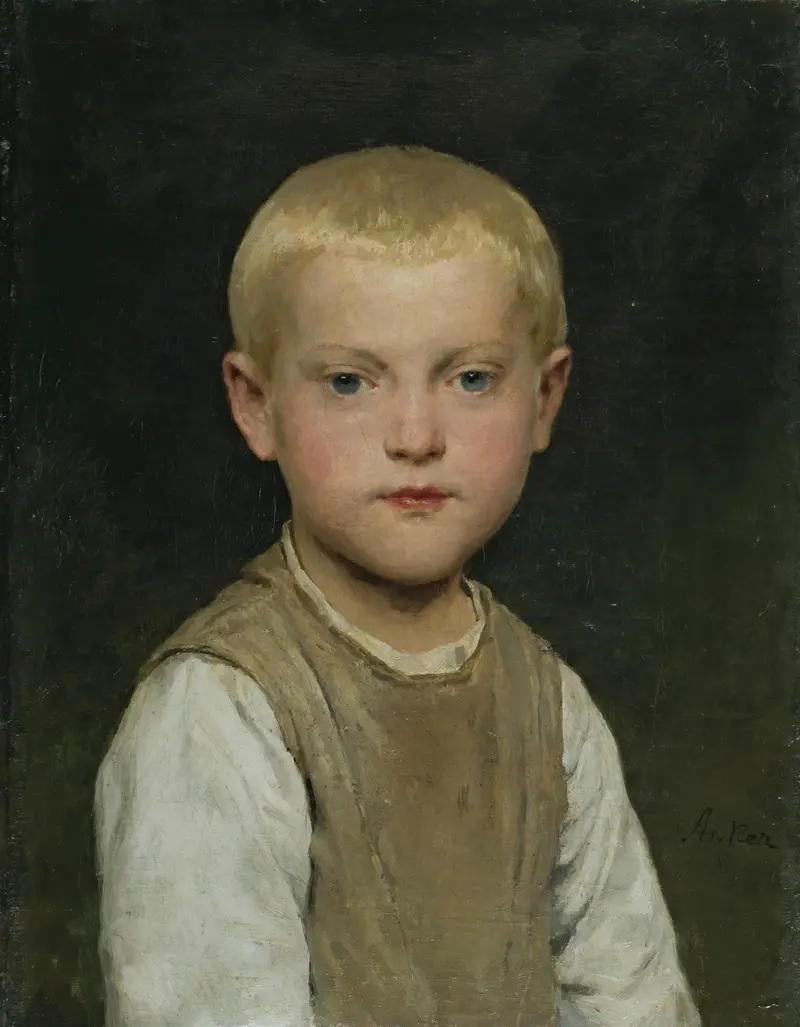
Knabenbildnis (Dr Heiri)
Albert Anker
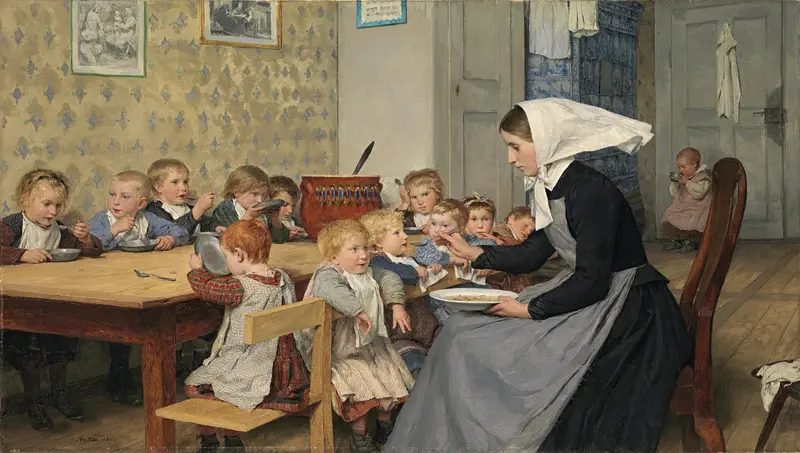
Die Kinderkrippe I
Albert Anker

L’instituteur et le pasteur
Albert Anker
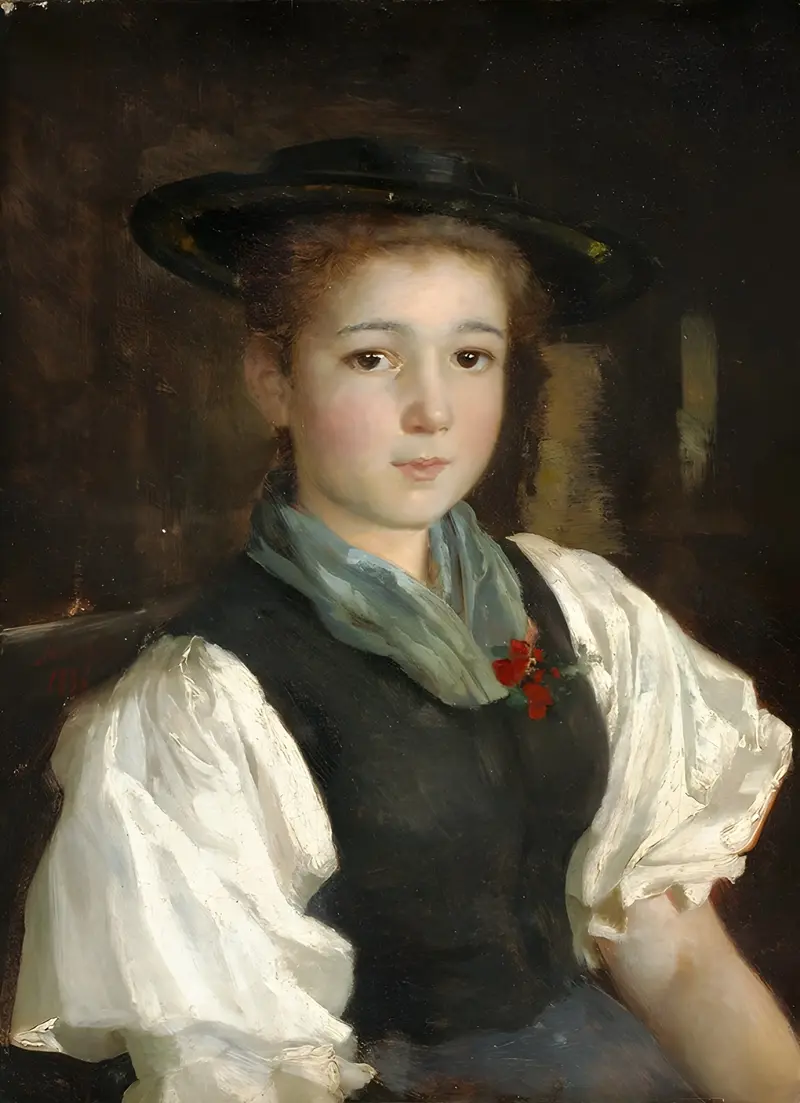
Bauernmädchen (Farm Girl)
Albert Anker
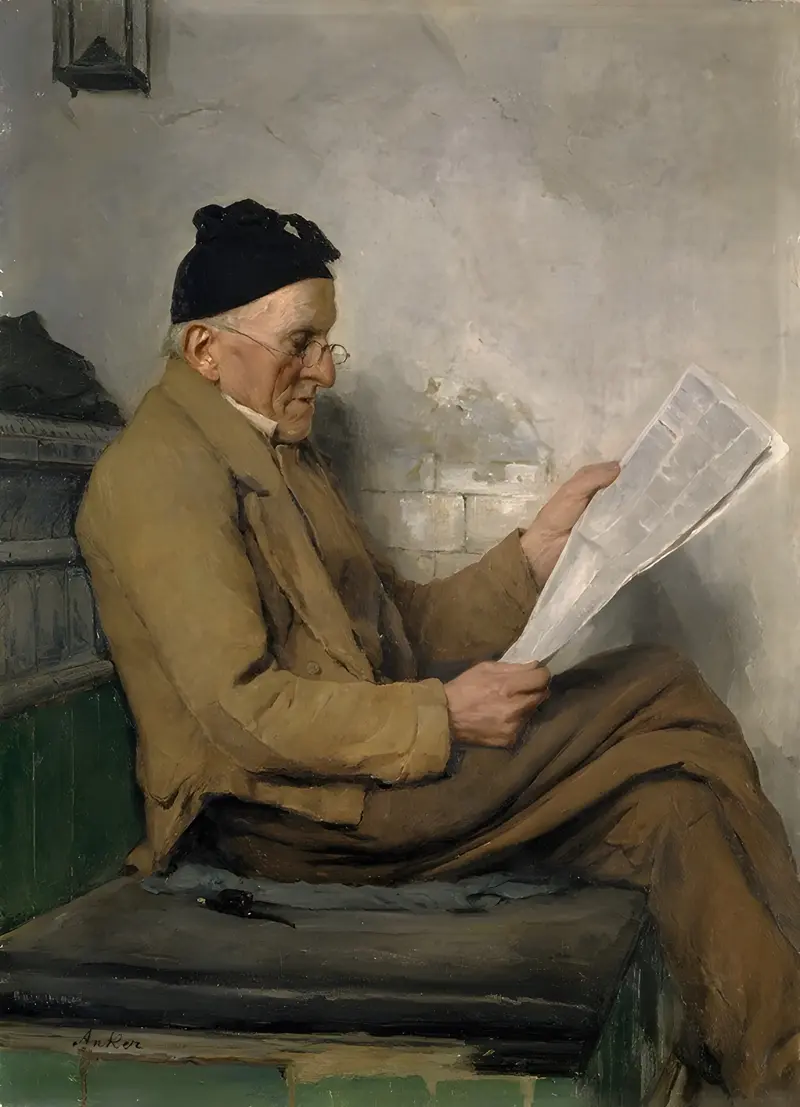
Farmer Reading on the Stove Bench
Albert Anker
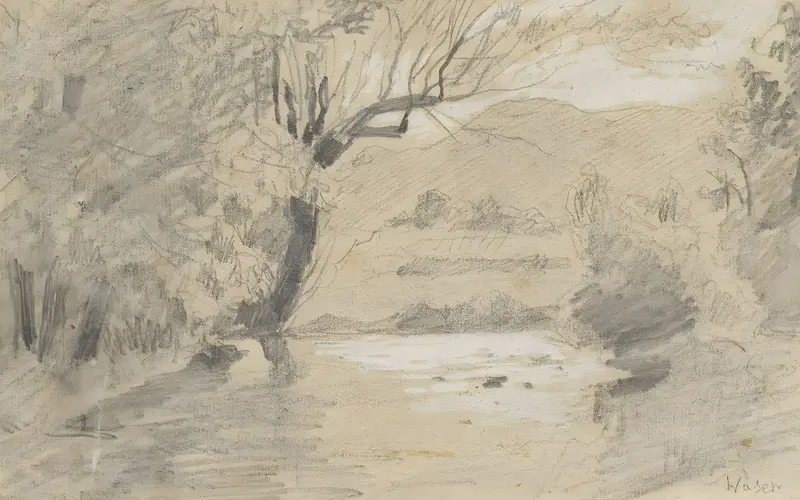
Flusslandschaft in Wasen (Emmental)
Albert Anker
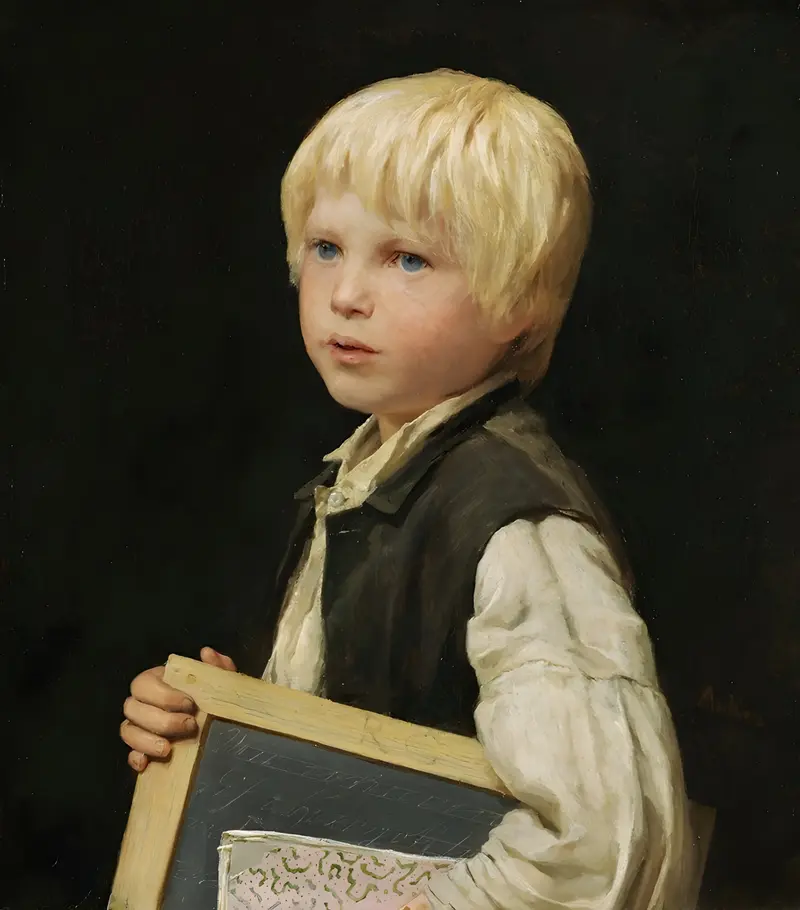
School Boy
Albert Anker
More Genre Scene Art

Banquet of the Officers of the St George Civic Guard
Frans Hals

Rembrandt and Saskia in the Scene of the Prodigal Son
Rembrandt van Rijn

Bal du moulin de la Galette
Pierre-Auguste Renoir

Quadrille at the Moulin Rouge
Henri de Toulouse-Lautrec

A Burial at Ornans
Gustave Courbet

When Will You Marry?
Paul Gauguin