Discover insights about this artwork
The Yellow Christ — History & Facts
In The Yellow Christ, Paul Gauguin uses bold colors to depict a crucifixion scene. The figure of Christ is rendered in a striking yellow, contrasting with the dark blues and greens of the surrounding landscape. The background features a simplified, almost abstract representation of nature, emphasizing the spiritual over the realistic.
This choice of color and form creates a sense of otherworldliness in the painting. The painting is an oil on canvas, measuring 92 x 73 cm. Gauguin's technique involves thick brushstrokes and a vibrant palette, characteristic of his Post-Impressionist style. The use of color is symbolic, with yellow representing divinity and light.
The composition is carefully structured, drawing the viewer's eye to the central figure of Christ. Paul Gauguin created The Yellow Christ during his time in Brittany, France, where he sought to express his spiritual beliefs through art. This work reflects his interest in symbolism and the use of color to convey emotion. An interesting fact about this painting is that it was inspired by the local Breton culture and the artist's desire to depict a more personal interpretation of Christ.
Gauguin's unique style has influenced many artists and continues to be celebrated today.
More Artworks by Paul Gauguin
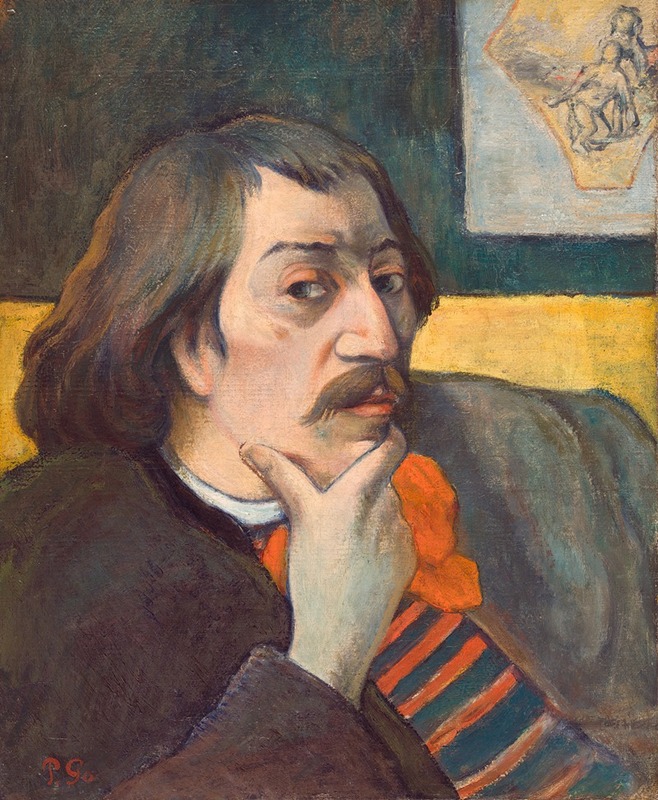
Self Portrait
Paul Gauguin
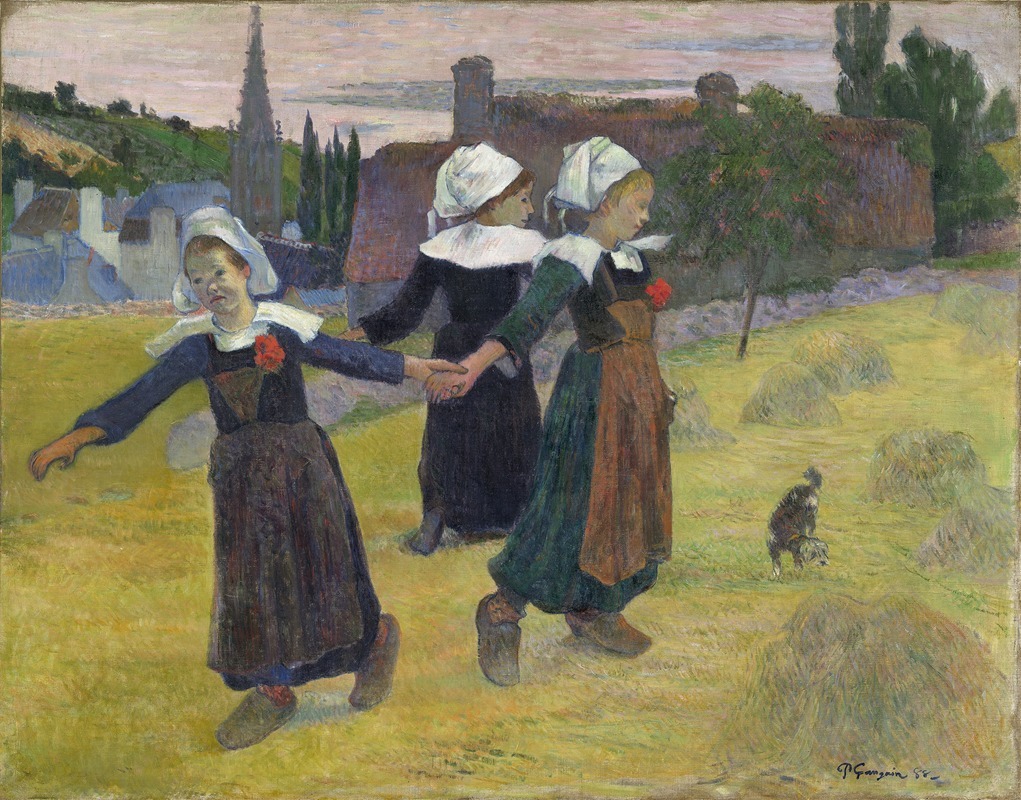
Breton Girls Dancing,Pont-Aven
Paul Gauguin
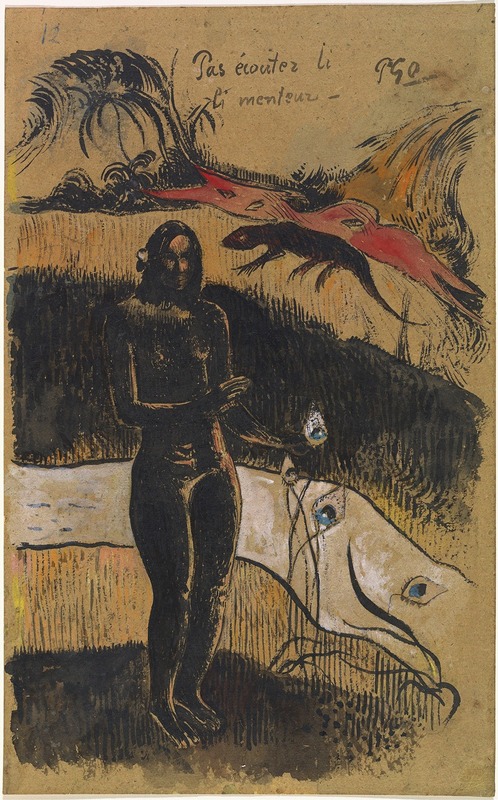
Nave Nave Fenua
Paul Gauguin
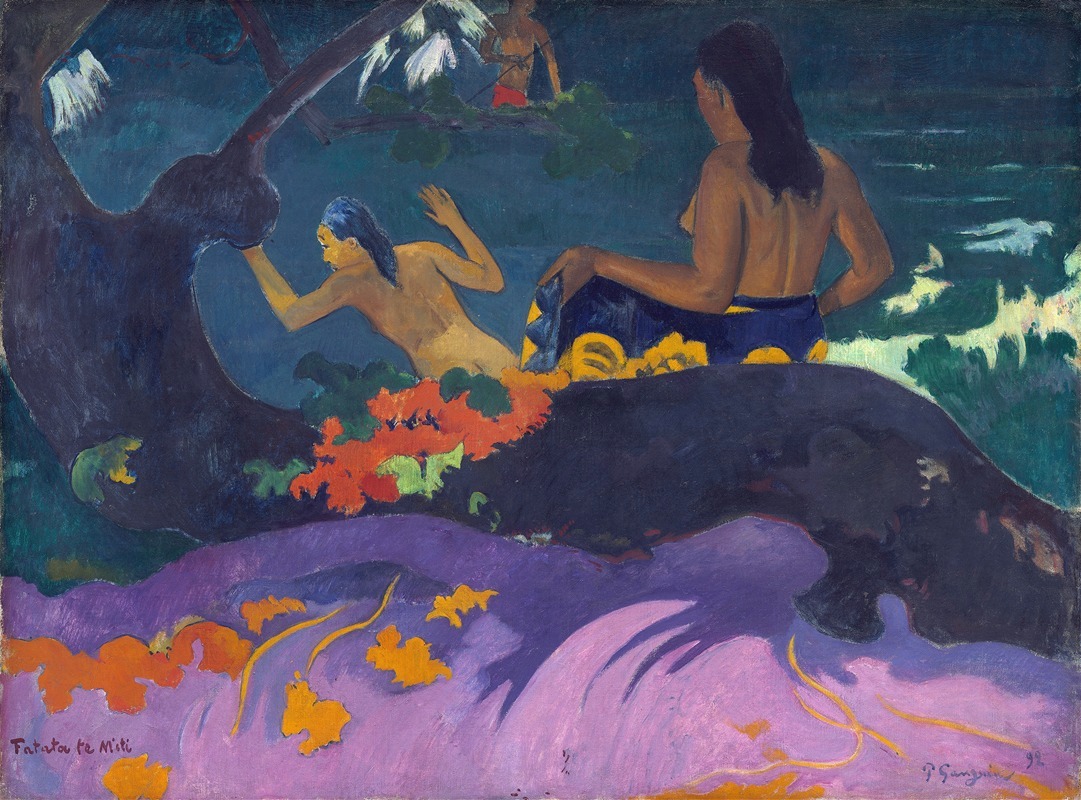
Fatata te Miti (By the Sea)
Paul Gauguin
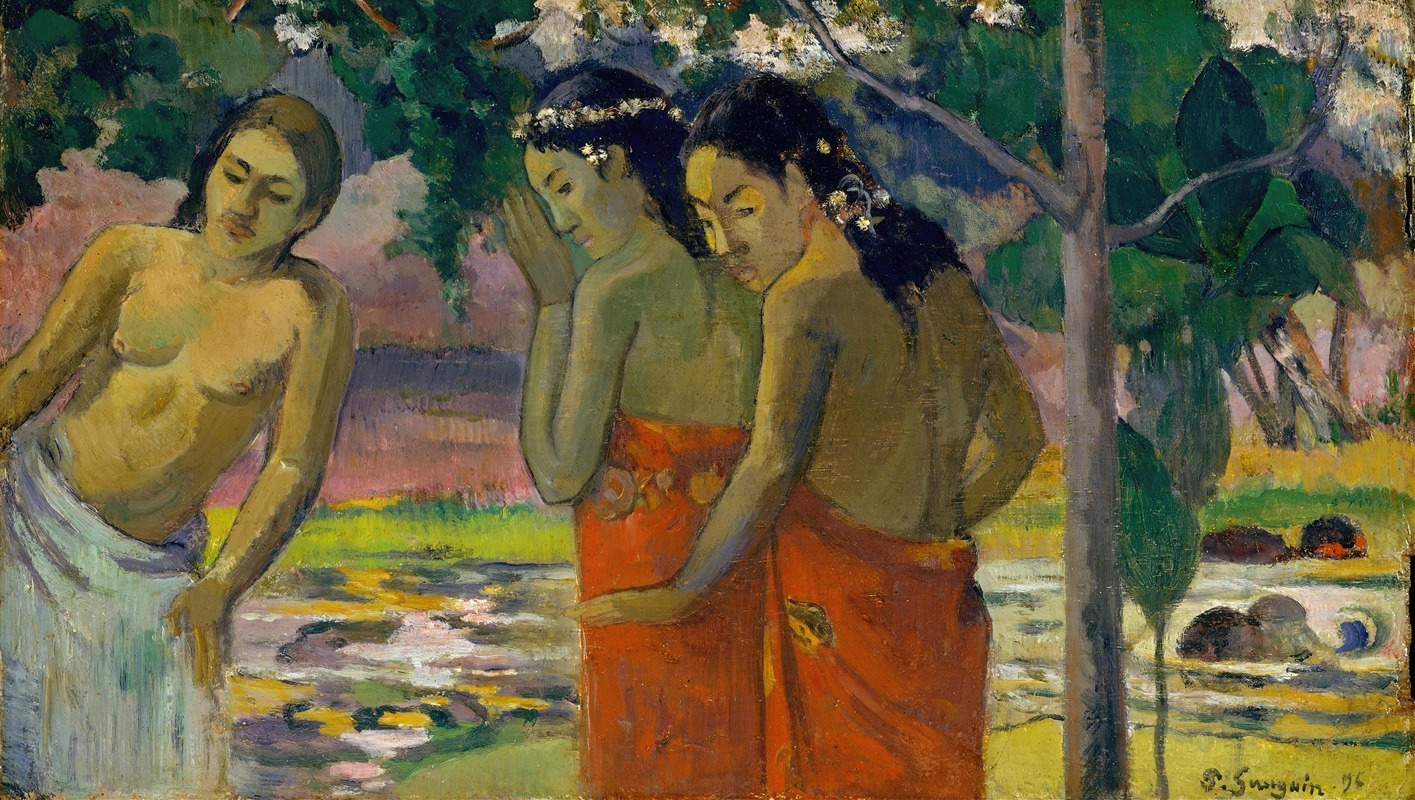
Three Tahitian Women
Paul Gauguin
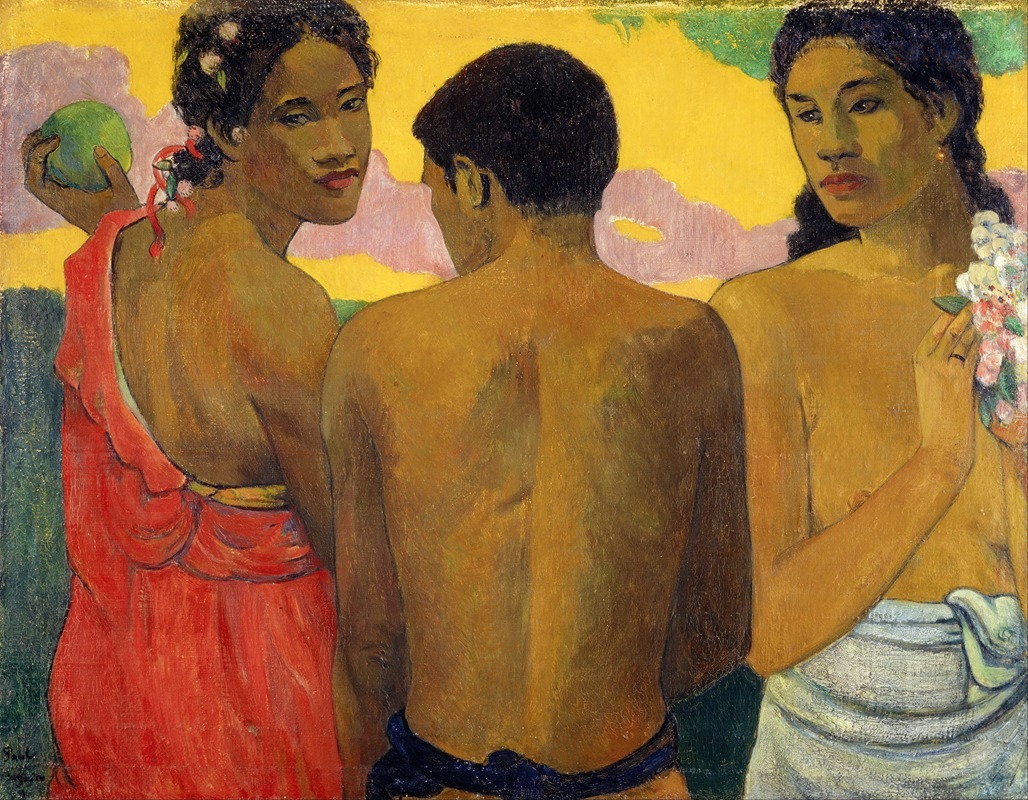
Three Tahitians
Paul Gauguin
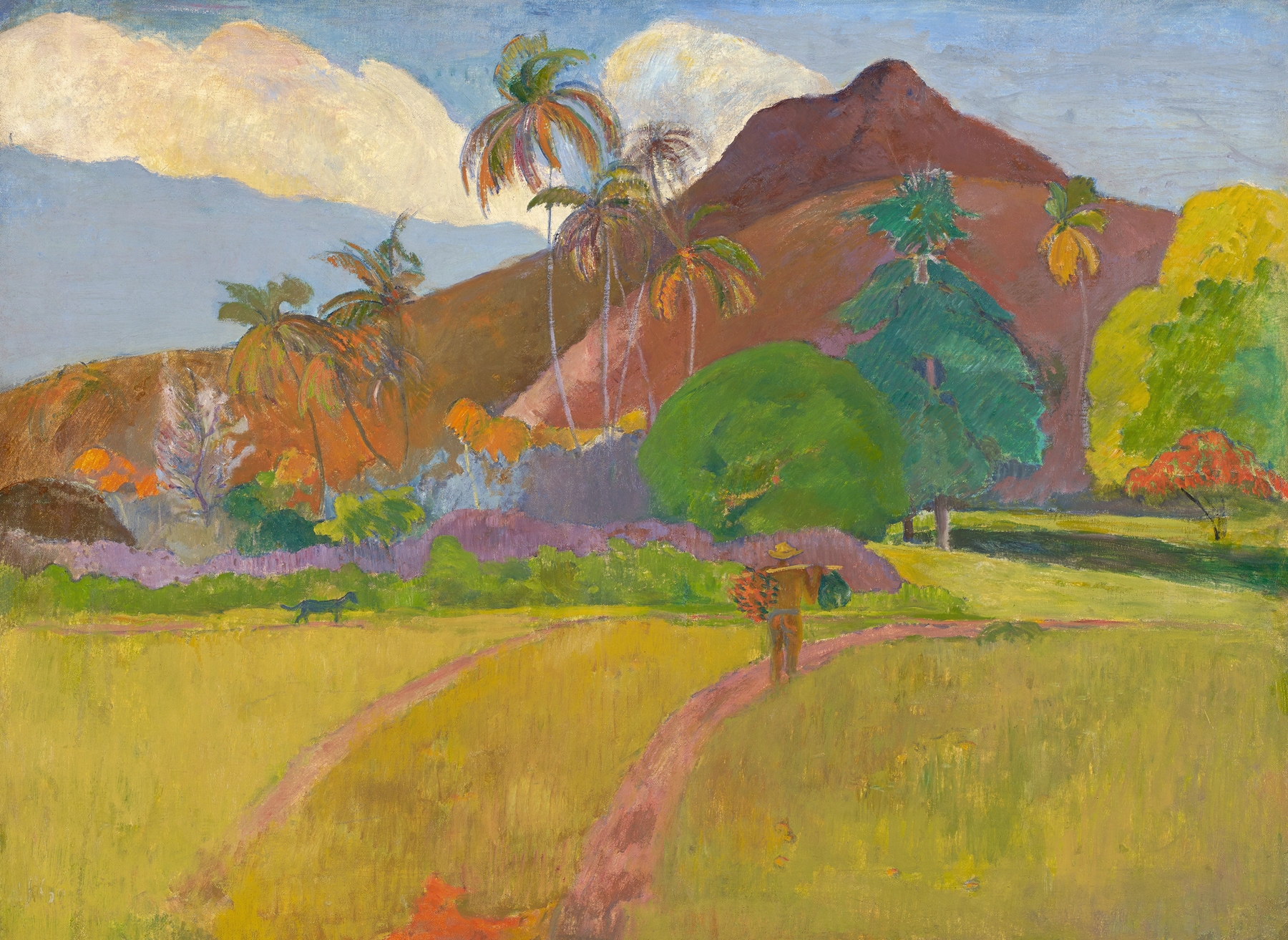
Tahitian Landscape
Paul Gauguin
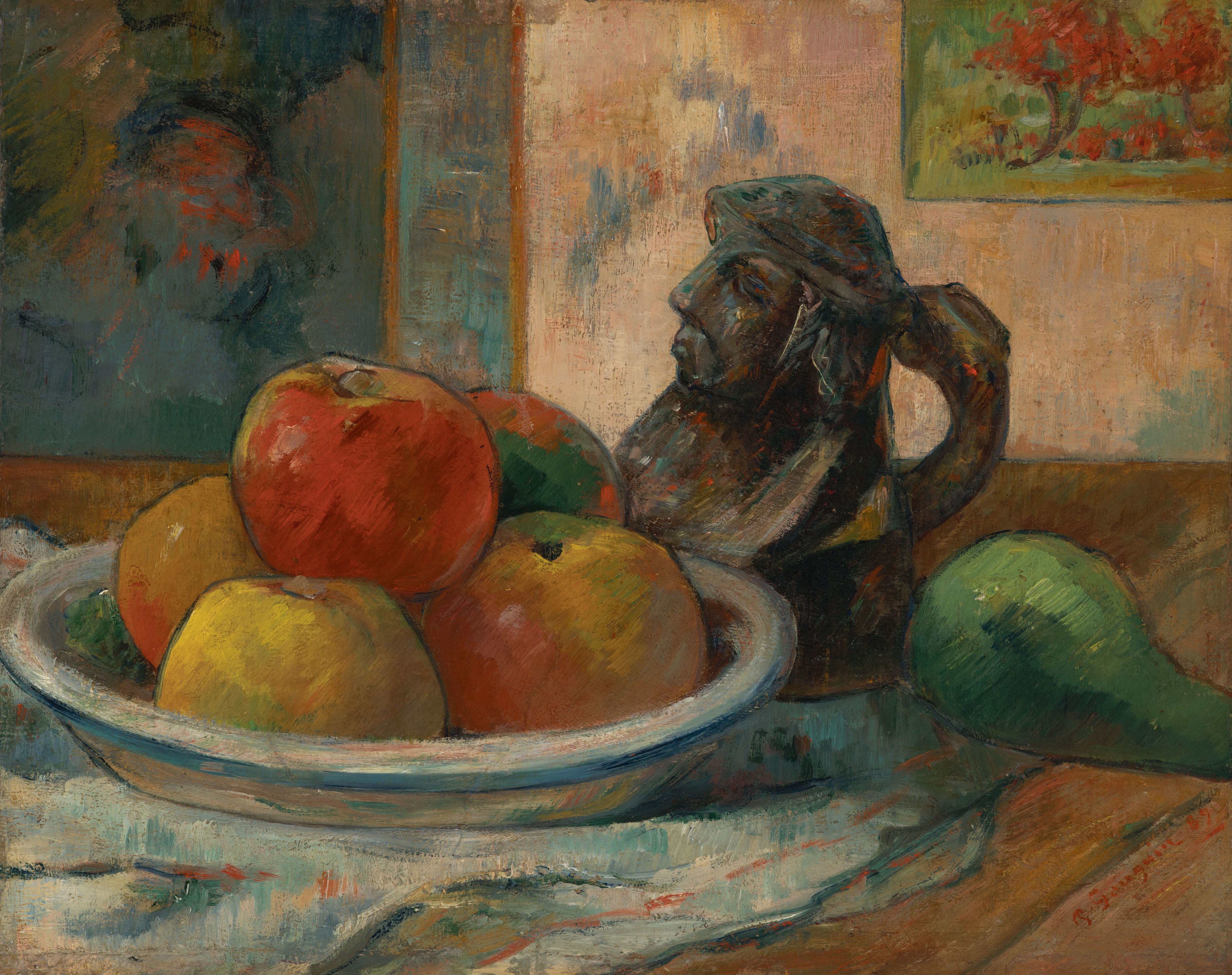
Still Life with Apples, a Pear, and a Ceramic Portrait Jug
Paul Gauguin
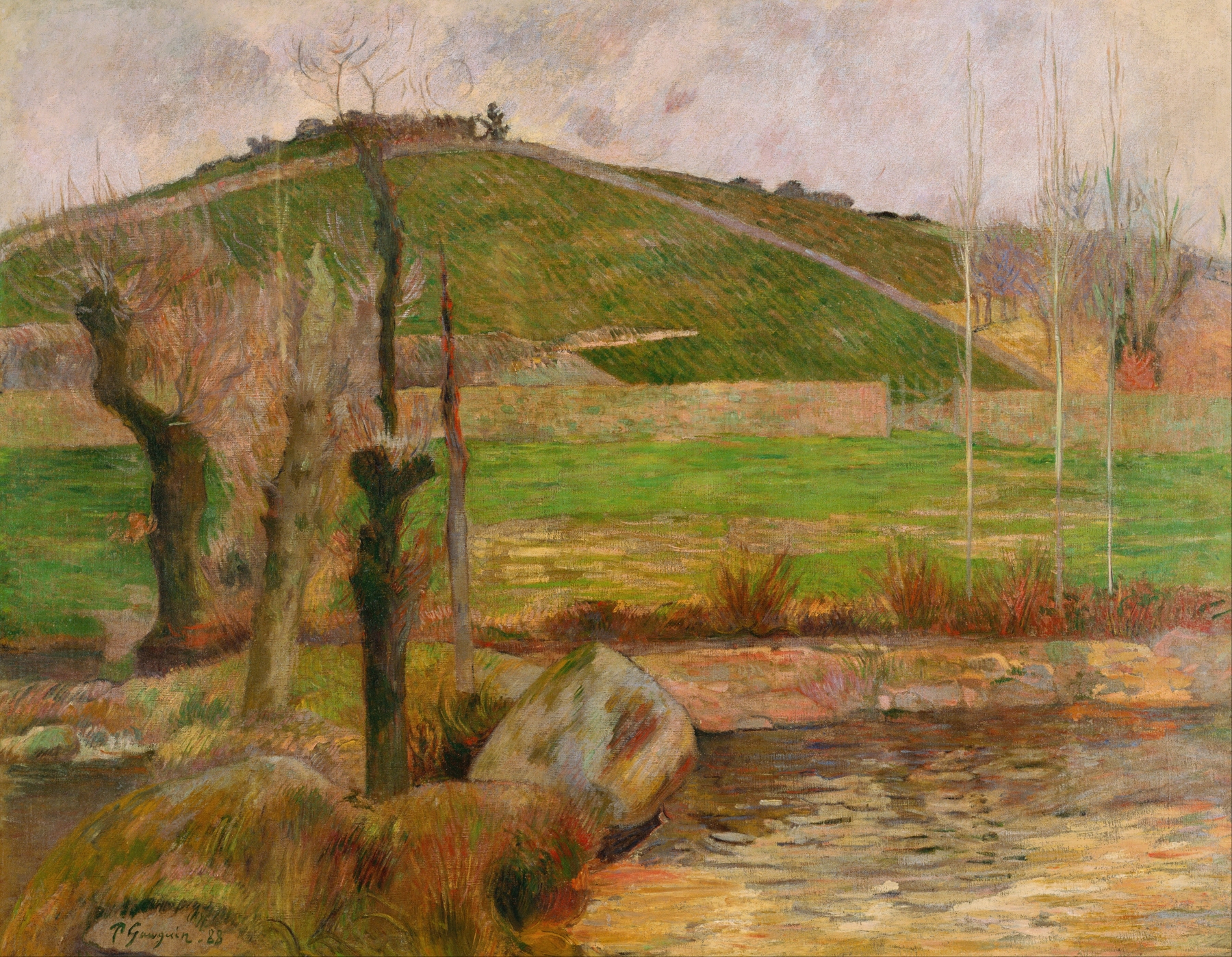
Landscape near Pont-Aven
Paul Gauguin

No te aha oe riri (Why Are You Angry?)
Paul Gauguin