
The Yellow House — History & Facts
What if silence could speak through light? In The Yellow House, the hues of gold and ochre whisper a profound sense of balance, inviting the viewer to pause and reflect. Look to the left at the sunlit facade of the house, where the vibrant yellow contrasts with the deep green of the surrounding foliage. The brushwork is expressive yet composed, with dabs of color that create a textured surface, capturing both the warmth of sunlight and the cool shadows that dance beneath the trees. Notice how the light falls upon the roof’s edges, casting soft lines that guide your gaze across the composition, leading you to the tranquil path that meanders away from the house. Beneath this idyllic scene lies an emotional tension between solitude and connection.
The stillness of the house suggests a moment frozen in time, a sanctuary untouched by the outside world. Yet, the vibrant colors pulse with life, hinting at stories and memories held within its walls. The natural elements encroaching at the edges evoke a sense of harmony, symbolizing the delicate balance between nature and human presence. Created between 1889 and 1891, this piece emerged during a transformative period for its creator, who was exploring the interplay of light and color in his works.
Living in Sweden, the artist was part of a broader movement that sought to capture the essence of everyday scenes through impressionistic techniques. This painting reflects not only his personal journey but also the artistic push towards embracing vibrancy and emotional resonance in the landscape genre.
More Artworks by Karl Nordström
Browse all →
Kyrkesund
Karl Nordström
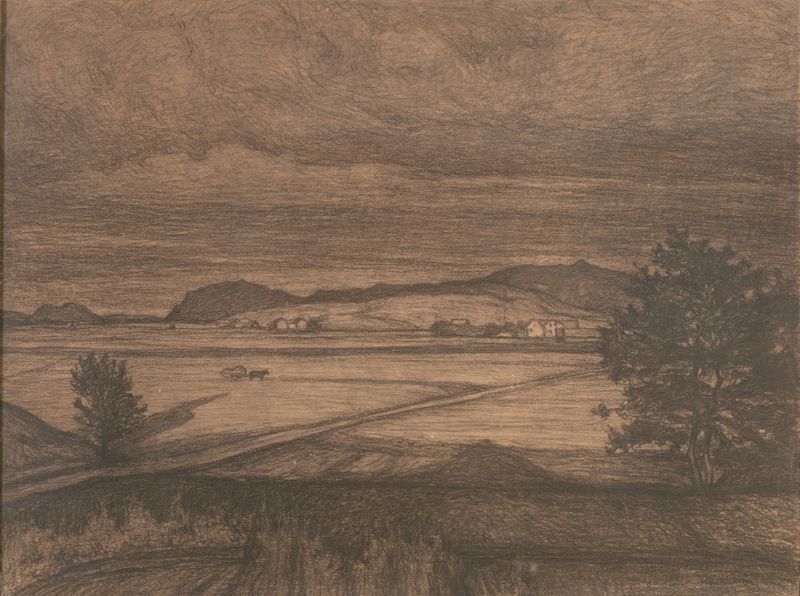
Högadal on Tjörn
Karl Nordström

Scene from Tjörn
Karl Nordström

The Surf
Karl Nordström
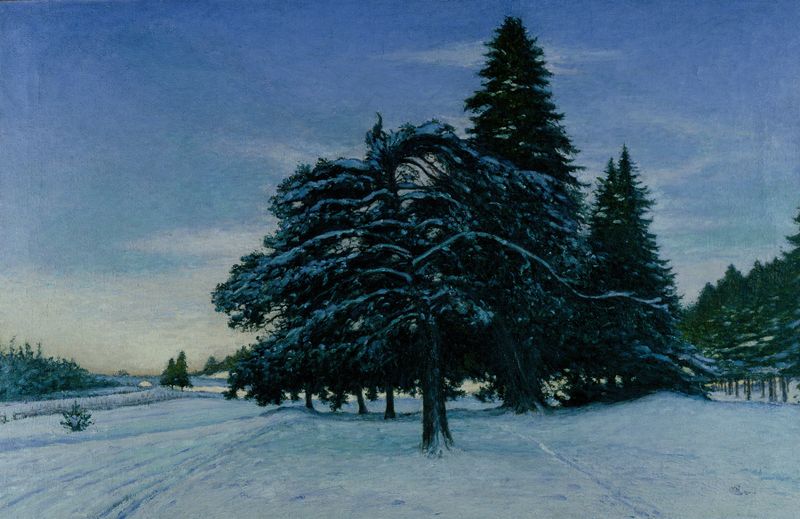
Winter’s Day at Uggleviken
Karl Nordström
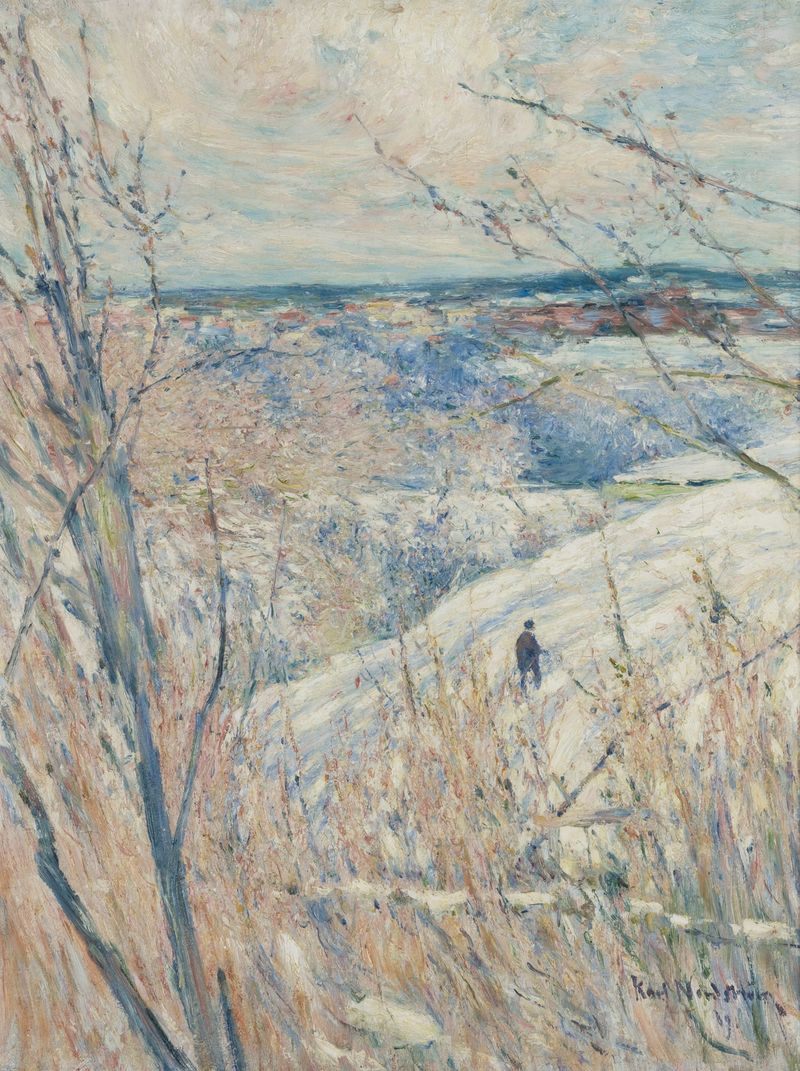
Winter
Karl Nordström

Fishing Boat
Karl Nordström

Hoga Valley, Tjörn
Karl Nordström

Roslag Street, Stockholm
Karl Nordström
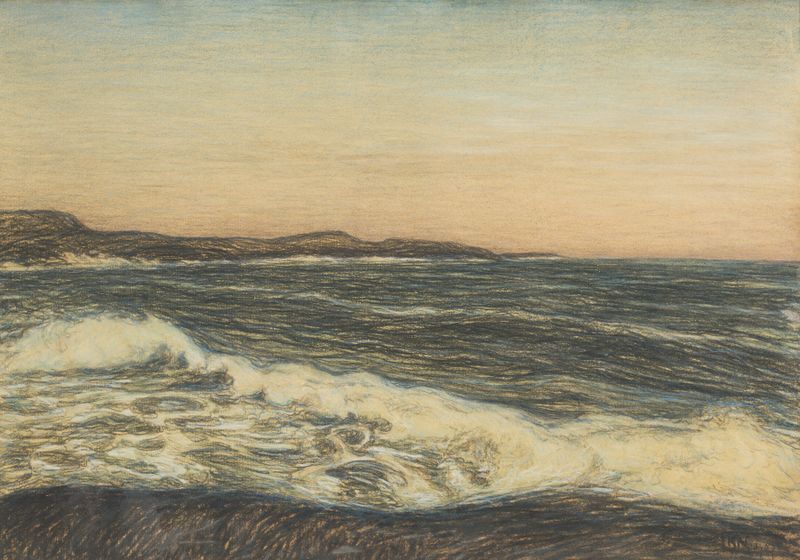
Seashore and Ground-Swell
Karl Nordström





