
The Yellowstone — History & Facts
Could beauty survive in a century of chaos? This question resonates within the lush landscapes of an artwork that speaks to rebirth and resilience amidst the tumult of its time. Look to the center of the canvas, where verdant hills roll gracefully beneath a brilliant sky, each brushstroke alive with energy. The vibrant greens contrast with the calm blues and soft whites, evoking a sense of tranquility that invites the viewer to explore every detail. Notice how the artist captures the interplay of light and shadow, creating depth that draws you into the vastness of the scene.
The delicate balance of warm and cool hues not only highlights the natural beauty but also suggests an underlying harmony that permeates the chaos of the world outside. Delving deeper, one can sense the emotional tension between the untouched landscape and the encroachment of industrialization that loomed in the artist's era. The splashes of color can be interpreted as a celebration of nature’s vibrancy, symbolizing hope and renewal, while the distant mountains serve as a reminder of the challenges ahead. This juxtaposition of serenity and foreboding creates an emotional landscape that resonates with the viewer, urging a reflection on humanity's relationship with the earth. In 1901, this piece emerged from an artist grappling with the rapid changes of the Industrial Revolution.
With the encroachment of modern life on untouched natural spaces, it reflects a longing for the beauty that could withstand such chaos. The unnamed creator captured not only the beauty of Yellowstone but also a collective desire for preservation during a pivotal moment in art history when the exploration of American landscapes was becoming increasingly vital.
More Artworks by Unidentified artist
Browse all →
Self-portrait with a Bandaged Ear and Pipe
Unidentified artist

Feast in the House of Levi
Unidentified artist
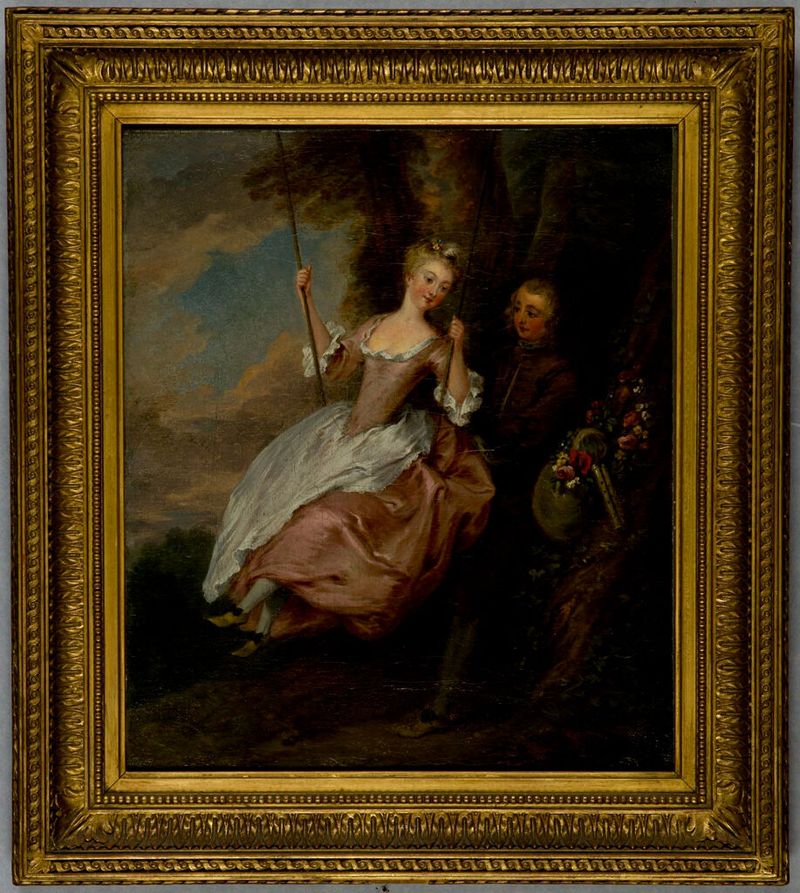
The Swing
Unidentified artist

Geoffrey Chaucer (1340?-1400)
Unidentified artist

Portrait of Michelangelo after the "Strozzi" original in the Uffizi Gallery
Unidentified artist
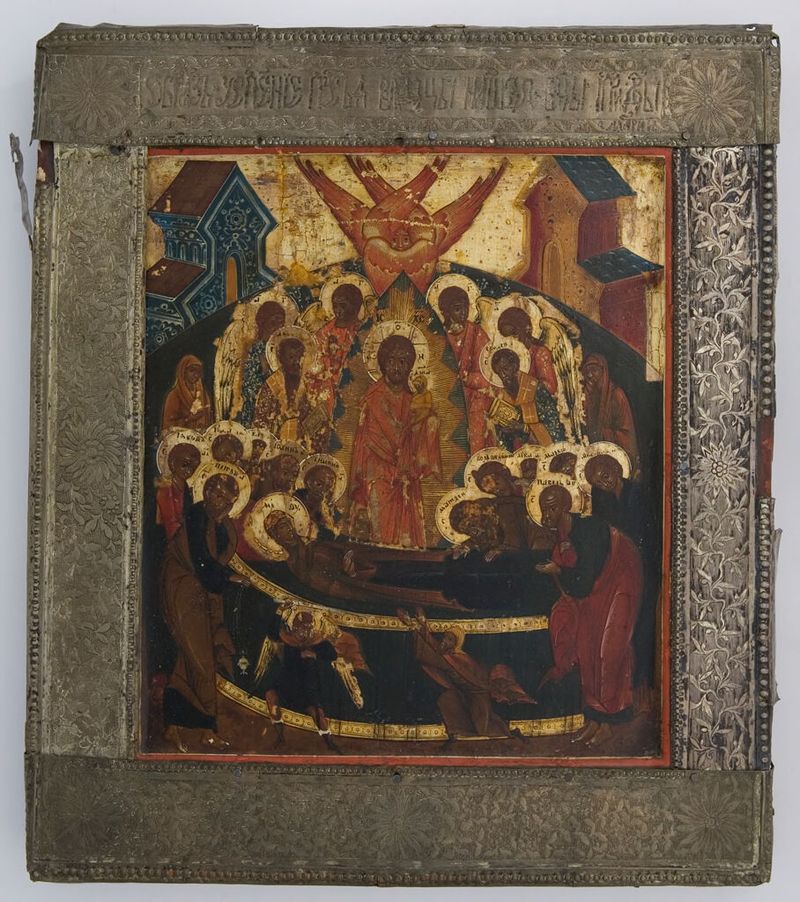
Dormition of the Virgin
Unidentified artist

Charles I (after a van Dyck painting in the Staatliche Museen, Gemaldegalerie, Dresden)
Unidentified artist

Madonna and Child
Unidentified artist

John Winthrop, the Younger (1606-1676)
Unidentified artist

Crucifix with the Virgin and Saint John the Evangelist, Christ the Redeemer, and a Praying Woman
Unidentified artist





