
Theatre Scene in a City Garden — History & Facts
A flickering candlelight casts long shadows as dusk descends upon a city garden. In the center, a small stage stands adorned with colorful drapery, where actors, caught in a moment of suspended emotion, prepare for a performance. The audience, a mixture of elegant gentlemen and ladies, leans forward, their faces illuminated by an ethereal glow, embodying a blend of anticipation and sorrow. Look to the left, where a young woman in a flowing gown gazes wistfully at the actors, her expression steeped in a bittersweet longing.
Notice how the colors shift from vibrant hues to muted tones as the light dances across the scene, emphasizing the contrast between joy and grief. The lush greenery envelops the stage, while the soft, golden light seems to cradle the figures, drawing the viewer’s eye toward the interplay of gestures that narrate an unspoken story. The tension between the performers and the onlookers speaks to the complexity of human emotion; there is joy in the art, yet an underlying sorrow that lingers. The delicate hands of the actors attract attention, their gestures amplified to convey feelings that words cannot express.
Each figure appears trapped between the world of performance and their own inner turmoil, suggesting that while art offers escape, it cannot fully dissolve the weight of reality. Barend Hendrik Thier painted Theatre Scene in a City Garden during his time in the Netherlands, between 1753 and 1811. This period was marked by a rising interest in genre scenes that captured everyday life, reflecting social dynamics and the human condition. Thier, influenced by the Neoclassical style, sought to meld theatricality with realism, creating a poignant tableau that resonates with the complexities of life and emotion.
More Artworks by Barend Hendrik Thier
Browse all →
Zandweg tussen bomen met hooiwagen
Barend Hendrik Thier
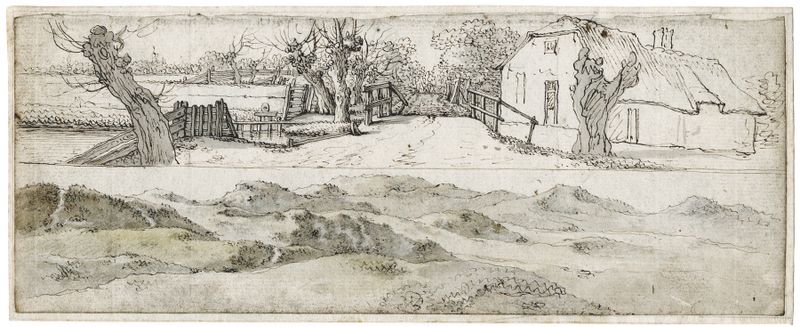
Twee landschapjes
Barend Hendrik Thier
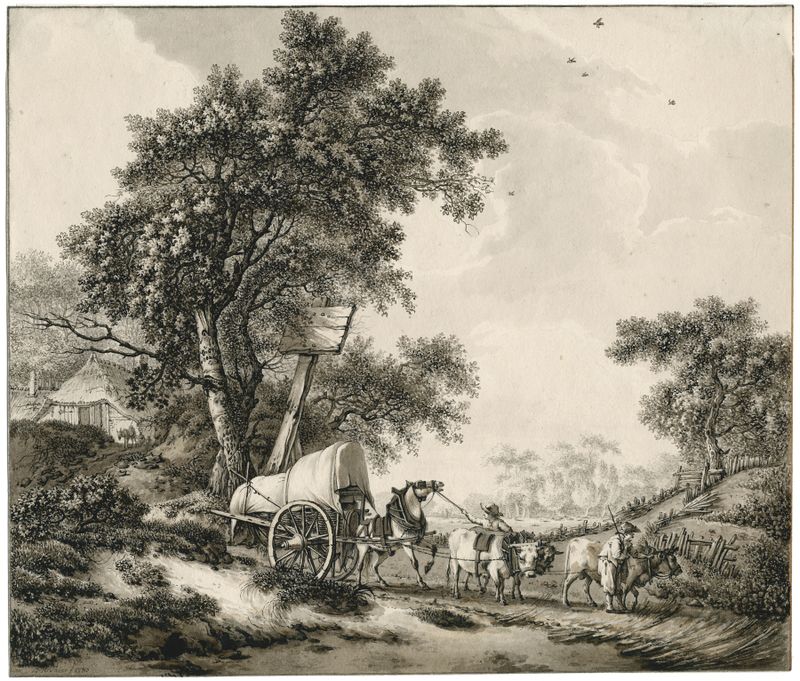
Landscape with covered waggon
Barend Hendrik Thier

Bosweg langs een beek
Barend Hendrik Thier
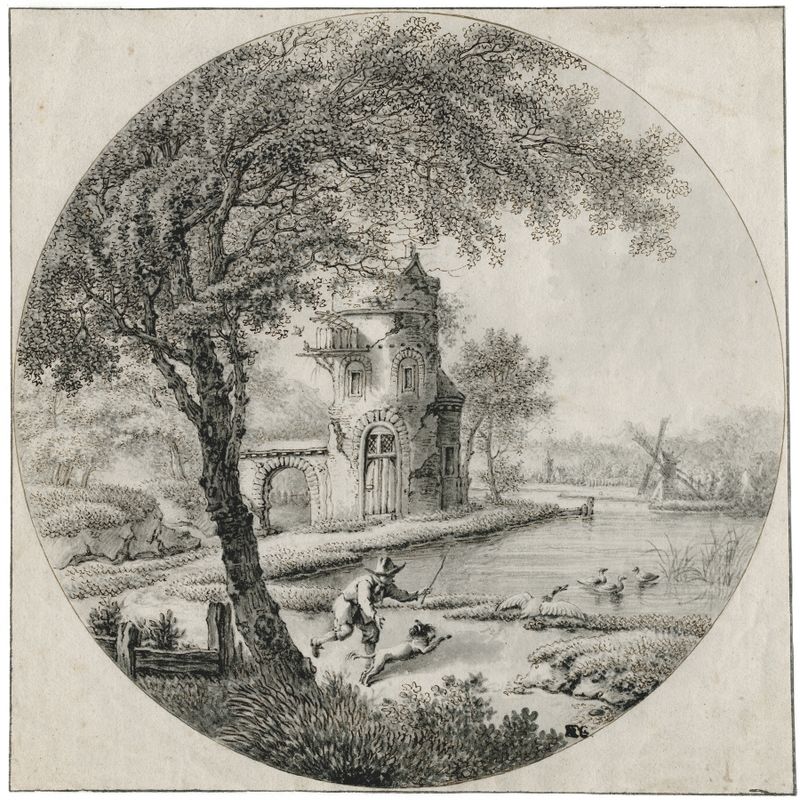
Toren aan een vijver
Barend Hendrik Thier

Landscape with horses
Barend Hendrik Thier
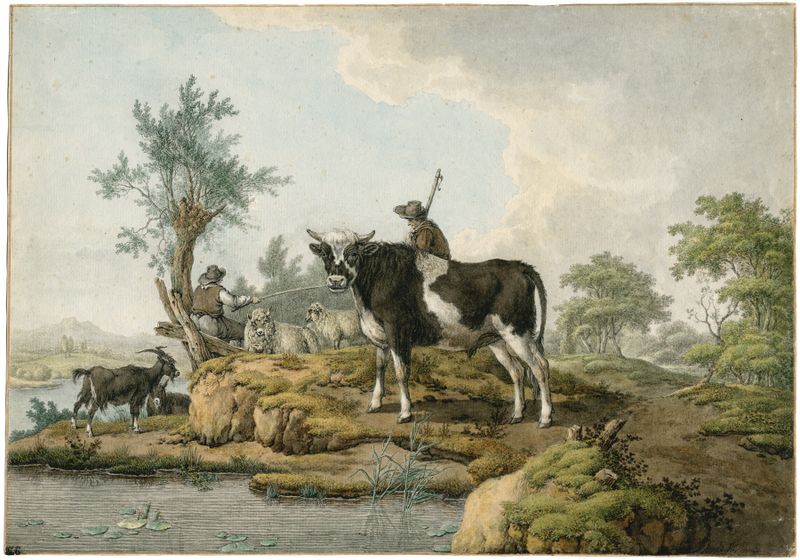
Boeren met jonge stier en ander vee langs waterkant
Barend Hendrik Thier
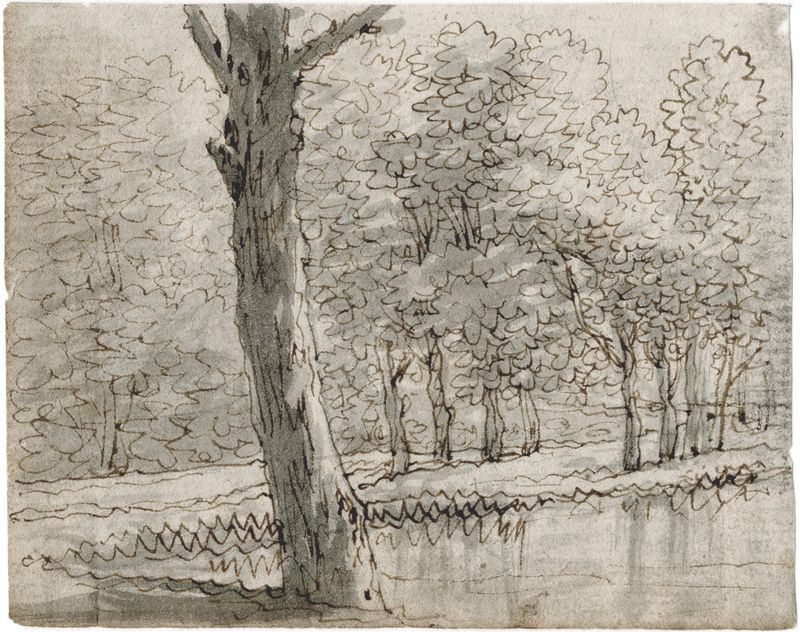
Bomen langs
Barend Hendrik Thier

Boerderij
Barend Hendrik Thier
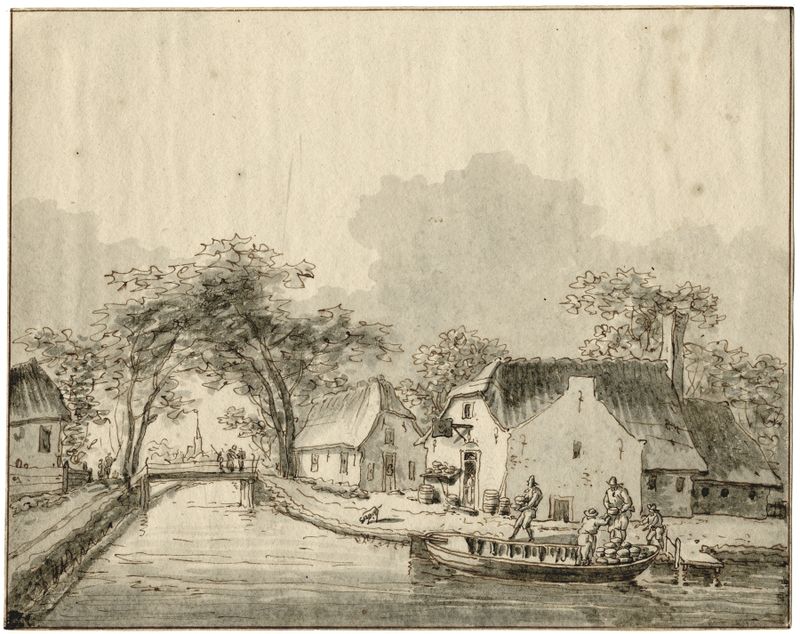
Vaart in dorpje
Barend Hendrik Thier





