
Three Figures in a Hilly Landscape with Ruins, beyond — History & Facts
This stillness invites the viewer to ponder the depths of desire hidden within tranquil landscapes and solitary figures. Look to the left at the trio of figures, their postures suggesting a shared journey yet marked by an unbridgeable distance. Notice how the muted earth tones of the hills contrast with the vibrant patches of sky, capturing the tension between nature's grandeur and human insignificance. The ruins in the background loom large, remnants of a forgotten world, their crumbling stones echoing with untold stories and aspirations. These figures, seemingly separate, encapsulate the yearning for connection amid desolation.
The undulating hills echo the emotional landscape of the viewer, suggesting both the beauty and the hardship of life’s pursuits. The light cascading over the scene hints at an elusive promise, the kind that spurs on dreams while simultaneously reminding us of their fragility and transience. William Gilpin painted this piece in the years between 1745 and 1748, a time when the Enlightenment was reshaping perceptions of nature and art. Living in England, he was a pivotal figure in the emergence of the picturesque movement, advocating for the beauty found in natural landscapes.
This work reflects not only his artistic evolution but also the broader cultural shifts of his time, where the sublime and the pastoral began to coexist in new and meaningful ways.
More Artworks by William Gilpin
Browse all →
Bridgnorth Bridge, Shropshire
William Gilpin
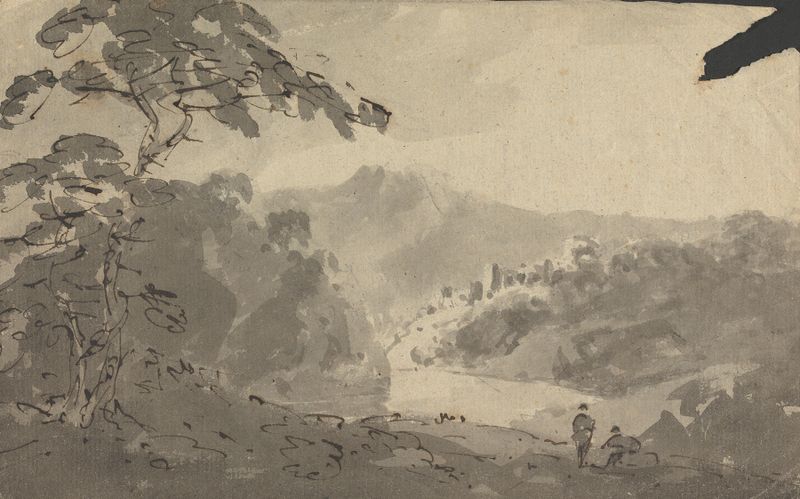
Two Men Looking Into Landscape with Castle, River and Mountain Scene
William Gilpin
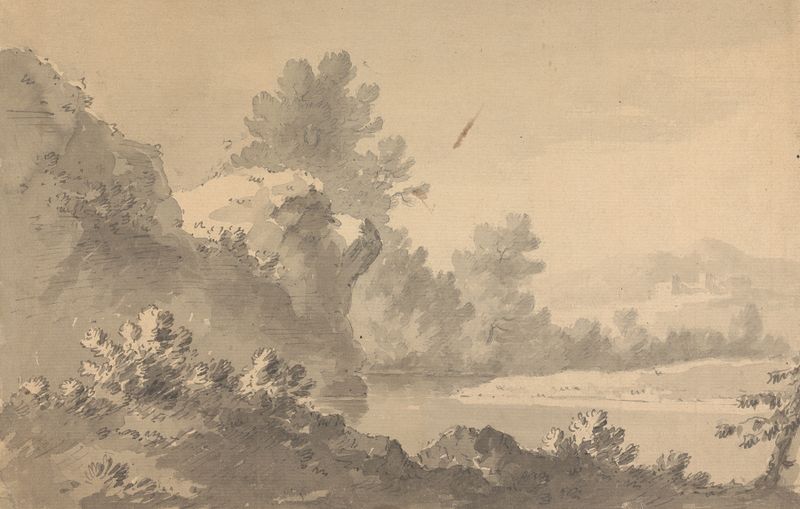
River Landscape with Castle in the Distance
William Gilpin
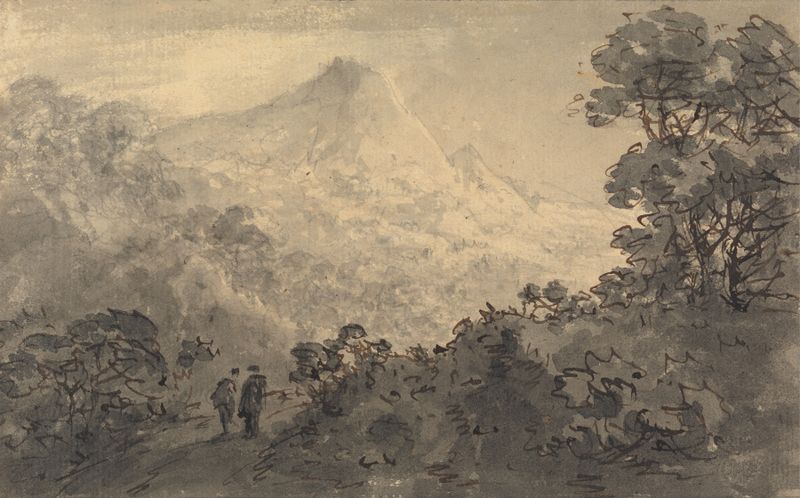
Snowdon
William Gilpin

Hilly Landscape
William Gilpin
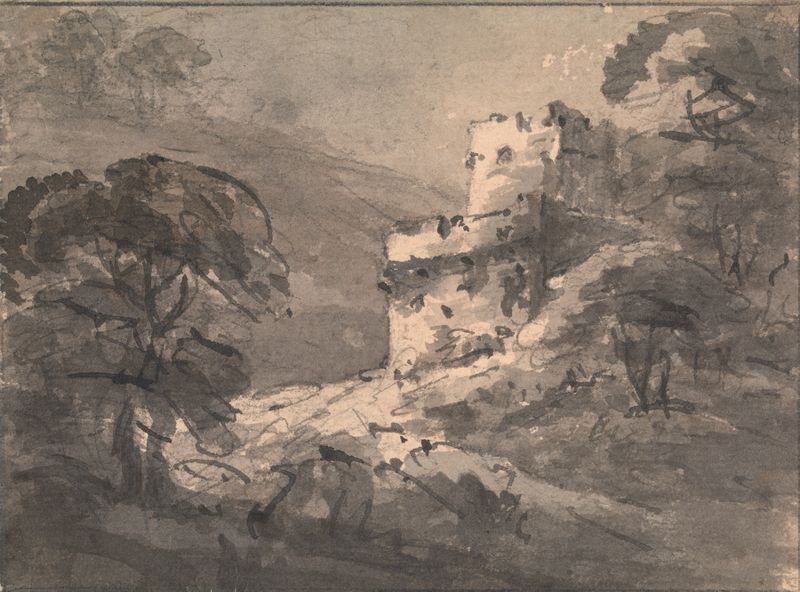
Landscape with a Ruined Castle on the Right
William Gilpin

Mountainous Landscape with Trees – High Crags to the Right
William Gilpin

View of Castle Ruin
William Gilpin
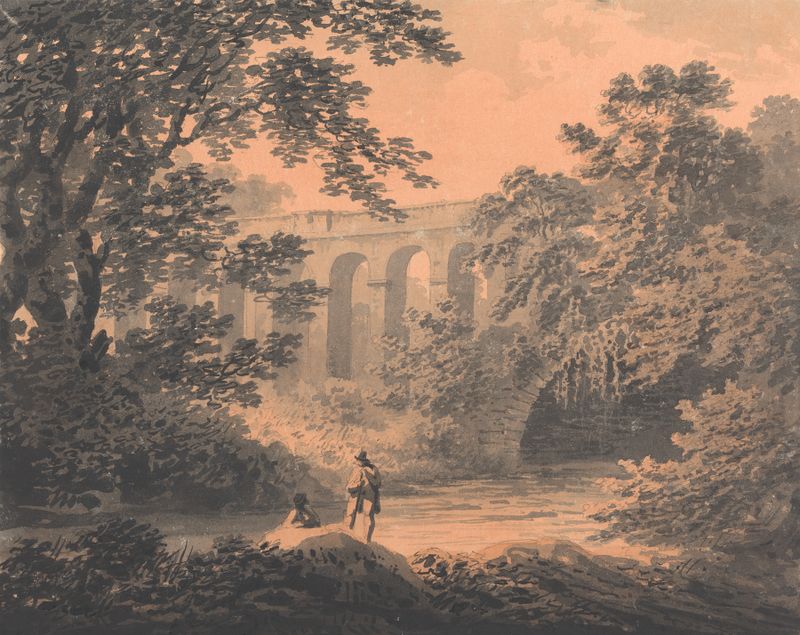
Bridge on the Malton Road from York
William Gilpin

Landscape with Two Trees and Castle
William Gilpin





