
Three Figures in a Landscape — History & Facts
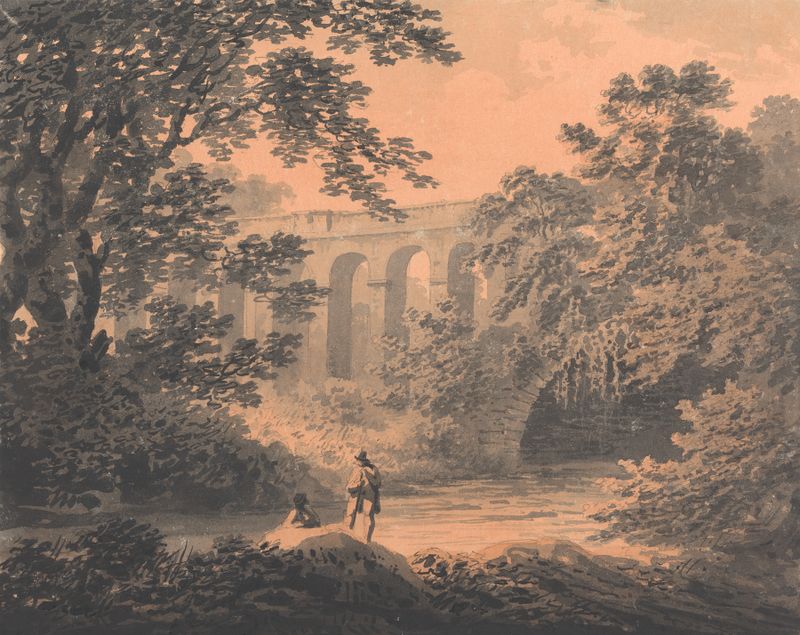
Can beauty exist without sorrow? In Three Figures in a Landscape, the silence of nature envelops the three figures, inviting a contemplation of their unspoken stories. Look to the left at the figure standing by the tree, arms folded, their posture a blend of contemplation and stillness. The muted greens and earth tones of the landscape create an earthy tranquility, while the wispy clouds above hint at an impending change. The soft, dappled light falls gently across the scene, illuminating the natural details that amplify the sense of solitude, a serene but heavy atmosphere that suggests more than mere beauty. Within the painting lies a contrast between the vibrancy of the landscape and the figures’ quietude.
The trees, lush and full, seem to beckon life, while the figures stand in relative stillness, offering a poignant commentary on the relationship between humanity and nature. The viewer feels a tension in their stillness, as if each figure grapples with their own internal struggles, juxtaposed against the flourishing backdrop that thrives with potential. William Gilpin created Three Figures in a Landscape in 1766, a time when the emphasis on the sublime in nature was gaining prominence in the world of art. Living in England, Gilpin was influenced by the Romantic ideals of the era, striving to capture the emotional landscape that nature evokes.
The painting reflects his dedication to both the natural world and the complex human experience within it, a synthesis that invites contemplation amidst its stillness.
More Artworks by William Gilpin
Browse all →
Bridgnorth Bridge, Shropshire
William Gilpin
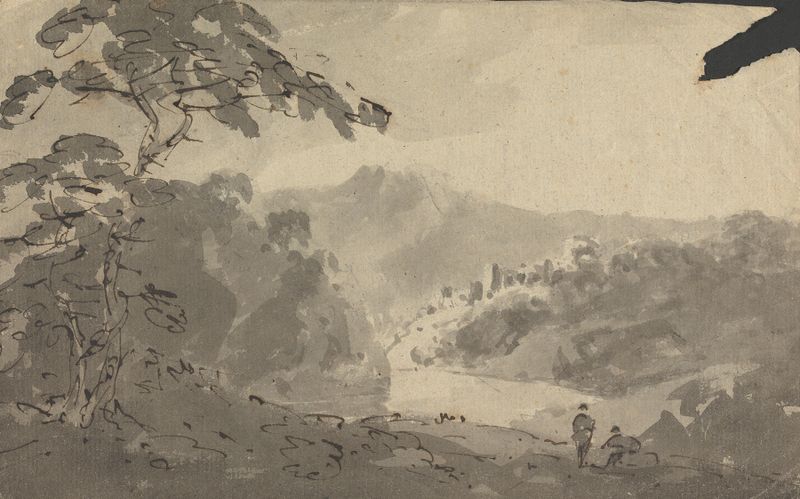
Two Men Looking Into Landscape with Castle, River and Mountain Scene
William Gilpin
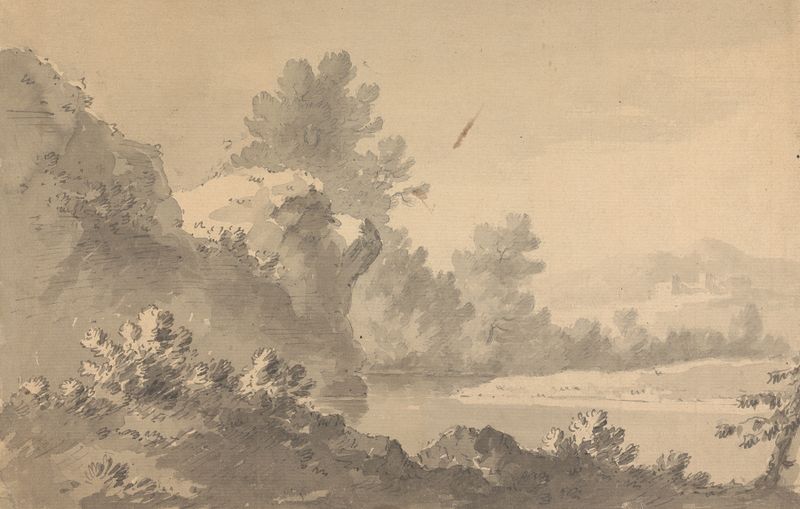
River Landscape with Castle in the Distance
William Gilpin
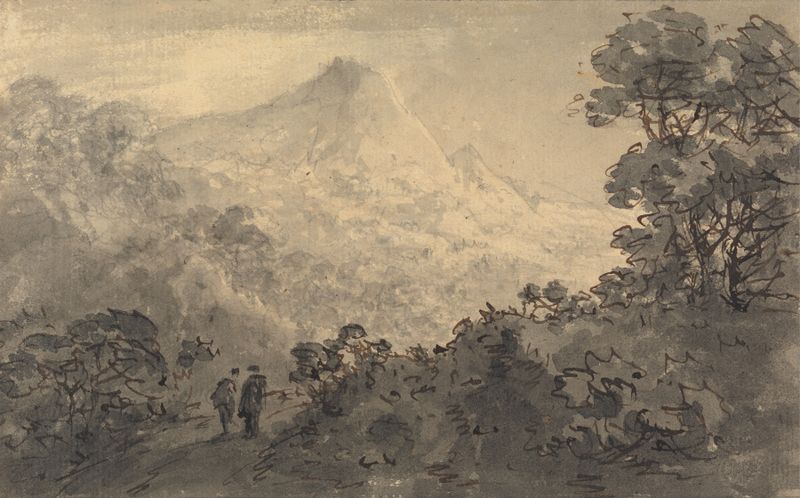
Snowdon
William Gilpin

Hilly Landscape
William Gilpin
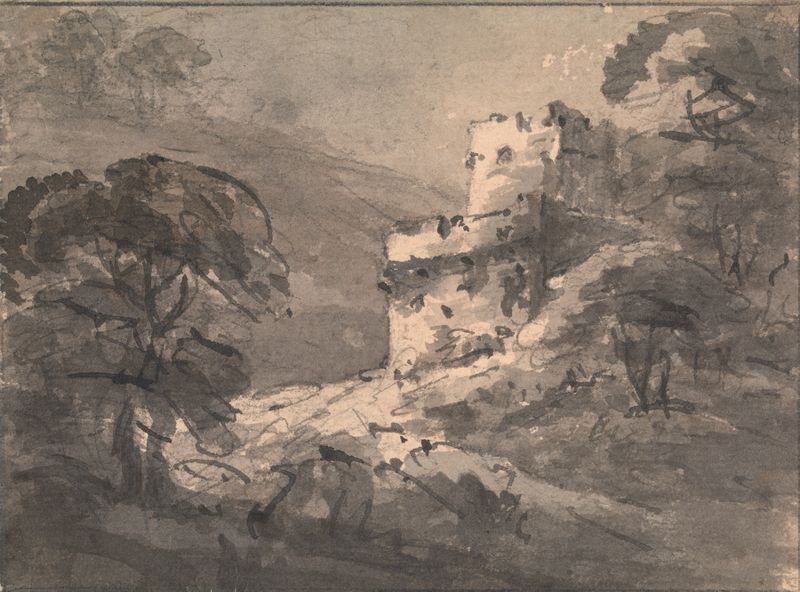
Landscape with a Ruined Castle on the Right
William Gilpin

Mountainous Landscape with Trees – High Crags to the Right
William Gilpin

View of Castle Ruin
William Gilpin
Bridge on the Malton Road from York
William Gilpin

Landscape with Two Trees and Castle
William Gilpin





