
Three trees — History & Facts
Each stroke of paint captures the fleeting essence of life, precisely reflecting our mortal journey. Look to the center of the canvas, where three trees stand resilient against a backdrop of a soft, muted sky. The artist employs a delicate palette of earthy greens and browns, contrasted with ethereal greys and dusky blues, creating a serene yet poignant atmosphere. The trees, with their gnarled branches and textured bark, evoke a sense of age and endurance, inviting viewers to contemplate the passage of time. Yet it is the subtle interplay of light and shadow that reveals deeper truths about mortality.
Notice how the light caresses the leaves, suggesting moments of vitality, while deeper shadows loom at the base, hinting at decay and the inevitable cycle of life. These trees are more than mere subjects; they stand as silent witnesses to the stories of generations, reflecting both the beauty and the sorrow of existence. Arthur Blaschnik painted this work in 1853 during a period of personal introspection. Living in a world that was grappling with industrialization and change, he sought refuge in the natural landscapes around him.
The era was marked by a growing awareness of nature’s fragility, and through his brush, he captured both the serenity and the poignant truth of mortality in this timeless piece.
More Artworks by Arthur Blaschnik
Browse all →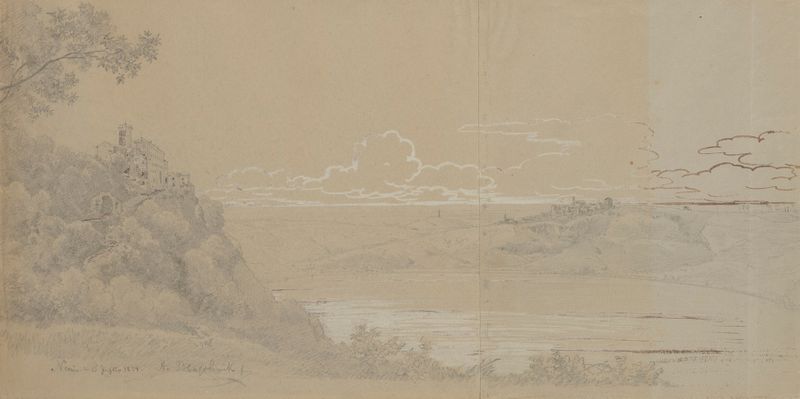
Palazzo Ruspoli by Lake Nemi, in the Distance the Town of Genzano di Roma
Arthur Blaschnik
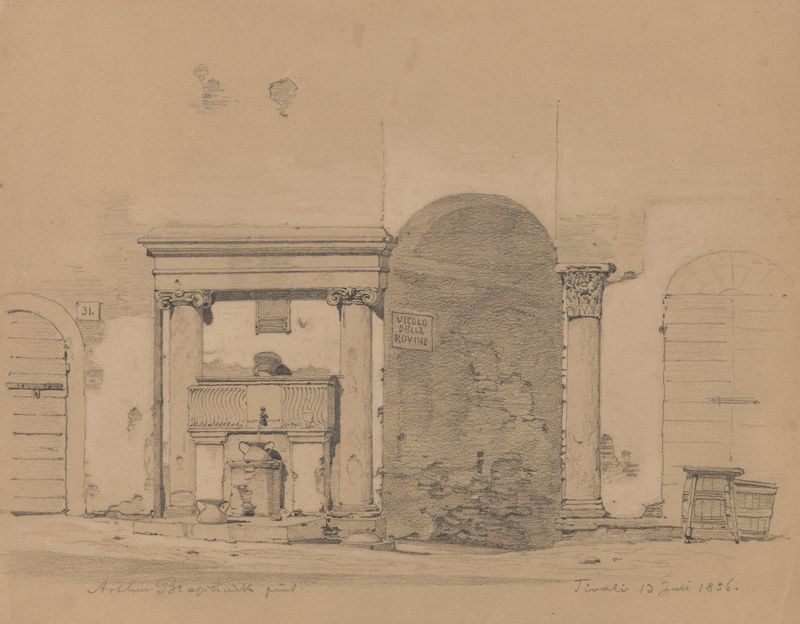
Gate Leading to Vicoli dei Grana near Piazza Palatina in Tivoli
Arthur Blaschnik
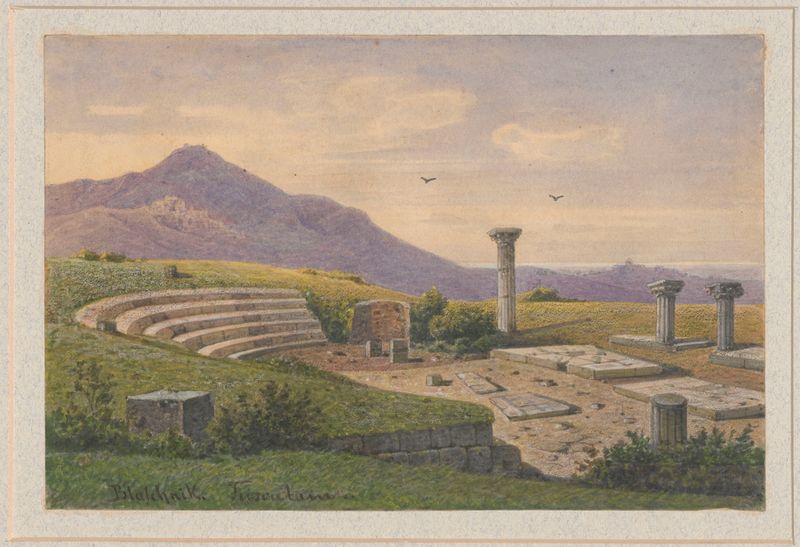
Amphitheatre in Tusculum
Arthur Blaschnik
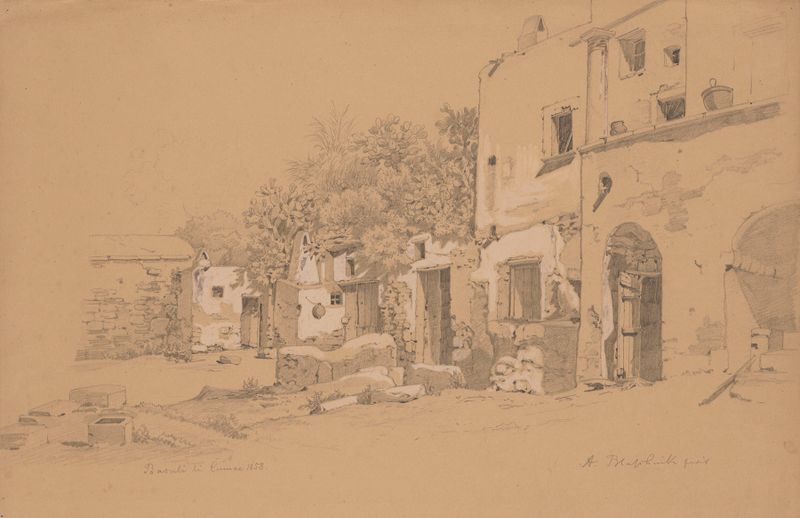
House and Outbuildings in Bacoli
Arthur Blaschnik
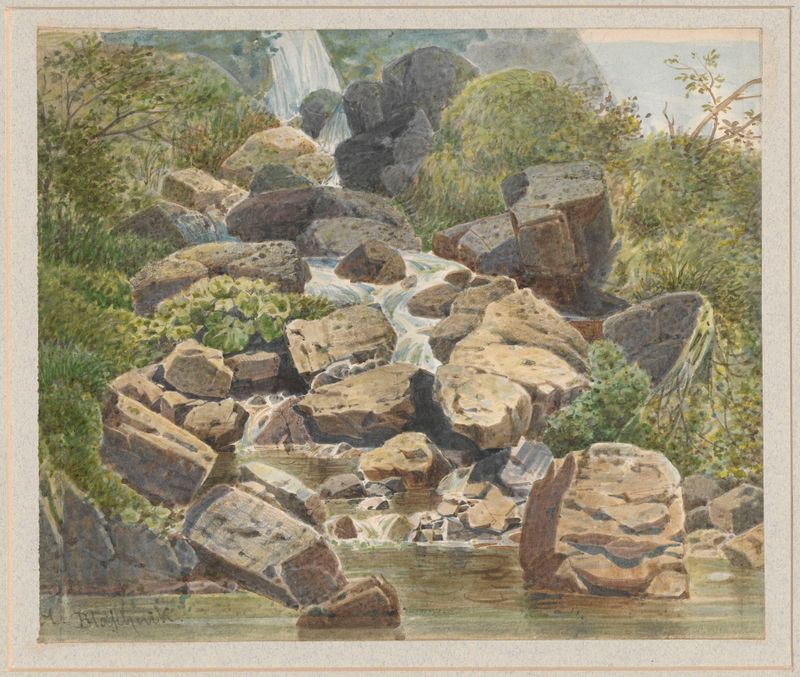
View of a small waterfall near Covigliaio, Tuscany
Arthur Blaschnik
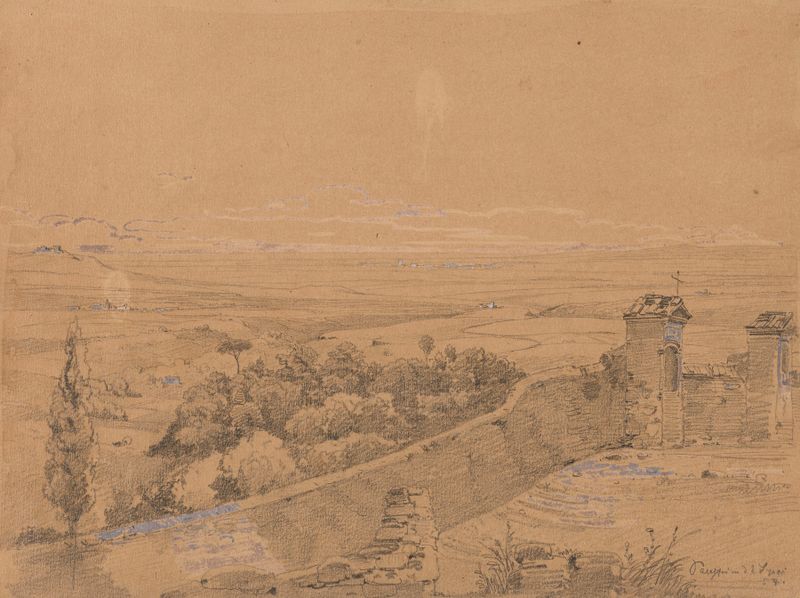
Landscape from the Vicinity of Palestrina
Arthur Blaschnik
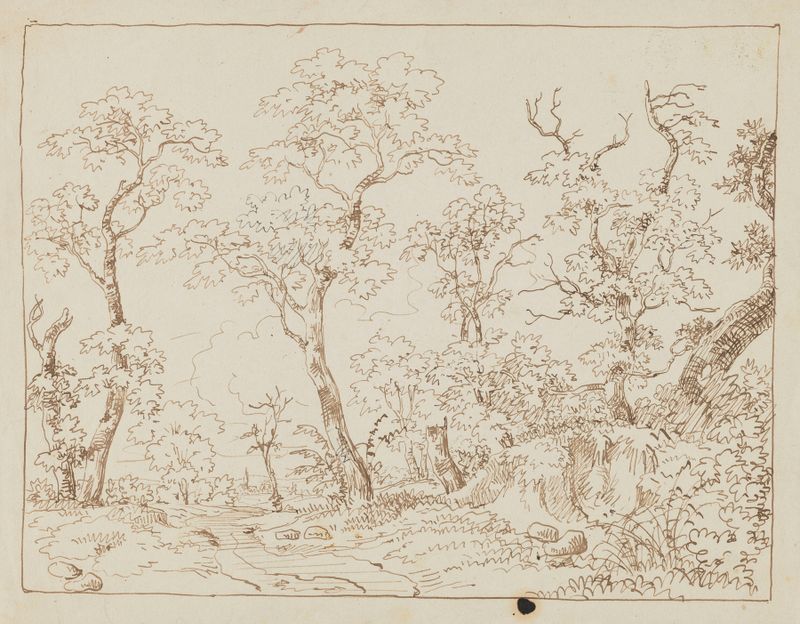
Studies of Trees, Landscape
Arthur Blaschnik
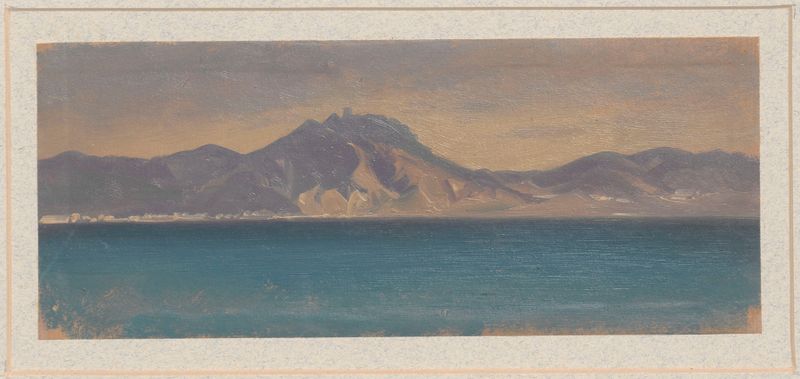
View of the Island of Capri
Arthur Blaschnik
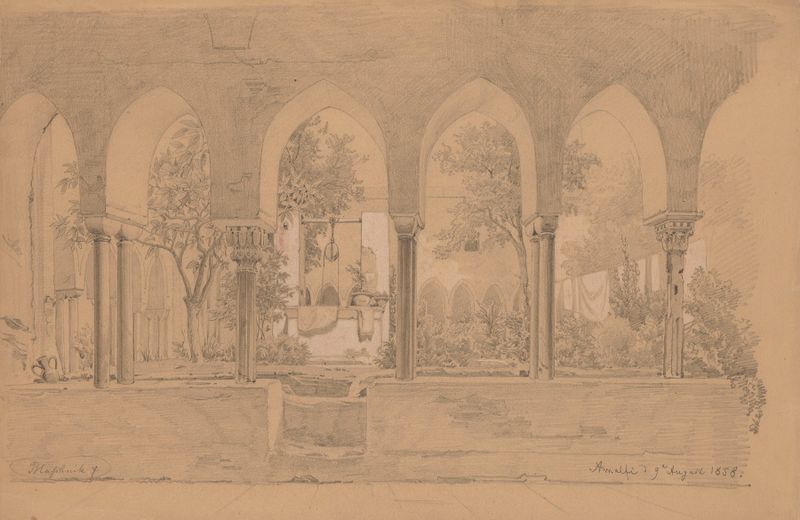
Cloister with Arcade Gallery in Amalfi
Arthur Blaschnik
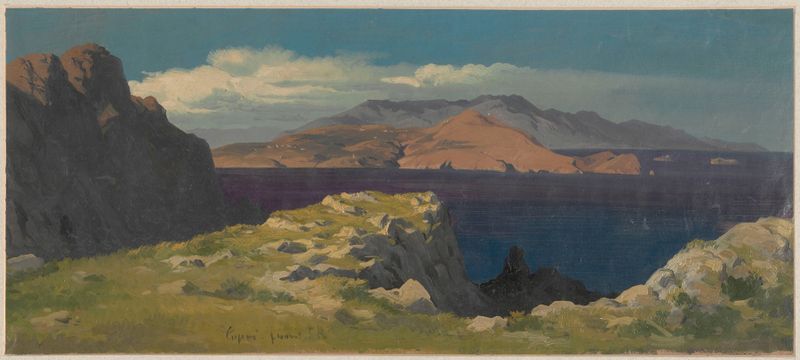
View of Capri
Arthur Blaschnik





