
Tilbury Fort — History & Facts
When did color learn to lie? In a world tinted by the brushstrokes of perception, each hue whispers secrets that diverge from reality and illuminate the bounds of faith. Look to the center of the canvas, where the vibrant greens and soft blues come together in a harmonious embrace. The fort stands resolute, its stone structure painted with meticulous detail, inviting the viewer to explore the texture of its walls. Notice how the light dances across the surface, casting shadows that hint at the passage of time, while a serene sky looms overhead, framed by drifting clouds, suggesting both tranquility and tension. The fort’s sturdy presence juxtaposes against the surrounding landscape, reflecting a silent struggle between man-made resilience and the fleeting beauty of nature.
Small figures in the foreground hint at life and activity, yet their indistinct shapes evoke a sense of anonymity and universality. This creates a poignant contrast, as the viewer is left to ponder the human experience against the eternal backdrop of the natural world, raising questions of faith in stability amidst change. During the early 19th century, Edward Francis Burney painted Tilbury Fort amidst a burgeoning interest in topographical landscapes in Britain. While the artist's career flourished in a time where Romanticism began to challenge Neoclassical ideals, he was deeply engaged in capturing the essence of the British landscape.
This painting reflects not only his technical skill but also the cultural context of a nation on the verge of transformation, where faith in the past coexisted with an uncertain future.
More Artworks by Edward Francis Burney
Browse all →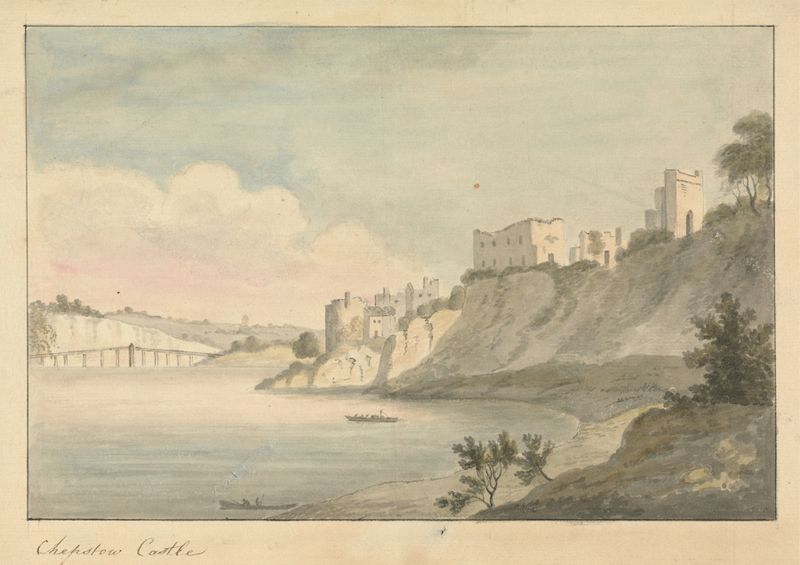
Chepstow Castle
Edward Francis Burney
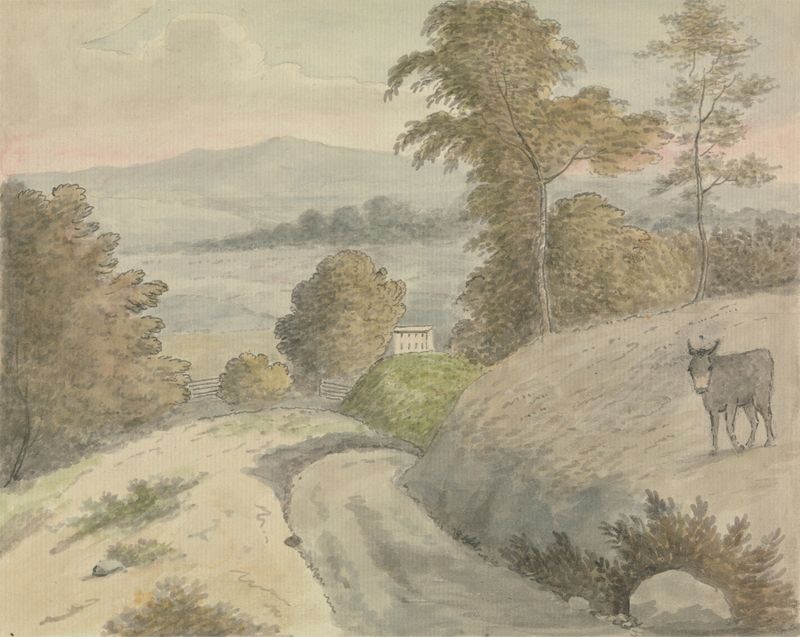
View in Surrey
Edward Francis Burney
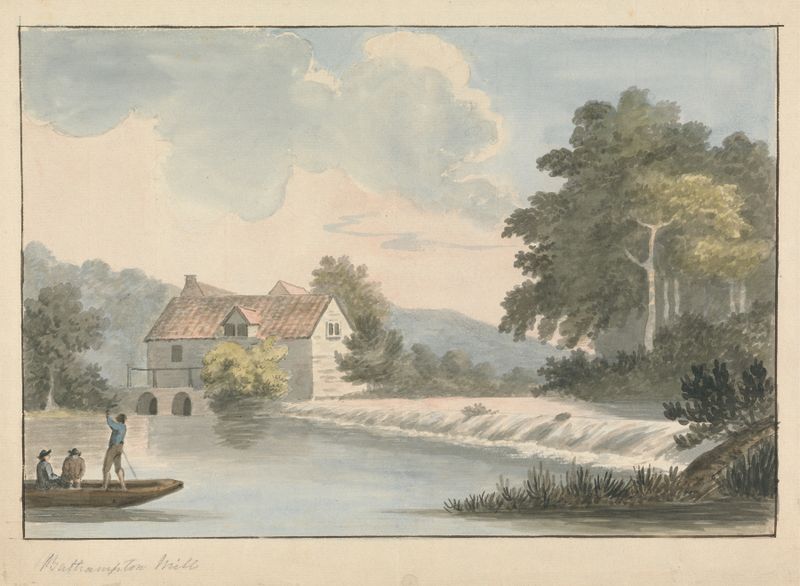
Bathampton Mill
Edward Francis Burney
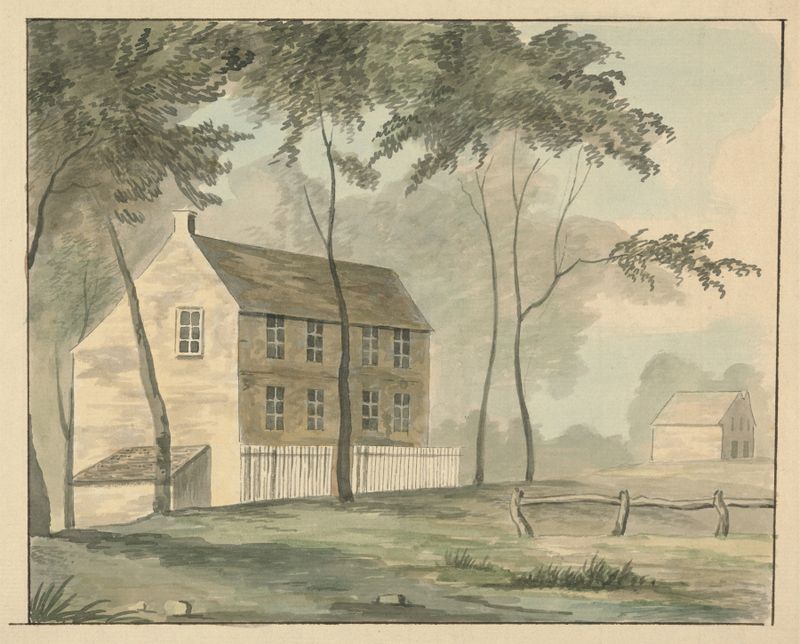
Country House.
Edward Francis Burney
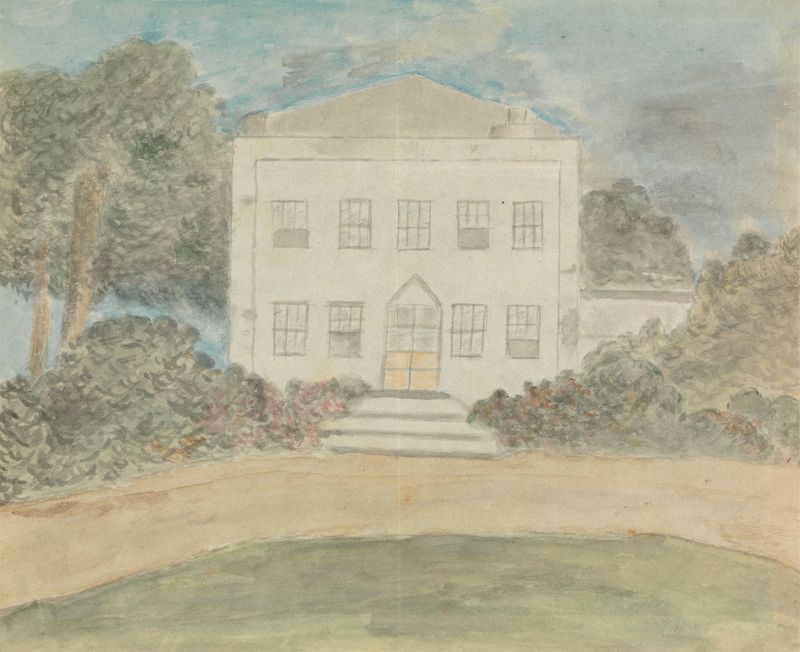
Country House
Edward Francis Burney
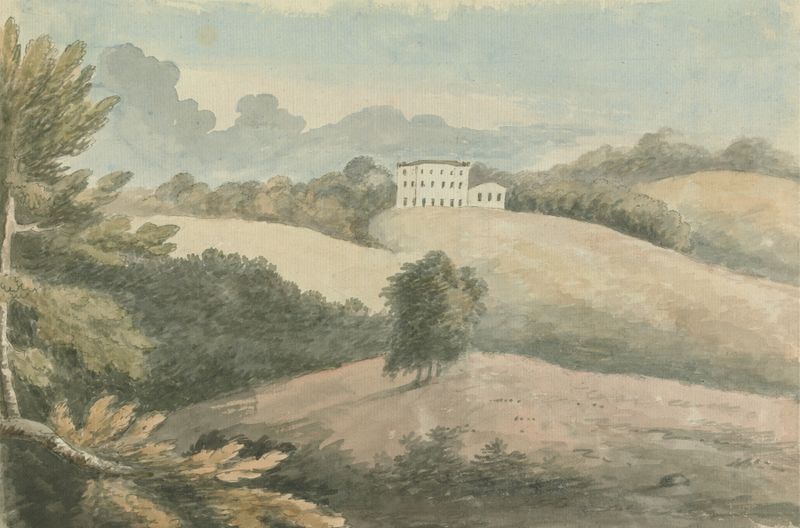
Mowbray Park
Edward Francis Burney
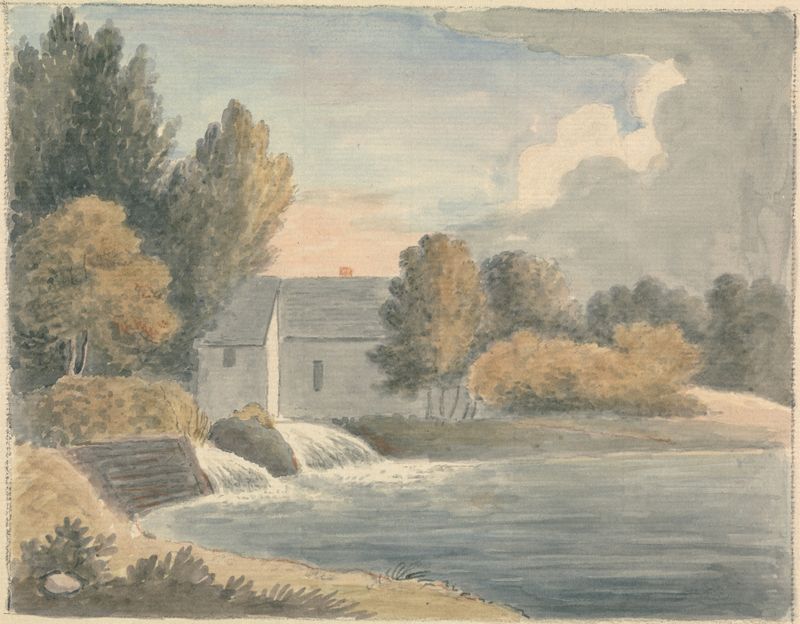
Bathampton Mill.
Edward Francis Burney
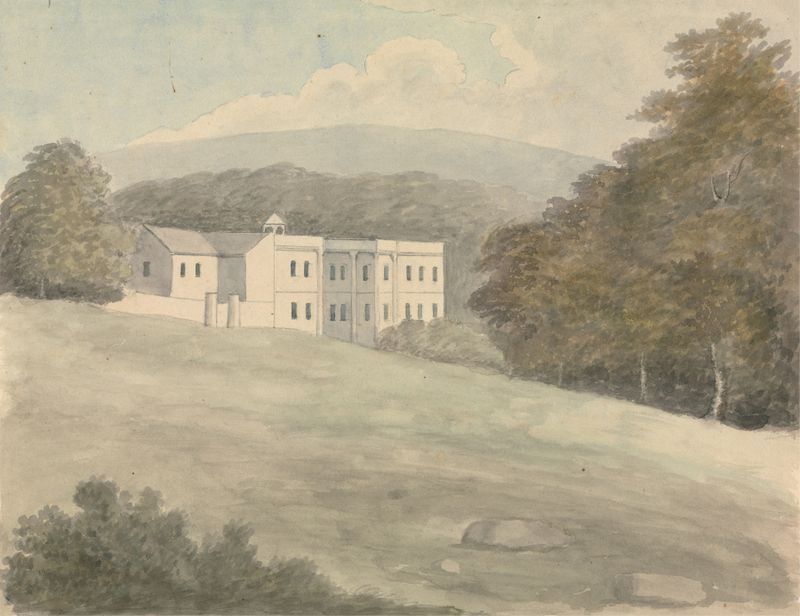
Norbury Park
Edward Francis Burney
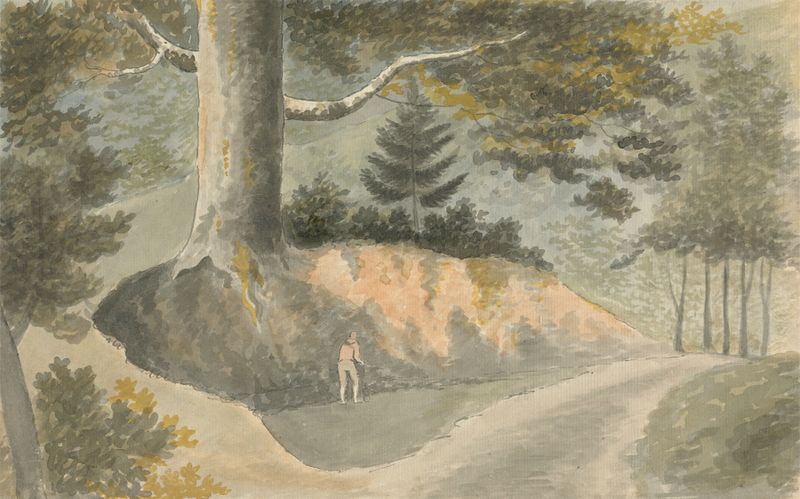
Road in the Forest
Edward Francis Burney
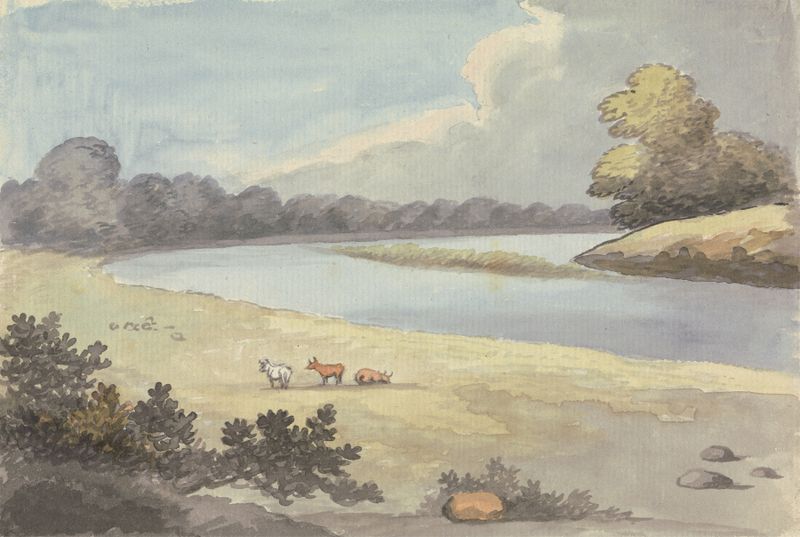
Richmond
Edward Francis Burney





