
Tivoli, a view of the Temple of the Sibyl — History & Facts
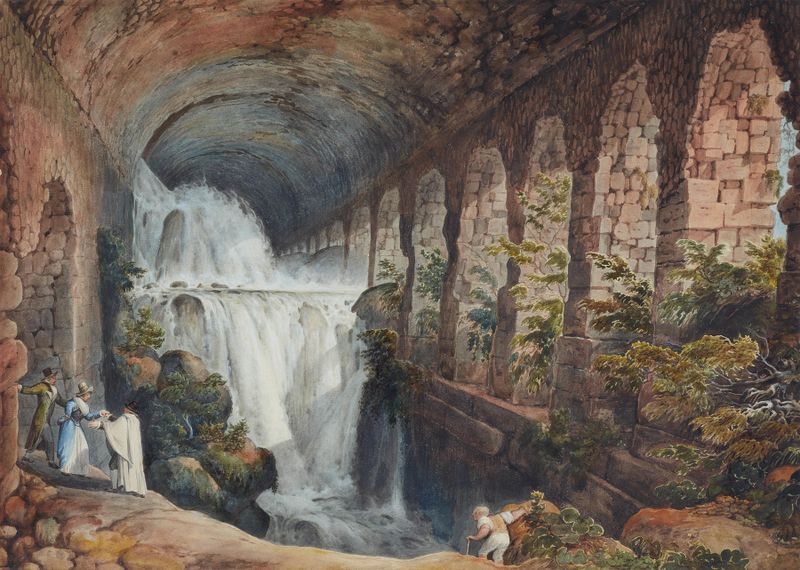
When did color learn to lie? In the enchanting landscape of Tivoli, a view of the Temple of the Sibyl, emptiness is felt as profoundly as presence. The vibrant hues speak to beauty, yet they conceal an undercurrent of solitude that lingers in the corners of the canvas. Look to the left at the towering ruins, their crumbling stone silhouetted against the brilliant sky. Notice how the vivid greens of foliage dance with the warm golds and soft blues of the distant hills, creating an illusion of life.
The artist employs delicate brushwork, where dappled sunlight filters through the trees, inviting viewers to traverse this ethereal realm. Each shade is meticulously chosen, evoking a sense of both grandeur and desolation, capturing the fleeting nature of beauty—and the whispers of forgotten stories. As you delve deeper into the scene, consider the juxtaposition between the vibrant foreground and the barren remnants of the temple. These structures, steeped in history, evoke a yearning for times long past, yet their decay renders them silent witnesses of transience.
The interplay of light and shadow heightens this emotional tension, inviting reflection on the passage of time and the weight of memory—an echo of human existence in a landscape that stands both timeless and empty. Ducros painted this work during a period of personal exploration and artistic evolution, likely between 1784 and 1793. At this time, he was in Rome, observing the classical ruins that inspired many artists of the Enlightenment. The world was shifting, with burgeoning ideas of Romanticism beginning to challenge neoclassical ideals, leading Ducros to capture the essence of both beauty and melancholic solitude in his landscapes.
More Artworks by Abraham-Louis-Rodolphe Ducros
Browse all →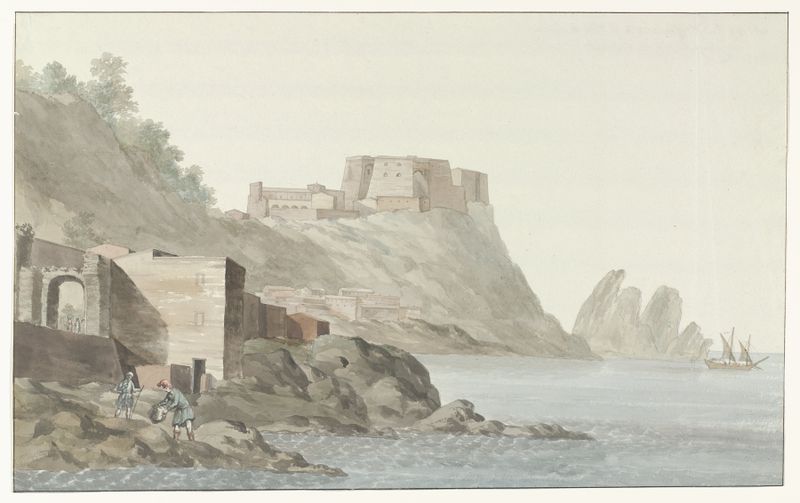
Rots en stad Scilla in de regio Calabrië aan de oostkust
Abraham-Louis-Rodolphe Ducros
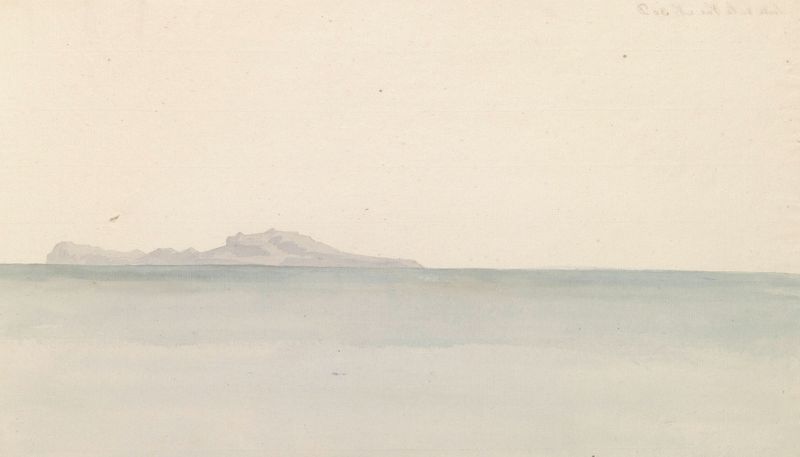
Gezicht op Golf van Napels vanaf kade bij kerk Santa Maria del Carmine
Abraham-Louis-Rodolphe Ducros
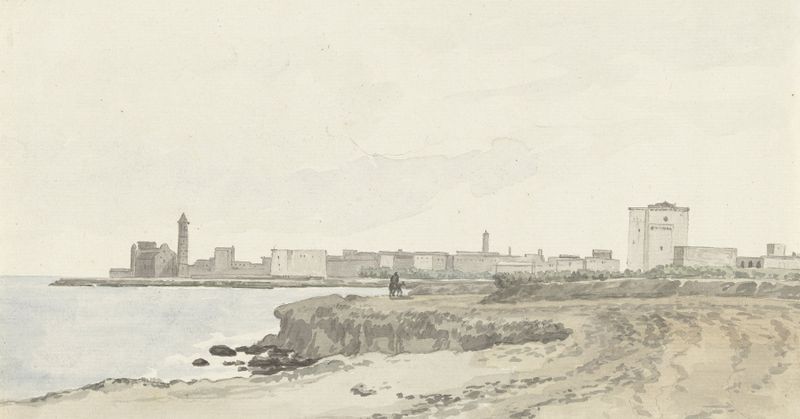
Gezicht op Trani gelegen aan de kust
Abraham-Louis-Rodolphe Ducros
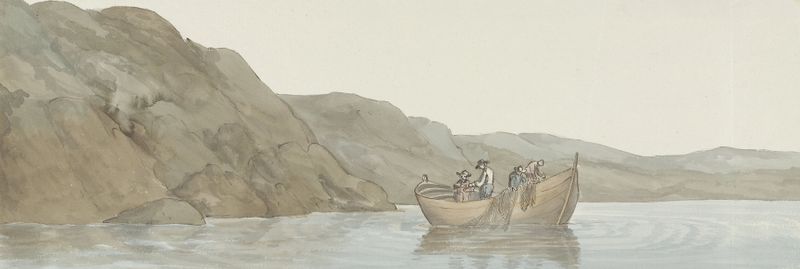
Gezicht op Kaap Paceco in Calabrië nabij de stad Scilla
Abraham-Louis-Rodolphe Ducros
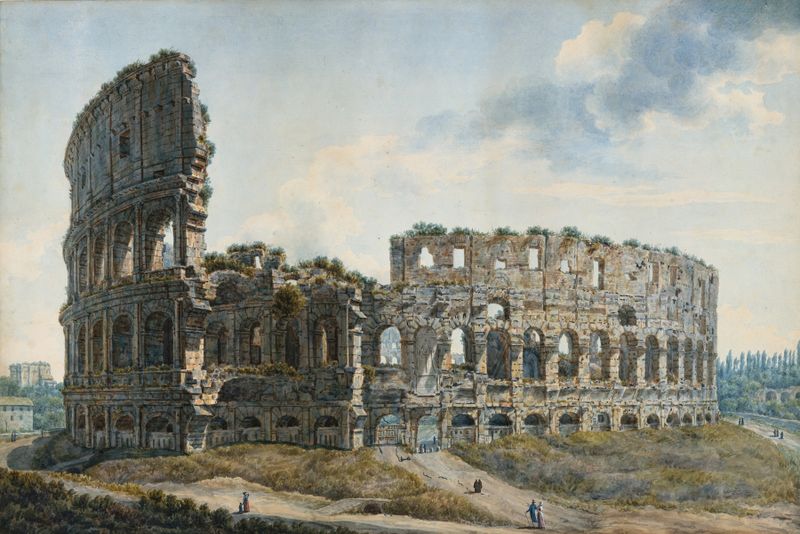
The Colosseum, Rome.
Abraham-Louis-Rodolphe Ducros
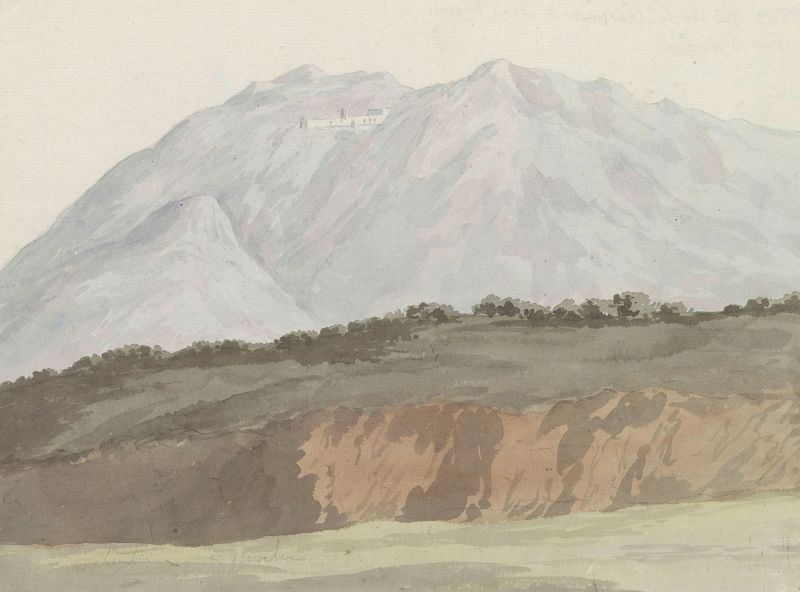
Gezicht op kartuizerklooster van Monte Vergine hoog gelegen boven Avellino
Abraham-Louis-Rodolphe Ducros
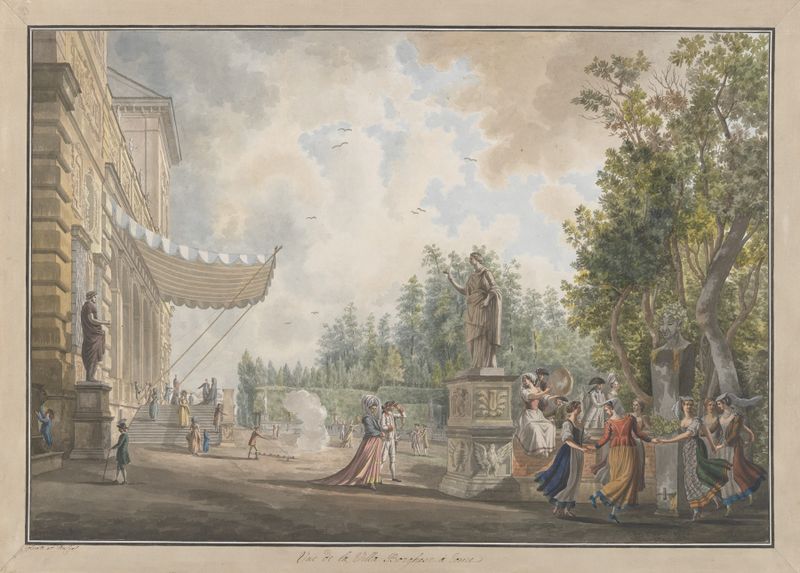
Villa Borghese
Abraham-Louis-Rodolphe Ducros
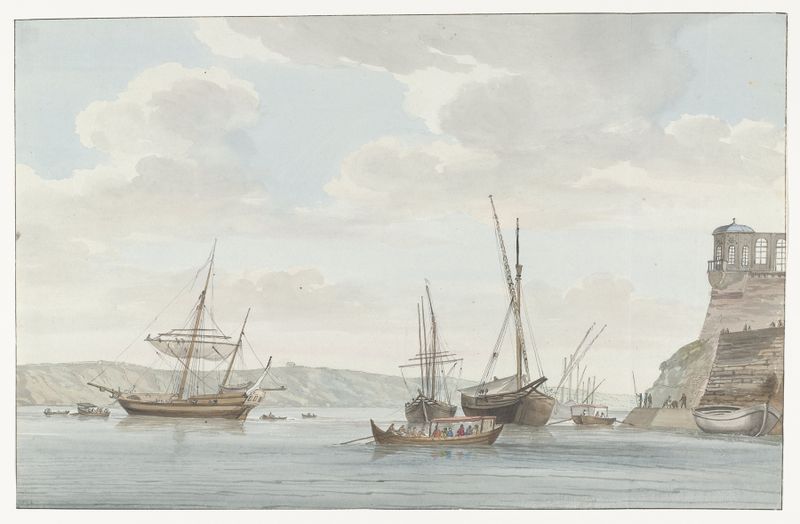
Tuinhuis van de Jardin du Grand Maître uittorend boven de haven met galei schepen op Malta
Abraham-Louis-Rodolphe Ducros
Aquädukt unter der Villa des Maecenas in Tivoli
Abraham-Louis-Rodolphe Ducros
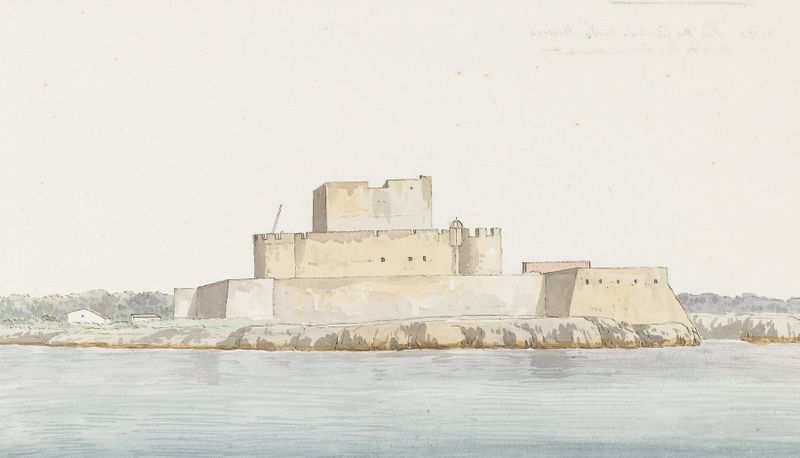
Gezicht op kasteel van San Mauro la Bruca vanaf zee bij aankomst
Abraham-Louis-Rodolphe Ducros





