
Tjalk in de Baarsjes in Amsterdam — History & Facts
What if beauty was never meant to be finished? In Tjalk in de Baarsjes in Amsterdam, a moment suspended in time invites us to ponder the ephemeral nature of existence through the lens of craftsmanship and nostalgia. Look to the foreground, where a wooden tjalk glides serenely across the water, its rich brown hull contrasting with the soft blues and greens of the surrounding landscape. The artist’s brushstrokes conjure a sense of movement—ripples break the surface, catching the late afternoon sunlight, while the wispy clouds reflect the warm glow of the setting sun. Note how the painter skillfully balances light and shadow, creating depth that draws the viewer into this tranquil scene, revealing his mastery over oil on canvas. Beneath the surface, the painting whispers stories of resilience and change.
The tjalk, a traditional Dutch cargo boat, symbolizes both the industrious spirit of the local fishermen and the encroaching modernity of Amsterdam life in the late 19th century. Shadows cast by the trees hint at the passage of time and the shifts in both nature and urban life, suggesting an interplay between nostalgia and progress. This contrast between the serene waterway and the burgeoning cityscape encourages the observer to reflect on the beauty of fleeting moments amid constant change. In 1895, when this piece was created, Pieter Dupont was deeply immersed in the artistic movements of his time, influenced by Impressionism and a growing interest in capturing everyday life.
Living in Amsterdam, he witnessed the city’s transformation, grappling with its historical identity while embracing the modern world. This painting reflects not just a moment in time, but also a broader commentary on the beauty found in transitional spaces.
More Artworks by Pieter Dupont
Browse all →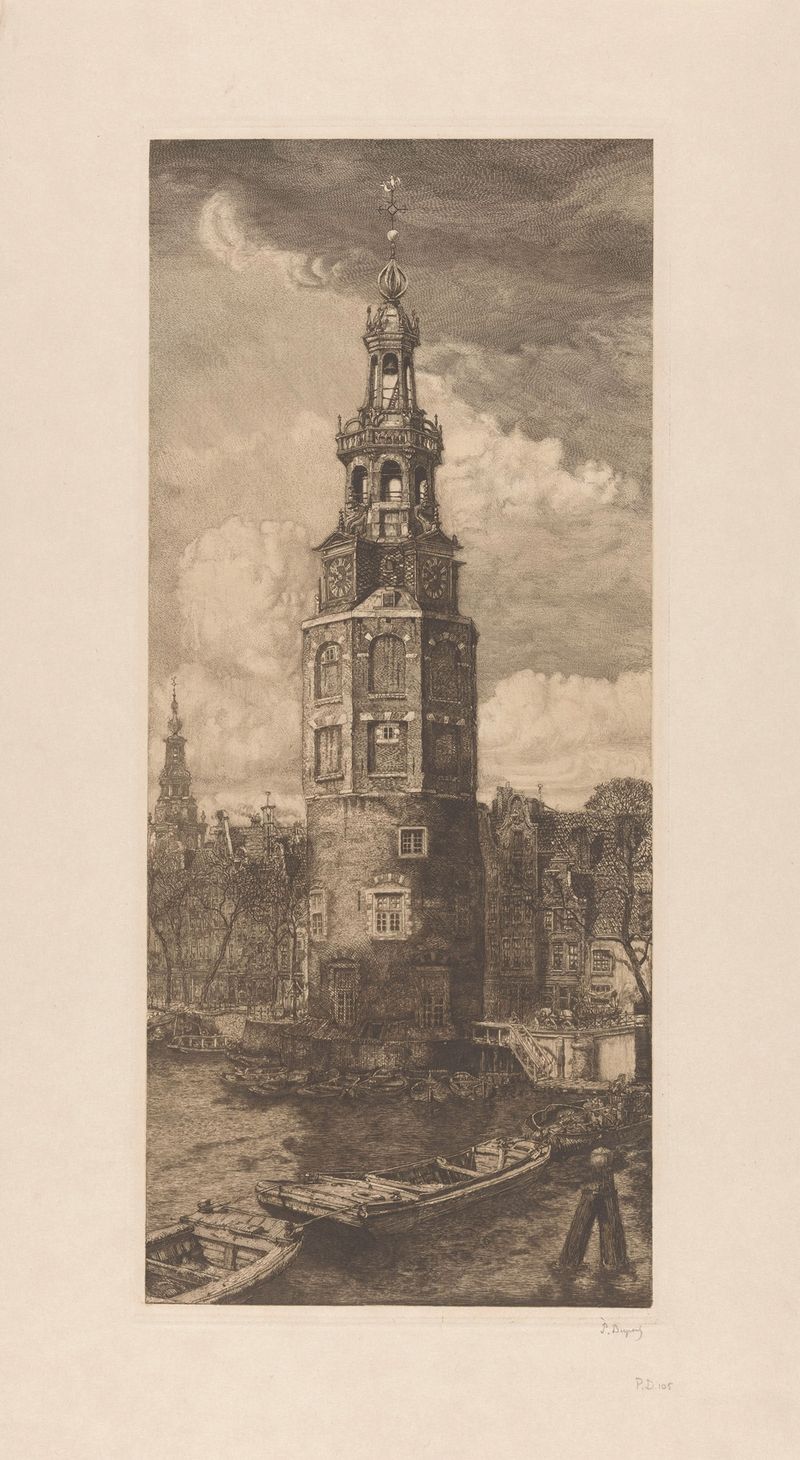
Montelbaanstoren aan de Oudeschans in Amsterdam
Pieter Dupont
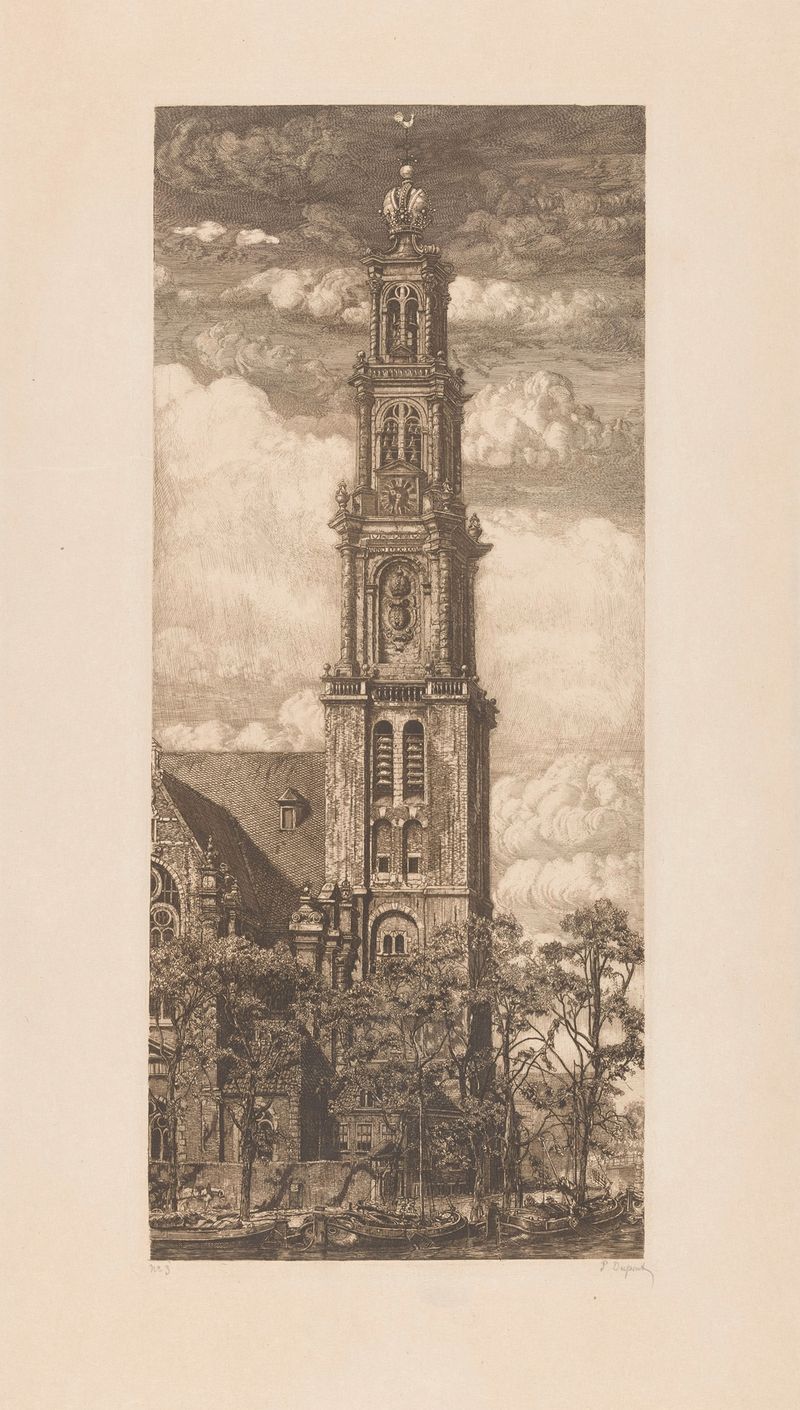
Westertoren in Amsterdam
Pieter Dupont
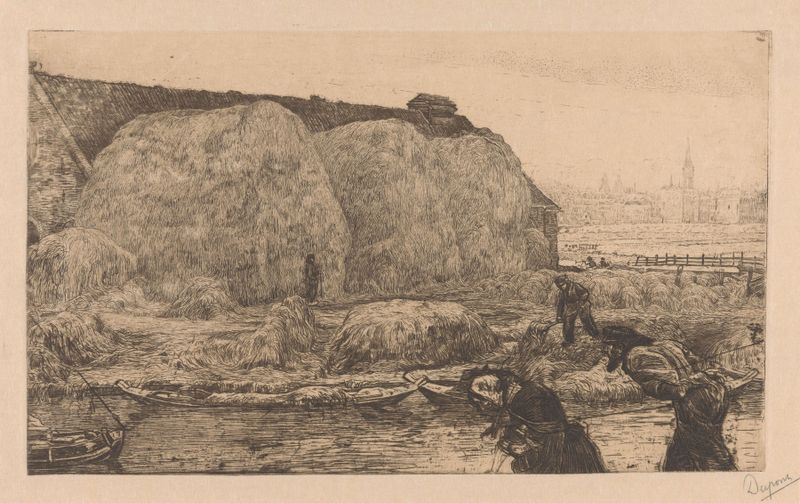
Boerderij met hooischelven aan het Jaagpad in Amsterdam
Pieter Dupont
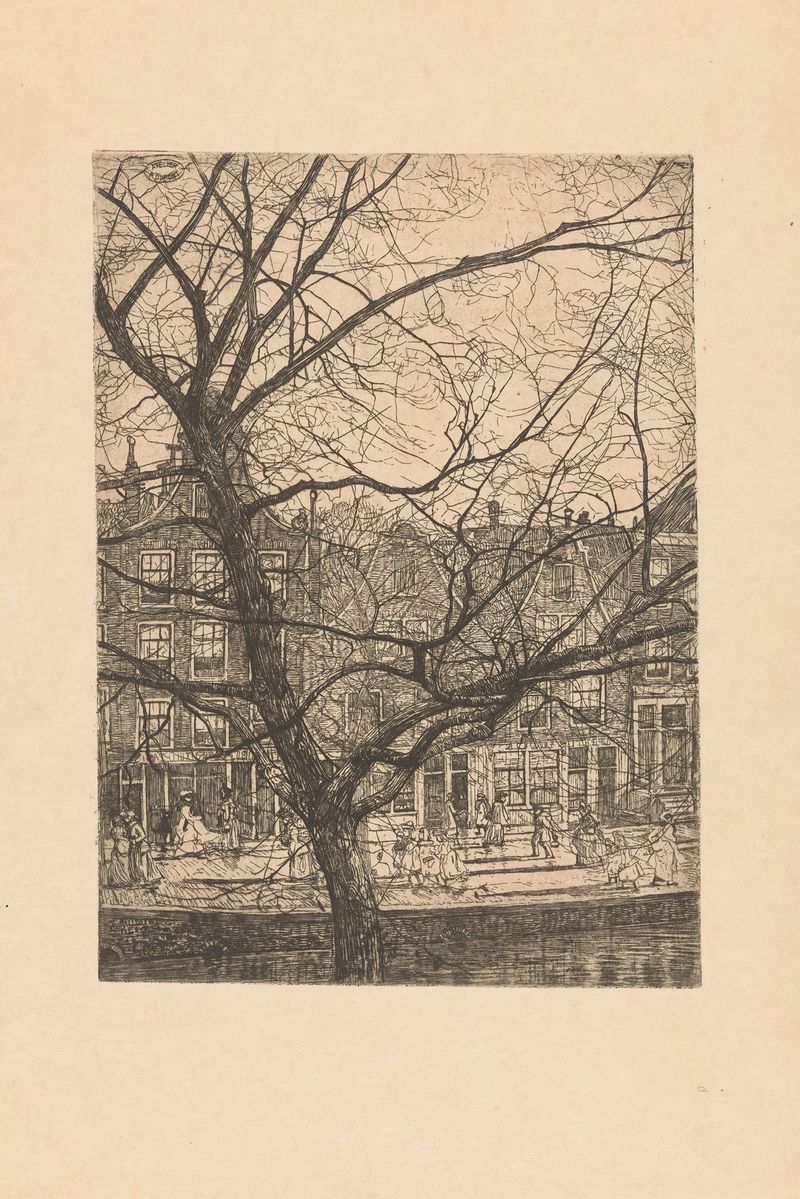
Grachtenhuizen met halsgevels in Amsterdam
Pieter Dupont
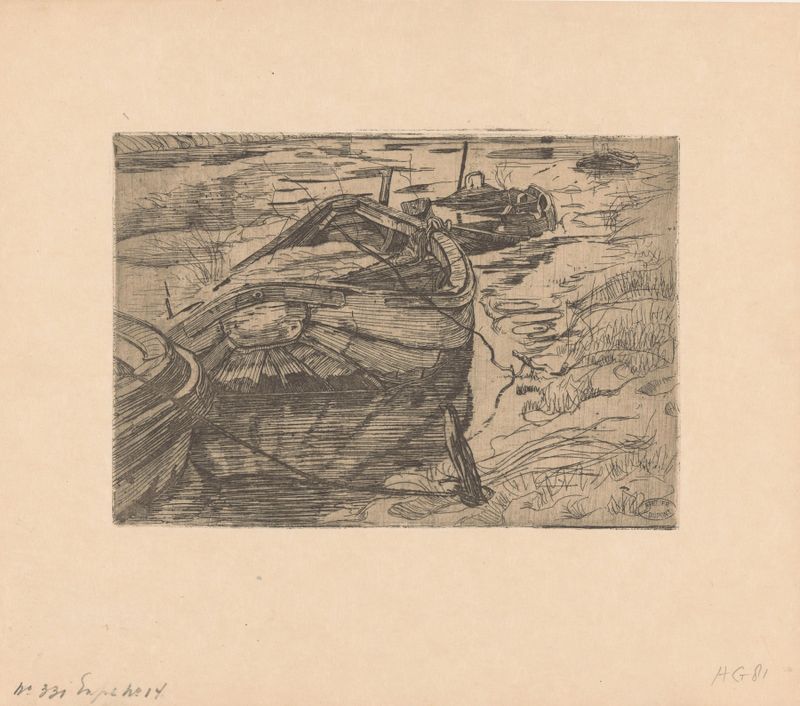
Afgemeerde roeiboten in een sloot
Pieter Dupont
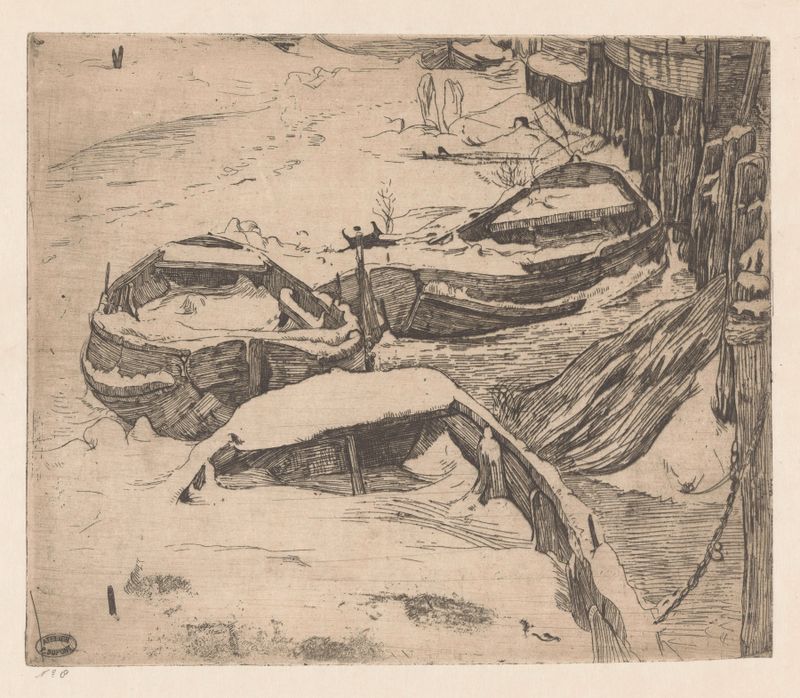
Drie besneeuwde roeiboten bij een wal
Pieter Dupont
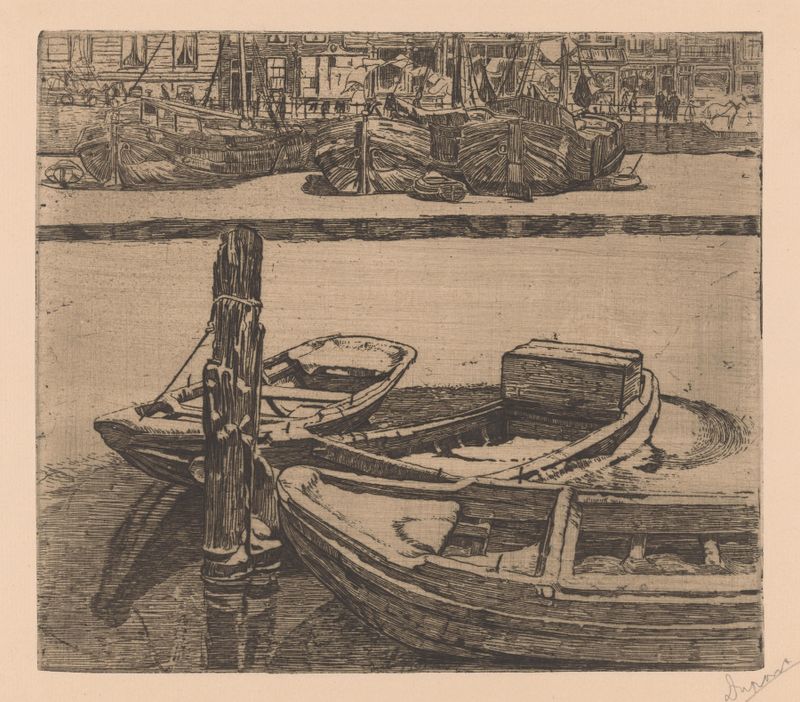
Schepen in het Damrak in Amsterdam
Pieter Dupont
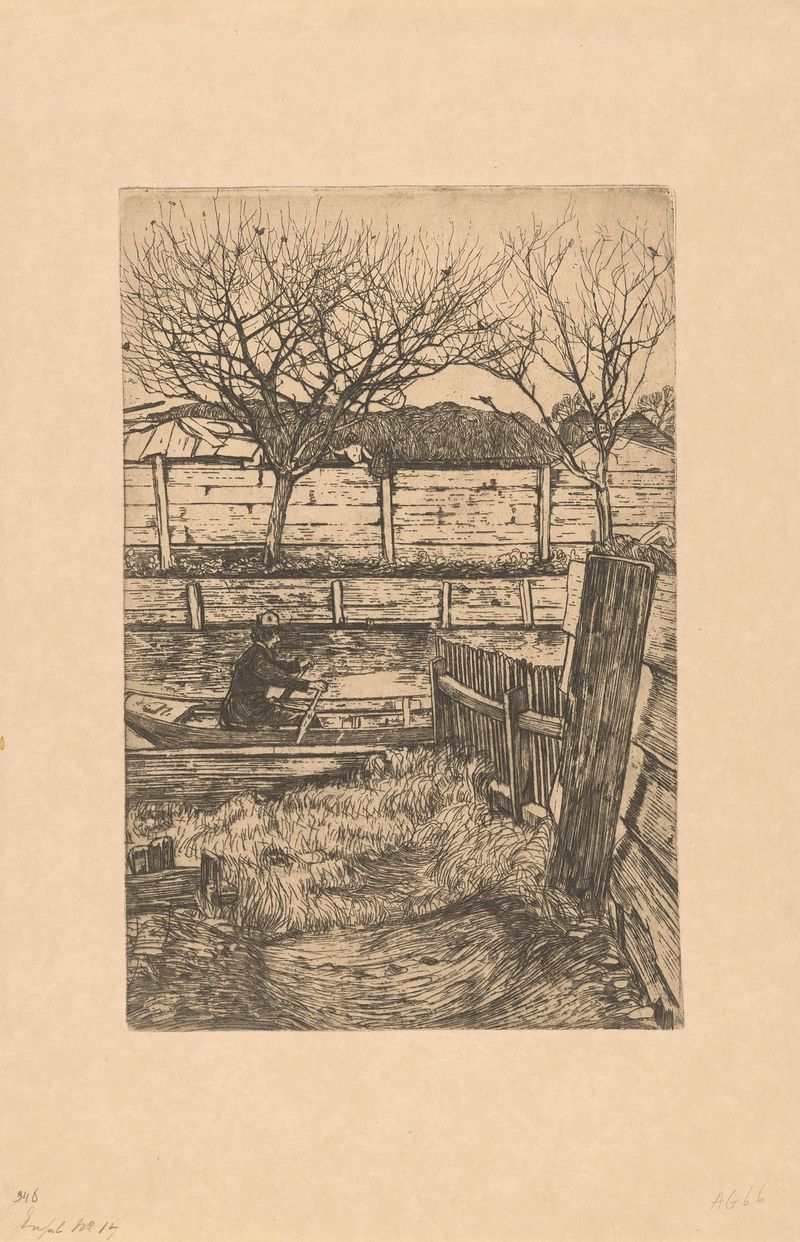
Man in een roeiboot, waarschijnlijk bij de Slatuinen in Amsterdam
Pieter Dupont
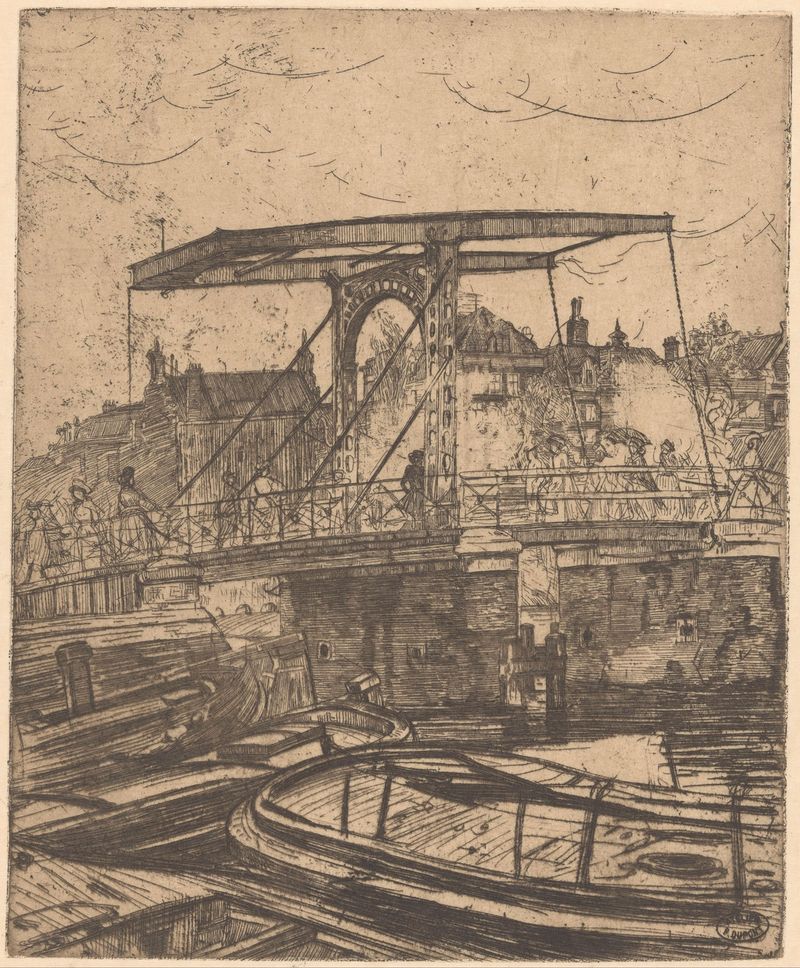
Magere Brug in Amsterdam
Pieter Dupont
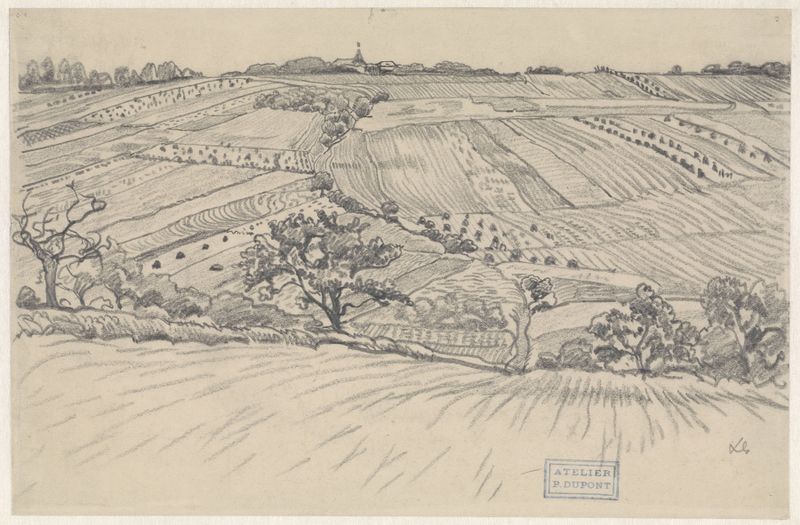
Heuvelachtig landschap met korenvelden
Pieter Dupont





