Discover insights about this artwork
To Go amongst the Branches, i.e. To Talk through One’s Hat [Ridiculous Folly] (Andarse por las Ramas [Disparate Ridiculo]) — History & Facts
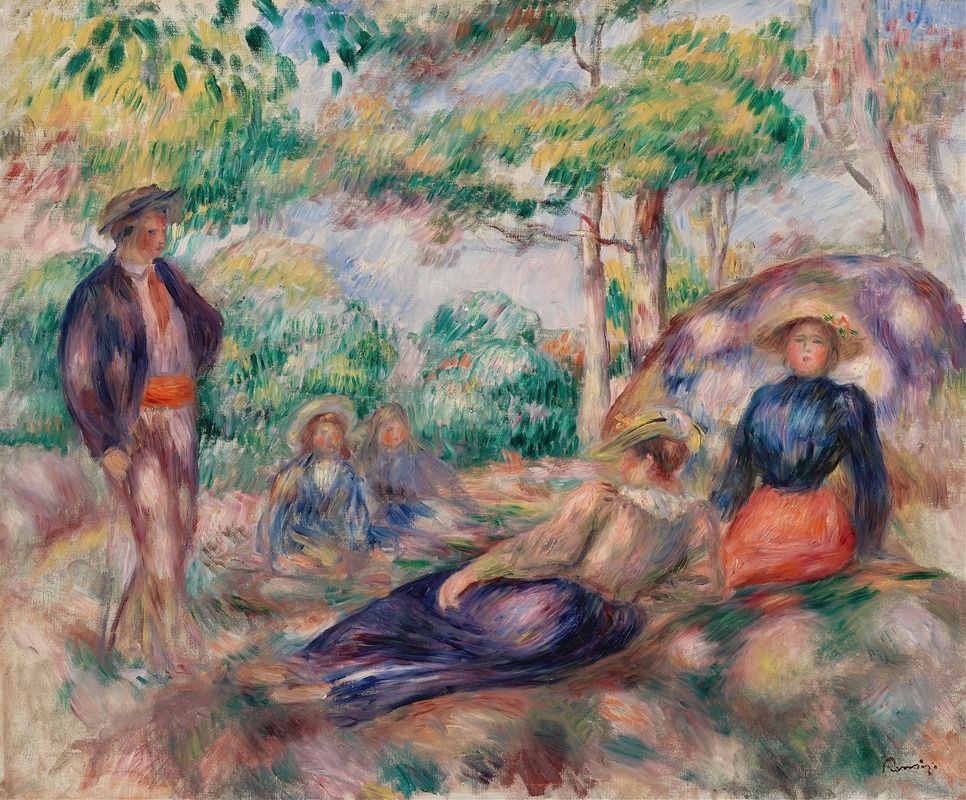
In To Go amongst the Branches, i.e. To Talk through One’s Hat [Ridiculous Folly], Francisco de Goya presents a lively scene filled with vibrant colors. The painting features a group of figures engaged in animated conversation, surrounded by lush greenery.
The use of greens and browns creates a natural setting, while the figures' clothing adds splashes of color. This combination enhances the sense of folly depicted in the work. The painting is executed in oil on canvas, showcasing Goya's skill in blending colors and textures. The brushwork is dynamic, with loose strokes that convey movement and energy.
Viewers can appreciate the details in the figures' expressions and gestures, which emphasize their folly. The dimensions are approximately 60 x 80 cm, making it a medium-sized work that draws the viewer in. Francisco de Goya was a prominent Spanish painter known for his critical view of society. This work, created around the 1780s, reflects the artist's interest in human folly and social commentary.
An interesting fact about this painting is that it is part of a series exploring themes of absurdity and folly, showcasing Goya's unique perspective on human behavior. Today, it is housed in the Museo del Prado in Spain.
More Artworks by Francisco de Goya
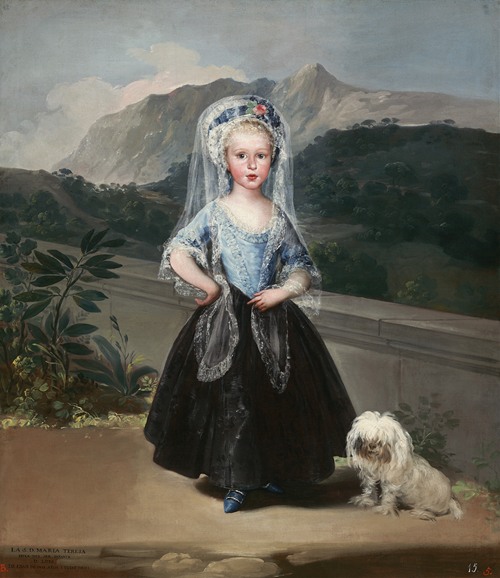
María Teresa de Borbón y Vallabriga,later Condesa de Chinchón
Francisco de Goya
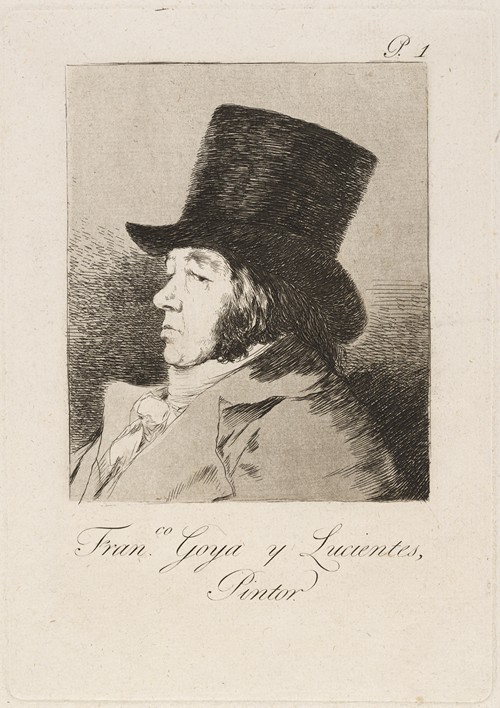
Francisco Goya y Lucientes, Pintor (Francisco Goya y Lucientes, painter)
Francisco de Goya
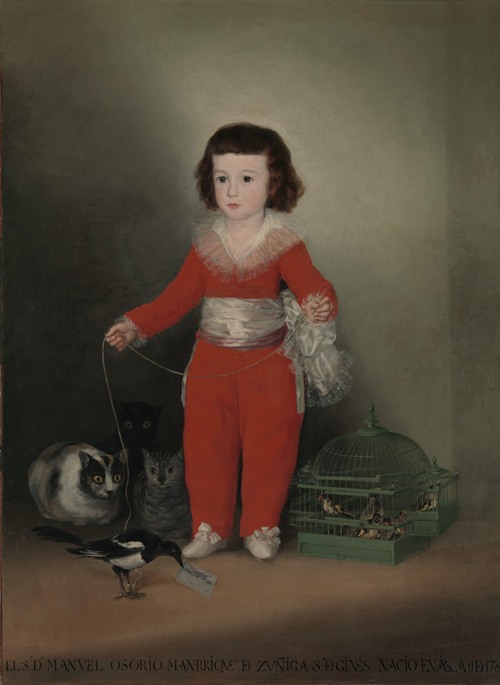
Manuel Osorio Manrique de Zuñiga (1784–1792)
Francisco de Goya
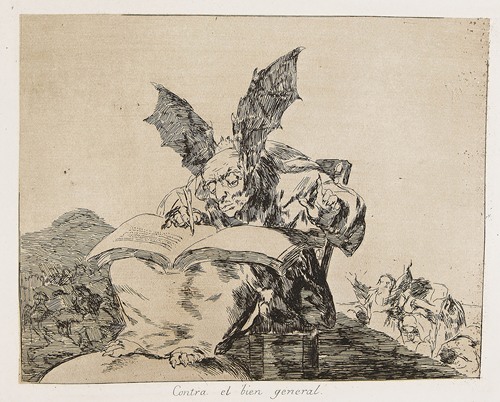
Los desastres de la guerra
Francisco de Goya
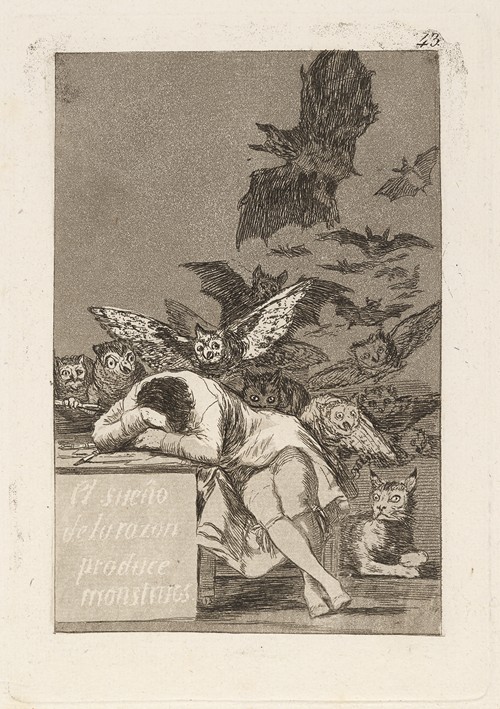
El sueño de la razon produce monstruos. (The sleep of reason produces monsters.)
Francisco de Goya
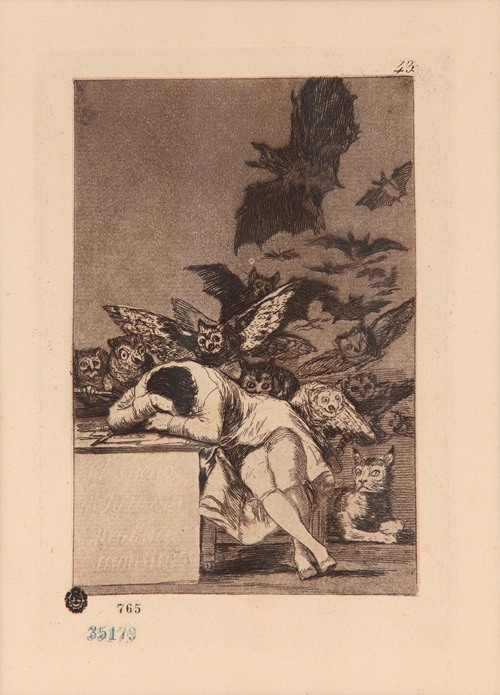
El sueño de la razon produce moustruos (Serie Caprichos)
Francisco de Goya
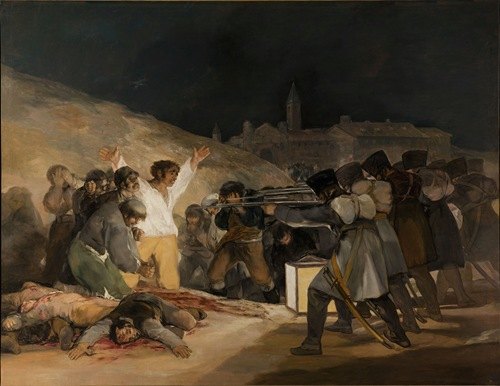
The Third of May
Francisco de Goya
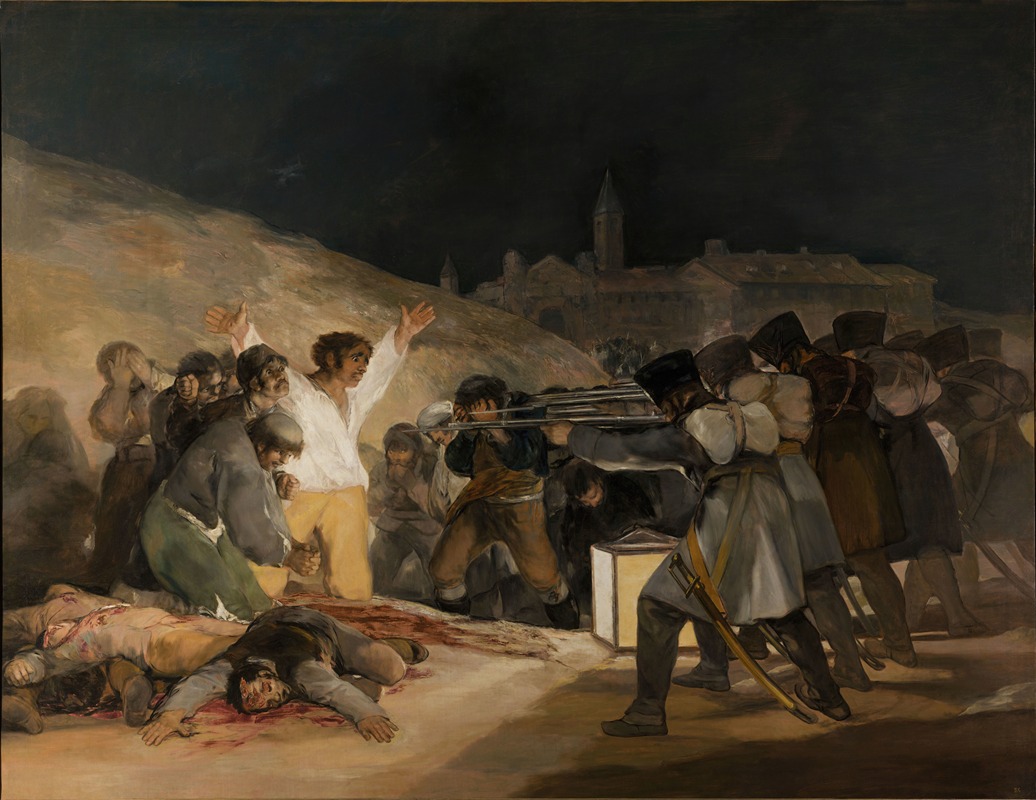
The Third of May 1808
Francisco de Goya
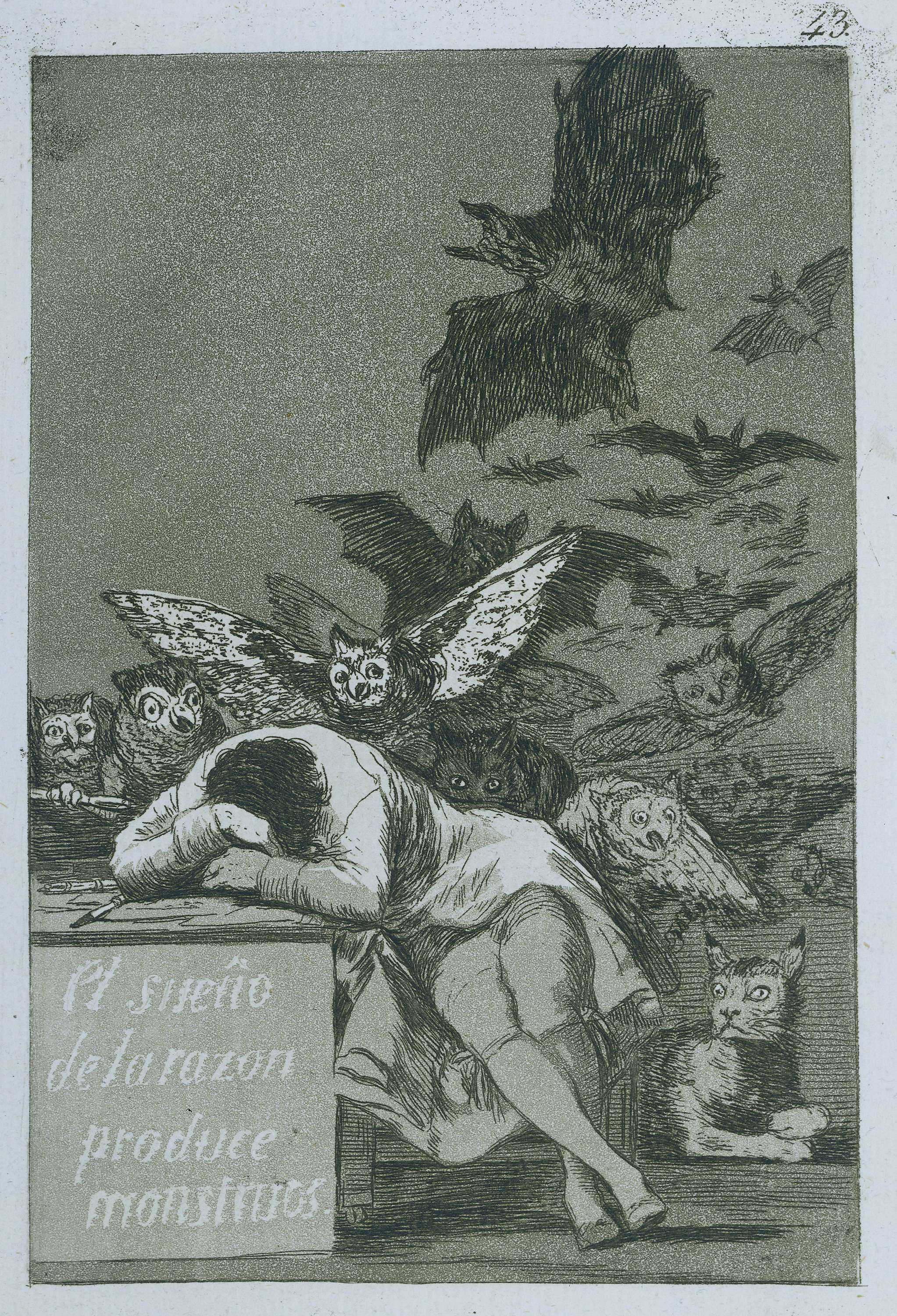
De slaap van de rede brengt monsters voort
Francisco de Goya
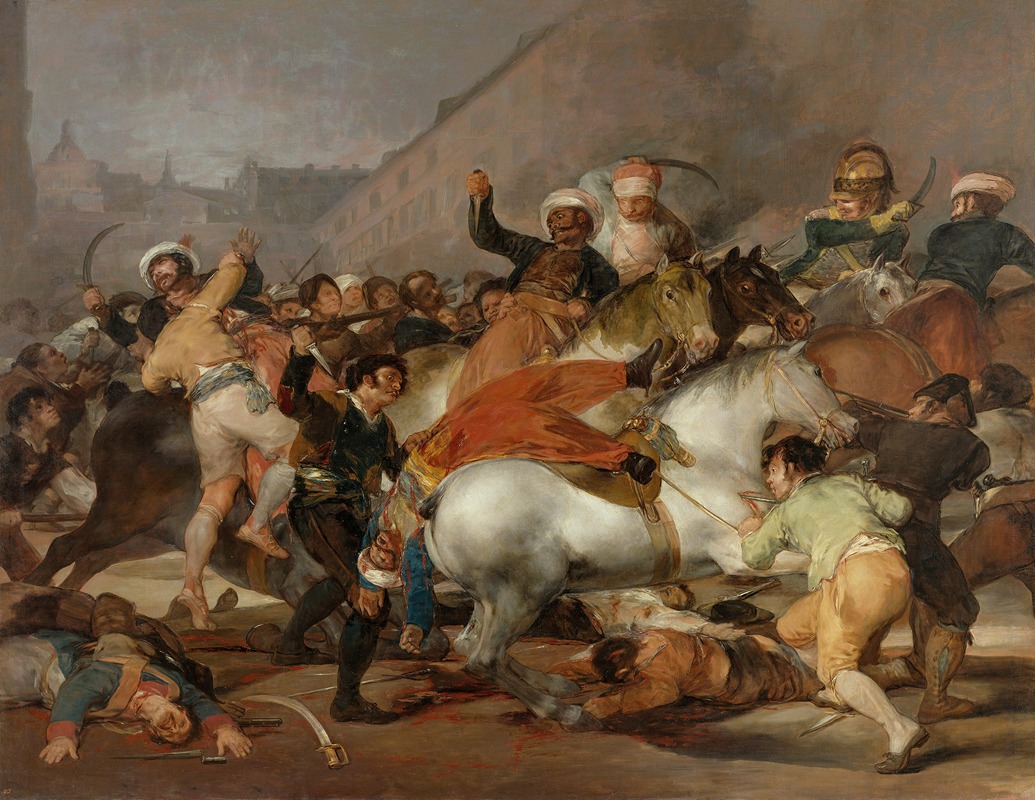
The Charge of the Mamelukes (1814)
Francisco de Goya