
Toltec Gorge and Eva Cliff from the West, Colorado — History & Facts
In the quiet corners of existence, where nature’s grandeur meets humanity's humble aspirations, faith finds its voice. Focus first on the vibrant interplay of light and shadow across the rocky cliffs, where the warm hues of the sunset dance upon the towering formations. The artist’s use of bold brushstrokes draws your eye to the foreground, capturing the intricate textures of the cliffs. Gradually, the landscape unfurls into a breathtaking panorama, where the deep canyons and vast sky invite contemplation, suggesting both permanence and the fleeting nature of beauty. The juxtaposition of the imposing cliffs against the gentle river below speaks to a deeper emotional tension: the struggle between nature's might and the fragility of human life.
The vibrant colors evoke a sense of hope and faith while hinting at the mysteries that lie beyond the horizon. Each layer of paint conveys a narrative, revealing the artist's admiration for the sublime and his belief in nature as a guiding force amidst chaos. In 1892, Thomas Moran painted Toltec Gorge and Eva Cliff from the West, Colorado, as a part of his ongoing exploration of the American West. This period marked a transitional time in the art world, where romantic depictions of landscapes fell under the influence of emerging modernist ideas.
Moran, inspired by the natural wonders he encountered, sought to convey not just the physical beauty of the land, but also its spiritual essence and the faith it instilled in those who beheld it.
More Artworks by Thomas Moran
Browse all →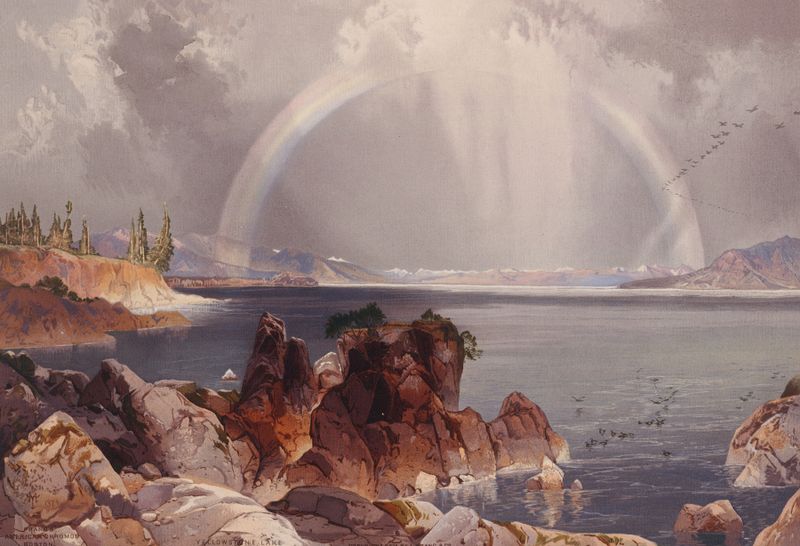
Yellowstone Lake
Thomas Moran

Grand Canyon of the Colorado River
Thomas Moran

Grand Canyon, Colorado River
Thomas Moran

The Towers of Tower Falls, Yellowstone
Thomas Moran
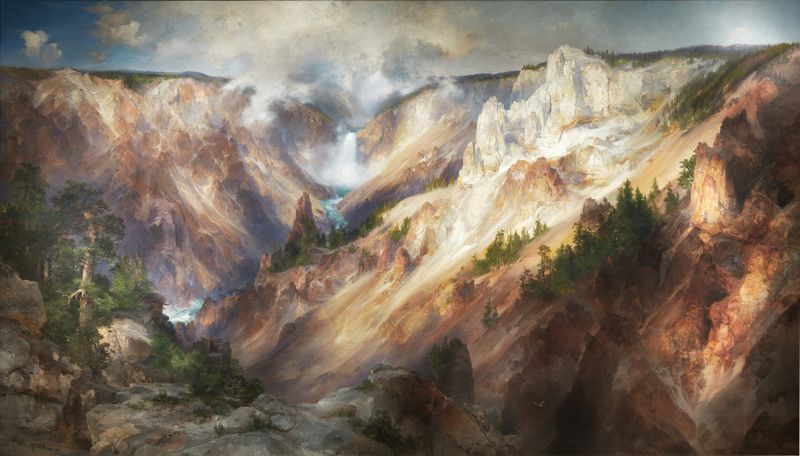
The Grand Canyon Of The Yellowstone
Thomas Moran

Mountain of the Holy Cross
Thomas Moran

Cliffs Of The Upper Colorado River, Wyoming Territory
Thomas Moran
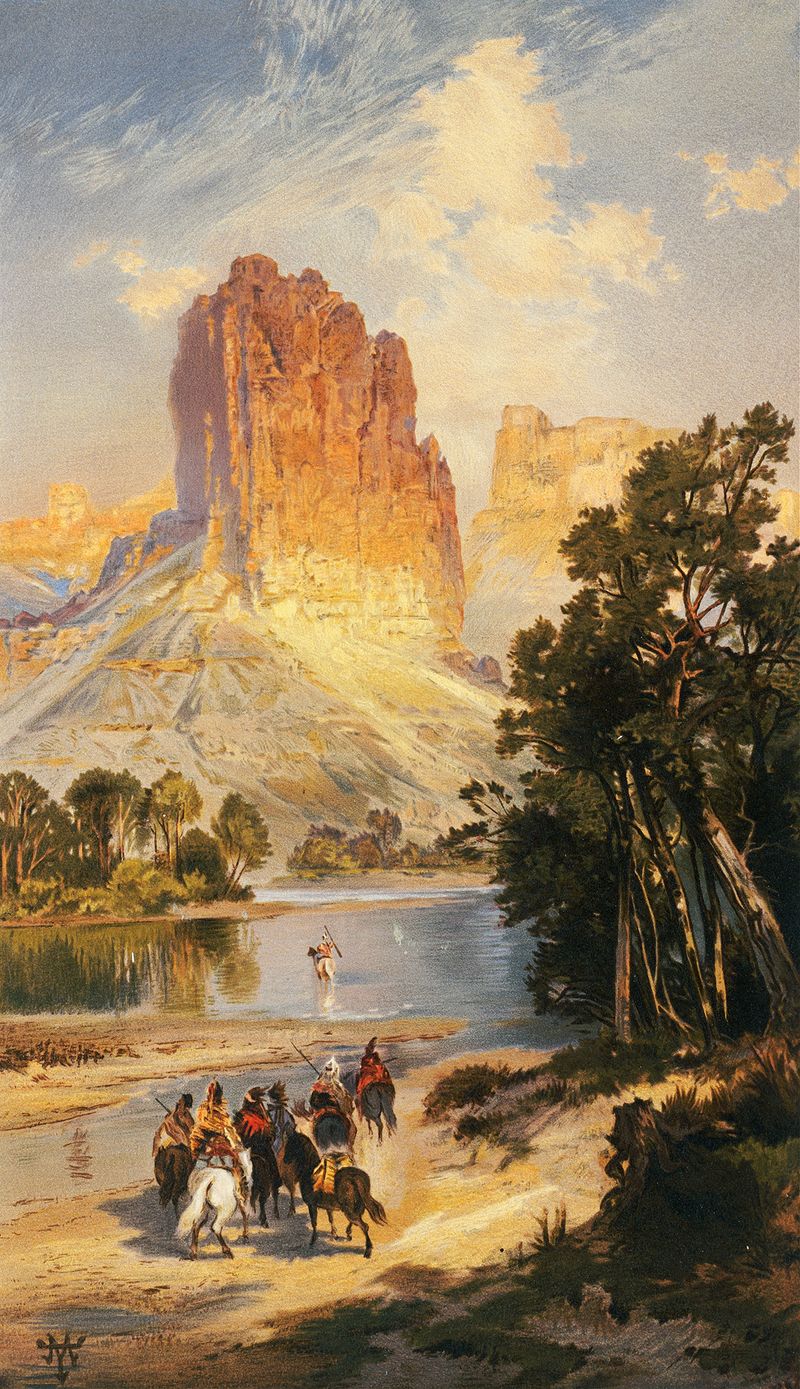
Cliffs of the Upper Colorado River, Wyoming Territory
Thomas Moran

Mammoth Hot Springs, Yellowstone
Thomas Moran
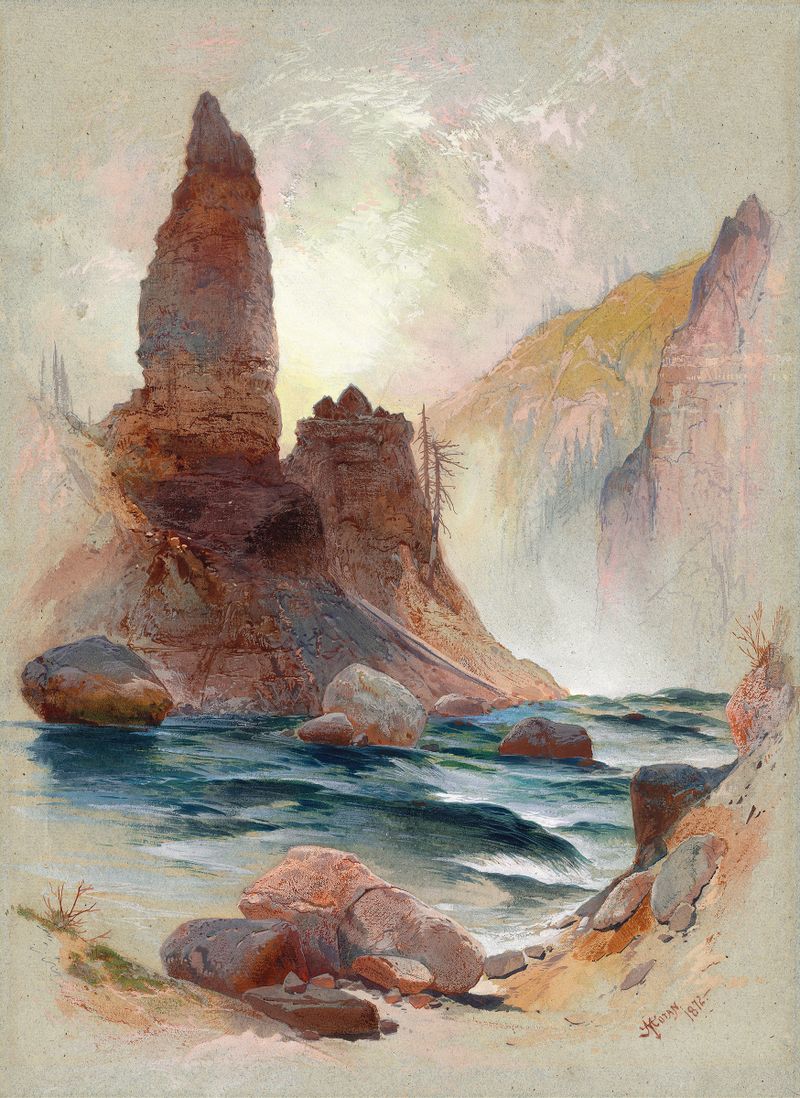
Tower at Tower Falls, Yellowstone
Thomas Moran





