
Tomb Of Verona — History & Facts
Could beauty survive in a century of chaos? The haunting serenity of Tomb of Verona suggests it can, even amidst desolation. Look to the left at the elegantly draped monument, its soft contours almost inviting touch. The interplay of light and shadow dances upon the stone, imbuing it with life as it stands proudly against a backdrop of swirling, turbulent skies. The muted palette of grays and browns evokes both mourning and reverence, drawing your gaze toward the intricate carvings that speak of a history long past.
Each detail, from the delicate flowers to the stately figures, captures a moment suspended in time, a testament to both artistry and memory. Beneath the surface, the work reflects a complex relationship between memorial and natural decay. The juxtaposition of the dignified tomb against the encroaching darkness of the sky signifies the struggle between permanence and transience. This tension is further emphasized by the careful rendering of flora, symbolizing life's resilience in the face of inevitable loss.
The ethereal quality of the scene reinforces a sense of hope—a belief that beauty, even in its fragility, endures beyond the ravages of time. Created during a period of great artistic exploration in the late 19th century, the artist was deeply influenced by the transcendental currents of thought. Working in the context of post-Civil War America, he sought to capture the essence of beauty as a balm for human suffering, blending realism with idealism. This piece stands as a reflection of both his personal vision and the larger philosophical questions of his time, positioning art as a vessel of hope in an uncertain world.
More Artworks by Abbott Handerson Thayer
Browse all →
Mount Monadnock
Abbott Handerson Thayer

Winter, Monadnock
Abbott Handerson Thayer

Mount Monadnock
Abbott Handerson Thayer

Mount Monadnock
Abbott Handerson Thayer

Winged Figure
Abbott Handerson Thayer

Dublin Pond, New Hampshire
Abbott Handerson Thayer

The Sky Simulated By Red Flamingoes, Study For Book Concealing Coloration In The Animal Kingdom
Abbott Handerson Thayer
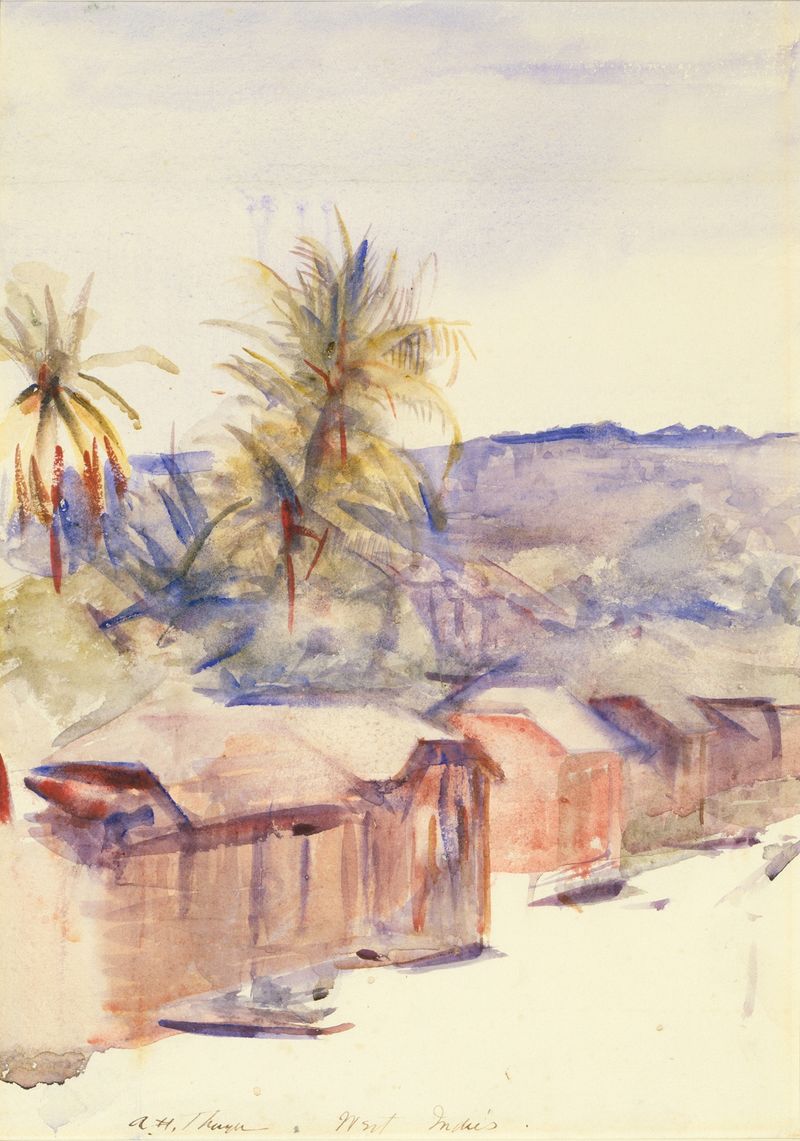
Village Street, Dominica
Abbott Handerson Thayer
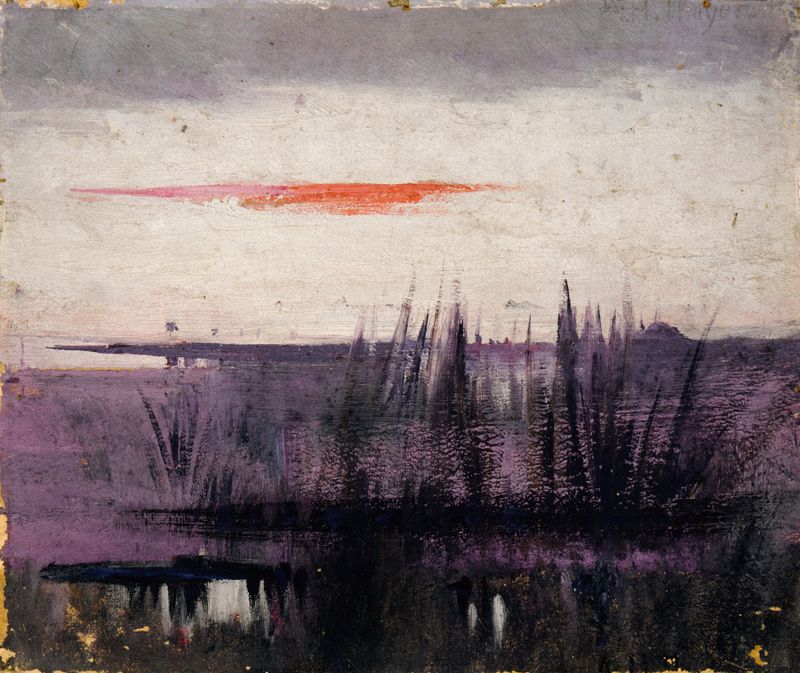
The Sky Simulated By White Flamingoes Study For Book, Concealing Coloration In The Animal Kingdom
Abbott Handerson Thayer
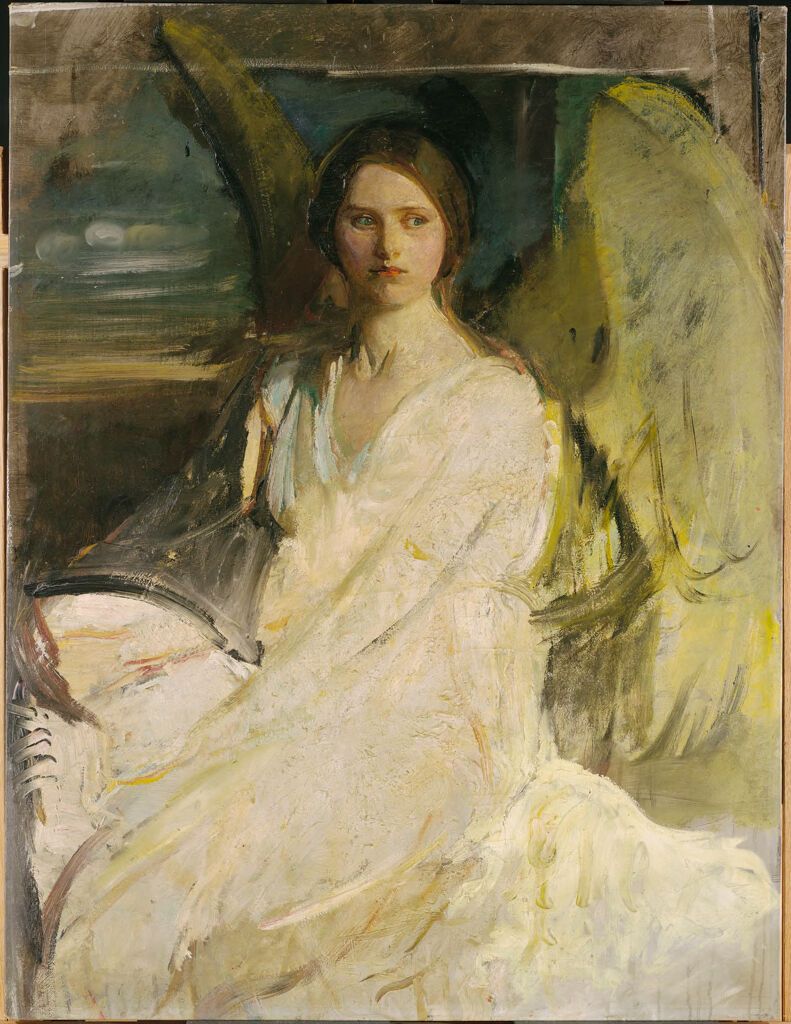
Angel
Abbott Handerson Thayer





