Totterne Inn — History & Facts
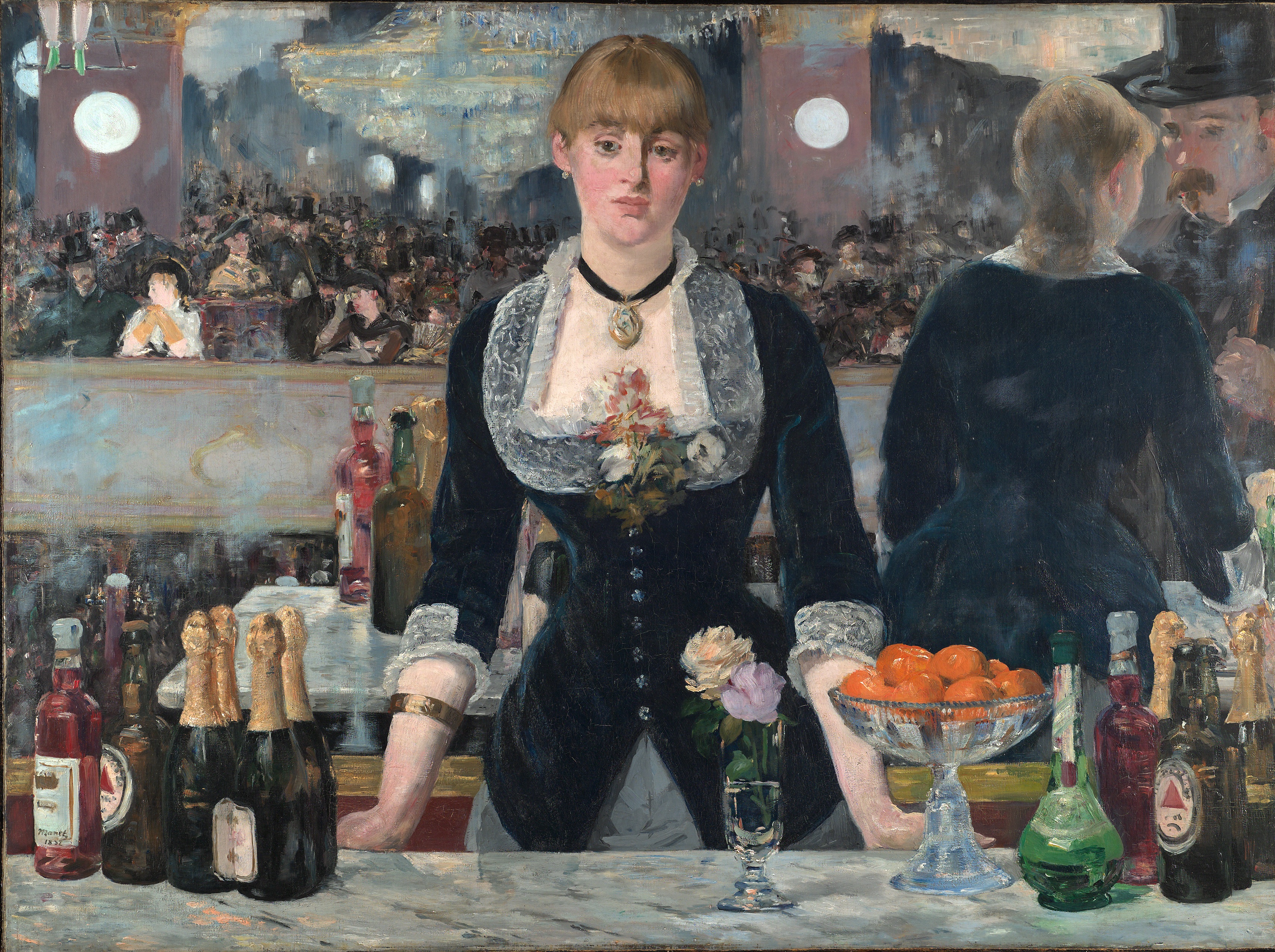
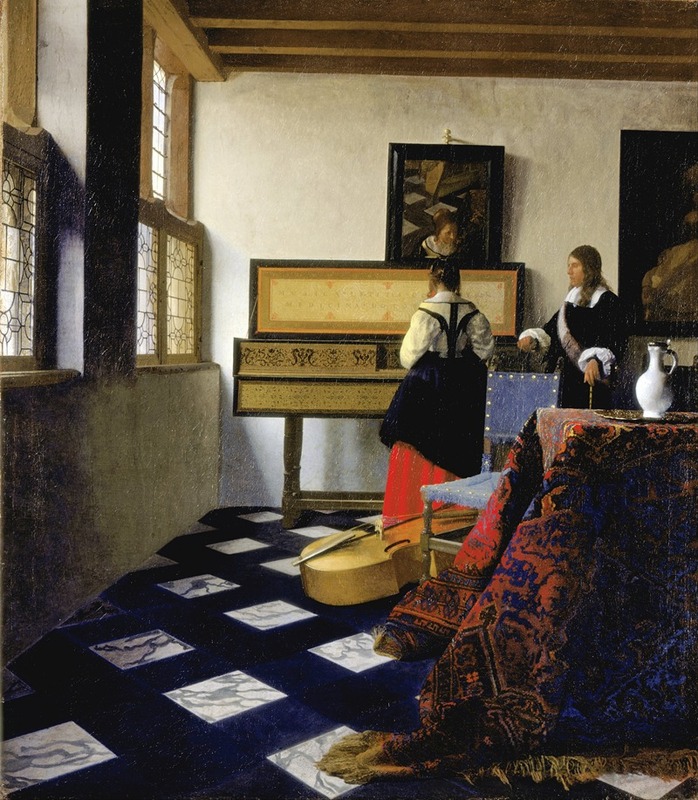
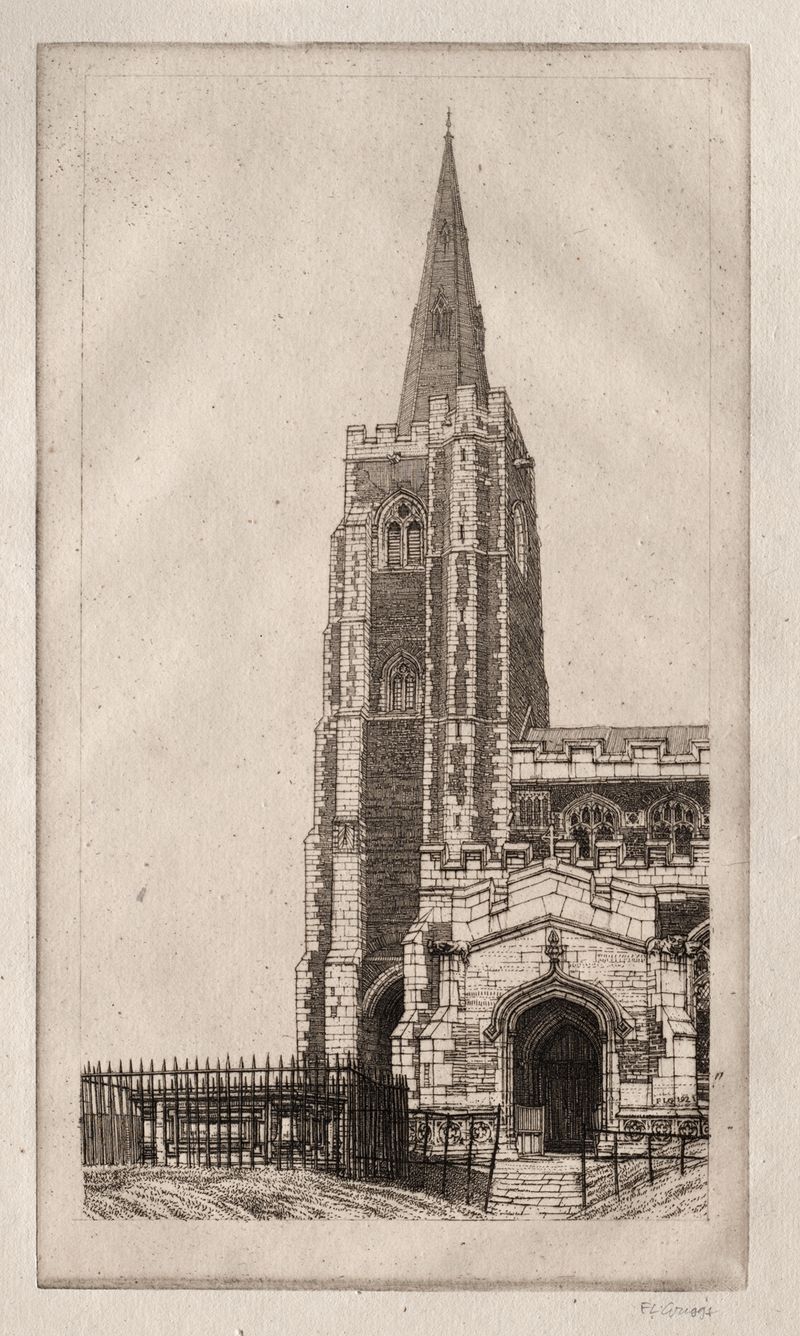
When did color learn to lie? In Totterne Inn, illusion weaves through the fabric of reality, daring the viewer to discern truth from artifice. Look at the rich, deep tones that frame the rustic inn, where shadows push against the warm light that spills through the windows. The interplay of muted greens and earthy browns draws your gaze to the weathered wooden beams, each brushstroke a testament to time’s passage. Notice how the soft glow from the lantern creates an inviting ambiance, inviting patrons into a space that feels both familiar and elusive. Yet, beyond the inviting warmth, there’s an undercurrent of tension.
The play of light and dark suggests hidden stories and unspoken histories, as if the inn itself cradles whispered secrets within its walls. The placement of figures, caught mid-conversation, hints at the fragility of connection—a moment suspended in time, where laughter may mask underlying sorrow. It’s an exploration of societal dynamics, where the allure of camaraderie coexists with the solitude of the human experience. Frederick Landseer Maur Griggs painted Totterne Inn in 1919, during a period marked by the shadows of World War I casting long over Europe.
While grappling with the aftermath of conflict, the artist sought refuge in the pastoral life and communal spaces of England. His meticulous attention to detail and masterful use of color reflect both a yearning for connection and a poignant acknowledgment of the complexities of reality and illusion in the world around him.
More Artworks by Frederick Landseer Maur Griggs
Browse all →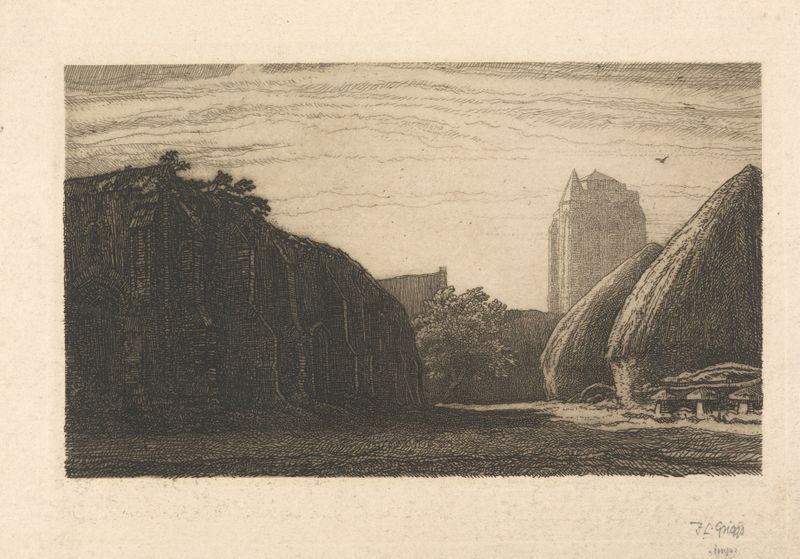
Maur’s Farm
Frederick Landseer Maur Griggs
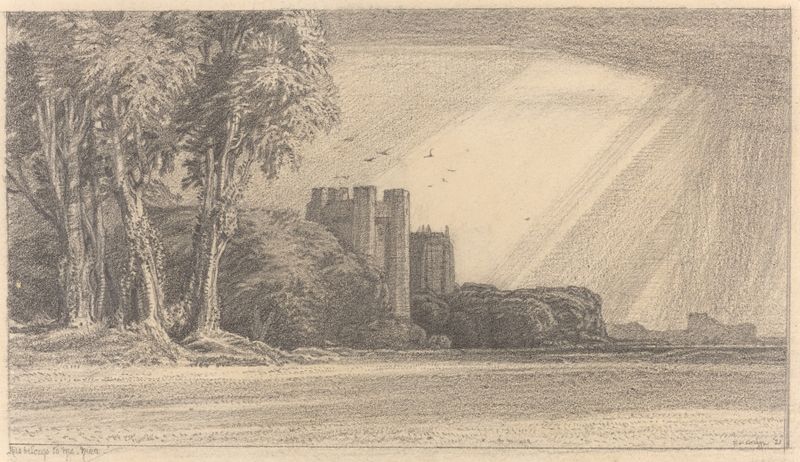
Landscape with Castle
Frederick Landseer Maur Griggs
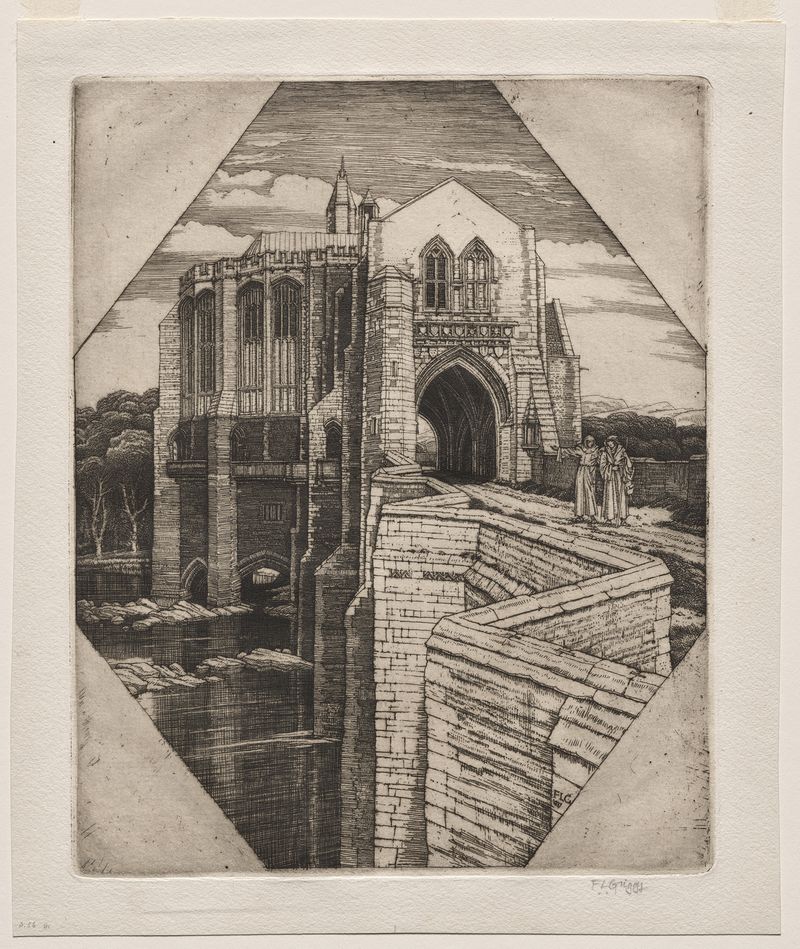
St. Botolph’s Bridge No. 2 1937
Frederick Landseer Maur Griggs
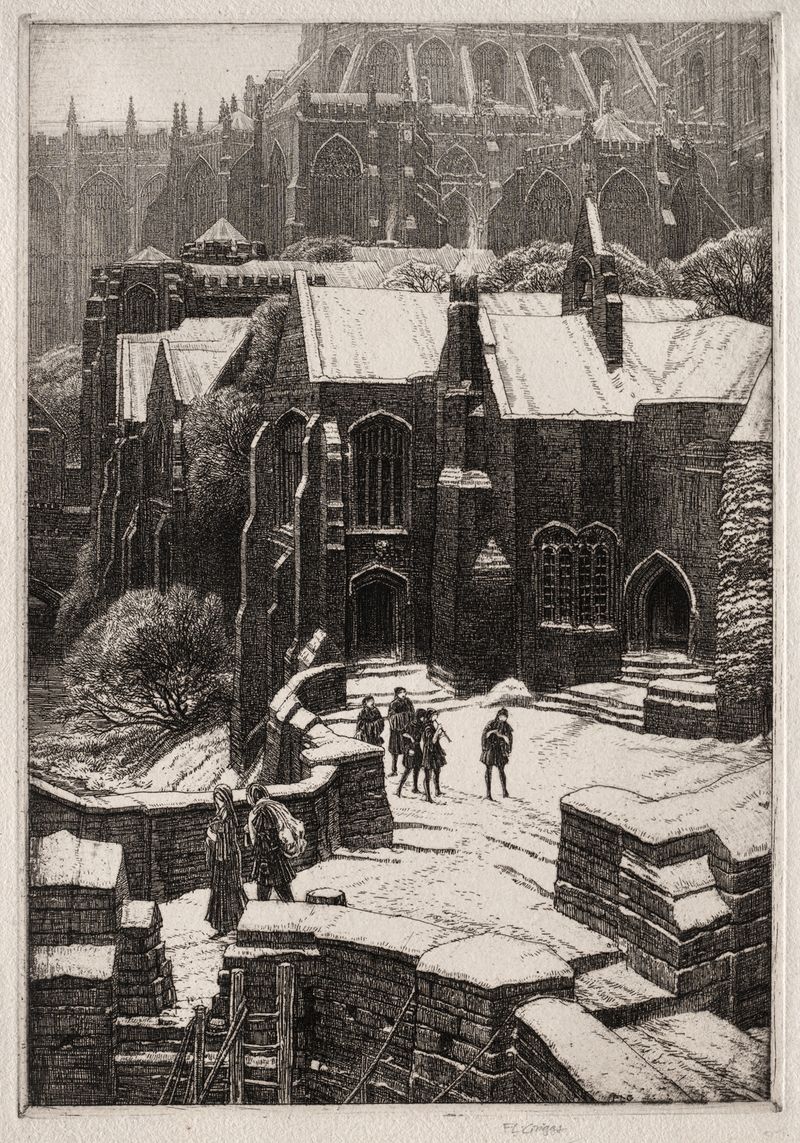
The Almonry
Frederick Landseer Maur Griggs

The Cresset
Frederick Landseer Maur Griggs
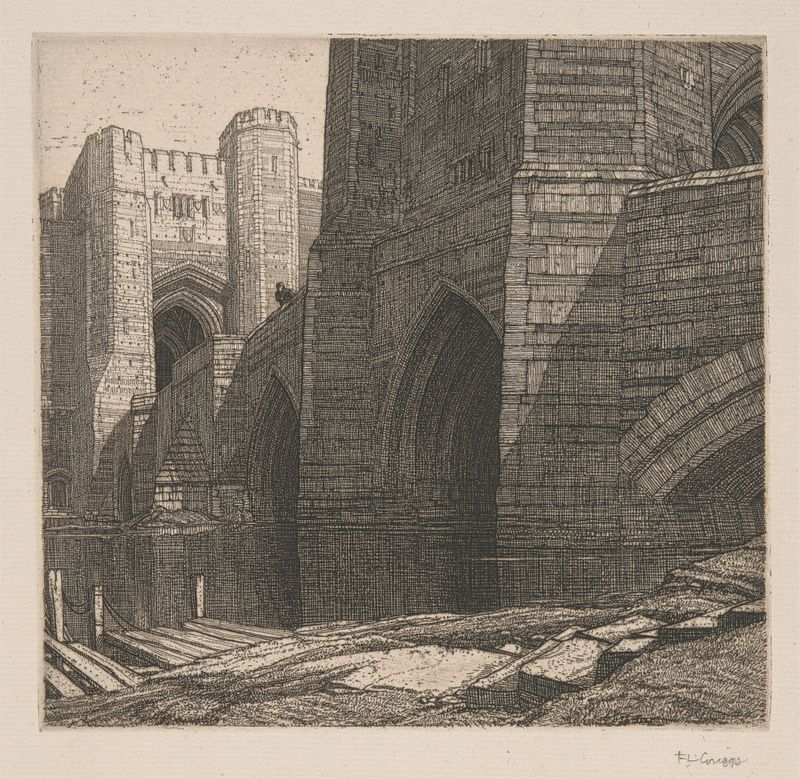
The Barbican
Frederick Landseer Maur Griggs

Maur’s Farm
Frederick Landseer Maur Griggs
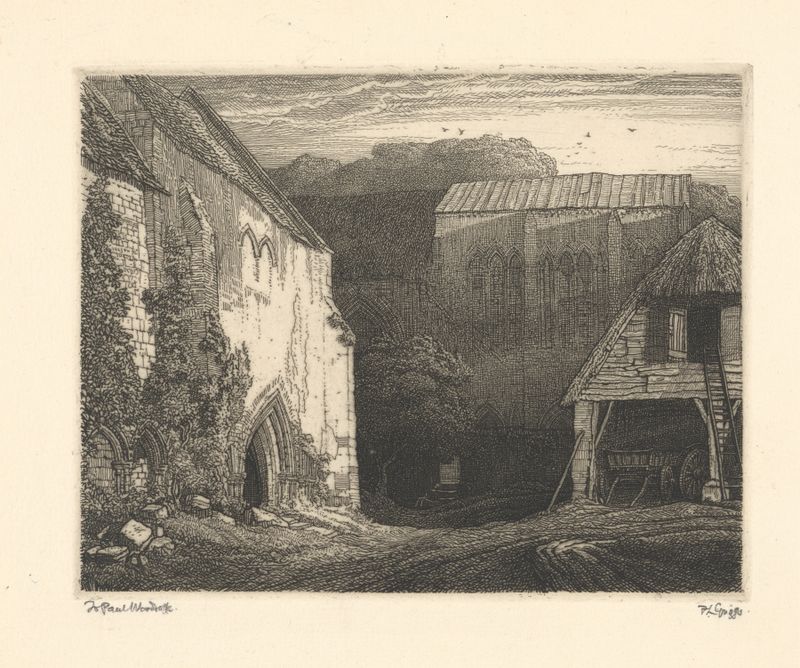
Priory Farm
Frederick Landseer Maur Griggs

St. Wendred’s March
Frederick Landseer Maur Griggs
St. Wendred’s, March
Frederick Landseer Maur Griggs