
Tour ou la logette dite de Calvin (ancien collège de Fortet) vue de la place du Panthéon — History & Facts
Who listens when art speaks of silence? In Tour ou la logette dite de Calvin (ancien collège de Fortet) vue de la place du Panthéon, the stillness of the composition invites contemplation, beckoning the viewer to explore the delicate balance between presence and absence. Look to the center where the imposing silhouette of the logette stands against the soft backdrop of a muted sky. Notice how the artist employs a harmonious palette of earthy tones, allowing the structure to resonate with the warm hues of the surrounding environment. The careful interplay of light and shadow highlights the architectural details, drawing your gaze upward towards the pointed roof, while the surrounding figures, rendered with fluid strokes, seem to dissolve into the background, emphasizing the monumentality of the scene. Hidden within the tranquility of this work is an emotional tension; the juxtaposition of the sturdy architecture against the ethereal ambiance suggests a dialogue between history and time.
The sparse figures, perhaps students or passersby, evoke a sense of nostalgia, as if they exist in a realm where past and present converge. This subtle contrast reflects the weight of tradition versus the fleeting nature of life, embodying a delicate equilibrium that echoes the themes of balance throughout the piece. Georges-Henri Manesse painted this work in 1909 while living in Paris, a city brimming with artistic innovation and change. During this time, the emergence of modernism was reshaping artistic expression, and Manesse, influenced by his contemporaries, sought to capture the essence of his surroundings in a way that rendered both the physical and the philosophical.
Such context is crucial to understanding the balance he achieved between architectural grandeur and the ephemeral quality of human experience.
More Artworks by Georges-Henri Manesse
Browse all →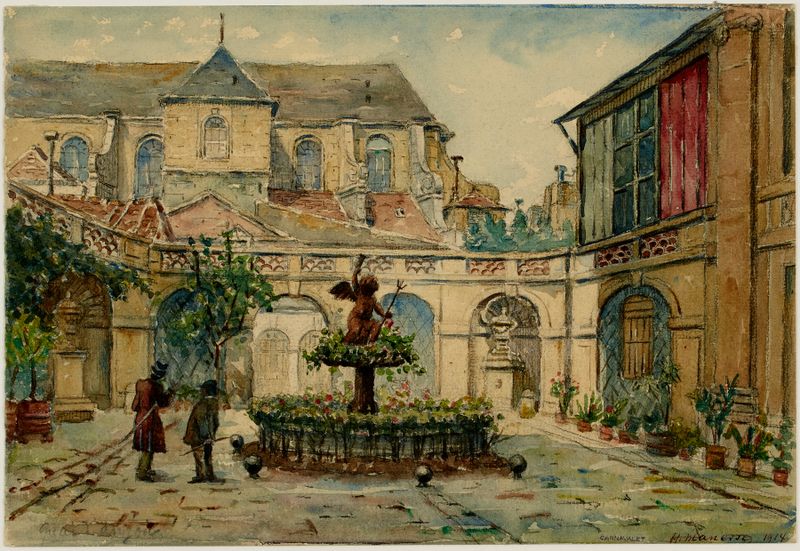
Cour intérieure de l’Hôtel Hesselin, 24 quai de Béthune
Georges-Henri Manesse
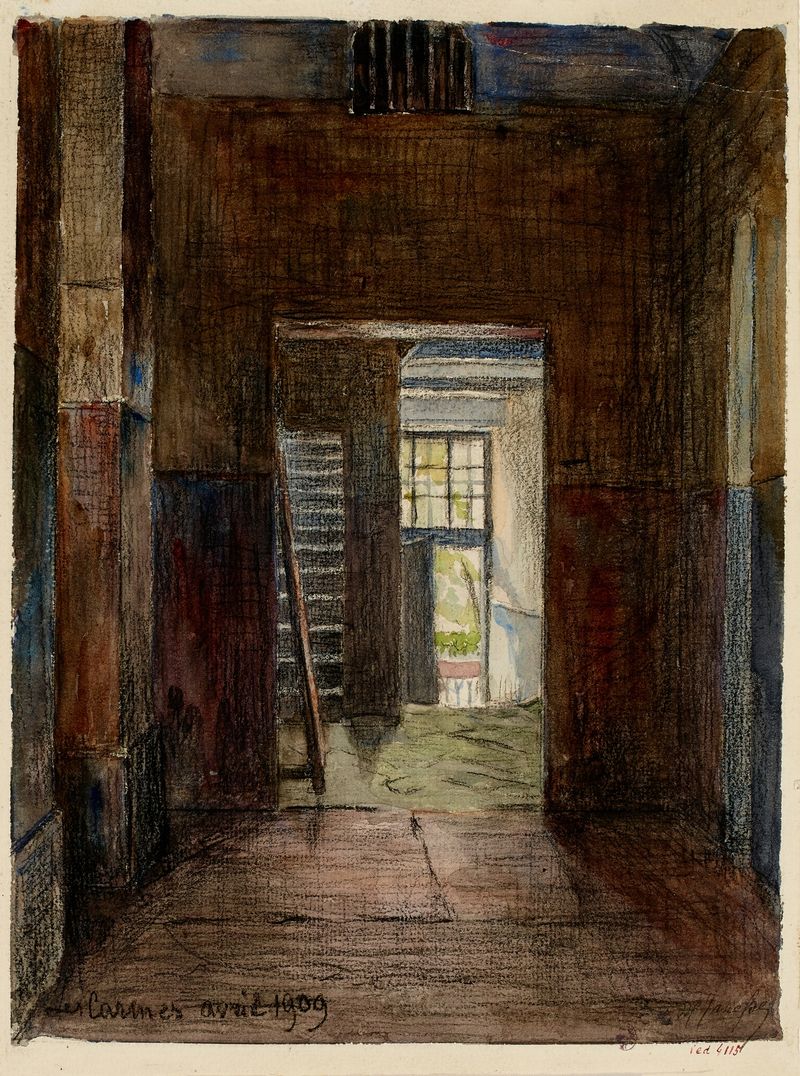
Intérieur du couvent des Carmes, rue de Vaugirard
Georges-Henri Manesse
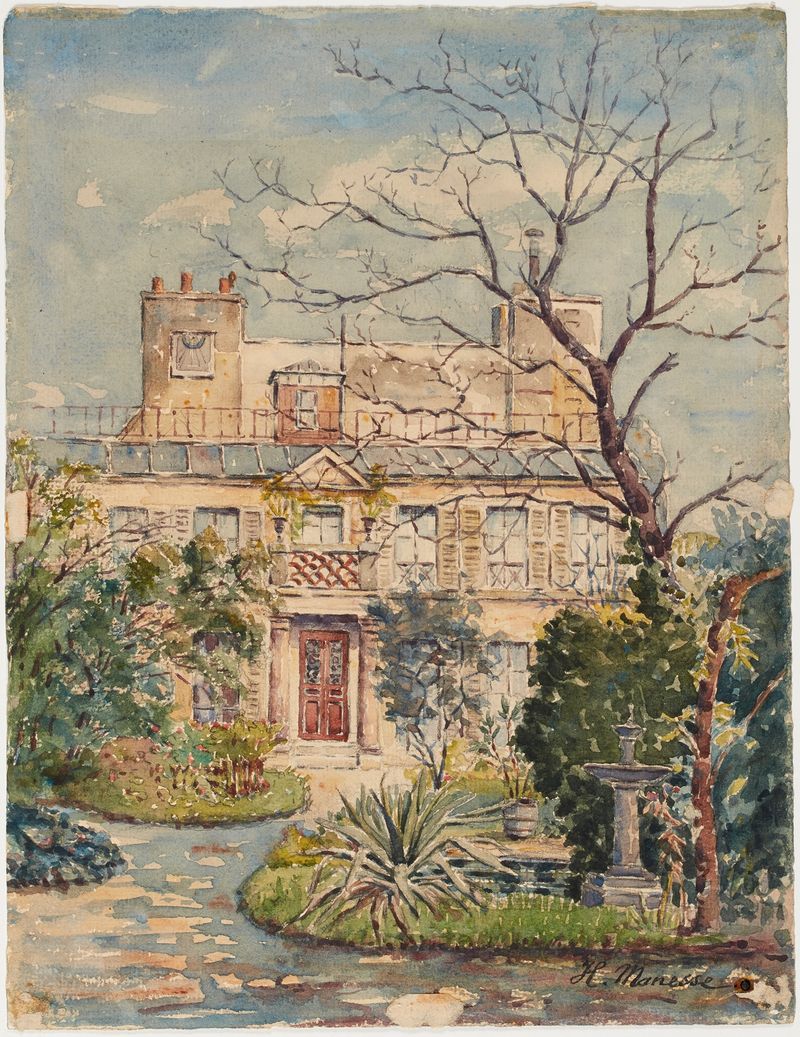
Maison de Victor Hugo, rue du Cherche-Midi
Georges-Henri Manesse
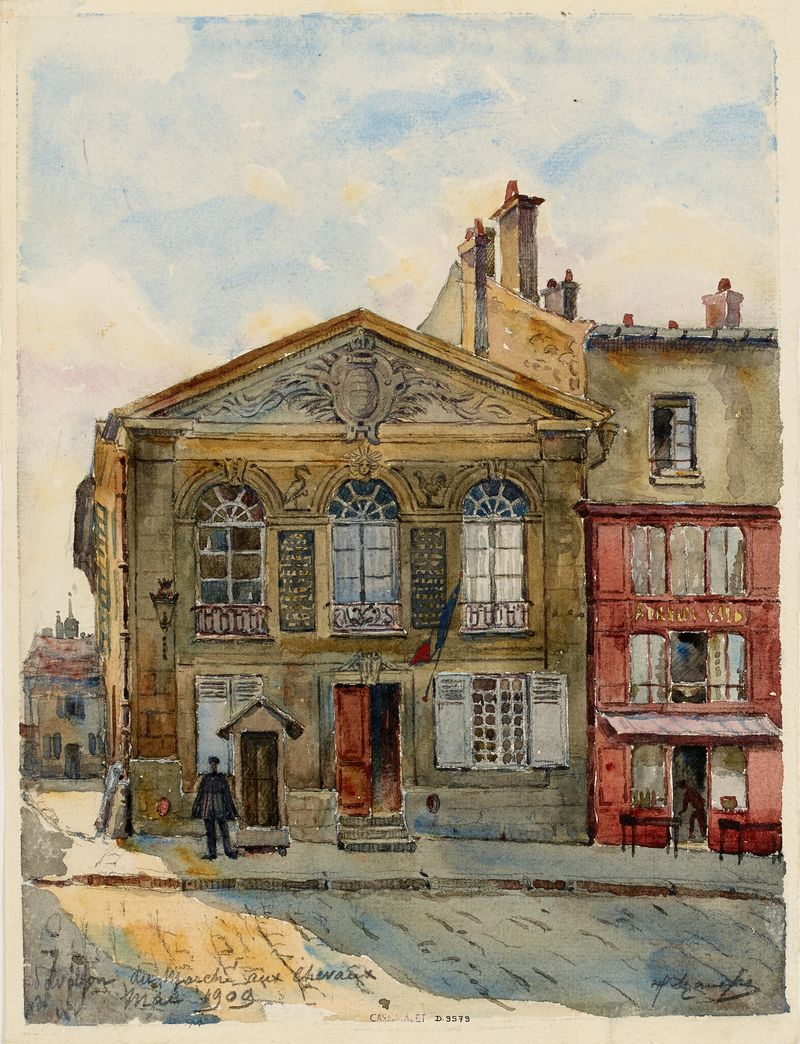
Le pavillon de police du Marché aux chevaux, rue Geoffroy Saint Hilaire
Georges-Henri Manesse

Passerelle des Arts
Georges-Henri Manesse

Vieille maison du XVè siècle, 6 rue Boutebrie
Georges-Henri Manesse
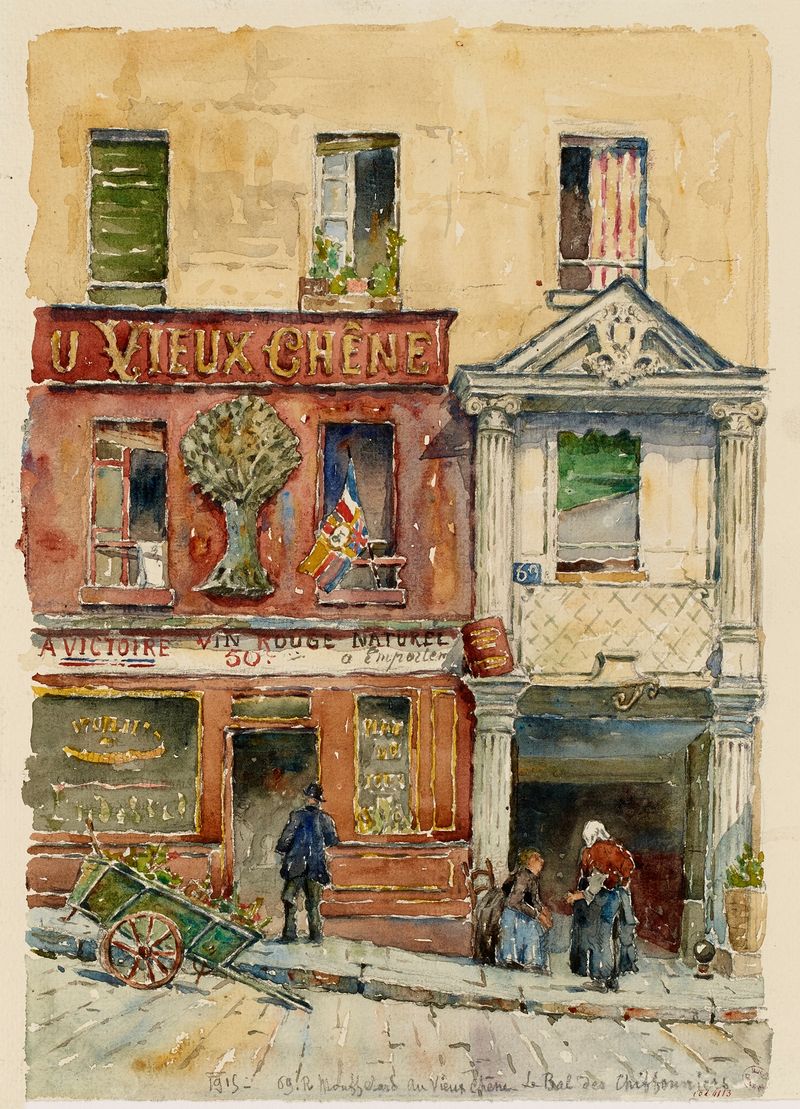
69, rue Mouffetard Boutique de vins à l’enseigne du Vieux chêne
Georges-Henri Manesse
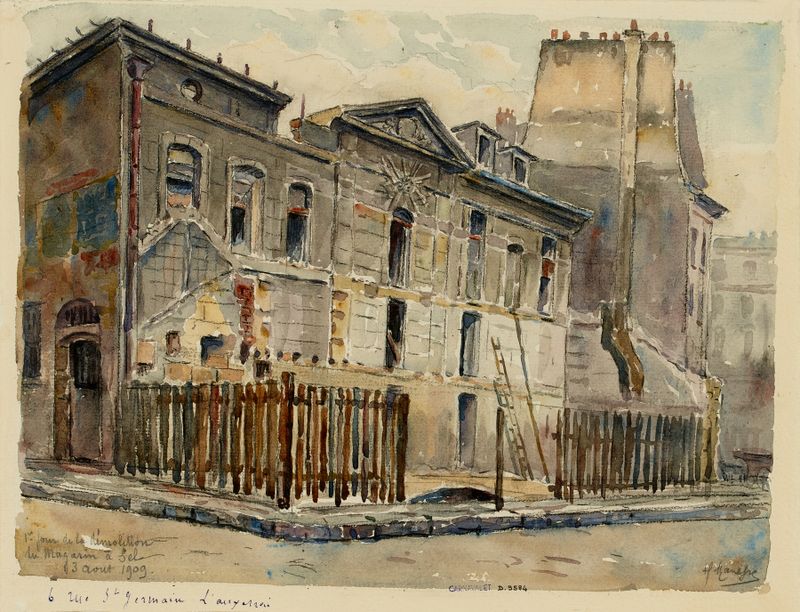
Premier jour de la démolition du magasin à sel, 6 rue Saint Germain de l’Auxerrois
Georges-Henri Manesse
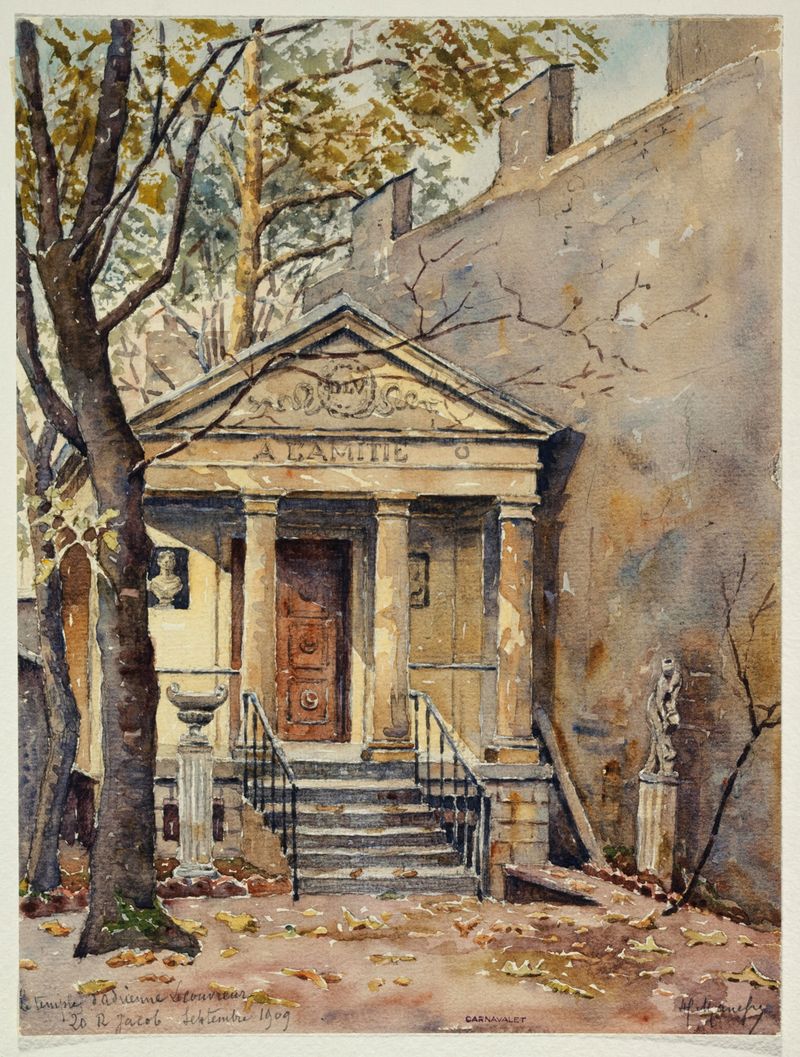
Temple de l’Amitié, 20 rue Jacob où habita Adrienne Lecouvreur
Georges-Henri Manesse

Maison de campagne de Jean-Jacques Rousseau, 20 quai de Passy
Georges-Henri Manesse
More Architecture Art
Browse all →
The statue of Liberty
Frédéric Auguste Bartholdi

View of Houses in Delft, Known as ‘The Little Street’
Johannes Vermeer

View of Houses in Delft, Known as ‘The Little Street’
Johannes Vermeer

The Cathedral in Rouen. The portal, Grey Weather
Claude Monet

The yellow house
Vincent van Gogh

The Church in Auvers-sur-Oise, View from the Chevet
Vincent van Gogh