
Tower Falls and Sulphur Mountain, Yellowstone — History & Facts
In the stillness of nature, we find reminders of decay that whisper of life’s transience. Look to the foreground, where the rich hues of vegetation cradle the cascading waters of Tower Falls. The artist employs a dynamic interplay of blues and greens, inviting the viewer to navigate the vibrant contrasts between the rushing water and the rugged, weathered cliffs. Notice how the sunlight dances on the water’s surface, illuminating the textures of the rocks, while shadows lurk just beneath, hinting at the unseen decay present in nature’s relentless cycle. This composition evokes the tension between beauty and impermanence.
The juxtaposition of the majestic falls against the imposing, aging mountain serves as a poignant reminder of nature’s resilience amid the gradual erosion that time imposes. Each brushstroke captures a fleeting moment, yet the enduring landscape suggests that decay is not only inevitable but also a crucial aspect of life’s narrative. In 1875, Moran painted this piece while immersed in the stunning landscapes of Yellowstone, where the burgeoning movement of American landscape painting sought to depict the untamed beauty of the continent. At that time, the national parks were gaining attention, reflecting a growing appreciation of natural wonders.
Moran's work contributed significantly to this discourse, intertwining personal experience with broader themes of exploration and preservation in an era marked by industrial advancement and environmental awareness.
More Artworks by Thomas Moran
Browse all →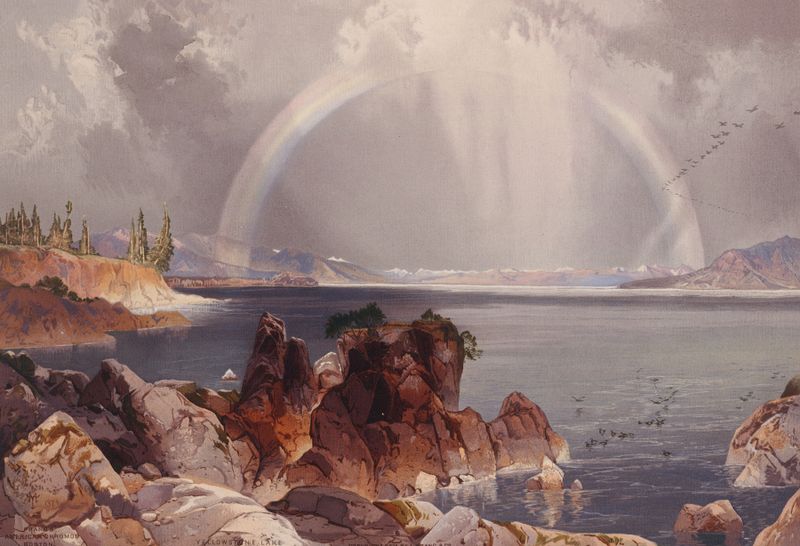
Yellowstone Lake
Thomas Moran

Grand Canyon of the Colorado River
Thomas Moran

Grand Canyon, Colorado River
Thomas Moran

The Towers of Tower Falls, Yellowstone
Thomas Moran
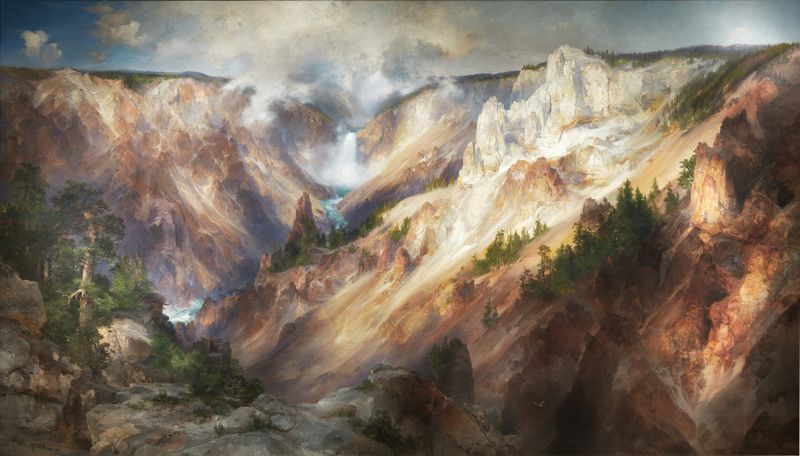
The Grand Canyon Of The Yellowstone
Thomas Moran

Mountain of the Holy Cross
Thomas Moran

Cliffs Of The Upper Colorado River, Wyoming Territory
Thomas Moran
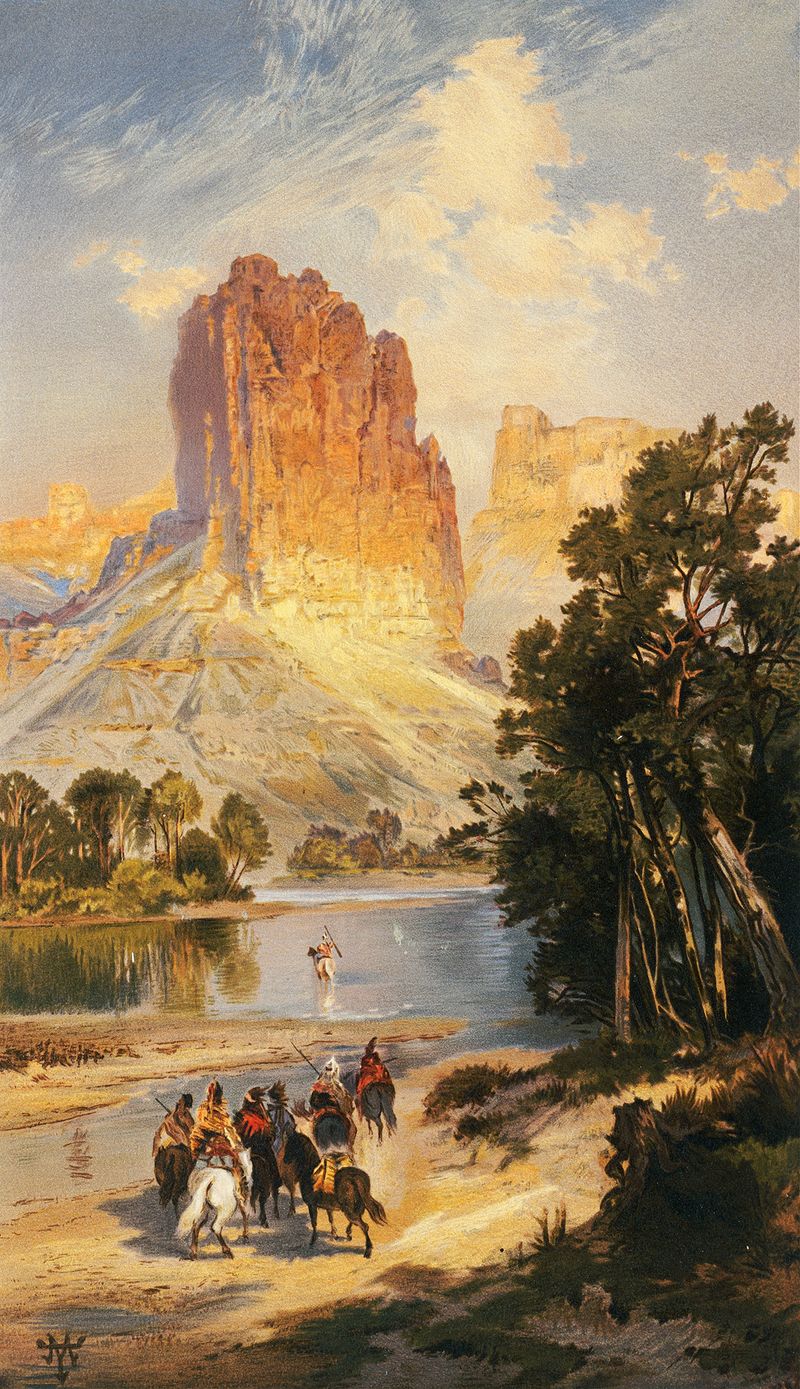
Cliffs of the Upper Colorado River, Wyoming Territory
Thomas Moran

Mammoth Hot Springs, Yellowstone
Thomas Moran
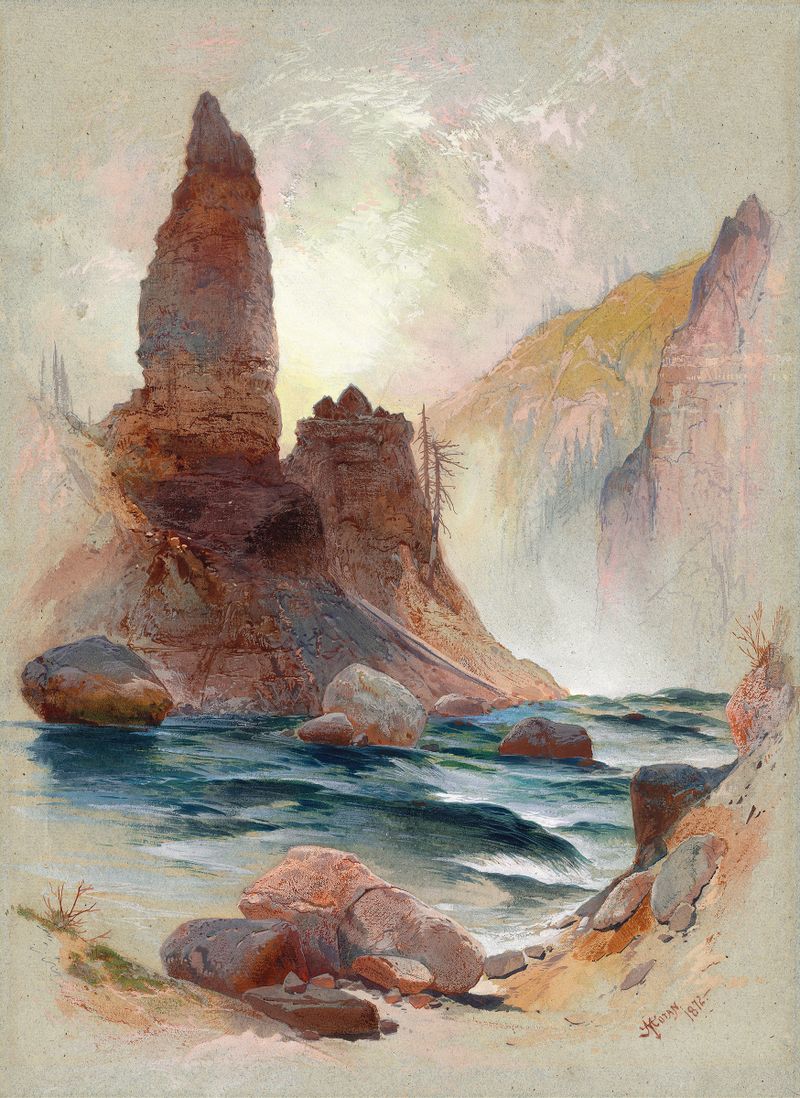
Tower at Tower Falls, Yellowstone
Thomas Moran





