
Trauer und Hoffnung — History & Facts
In Trauer und Hoffnung, Koloman Moser uses a palette of deep blues and vibrant reds to convey contrasting emotions. The painting features figures that embody grief and hope, set against a dreamlike background. The composition is rich with symbolic elements, such as flowers and light, that enhance the emotional depth.
Moser’s style reflects the influence of Art Nouveau, with flowing lines and organic forms. The painting is executed in oil on canvas, showcasing Moser's skill in blending colors to create depth and texture. The figures are stylized, with elongated forms and intricate details that draw the viewer's eye. The use of light and shadow adds a dramatic effect, emphasizing the themes of the work.
Viewers can appreciate the meticulous brushwork that characterizes Moser's approach. Koloman Moser was a prominent figure in the Vienna Secession, a movement that sought to break away from traditional art forms. Trauer und Hoffnung was created during a period of personal and societal upheaval, reflecting the duality of human experience. An interesting fact about this work is that it was originally intended as a decorative panel, showcasing Moser's versatility as both a painter and designer.
This piece exemplifies the Symbolist movement's focus on emotional expression and personal interpretation.
More Artworks by Koloman Moser

Butterfly
Koloman Moser
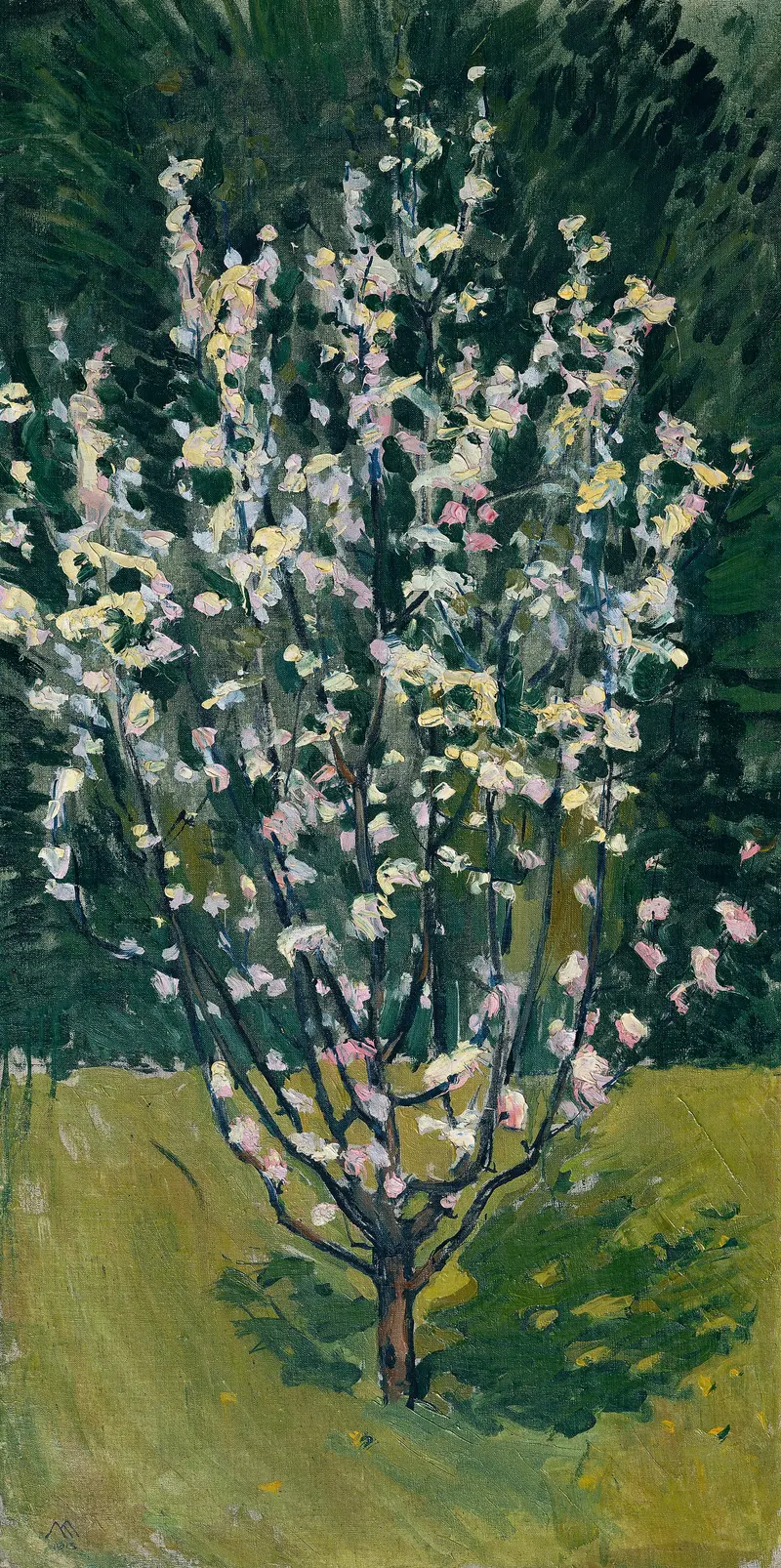
Blühendes Bäumchen
Koloman Moser
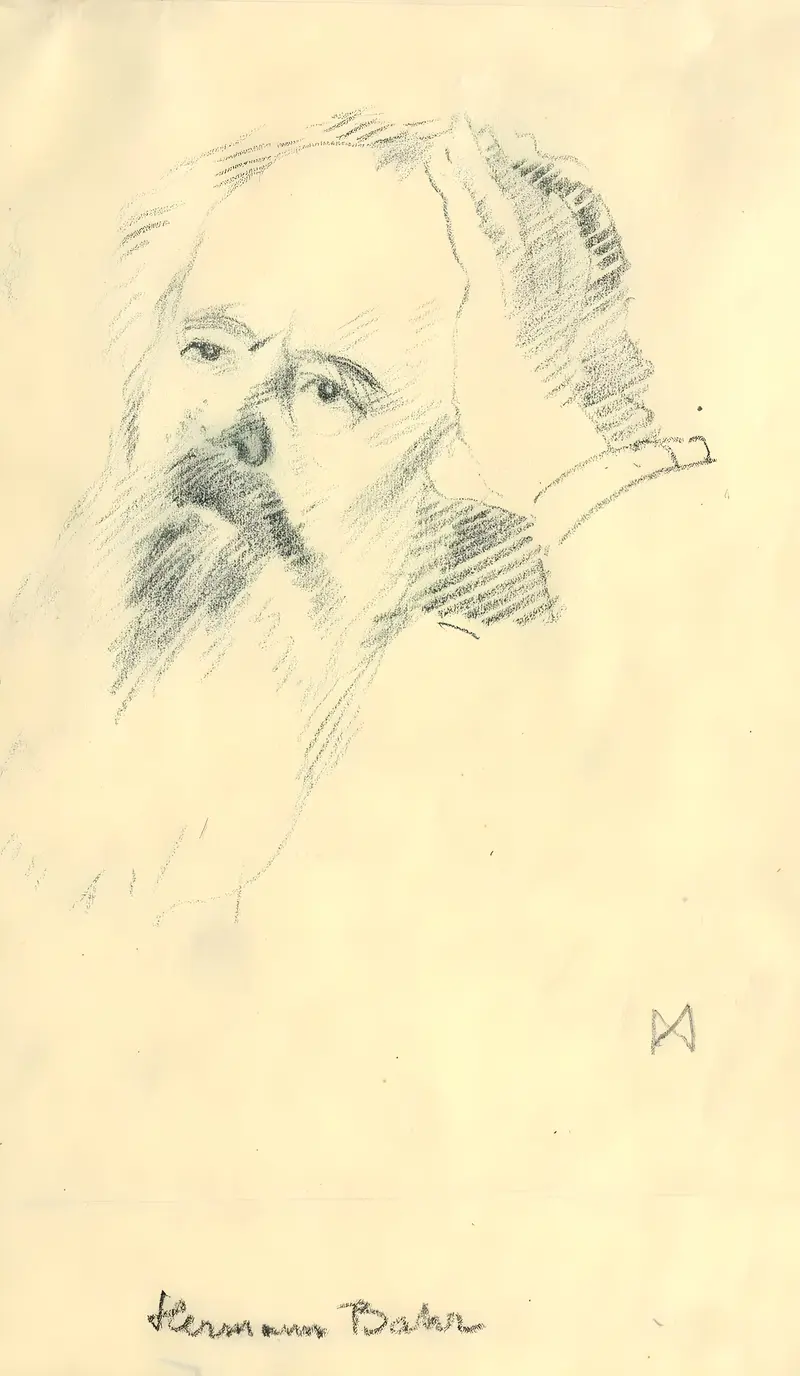
Porträt Hermann Bahr
Koloman Moser

Lesendes Mädchen
Koloman Moser

Liebespaar
Koloman Moser
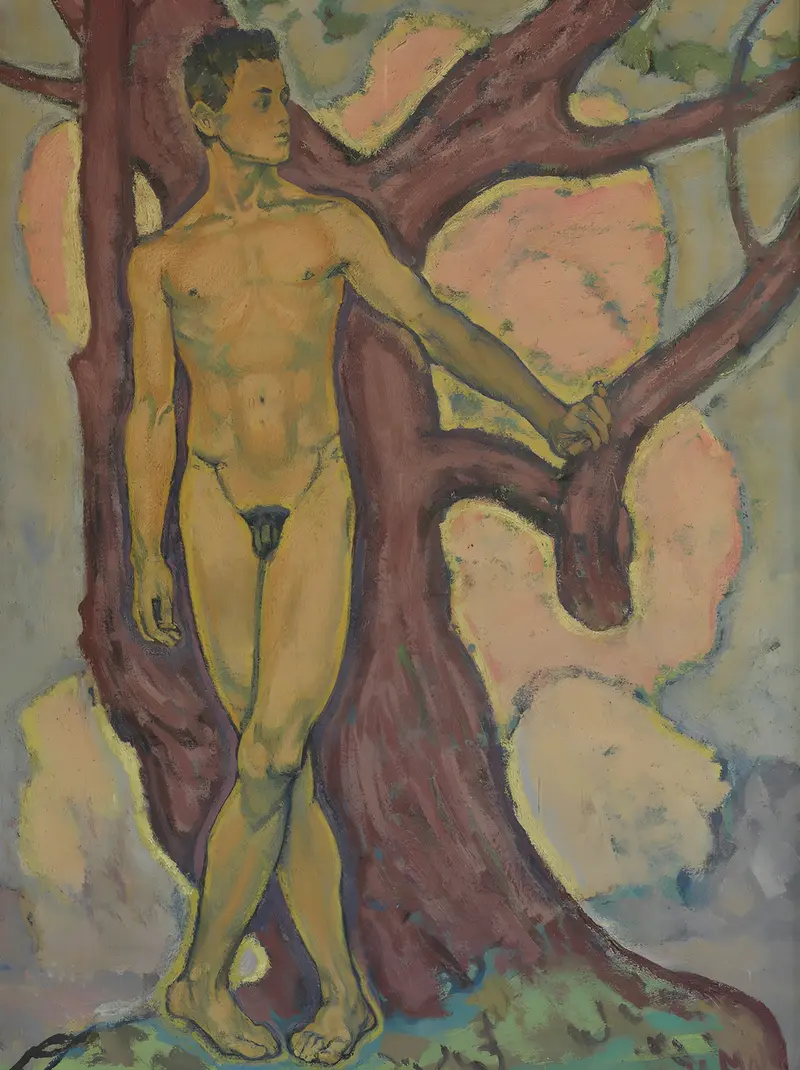
Allegorie Jüngling
Koloman Moser
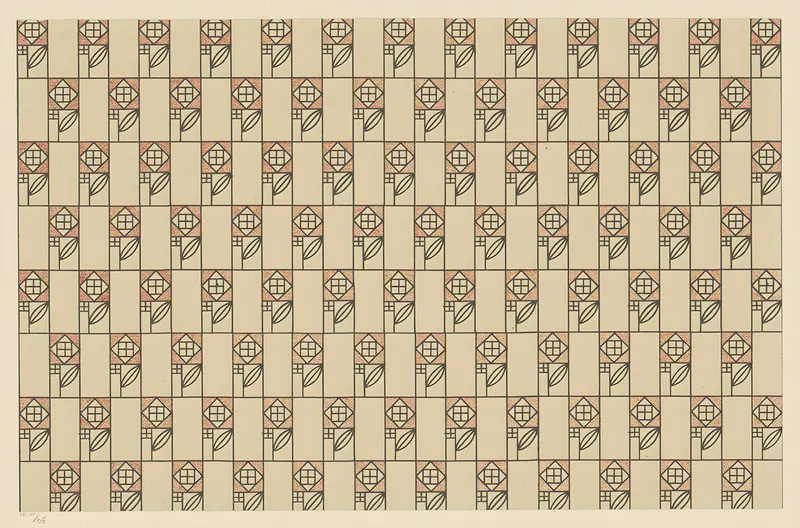
Einwickelpapier der Wiener Werkstätte mit Rosenmarke
Koloman Moser
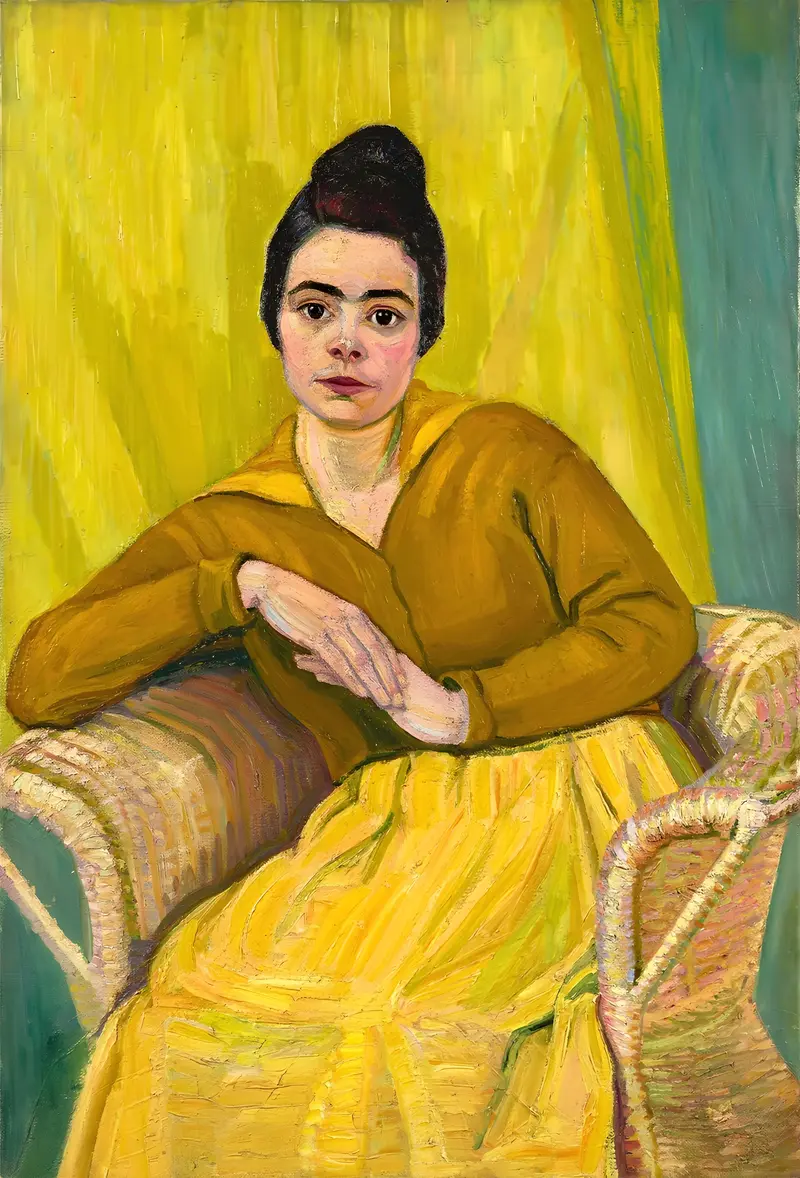
Sitzende Dame im Korbstuhl
Koloman Moser
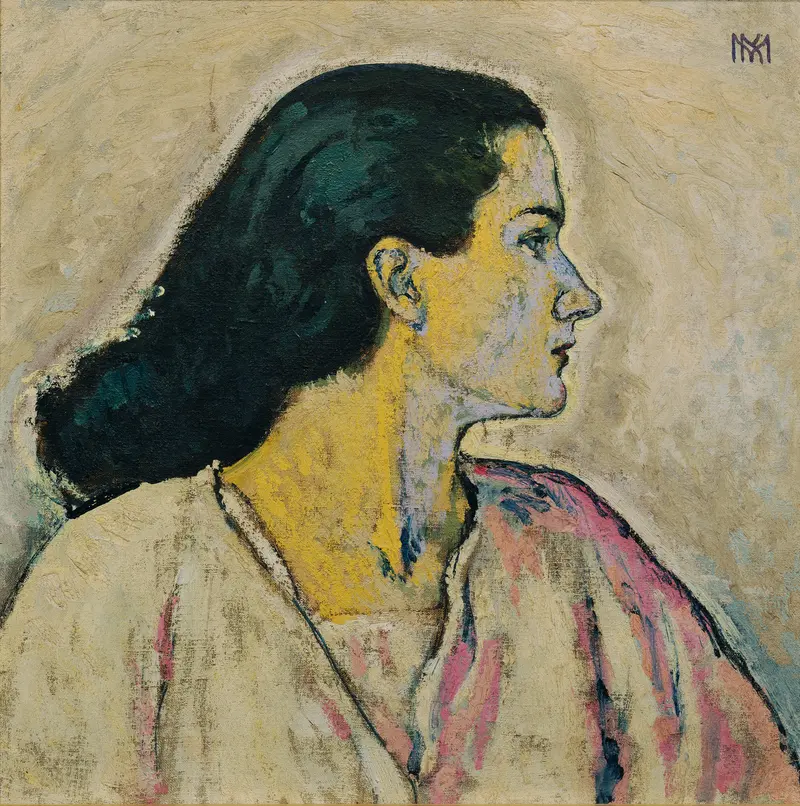
Frauenbildnis im Profil
Koloman Moser
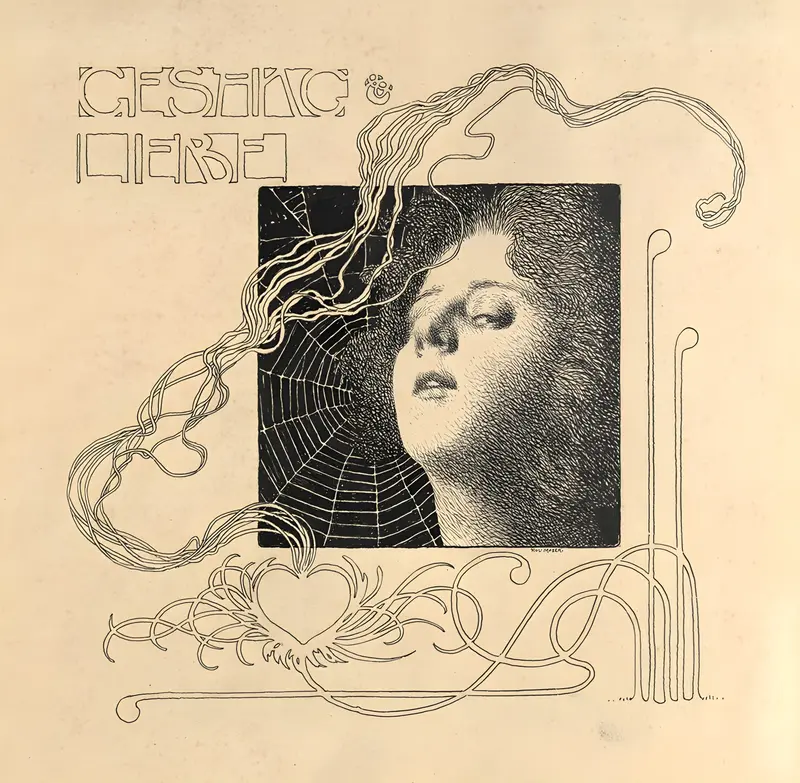
Gesang – Liebe
Koloman Moser





