
Trinity Bay, Newfoundland, Exterior View of the Telegraph House in 1857-1858 — History & Facts
Could beauty survive in a century of chaos? This question echoes through every brushstroke of the captivating Trinity Bay, Newfoundland, Exterior View of the Telegraph House in 1857-1858. Here, a moment in time is frozen, inviting the viewer to contemplate the intersection of nature and human endeavor against the backdrop of history. Look to the central structure, the Telegraph House, where warm tones of ochre and earthy reds stand resilient against the wild blues and greens of the Newfoundland landscape. Notice how the sunlight bathes the building, casting soft shadows that emphasize its sturdy walls.
The composition draws the eye not only to the architectural details but also to the sweeping ocean that frames the scene, its waves mirroring the tranquility of the moment. Each brushstroke evokes a sense of place, breathing life into the scene while maintaining a serene atmosphere. Beneath the surface lies a poignant contrast between the human-made and the natural world, each vying for dominance. The Telegraph House symbolizes progress, an emblem of communication and connection, yet it stands in stark relief to the untamed wilderness surrounding it.
The tranquil waters hint at a deeper understanding—the relentless passage of time and the transient nature of human achievements against the eternal cycle of nature, a reminder of our vulnerability amidst grandeur. Robert Charles Dudley painted this work in the mid-1860s, during a transformative period in art, marked by the rise of realism. Working in Newfoundland, he captured a moment of local significance while also reflecting broader themes of exploration and industrialization. This period, fraught with social changes and uncertainties, shaped his perspective, leading him to create vivid, meaningful representations of his surroundings.
More Artworks by Robert Charles Dudley
Browse all →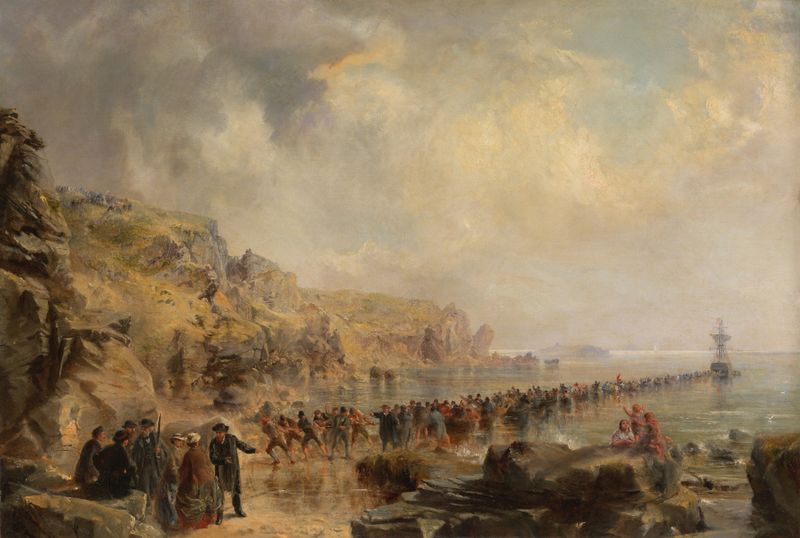
Landing the Shore End of the Atlantic Cable
Robert Charles Dudley
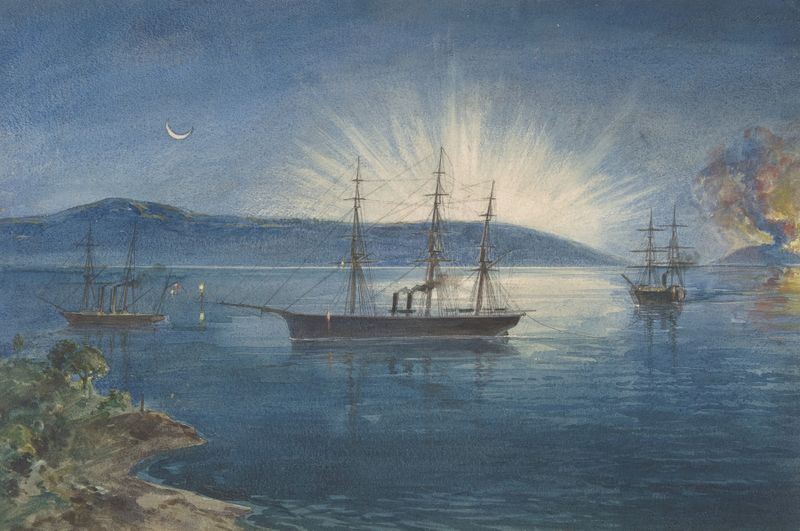
The Bay of Bull Arms, Trinity Bay, Newfoundland, Bonfires Lighted on the Hills to Notify of the Arrival of the Cable Fleet on August 5th, 1858
Robert Charles Dudley
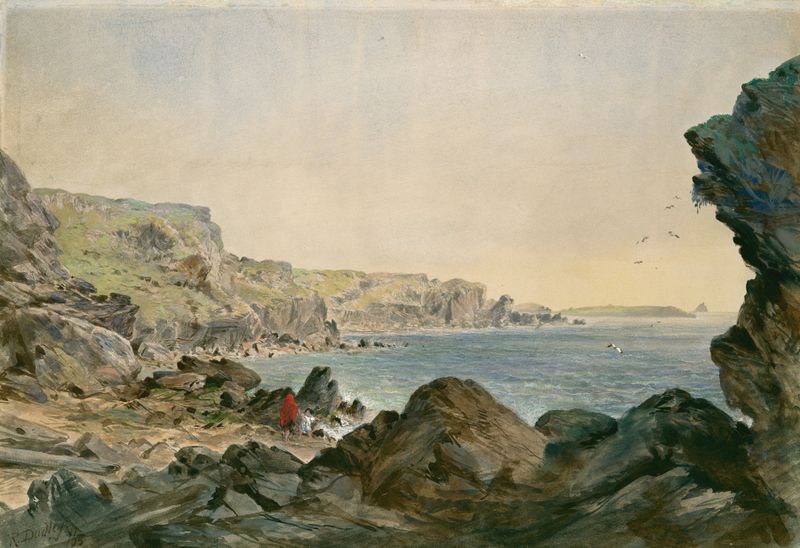
Foilhummerum Bay, Valentia, Looking Seawards from the Point at Which the Cable Reaches the Shore of Ireland
Robert Charles Dudley
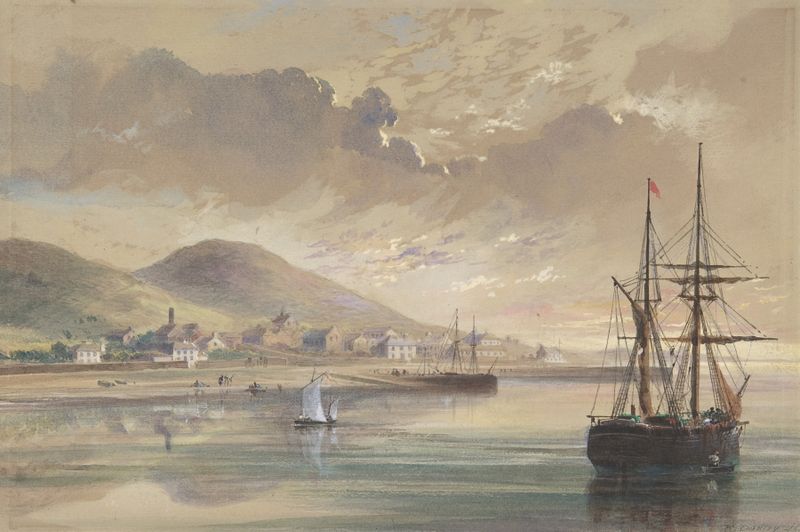
Valentia in 1857-1858 at the Time of the Laying of the Former Cable
Robert Charles Dudley
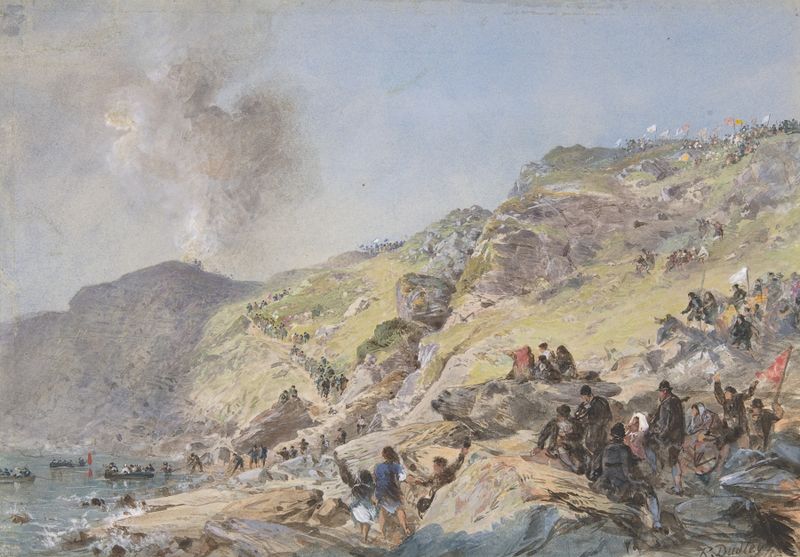
The Cliffs, Foilhummerum Bay, Valentia, the Point at Which the Shore-end of the Cable was Landed on July 22nd, 1865
Robert Charles Dudley
More Architecture Art
Browse all →
The statue of Liberty
Frédéric Auguste Bartholdi

View of Houses in Delft, Known as ‘The Little Street’
Johannes Vermeer

View of Houses in Delft, Known as ‘The Little Street’
Johannes Vermeer

The Cathedral in Rouen. The portal, Grey Weather
Claude Monet

The yellow house
Vincent van Gogh

The Church in Auvers-sur-Oise, View from the Chevet
Vincent van Gogh