
Foilhummerum Bay, Valentia, Looking Seawards from the Point at Which the Cable Reaches the Shore of Ireland — History & Facts
Can beauty exist without sorrow? In Robert Charles Dudley's Foilhummerum Bay, Valentia, Looking Seawards from the Point at Which the Cable Reaches the Shore of Ireland, this question resonates deeply within the tranquil yet poignant landscape. Look to the left of the canvas, where gentle waves lap against the rocky shore, their rhythm contrasting with the somber gray clouds looming overhead. The light breaks through in patches, casting a silvery sheen on the water that beckons the eye, creating a dialogue between the vibrant blues of the sea and the muted earth tones of the land. Notice how the delicate brushwork captures both the movement of the waves and the stillness of the cliffs, allowing the viewer to feel the tension between the calm surface and the turbulent emotions beneath. Beneath the serene exterior lies an undercurrent of grief.
The cable, a silent witness to connection and separation, speaks to the paradox of technological progress and the isolation it can bring. The distant horizon, shrouded in mist, evokes a sense of longing and the uncertainty of what lies beyond, reinforcing the notion that beauty often exists in the company of melancholy. This duality invites viewers to reflect on their own experiences of loss amidst the beauty of nature. Dudley painted this work during a significant period of his life, between 1865 and 1866, while residing in England.
The mid-19th century was marked by advancements in communication and transport, yet it was also a time of personal upheaval for many, as they grappled with the effects of industrialization on the natural world. This piece reflects not only Dudley’s skill in capturing the landscape but also the emotional complexities of a changing society, underscored by the connection between the land and the sea.
More Artworks by Robert Charles Dudley
Browse all →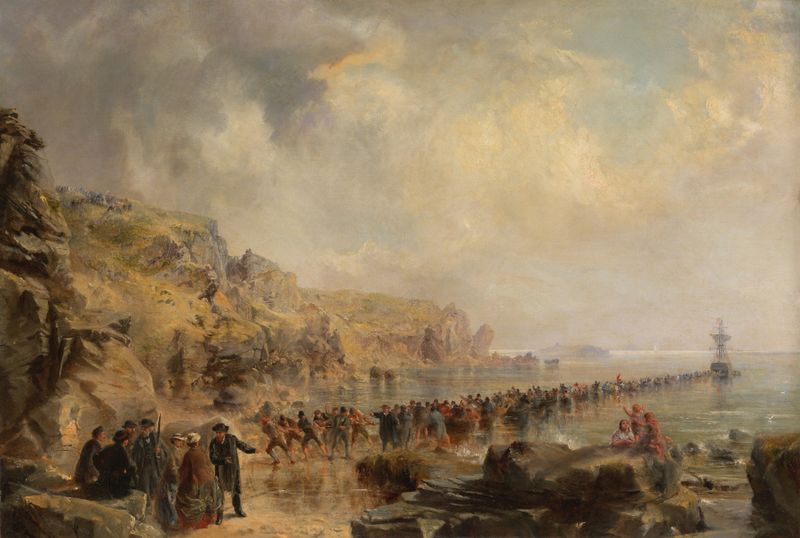
Landing the Shore End of the Atlantic Cable
Robert Charles Dudley
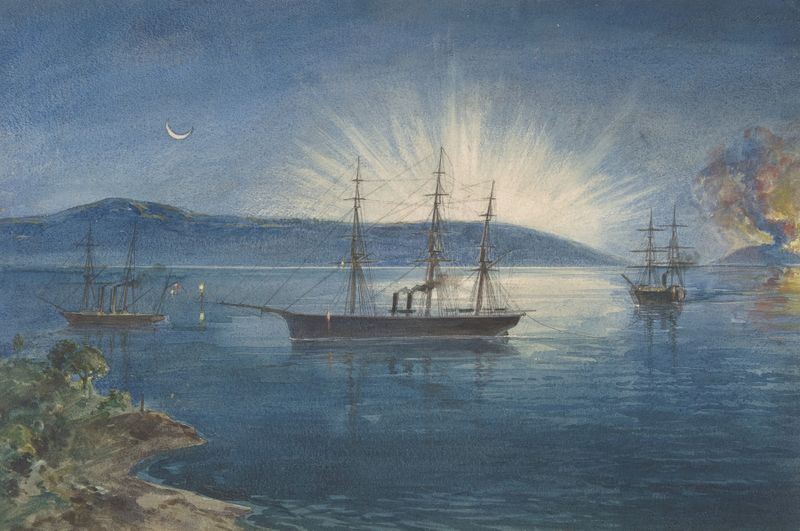
The Bay of Bull Arms, Trinity Bay, Newfoundland, Bonfires Lighted on the Hills to Notify of the Arrival of the Cable Fleet on August 5th, 1858
Robert Charles Dudley
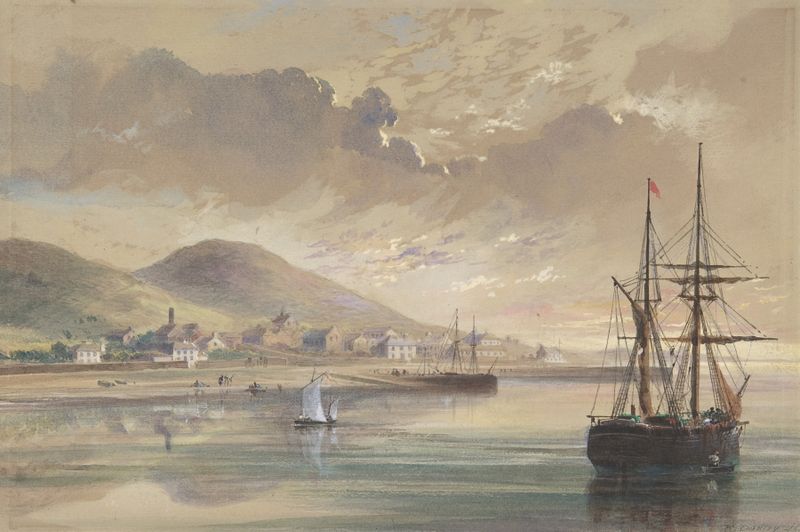
Valentia in 1857-1858 at the Time of the Laying of the Former Cable
Robert Charles Dudley
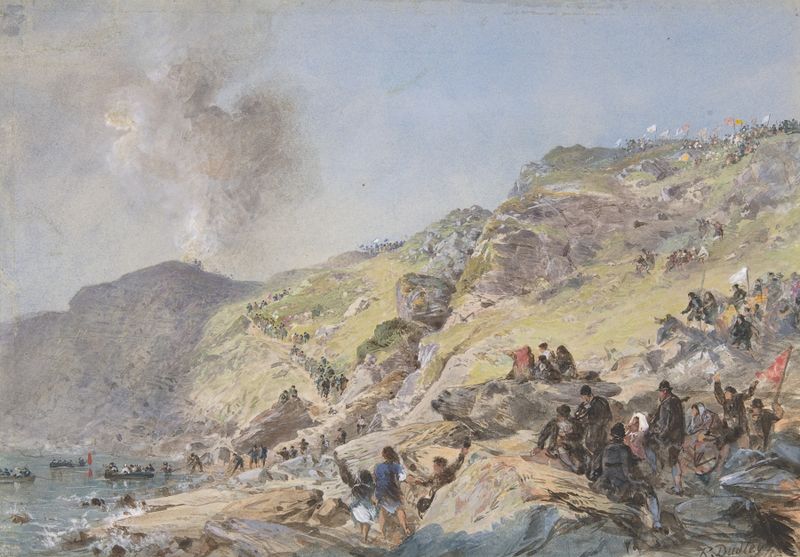
The Cliffs, Foilhummerum Bay, Valentia, the Point at Which the Shore-end of the Cable was Landed on July 22nd, 1865
Robert Charles Dudley
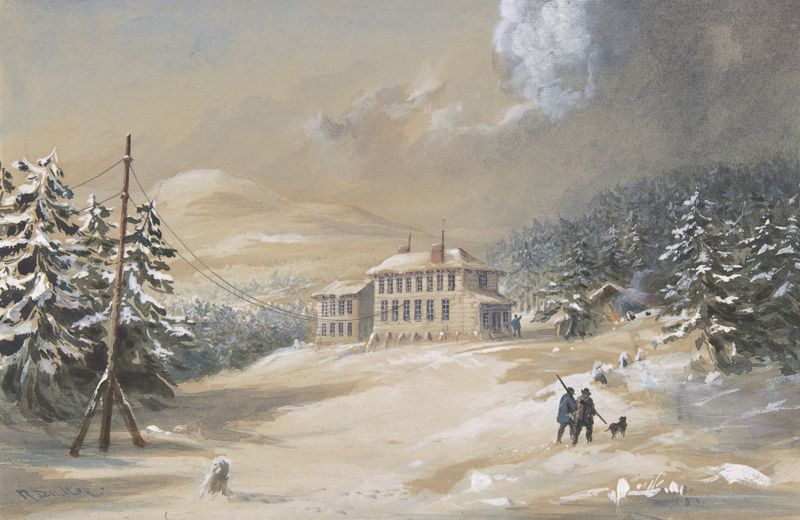
Trinity Bay, Newfoundland, Exterior View of the Telegraph House in 1857-1858
Robert Charles Dudley





