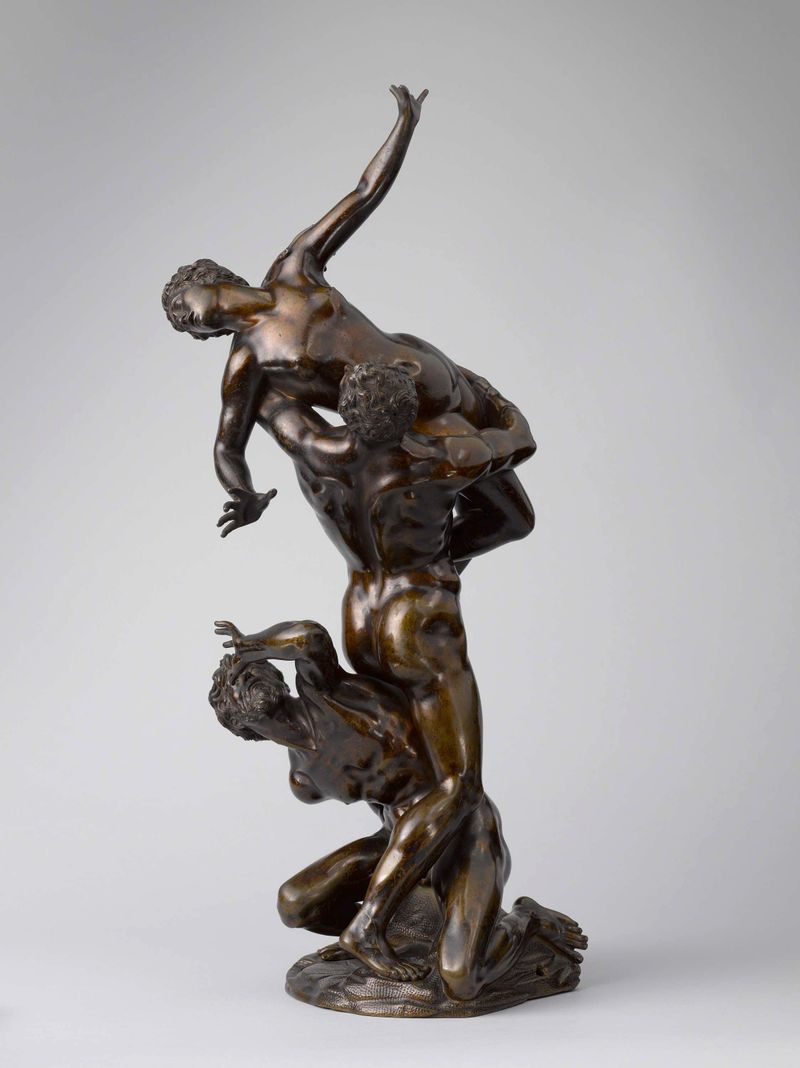
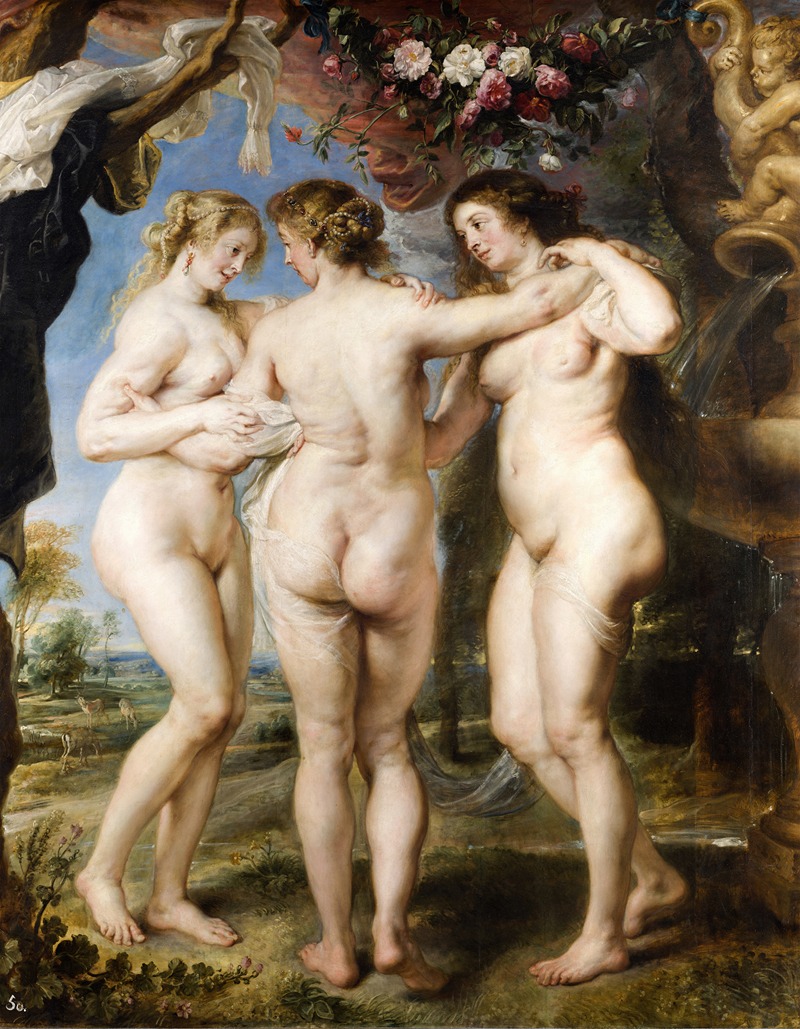
Triomf van Hercules — History & Facts
Can beauty exist without sorrow? In Triomf van Hercules, the viewer is invited to explore the delicate balance between triumph and the shadows that linger in its wake. Look to the center, where Hercules stands heroically, muscles defined and posture regal. The vibrant hues of crimson and gold enfold him, creating a striking contrast with the softer pastels that surround his figure. Notice how the playful cherubs float in the canvas's upper corners, their joyful expressions juxtaposed with the solemnity of Hercules' victory.
The intricate details in their wings and the fluidity of their movement draw your gaze upward, challenging the viewer to reconcile the lightheartedness of childhood with the gravitas of maturity. Delve deeper into the painting's symbolism, where Hercules' muscular form signifies strength, yet his complex expression carries an undercurrent of melancholy. The joyous celebration of his triumph is notably clouded by the knowledge of battles fought and sacrifices made. Each cherub, representing innocence and joy, stands as a reminder that even in moments of glory, the weight of experience creeps in, blurring the lines between celebration and sorrow. Giovanni Domenico Tiepolo created Triomf van Hercules between 1757 and 1761, during a time when he was establishing his reputation as a master of narrative and allegory in art.
Working in Venice, the artist was influenced by the evolving Baroque style, yet his approach was marked by a lightness and playfulness that reflected the changing tastes of the aristocracy. His ability to intertwine complex emotions within theatrical compositions set him apart in the rich tapestry of 18th-century art.
More Artworks by Giovanni Domenico Tiepolo
Browse all →
Engel met scapulier
Giovanni Domenico Tiepolo
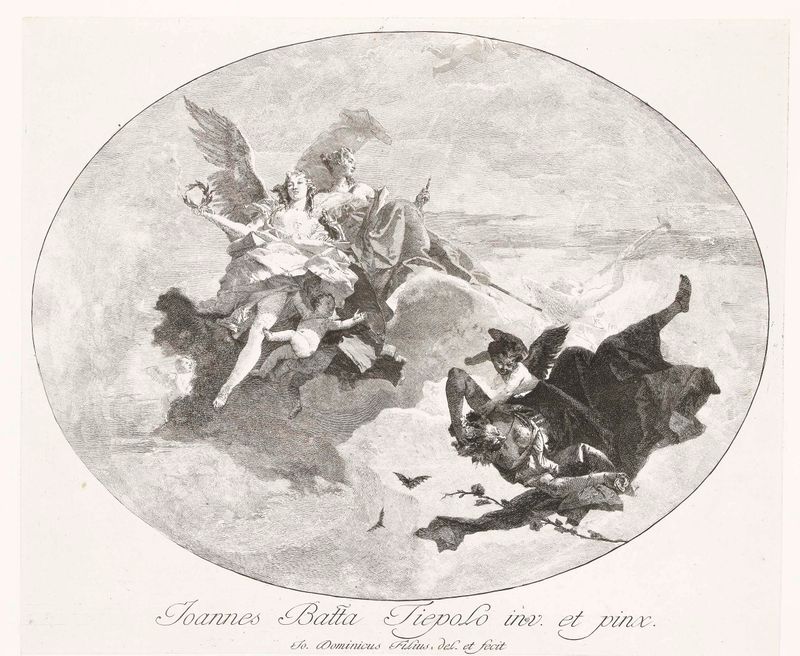
Deugd en Faam verjagen Gierigheid
Giovanni Domenico Tiepolo
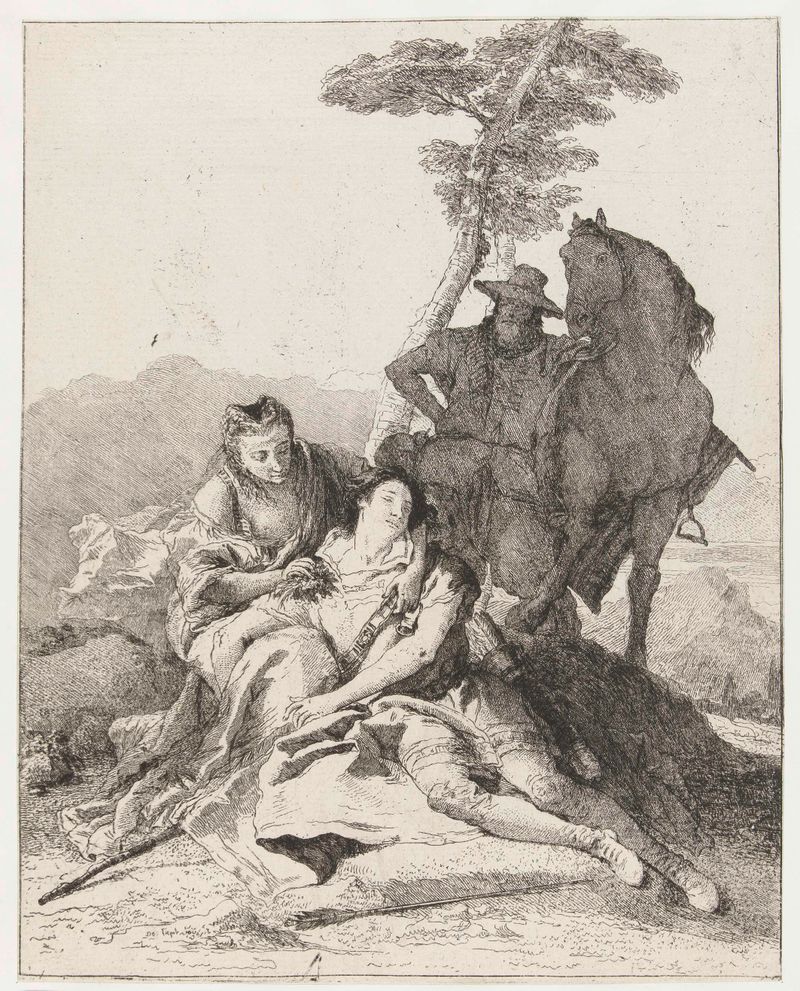
Angelica geneest de wond van Medoro
Giovanni Domenico Tiepolo
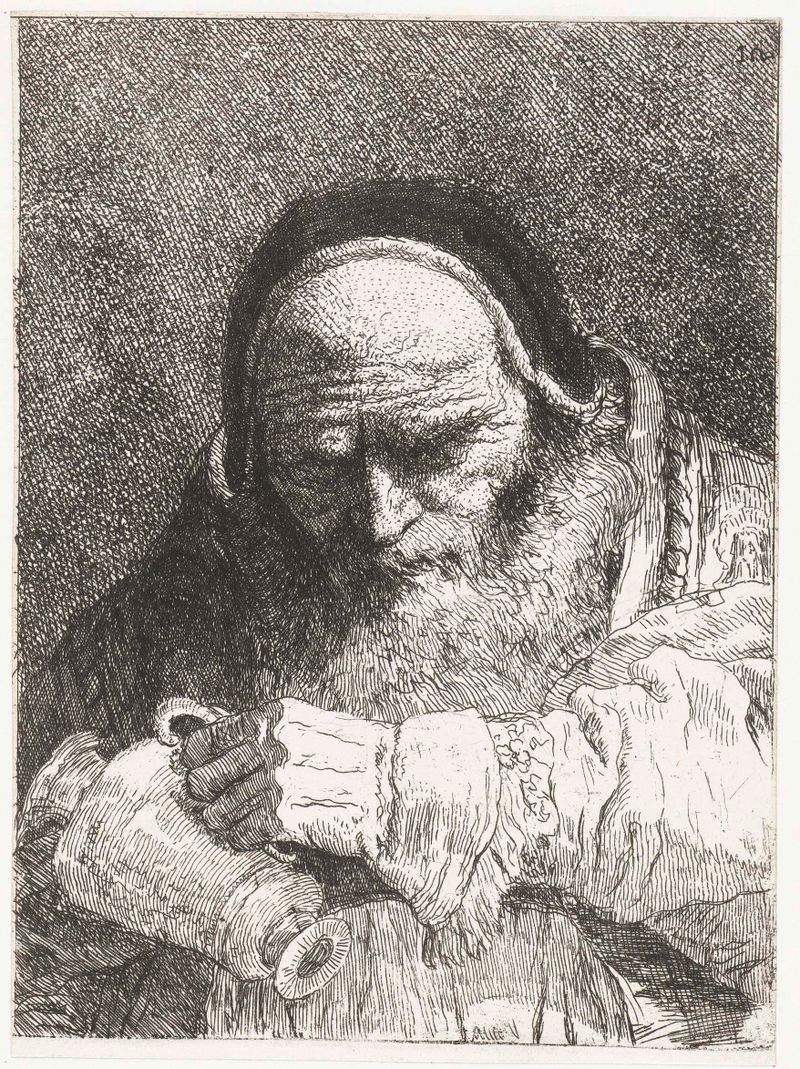
Paus met schenkkan
Giovanni Domenico Tiepolo

Heilige familie vertrekt door een stadspoort
Giovanni Domenico Tiepolo
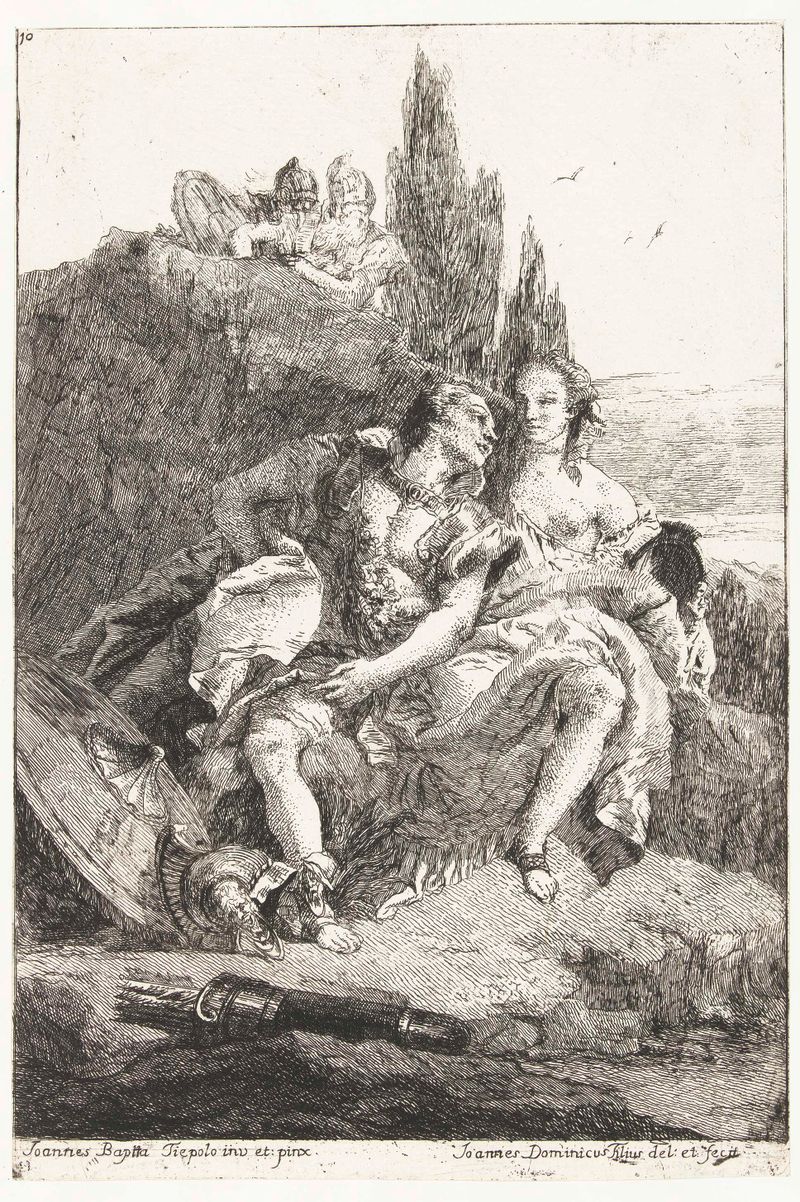
Rinaldo en Armida als liefdespaar aangetroffen bij een meer door twee ridders
Giovanni Domenico Tiepolo
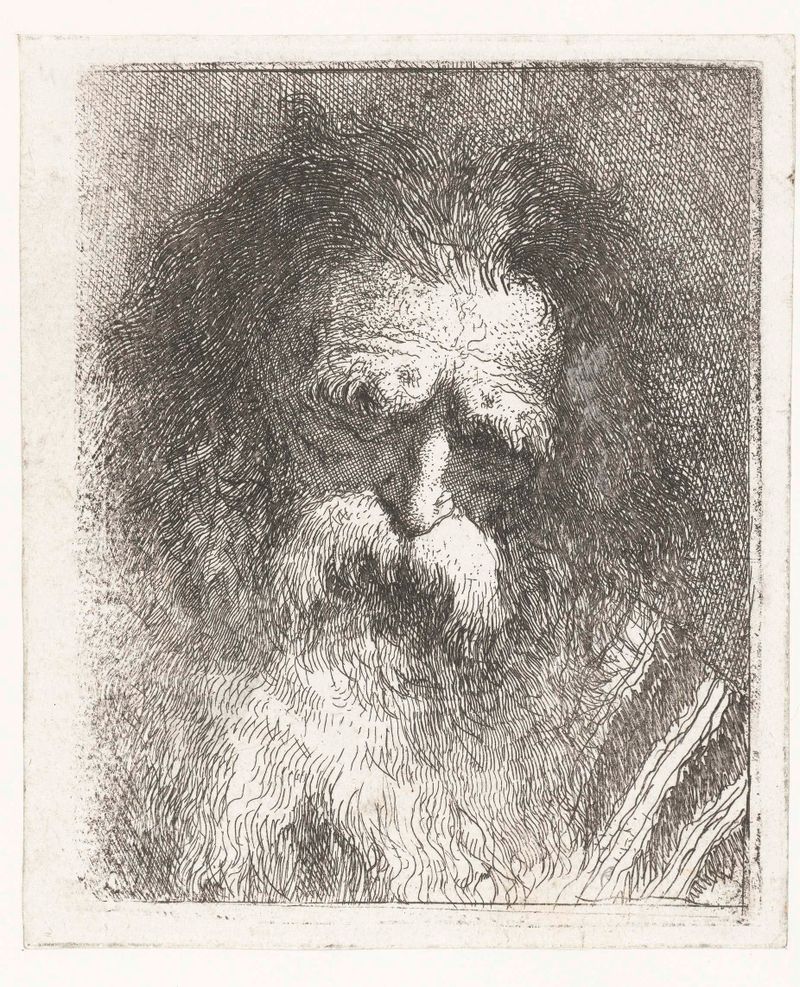
Oude man met borstelige wenkbrauwen en baard
Giovanni Domenico Tiepolo

Man met zwaard
Giovanni Domenico Tiepolo

Man met lange haren en zonder hoofddeksel
Giovanni Domenico Tiepolo

Man met ontblote schouder
Giovanni Domenico Tiepolo