
Trouville — History & Facts
In Trouville, the vibrancy of life flows through sun-drenched streets, where each color pulses with an ecstasy of emotion. Look to the left, where the dazzling blues of the ocean meet the warm, golden sands, creating a lively contrast that draws the eye. Notice how the gentle waves lap against the shore, rhythmically beckoning the figures in the foreground. The artist’s deft brushwork gives life to the sunlit scene, inviting viewers into a world where light dances over the surface, amplifying the joy of a seaside escape. Amidst this celebration of life, small details reveal deeper stories, like the solitary figure gazing out toward the horizon, lost in thought.
This juxtaposition of activity and introspection invites us to consider the tension between public joy and private longing. The umbrellas and hats, in their vivid hues, serve both as symbols of leisure and distractions from the deeper currents of emotion swirling just beneath the surface. Conrad Wise Chapman painted Trouville in 1878 during a period of personal transition while living in Europe. Influenced by the vibrant impressions of coastal life, he sought to capture not only the beauty of the scene but also the euphoric sensations it inspired.
This work reflects the broader movement of plein air painting, capturing fleeting moments of light and emotion, as artists began to embrace the immediacy of nature in their art.
More Artworks by Conrad Wise Chapman
Browse all →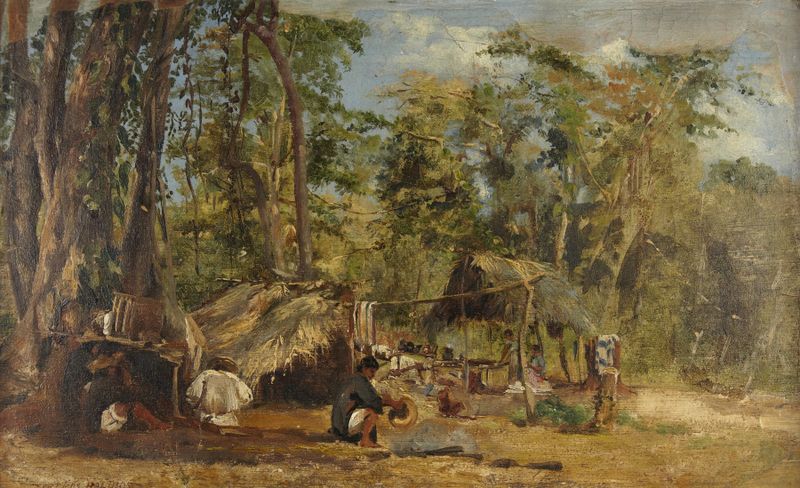
Camp No. 2, Terrenos Baldios
Conrad Wise Chapman
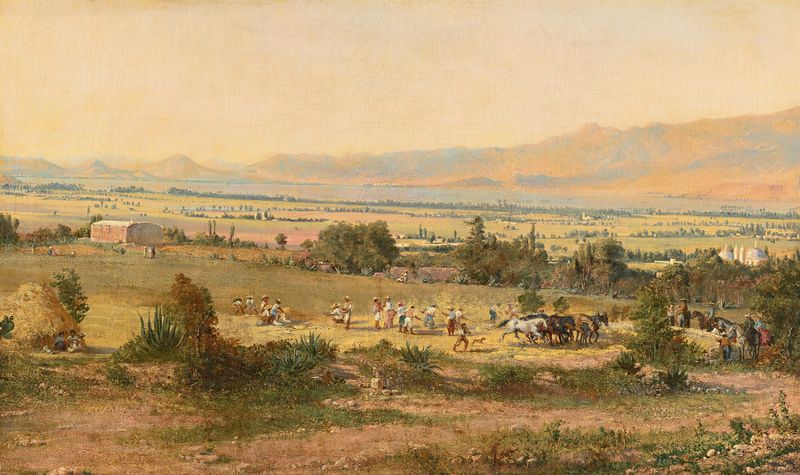
Paisaje Del Valle De México Con El Lago De Texcoco
Conrad Wise Chapman
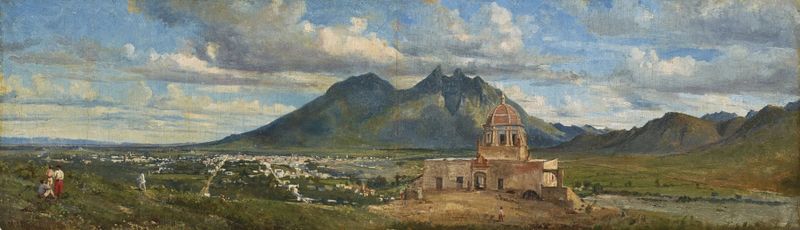
View of Bishop’s Palace Near Monterrey
Conrad Wise Chapman

The Valley of Mexico, the Two Volcanoes Popocatépetl and Iztaccihuatl Beyond
Conrad Wise Chapman
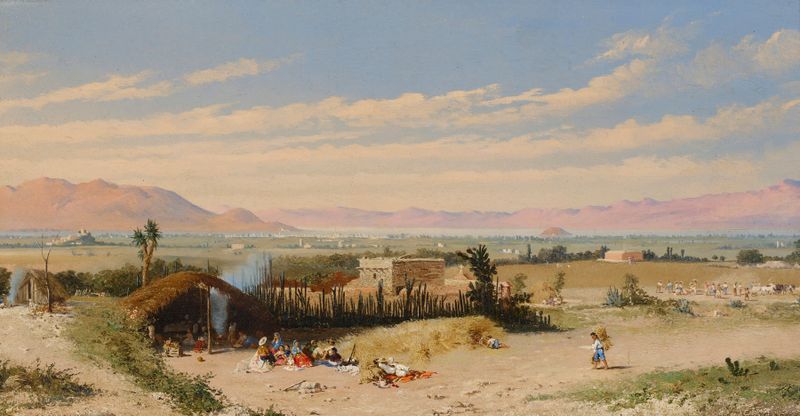
The Valley of Mexico
Conrad Wise Chapman

A Day At The Beach
Conrad Wise Chapman

City of Mexico from the Hacienda de los Morales
Conrad Wise Chapman





