Tussenzetsel van kloskant met geometrisch zigzagpatroon — History & Facts
The delicate intricacies of lace often echo the quiet complexities of life, each stitch a testament to both labor and longing. In the meticulous patterns of this geometric zigzag, one senses the weight of history, a wistfulness woven into the very fabric. Look closely at the central motif, where the zigzag lines dance in a rhythm that seems both ordered and chaotic. Notice how the interplay of light against the thin threads creates a soft play of shadows, inviting your eyes to wander through its labyrinthine design.
The subtle hues, likely derived from natural dyes, lend a sense of warmth to the otherwise stark geometry, hinting at the emotions captured within each carefully crafted loop. Beneath its surface, this work speaks of the tension between the ephemeral and the eternal. The zigzag pattern, while visually pleasing, also evokes a sense of instability, a reminder of the fragility of beauty itself. Each thread interlaces with another, creating a network of connections that mirrors human relationships—sometimes harmonious, sometimes fraught with misalignment.
The melancholy of the piece lies in this duality, the acknowledgment of both grace and impermanence. Created in the late 15th to early 17th century, this artwork rose from a time when lace-making was flourishing across Europe, often seen as a symbol of wealth and sophistication. The artist remains unknown, yet their meticulous craftsmanship reflects the collective dedication of artisans who infused personal stories and cultural narratives into their work during a period rich with artistic exploration and innovation.
More Artworks by Unknown Artist
Browse all →
Ridder, Dood en Duivel
Unknown Artist
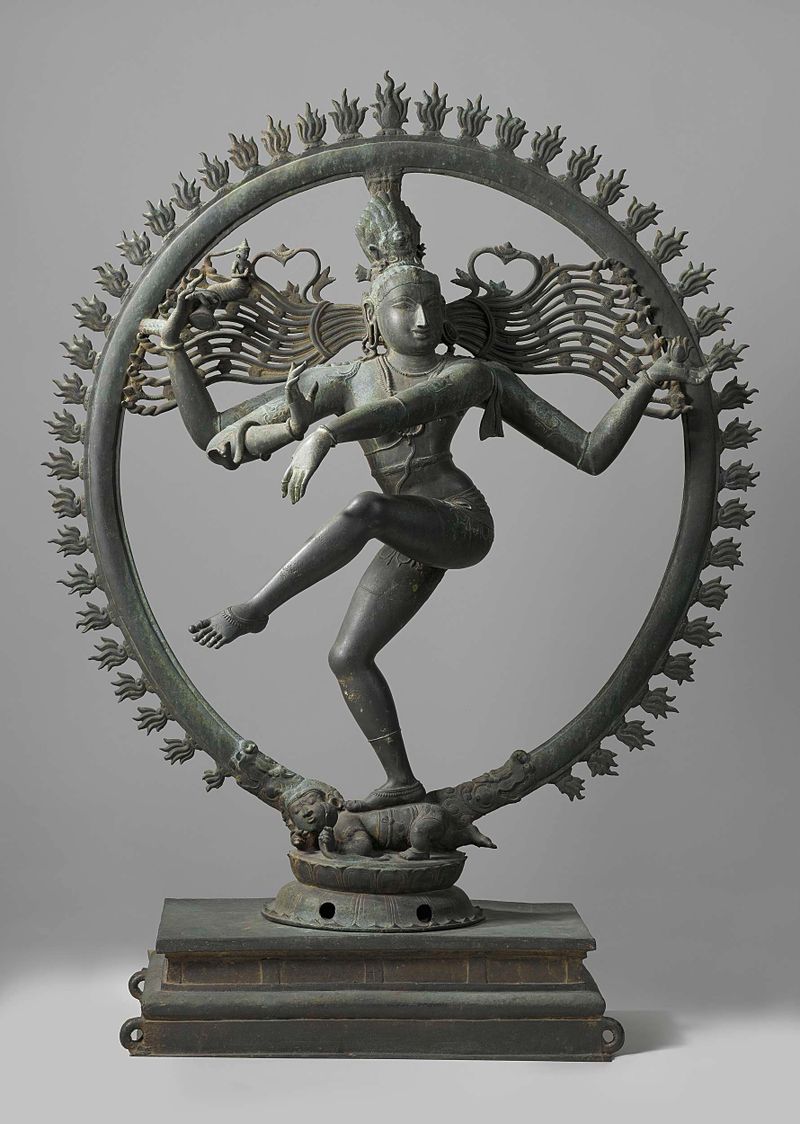
Shiva Nataraja
Unknown Artist
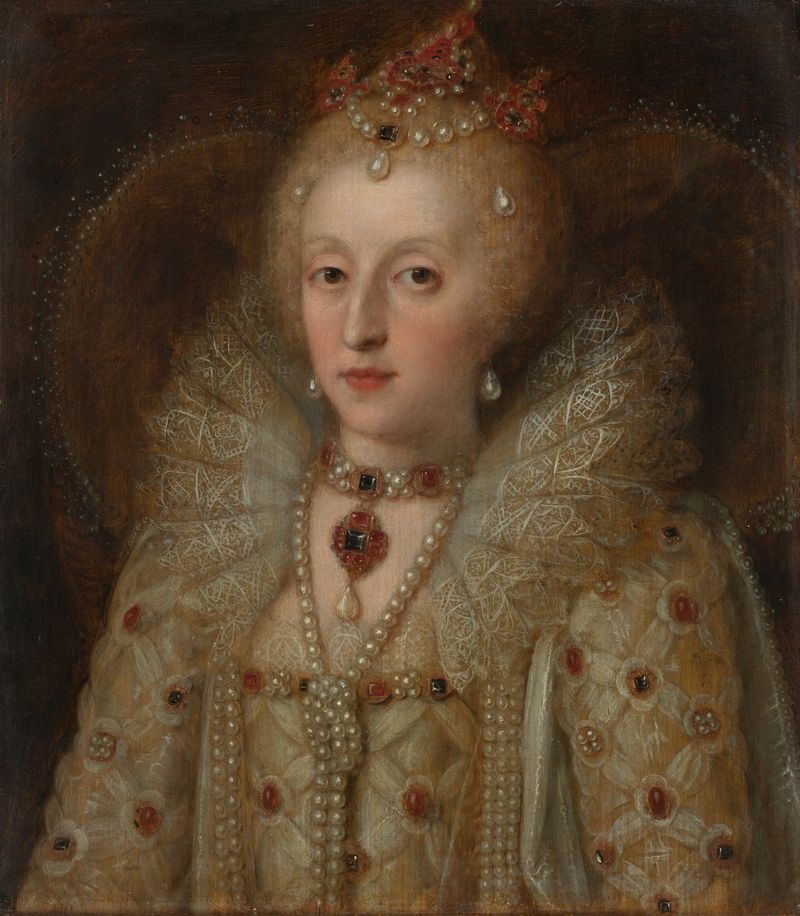
Portrait of Elizabeth I, Queen of England
Unknown Artist
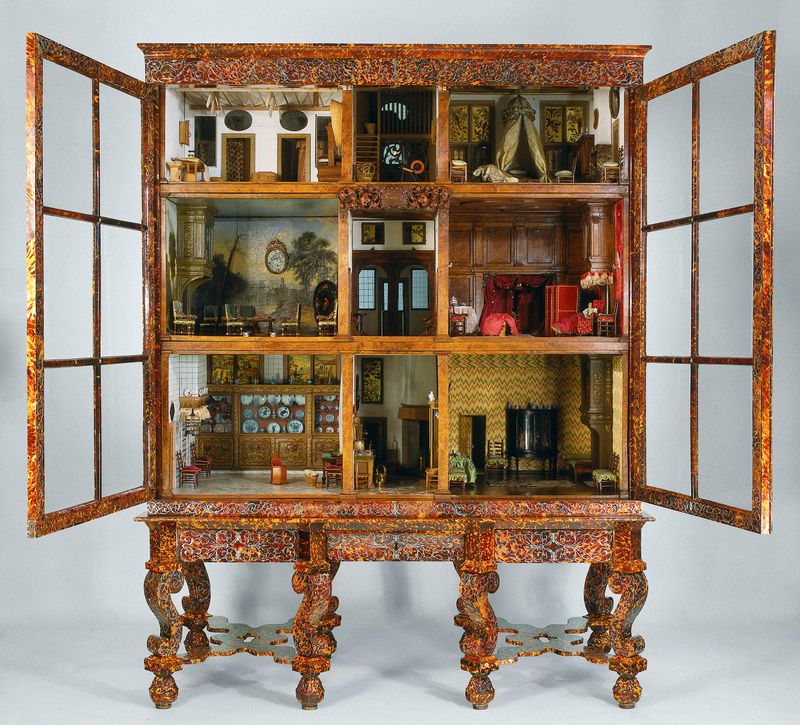
Dolls’ house of Petronella Oortman
Unknown Artist
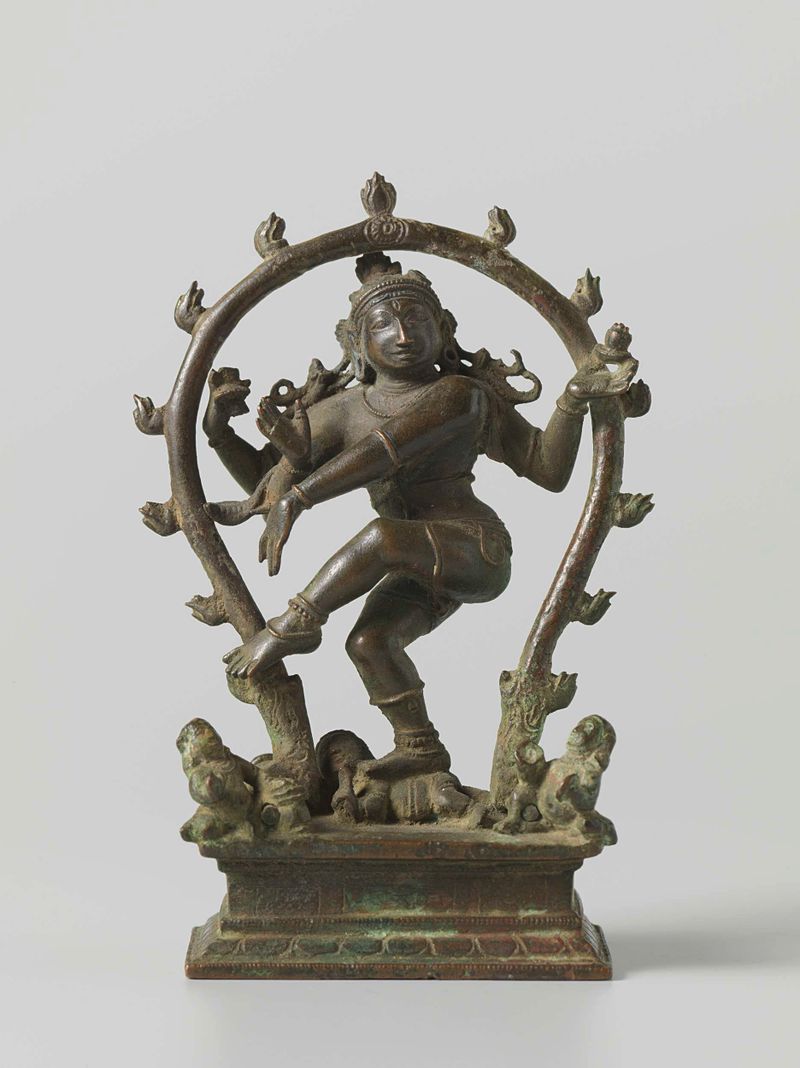
Shiva Nataraja
Unknown Artist

The Tale of Genji
Unknown Artist

The Tale of Genji
Unknown Artist

Cong
Unknown Artist
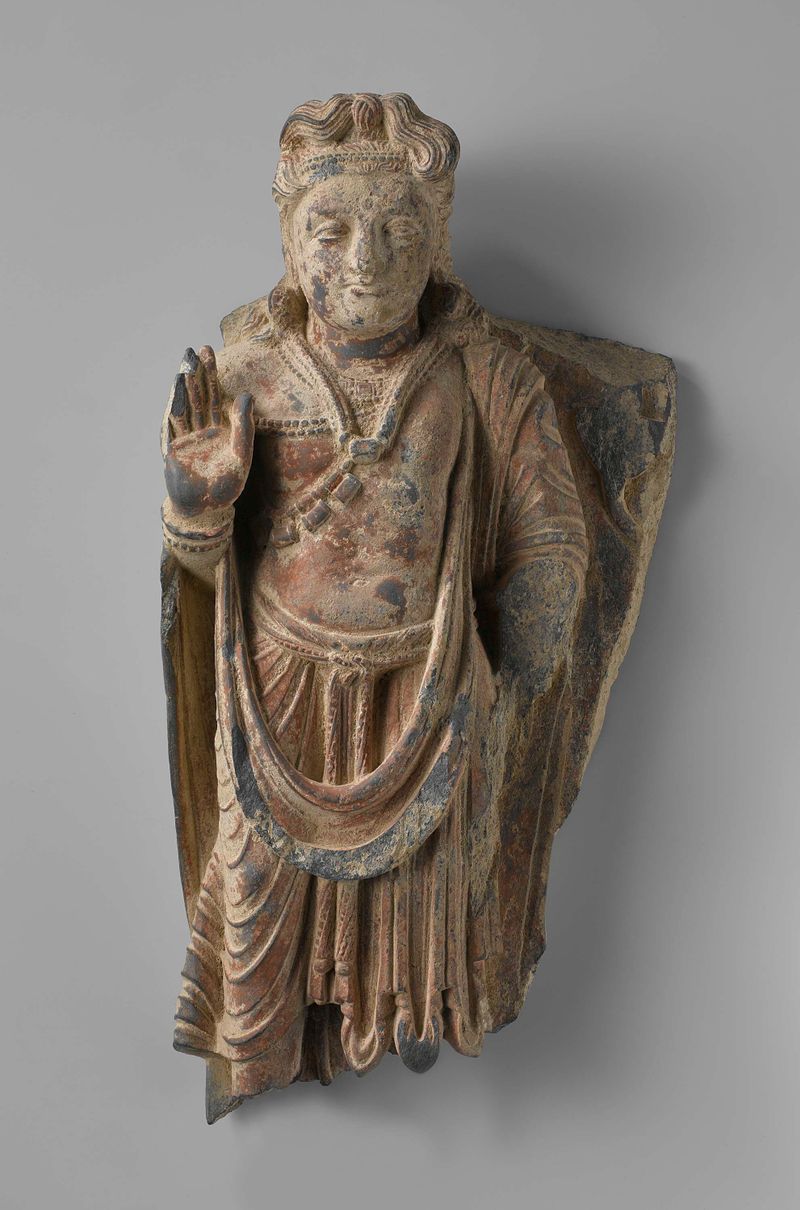
The bodhisattva Maitreya
Unknown Artist

Teabowl with a 'hare's fur' glaze
Unknown Artist