Tussenzetsel van kloskant met roosjes — History & Facts
Could a single brushstroke hold eternity? In the delicate interplay of thread and color, chaos finds its order, wrapping us in a timeless embrace. Look to the intricate lacework, where the delicate motifs create a rhythmic dance across the canvas. Notice how the subtle hues blend together, from soft creams to muted greens, each stroke meticulously applied. The artist's choice to depict roses, with their fluid shapes and intricate details, draws the eye to the center but also invites exploration at the edges, where the chaos of the lace seems to spill into the void, challenging our perception of form and space. Delve deeper into the contrasts present in the piece: the tension between the organic forms of the flowers and the calculated precision of the lace itself.
Here, beauty wrestles with fragility, inviting contemplation on the nature of creation. Each loop and curl of the lace seems to whisper the secrets of craftsmanship, while the roses symbolize the transient beauty of life, hinting at decay and renewal within their very essence. Crafted around 1890, this artwork emerges from an era rich with innovation and experimentation. The artist, whose identity remains unknown, likely worked within a flourishing artistic community that sought to elevate traditional crafts into the realm of fine art.
This period was marked by a growing appreciation for decorative arts in Europe, as artists began to challenge conventions and explore the boundaries of beauty and chaos, resulting in pieces like this evocative lacework.
More Artworks by Unknown Artist
Browse all →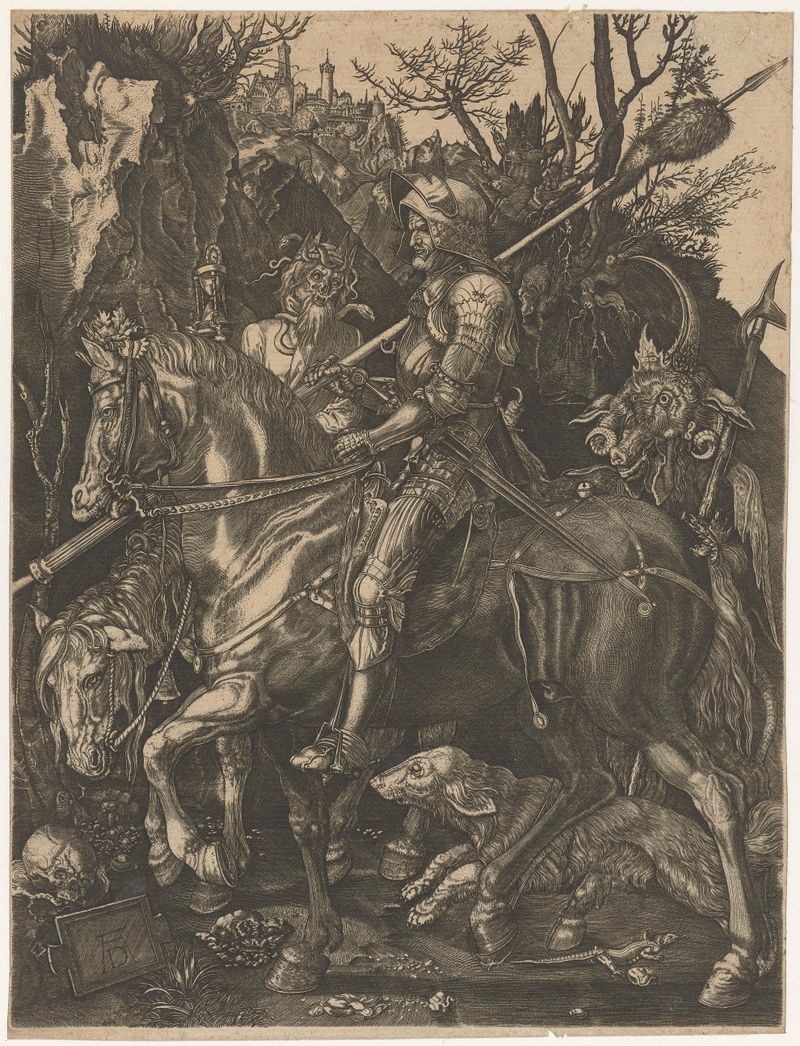
Ridder, Dood en Duivel
Unknown Artist
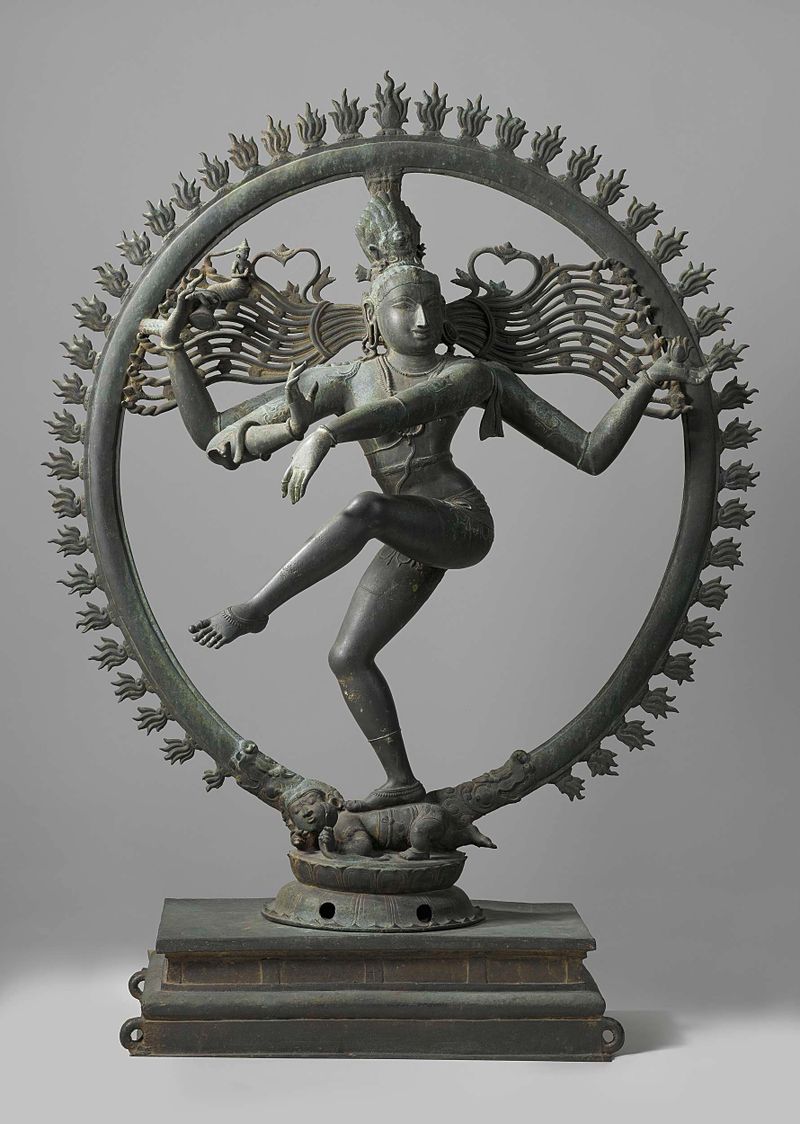
Shiva Nataraja
Unknown Artist
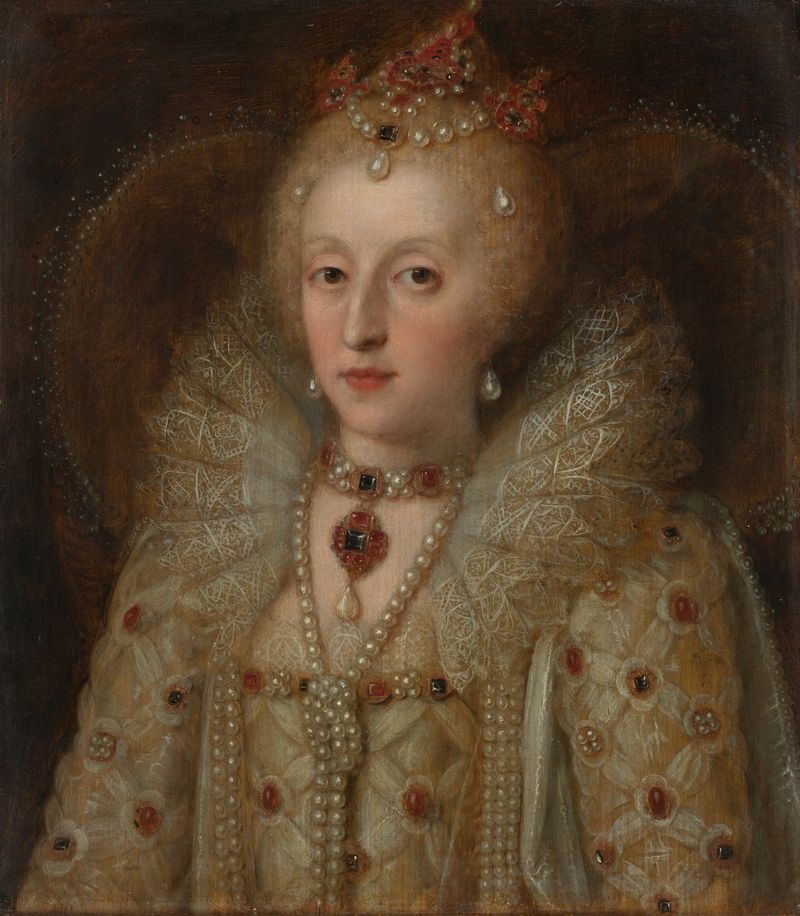
Portrait of Elizabeth I, Queen of England
Unknown Artist
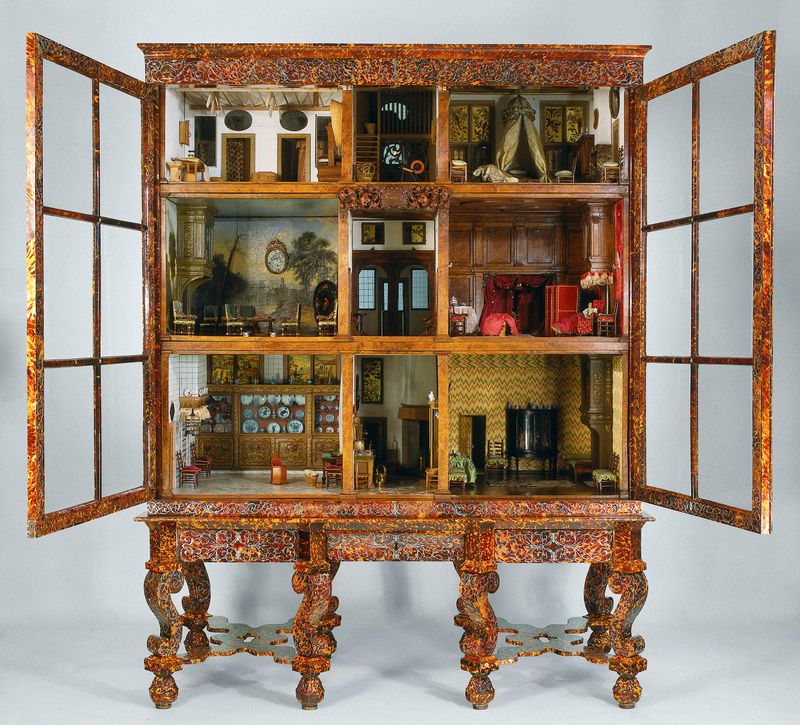
Dolls’ house of Petronella Oortman
Unknown Artist
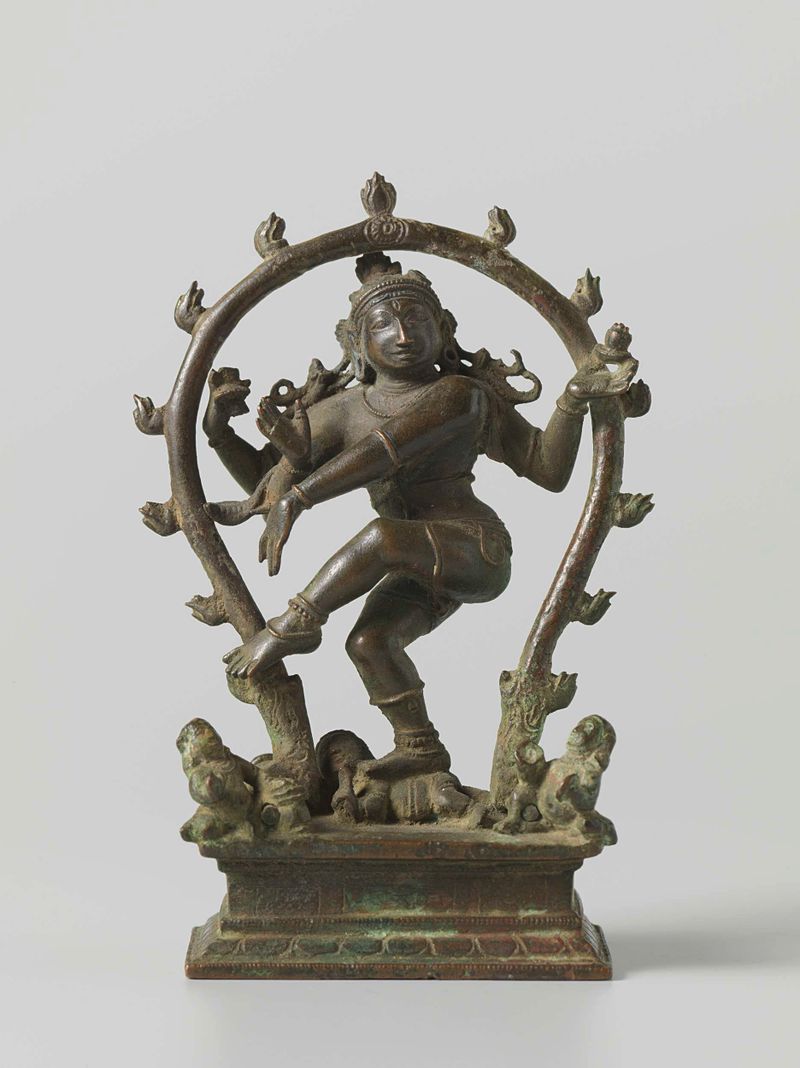
Shiva Nataraja
Unknown Artist

The Tale of Genji
Unknown Artist

The Tale of Genji
Unknown Artist
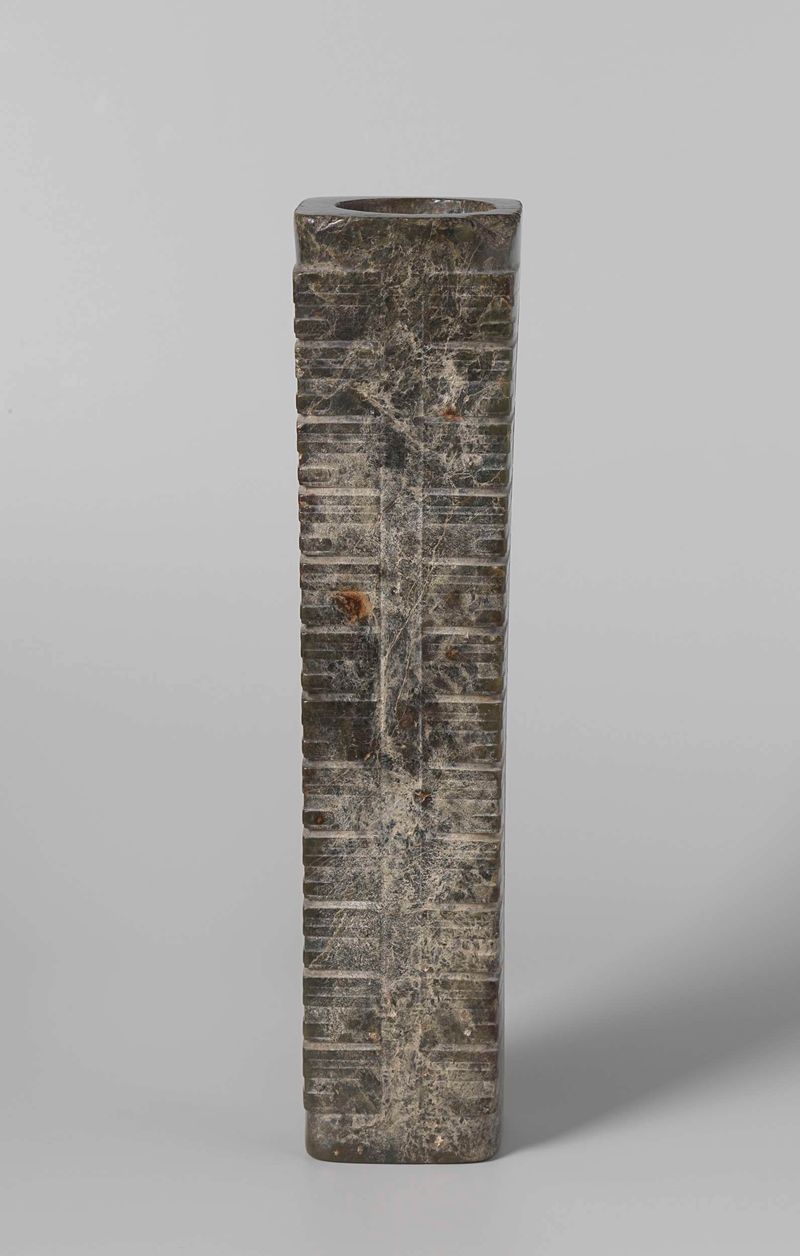
Cong
Unknown Artist
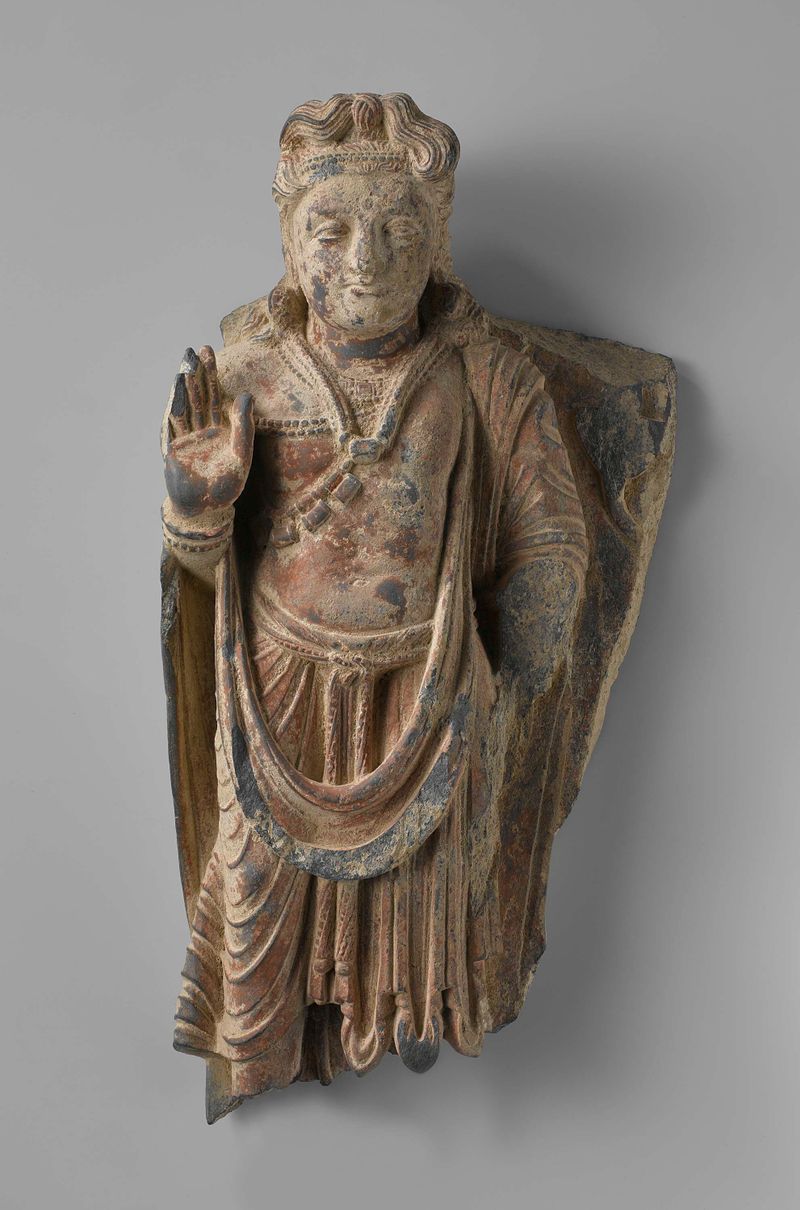
The bodhisattva Maitreya
Unknown Artist
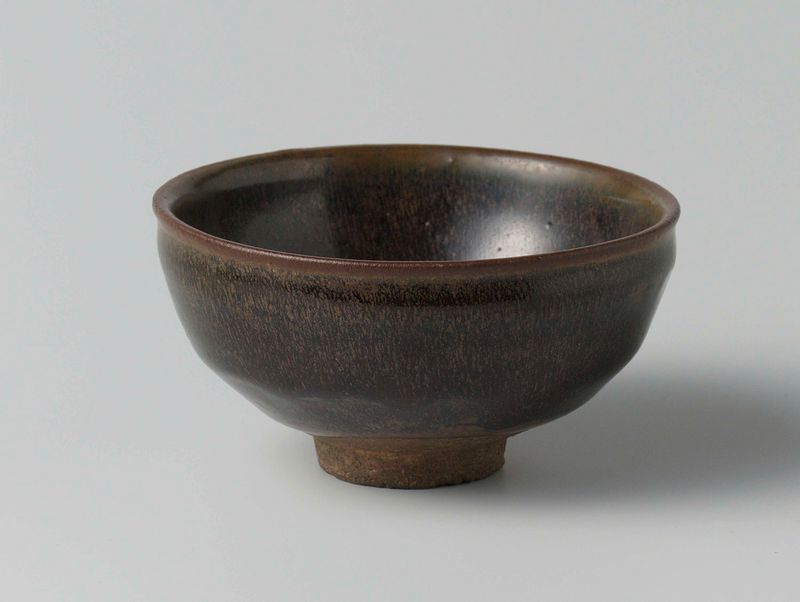
Teabowl with a 'hare's fur' glaze
Unknown Artist