Tussenzetsel van machinale kant met golfrank — History & Facts
What if beauty was never meant to be finished? This thought lingers like a whisper, inviting us to explore the intricate dance of form and function in a world where art meets utility. Look closely at the delicate interplay of patterns in the textile's lacework. Focus on the intricate knots and curves that create a mesmerizing rhythm, drawing your eyes from one delicate wave to another. Notice how the artist’s choice of soft ivory tones contrasts with dark, shadowy edges, creating a visual tension that speaks to the balance between fragility and strength.
Each stitch is a testament to craftsmanship, allowing the fabric to breathe with both elegance and resilience. The motifs within this piece reveal deeper layers of meaning. The flowing waves represent the ebb and flow of life itself, suggesting a harmony that is both dynamic and serene. The meticulous craftsmanship reflects the human desire for order amidst chaos, echoing a time when traditional skills were paramount in an age rapidly embracing mechanization.
This duality evokes a sense of nostalgia and urgency, inviting us to consider what is gained and lost in the pursuit of perfection. Created between 1900 and 1965, this piece emerged during a transformative period in the history of art and design. The artist, whose identity remains unknown, crafted this work amidst the rise of modernism, a movement that challenged traditional aesthetics and celebrated innovation. The delicate balance achieved in this textile mirrors the tension of the era, as artists sought to reconcile heritage with progress, inviting viewers to ponder the essence of beauty in an ever-evolving world.
More Artworks by Unknown Artist
Browse all →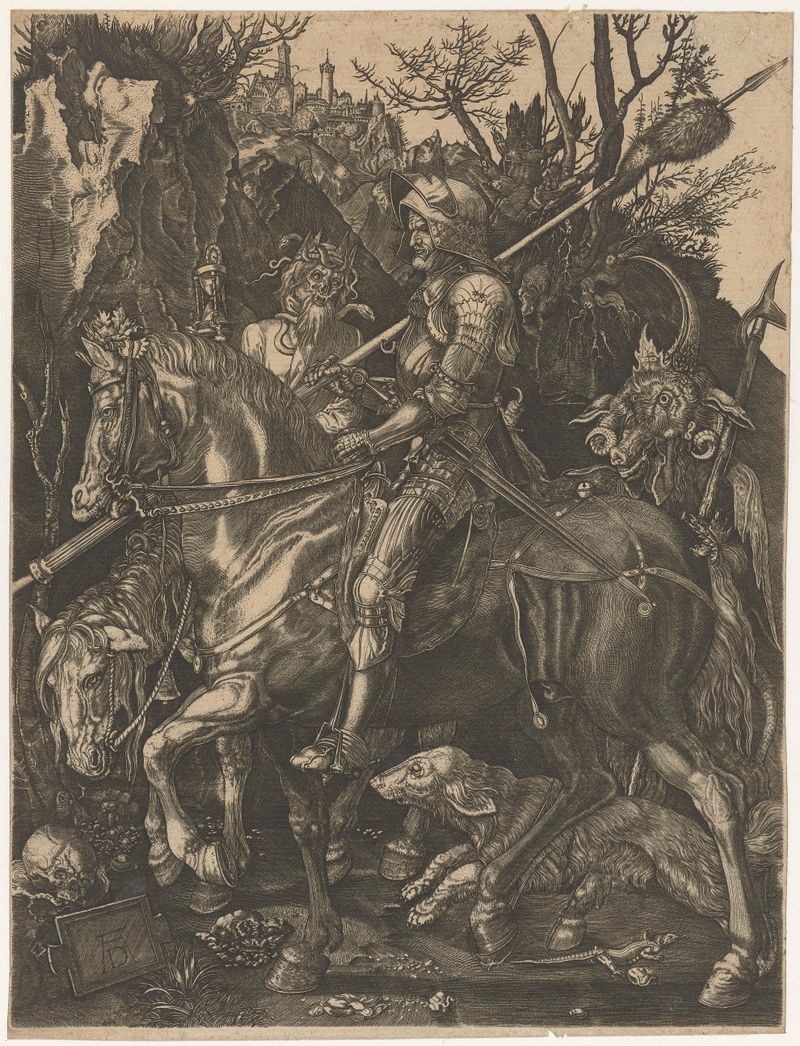
Ridder, Dood en Duivel
Unknown Artist
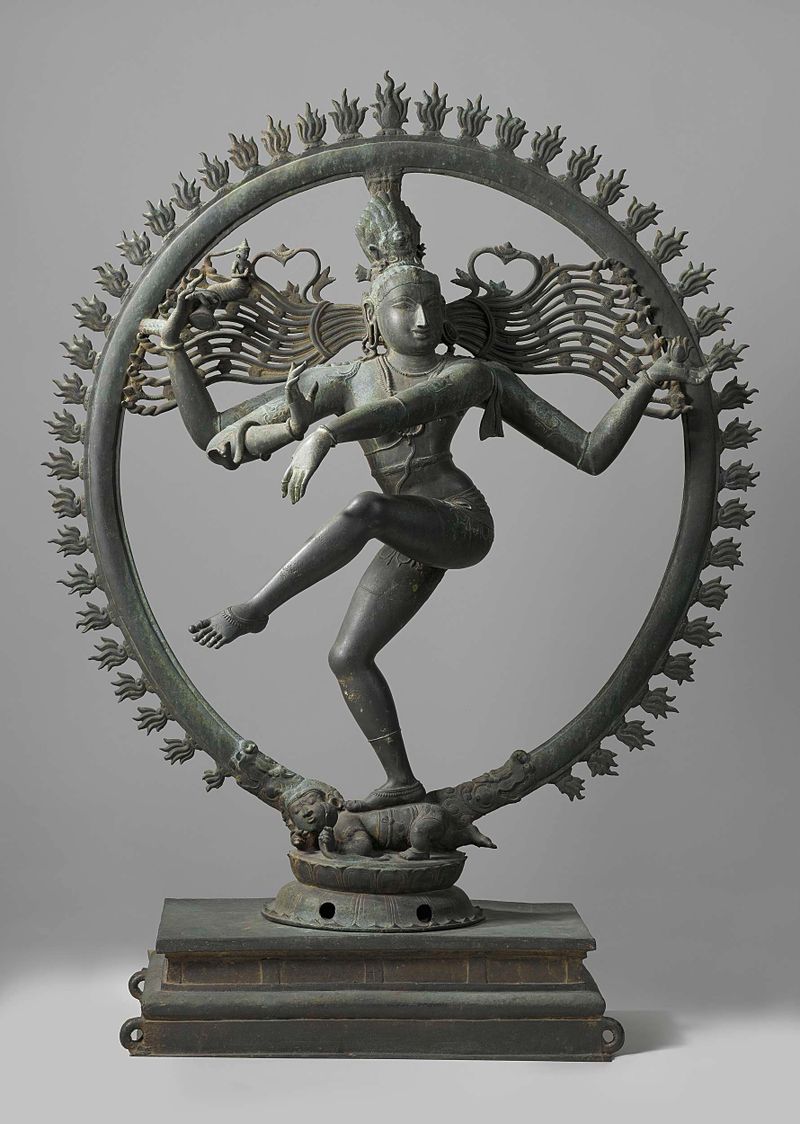
Shiva Nataraja
Unknown Artist
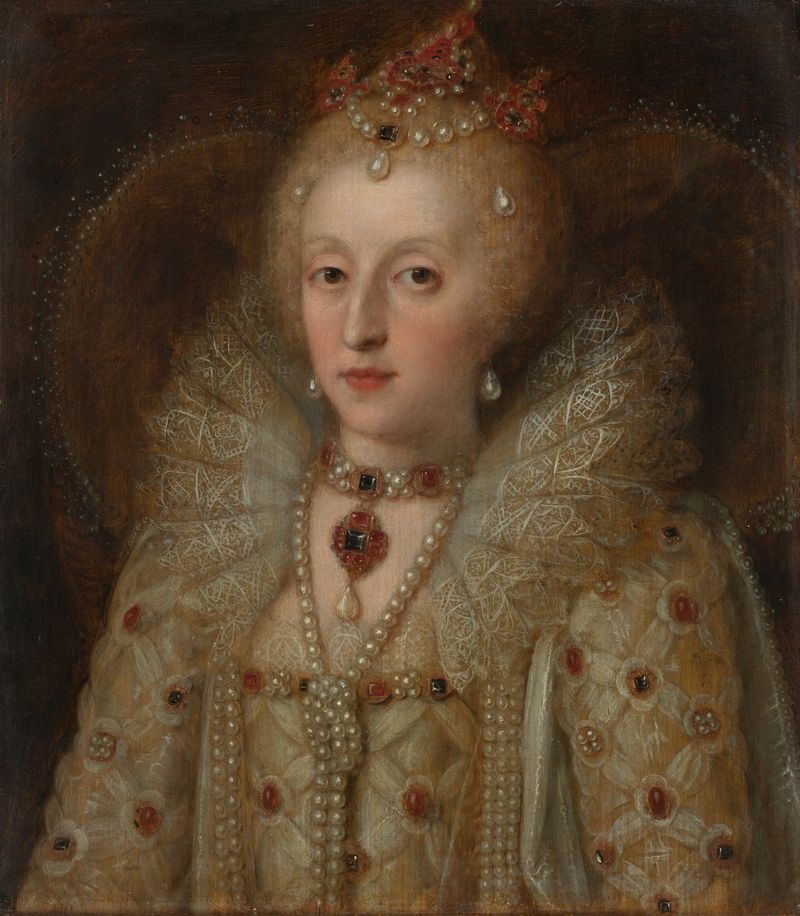
Portrait of Elizabeth I, Queen of England
Unknown Artist
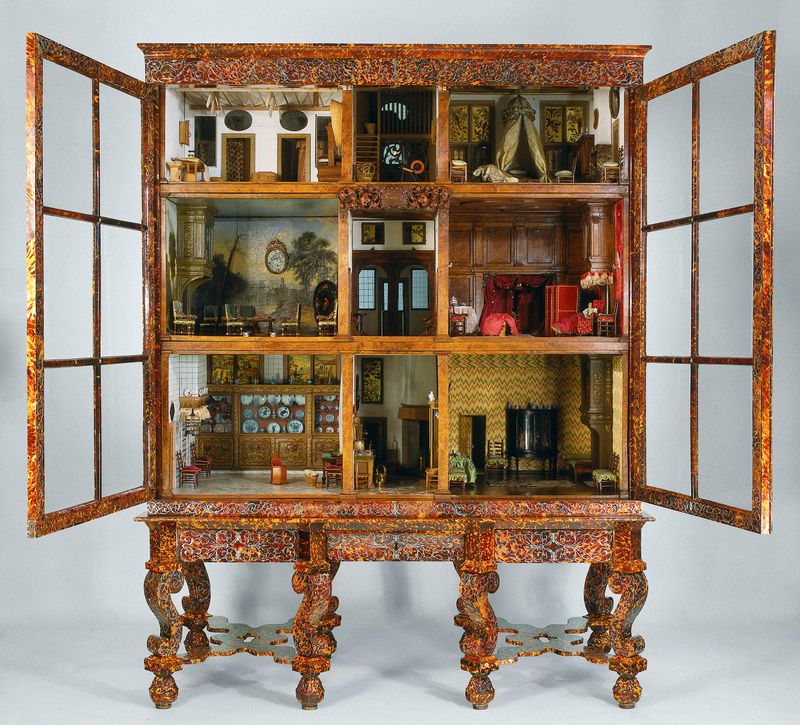
Dolls’ house of Petronella Oortman
Unknown Artist
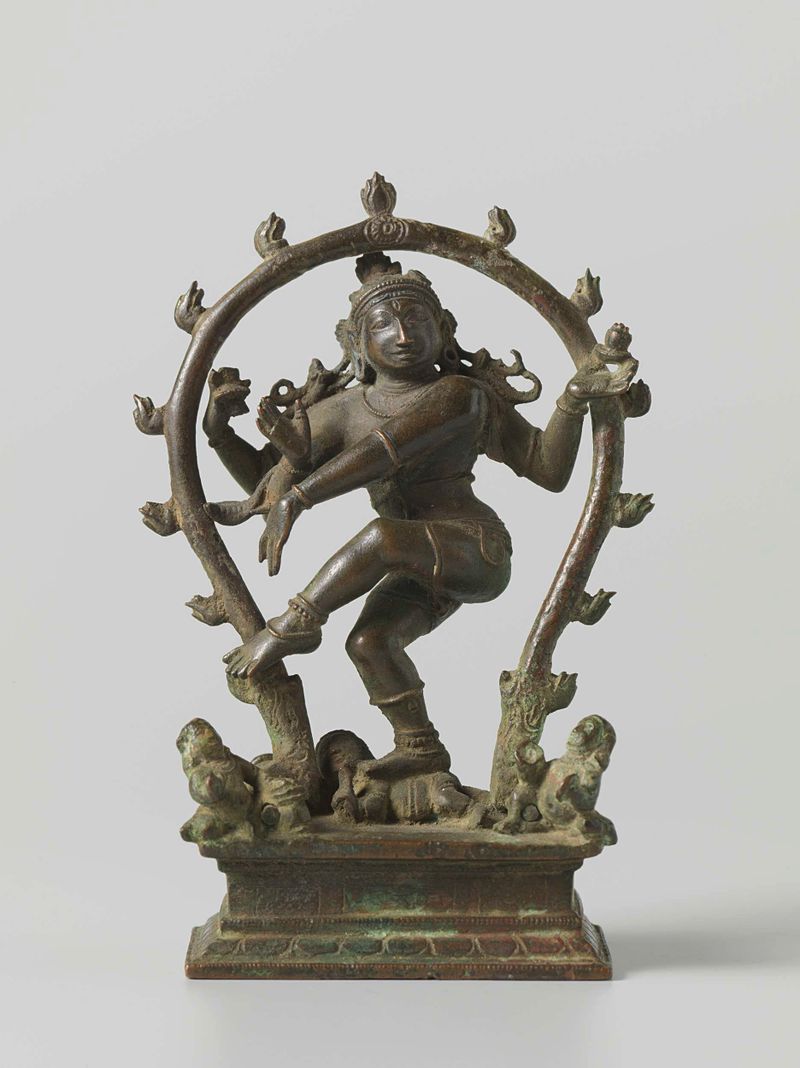
Shiva Nataraja
Unknown Artist

The Tale of Genji
Unknown Artist

The Tale of Genji
Unknown Artist

Cong
Unknown Artist
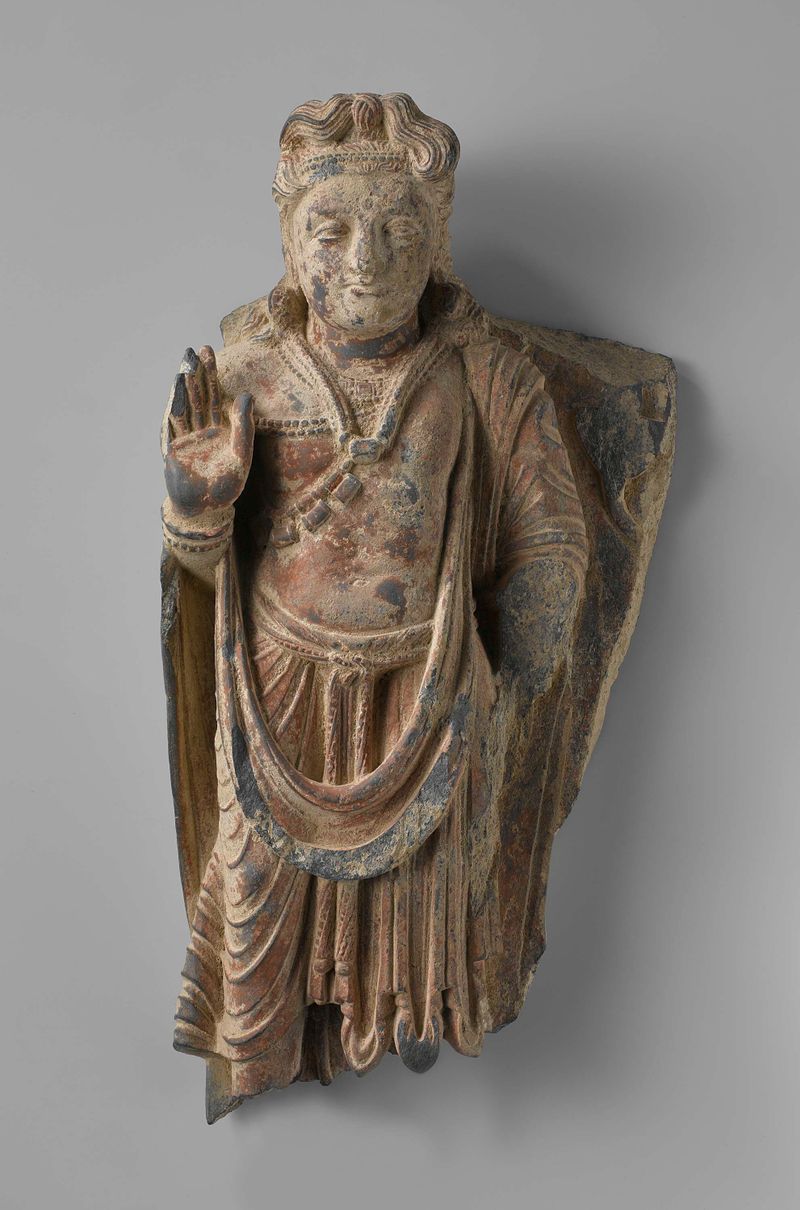
The bodhisattva Maitreya
Unknown Artist

Teabowl with a 'hare's fur' glaze
Unknown Artist