
Twee engelen met de zweetdoek — History & Facts
In the stillness of Twee engelen met de zweetdoek, a poignant narrative unfolds, revealing the delicate balance between illusion and reality. In this moment, two angels hover with ethereal grace, their beauty both compelling and haunting, challenging the viewer to discern the truth behind their serene visages. Look to the left at the angel holding the sweat cloth, its soft drapery capturing light with a luminous quality. The intricate detailing of their wings contrasts with the smoothness of their skin, creating a visual dialogue that draws the eye.
Notice how Dürer’s meticulous cross-hatching technique imparts depth and texture, transforming flat surfaces into a captivating three-dimensionality. The muted palette, punctuated by gentle highlights, guides your gaze across the composition, encapsulating the tension between the celestial and the earthly. The juxtaposition of the two angels evokes a profound sense of connection and isolation. Their serene expressions seem to mask an inherent longing, while the cloth, a relic of human suffering, symbolizes the intertwining of divine and mortal experiences.
This delicate interplay invites contemplation on themes of sacrifice and redemption, revealing layers of meaning that resonate deeply with the viewer’s own perception of faith and existence. Dürer created Twee engelen met de zweetdoek in 1513, during a pivotal period in his career characterized by a growing interest in humanism and meticulous observation of nature. At this time, the artist was emerging as a master, straddling the line between the late Gothic style and the Renaissance ideals taking root in Europe. His work reflects the complexities of a world grappling with spirituality and artistic innovation, laying the groundwork for future generations of artists.
More Artworks by Albrecht Dürer
Browse all →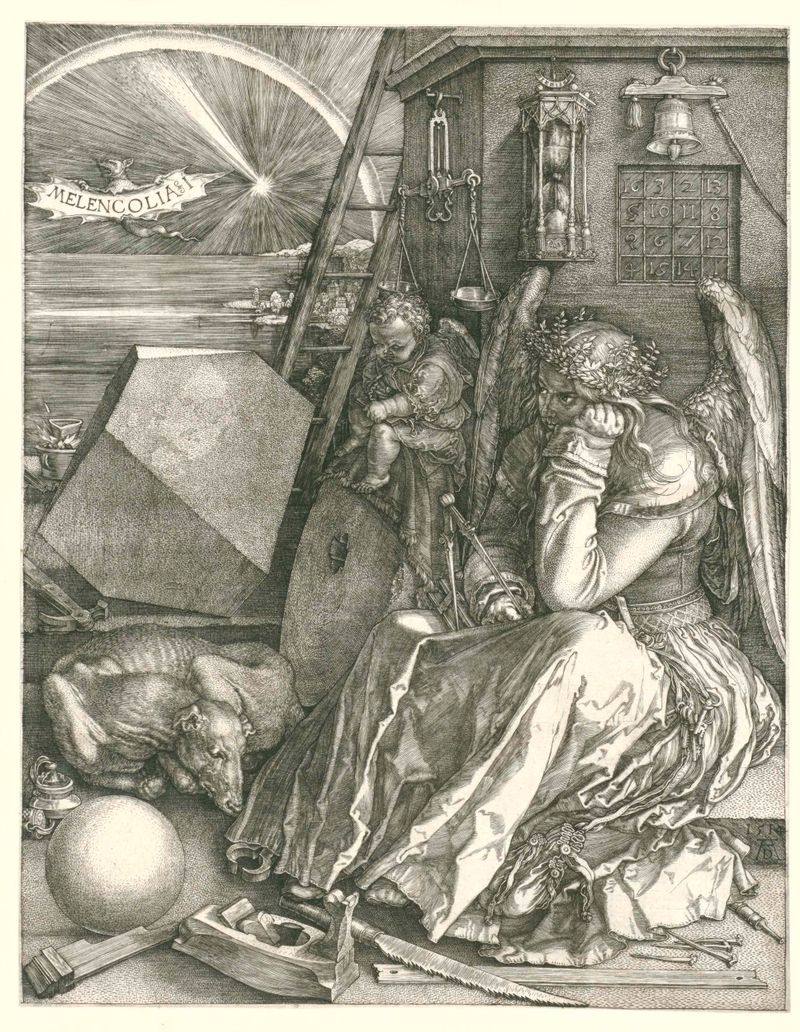
Melancholia
Albrecht Dürer
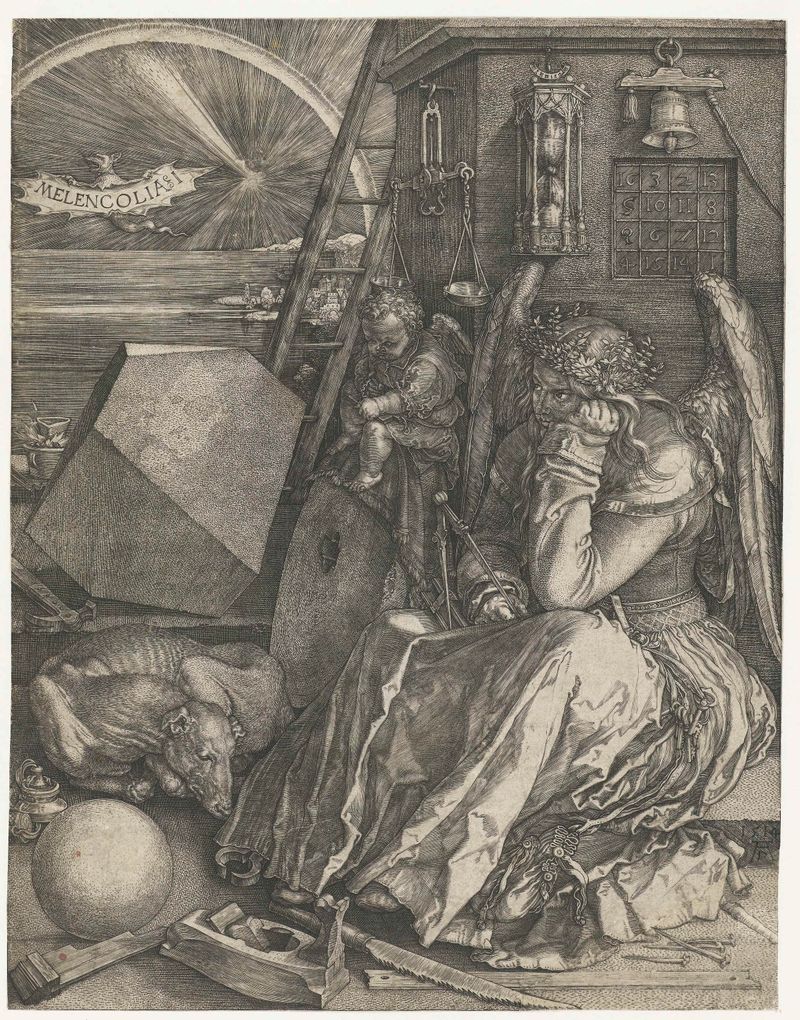
Melancholie
Albrecht Dürer
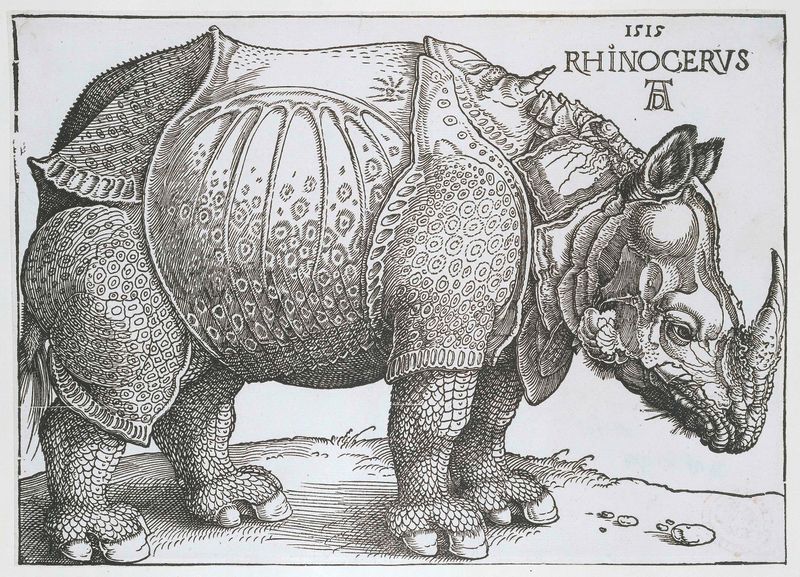
Neushoorn
Albrecht Dürer
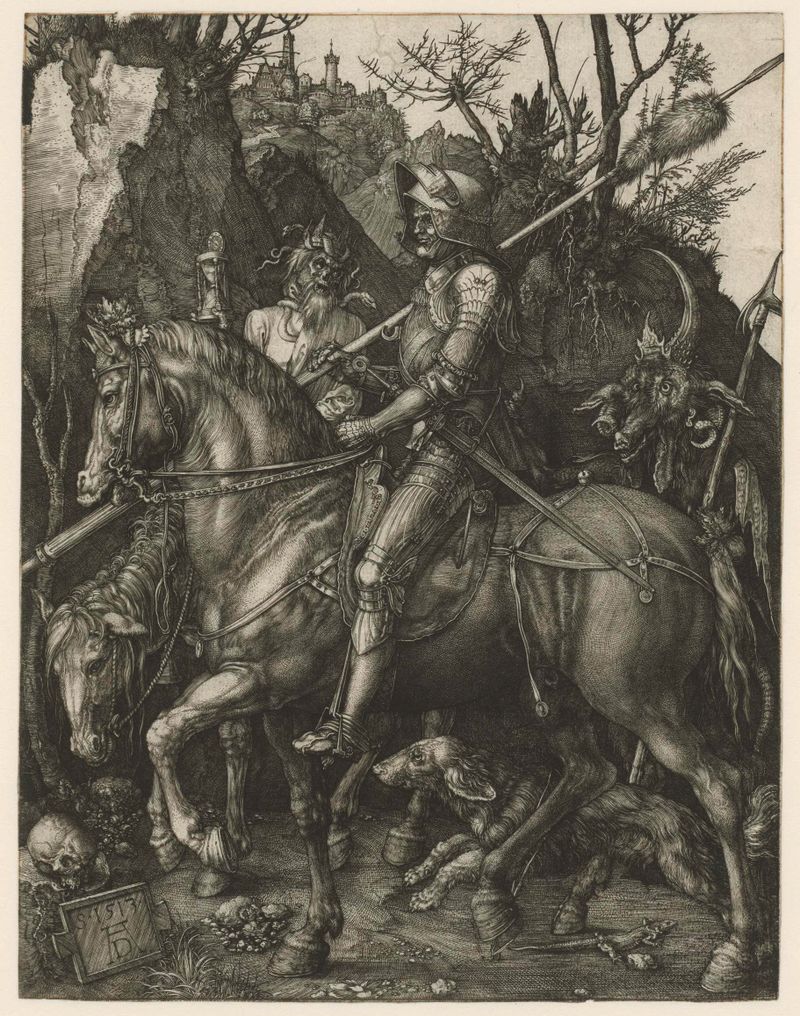
Knight, Death, and the Devil
Albrecht Dürer

De vier ruiters van de apocalyps
Albrecht Dürer
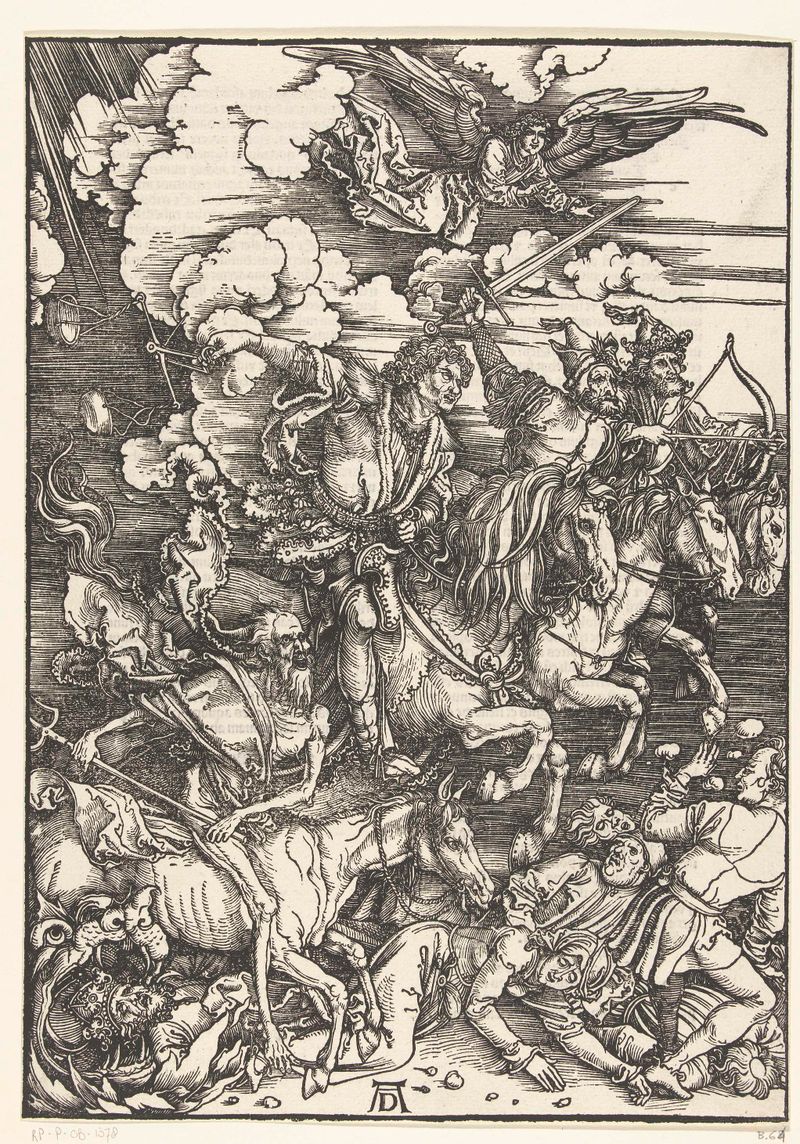
De vier ruiters van de apocalyps
Albrecht Dürer
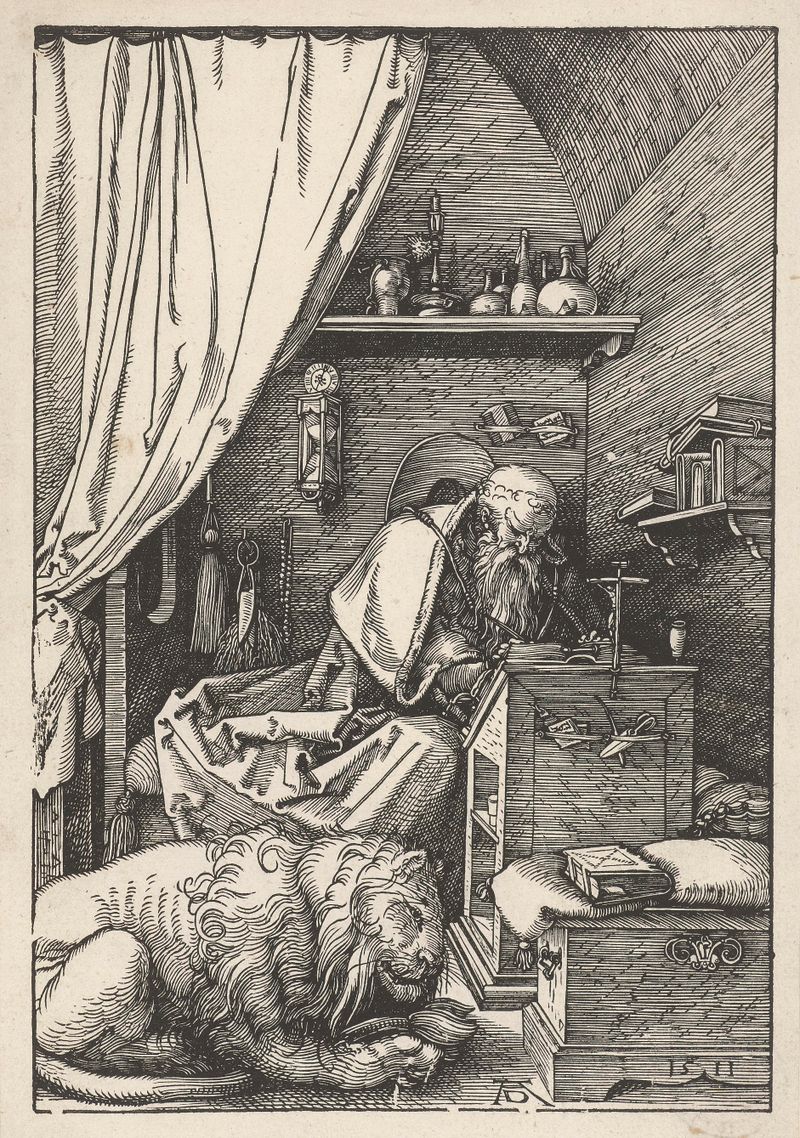
De Heilige Hiëronymus in zijn studeervertrek
Albrecht Dürer
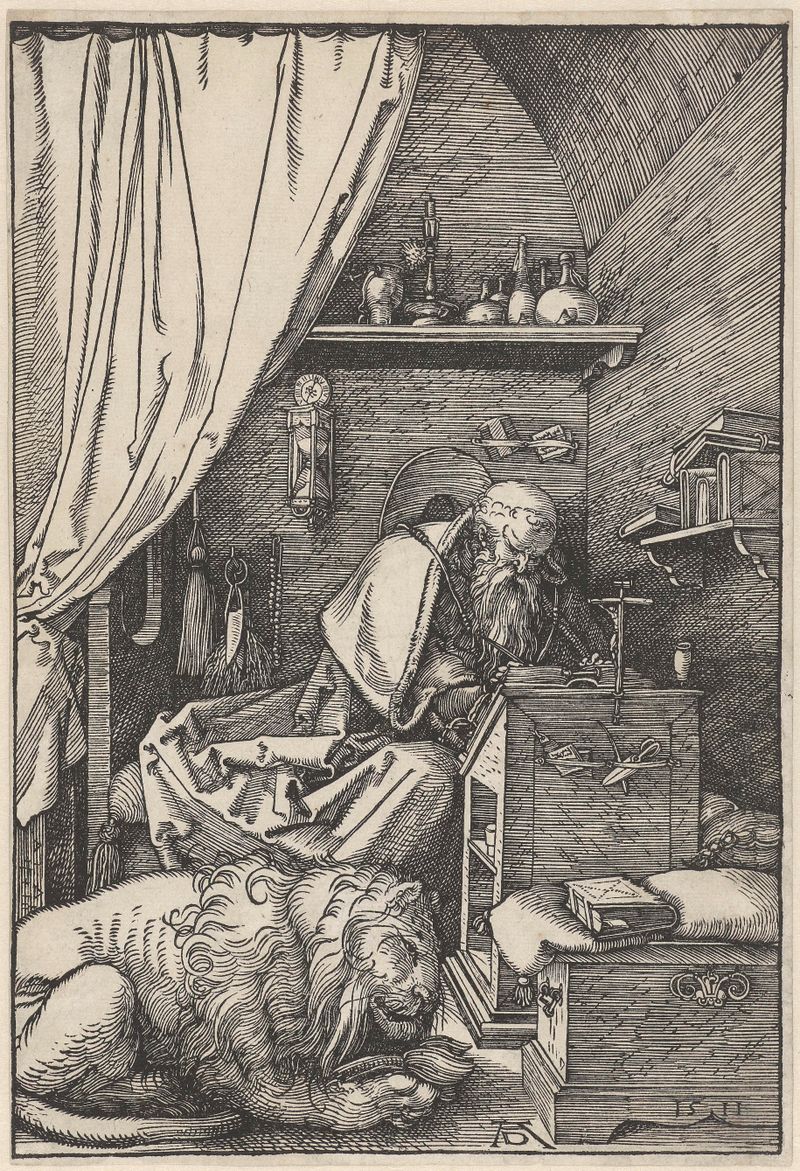
De Heilige Hiëronymus in zijn studeervertrek
Albrecht Dürer
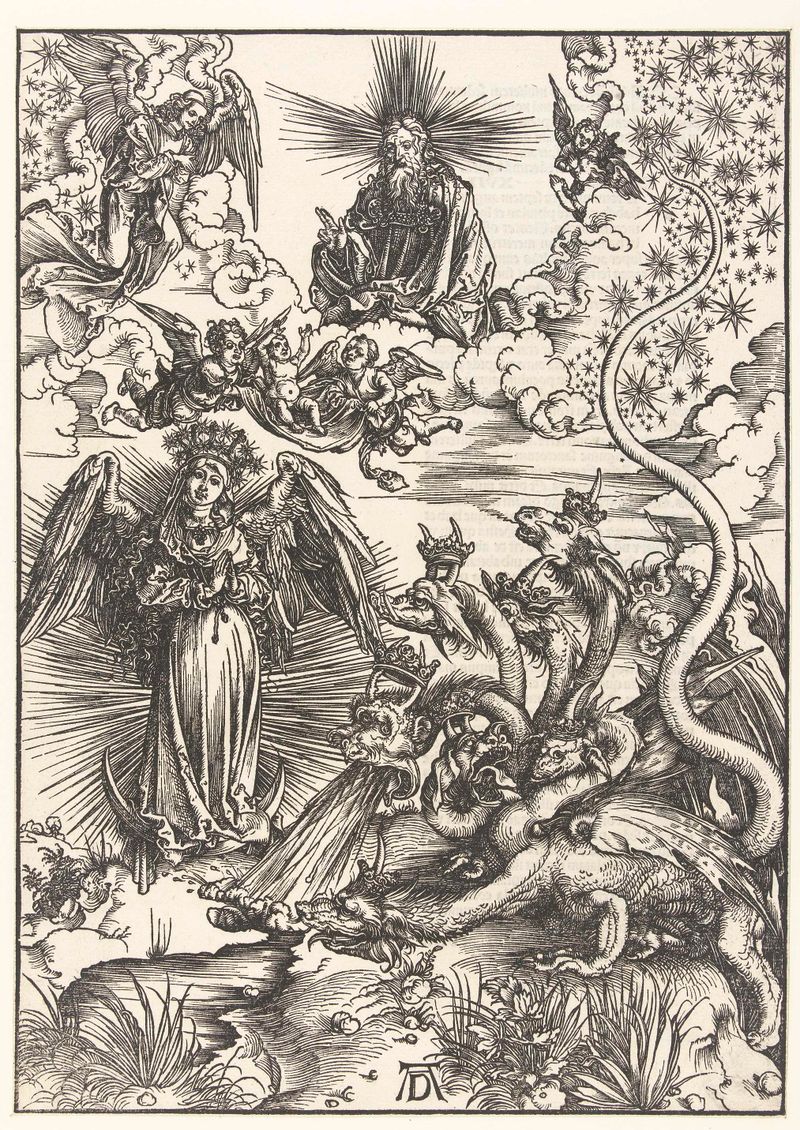
De apocalyptische vrouw en de zevenkoppige draak
Albrecht Dürer
Adam en Eva
Albrecht Dürer
More Religious Art
Browse all →
The Return of the Prodigal Son
Rembrandt van Rijn

The Garden of Earthly Delights
El Bosco

Count Orgaz’ funeral
El Greco

The Hundred Guilder Print: the central piece with Christ preaching, the plate arched
Rembrandt van Rijn

The Descent from the Cross
Rogier van der Weyden

The return of the prodigal son
Rembrandt van Rijn