Twee fragmenten textiel — History & Facts
Is this a mirror — or a memory? In the delicate interplay of fabric and form, silence weaves an unspoken narrative that invites reflection. Look to the left at the intricate embroidery, where threads dance in subtle hues of gold and deep indigo, capturing the light with a quiet shimmer. The meticulous detail of the textile fragments draws the eye, while the sparse composition allows the viewer to appreciate the tactile quality of the materials. Notice how the shadows caress the edges, hinting at the stories woven into each stitch, a testament to craftsmanship that transcends time. As you delve deeper, consider the absence present in this work.
The empty spaces between the textiles evoke a sense of loss, suggesting that what is not depicted can be just as powerful as what is. The contrast between the vibrant colors and the muted background highlights the tension between permanence and transience, as if the fragments of fabric are remnants of a forgotten past yearning to be remembered. Created between 1658 and 1661, this piece emerges from a period rich in artistic exploration and innovation. The artist, whose identity remains unknown, navigated a world of burgeoning realism and the emergence of personal expression.
During these years, textiles began to symbolize not just utility but the artistry inherent in everyday life, reflecting societal shifts and the appreciation of beauty in the mundane.
More Artworks by Unknown Artist
Browse all →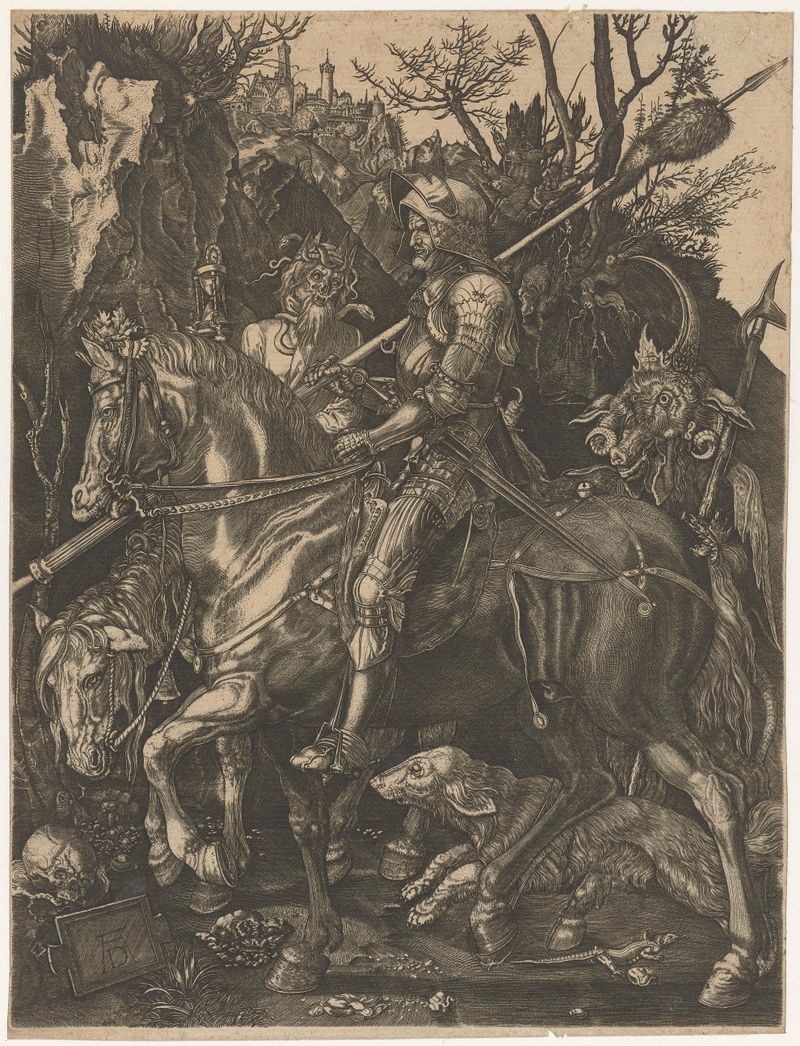
Ridder, Dood en Duivel
Unknown Artist
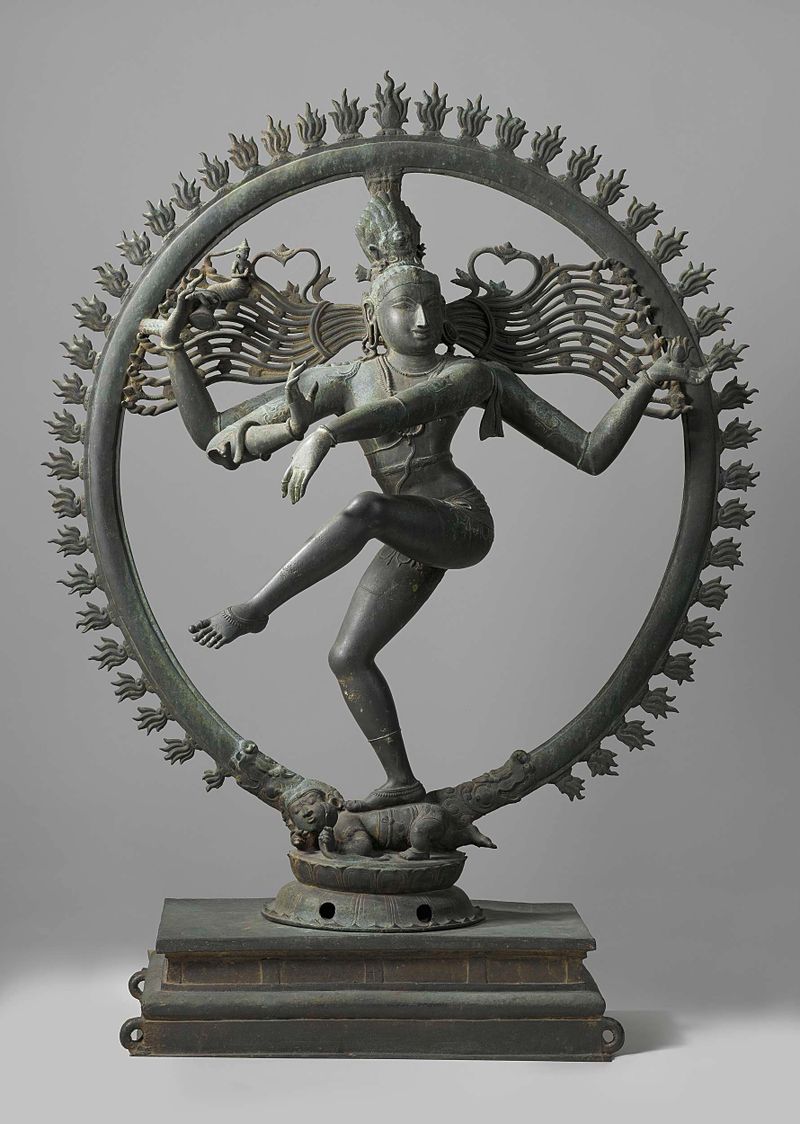
Shiva Nataraja
Unknown Artist
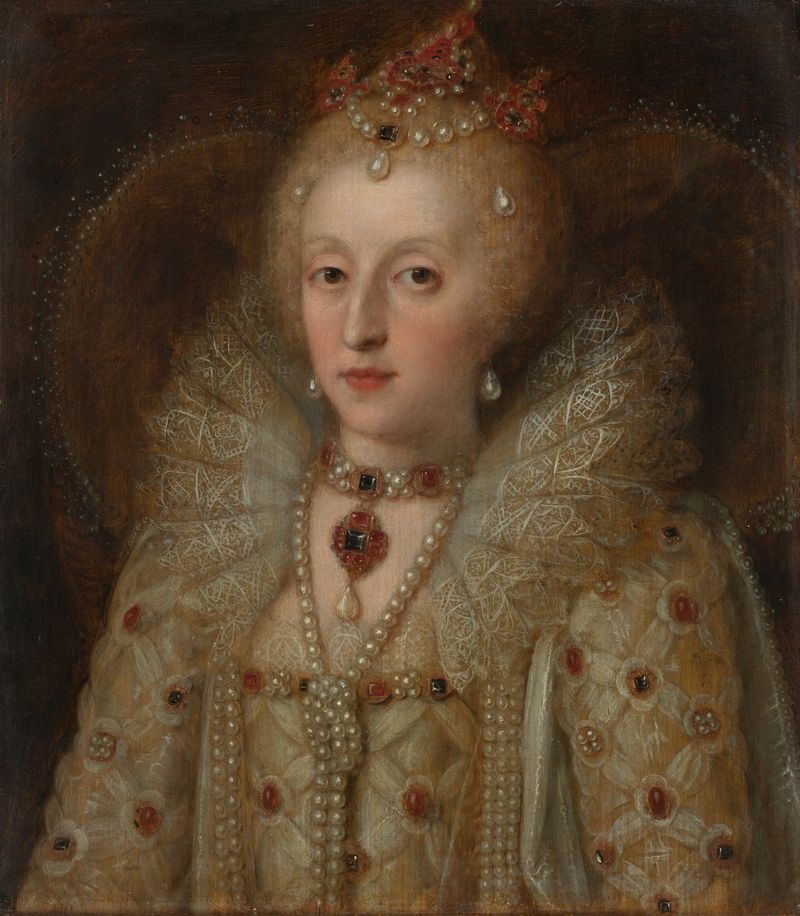
Portrait of Elizabeth I, Queen of England
Unknown Artist
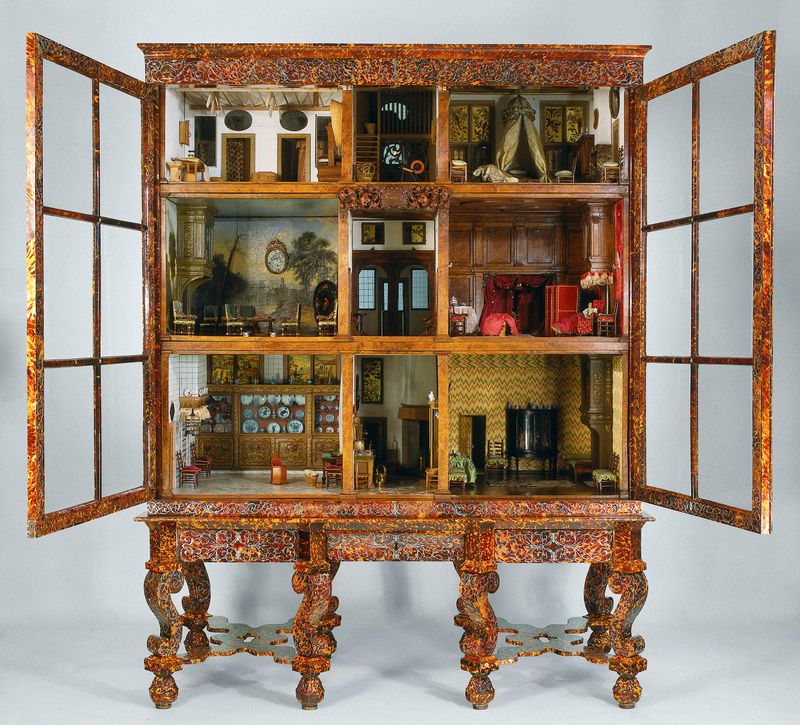
Dolls’ house of Petronella Oortman
Unknown Artist
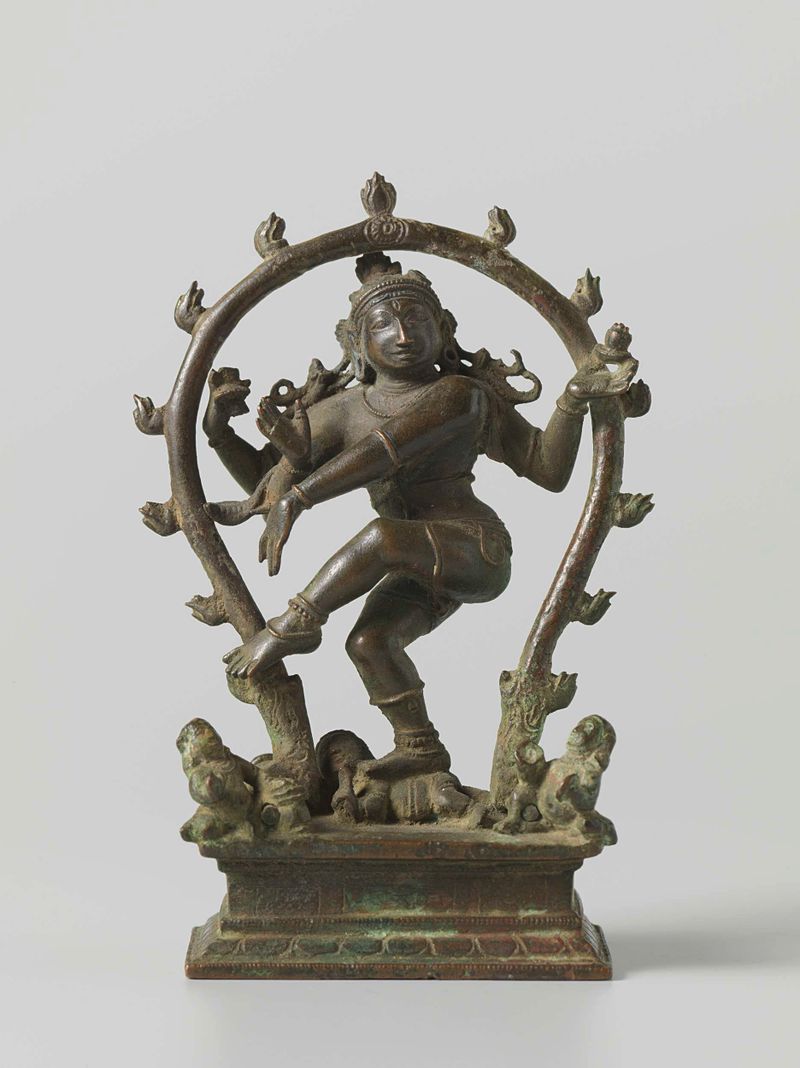
Shiva Nataraja
Unknown Artist

The Tale of Genji
Unknown Artist

The Tale of Genji
Unknown Artist
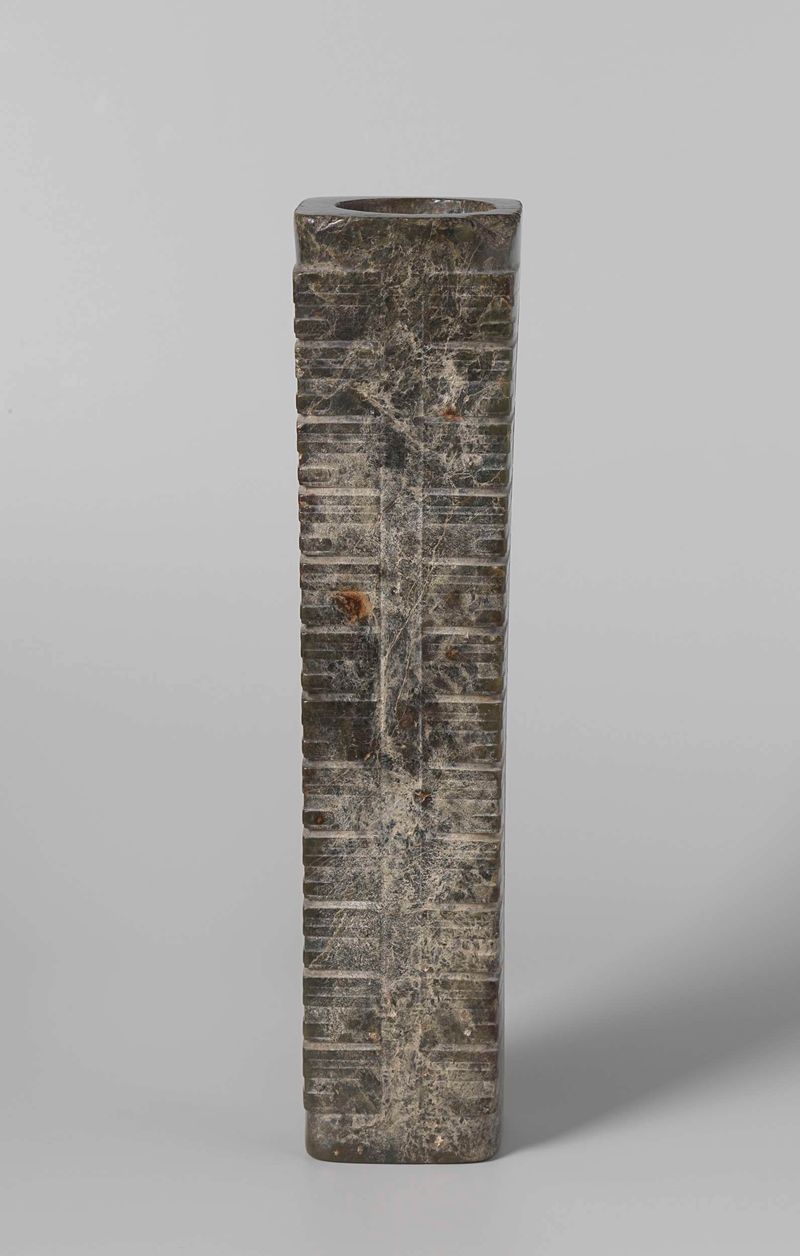
Cong
Unknown Artist
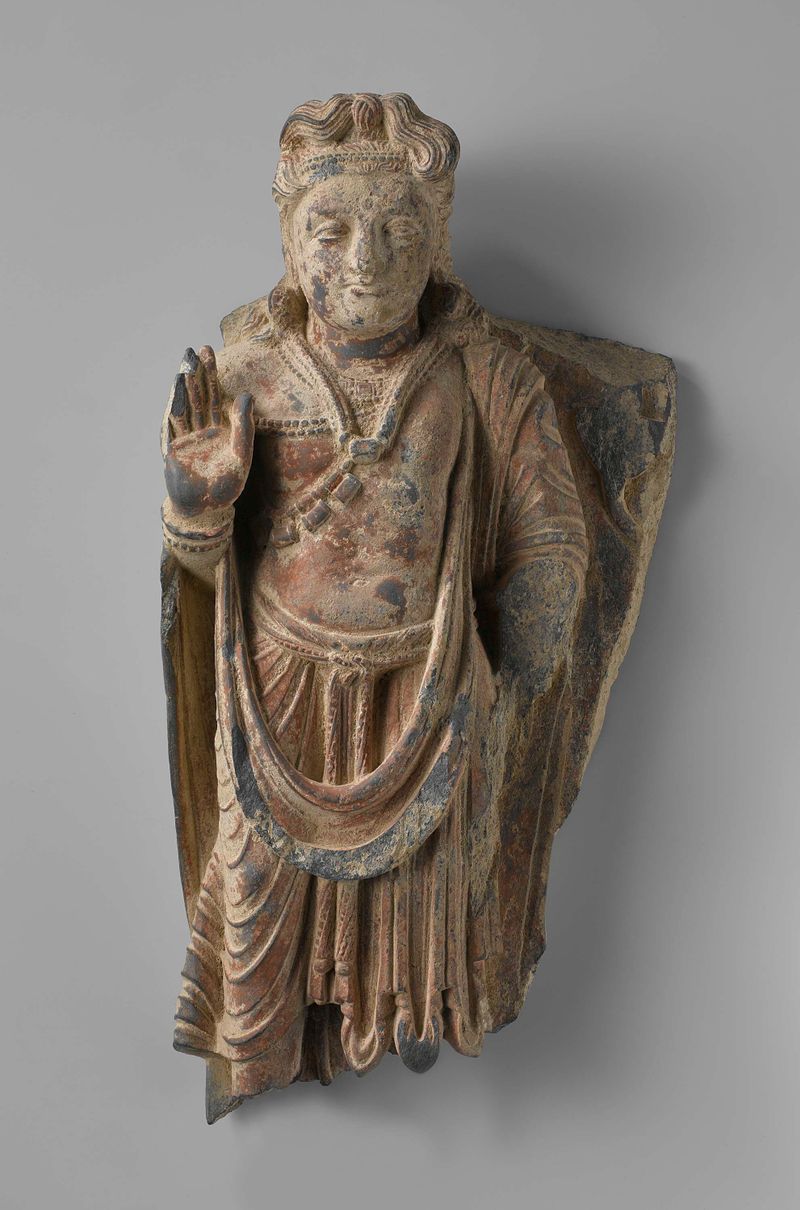
The bodhisattva Maitreya
Unknown Artist
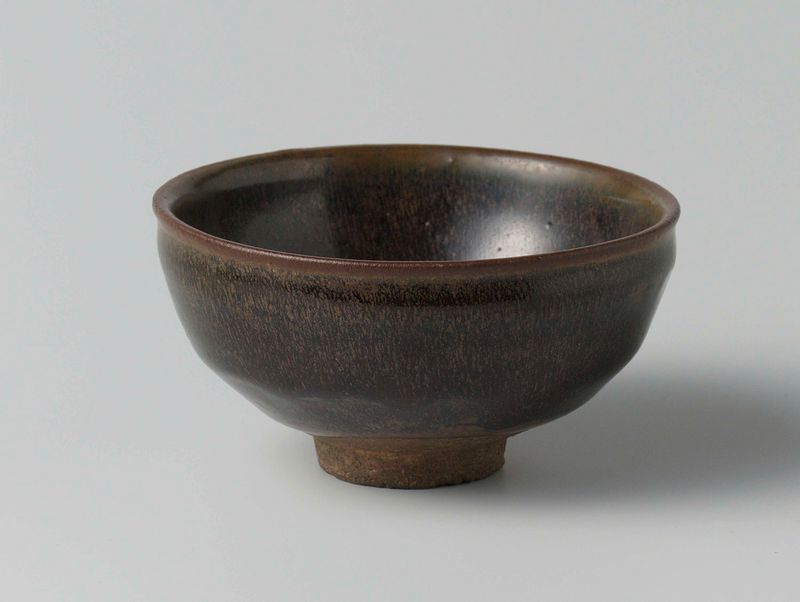
Teabowl with a 'hare's fur' glaze
Unknown Artist