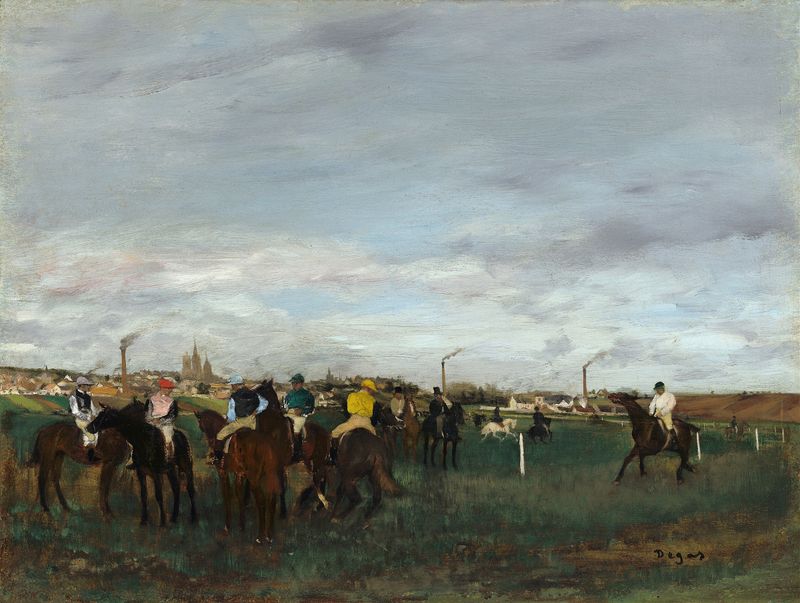
Twee geiten — History & Facts
What secret hides in the quiet of the canvas? Beneath the surface, Twee geiten resonates with an ecstasy that whispers of pastoral simplicity and the profound joys of nature. Focus on the interplay of light and shadow in this bucolic scene. The soft, golden hues envelop the two goats, their woolly coats almost glowing against the verdant backdrop. Notice how the artist captures the gentle curve of their forms, guiding your gaze to their relaxed, yet alert expressions.
The composition is masterful, with the lush greenery framing the animals and inviting you to wander into their serene world. Yet, beneath this tranquil surface lies an exploration of freedom and innocence tethered within the constraints of domestication. The goats, symbols of unbridled nature, exude a sense of joy in their simple existence, yet their positioning suggests a boundary; they exist in a world crafted by human hands. This contrast sharpens the viewer's awareness of the tension between wild ecstasy and the muted restraint of pastoral life, evoking a longing for both. Created between 1648 and 1652, this work emerged during Berchem's years in Italy, a phase marked by a fascination with the landscape and rural life.
At this time, the artist was influenced by classical themes and the interplay of light, which can be seen in his adept handling of color and composition. His engagement with the serene beauty of nature resonated with contemporary trends in Dutch painting, emphasizing both idyllic landscapes and the intimate relationship between humanity and the natural world.
More Artworks by Nicolaes Pietersz Berchem
Browse all →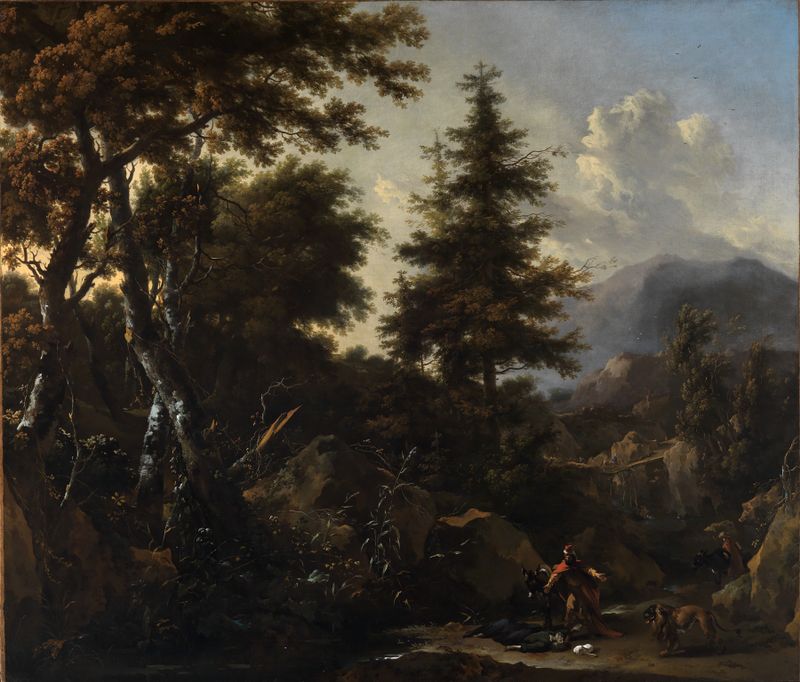
Schlucht im Bergwald mit alttestamentlicher Staffage
Nicolaes Pietersz Berchem
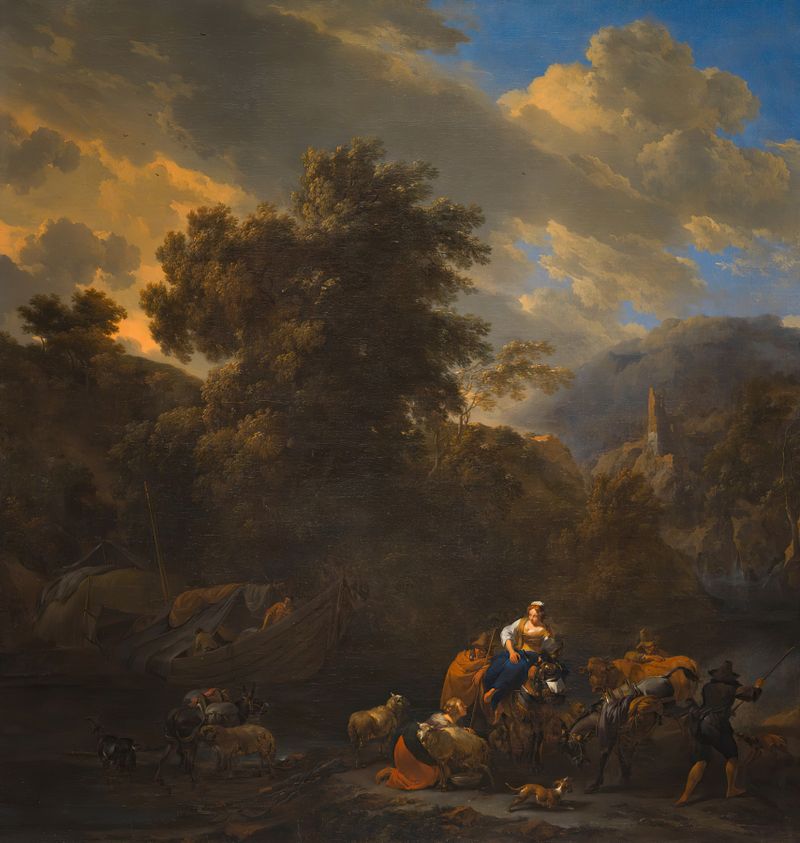
Italianate Landscape with Figures and Pack Animals on the Banks of a River
Nicolaes Pietersz Berchem
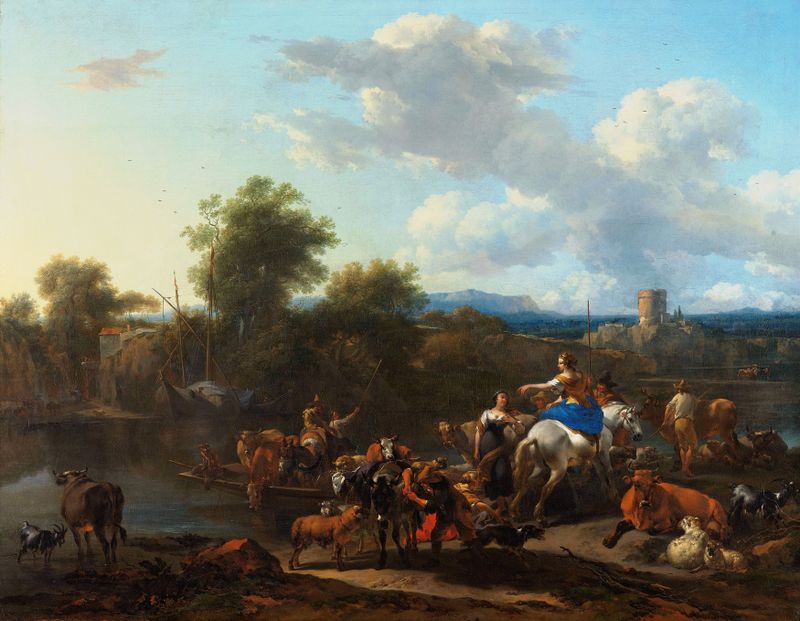
The Cattle Ferry
Nicolaes Pietersz Berchem
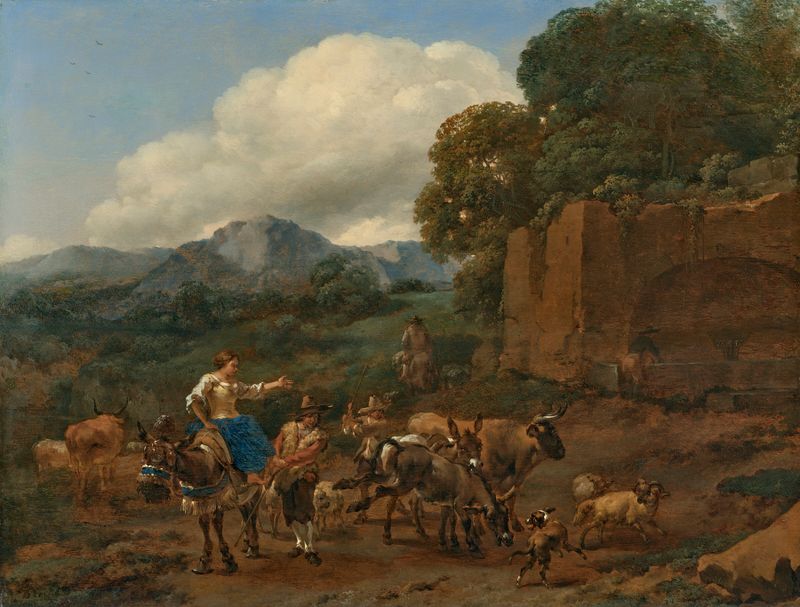
An Italianate landscape with a shepherdess on a mule and a shepherd, herding cattle, sheep, donkeys and dogs on a mountain track next to ruins
Nicolaes Pietersz Berchem
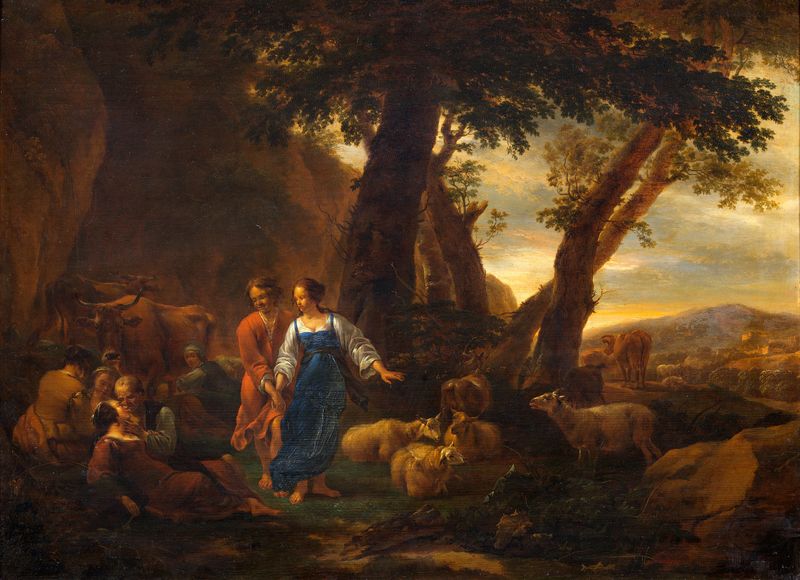
Landscape with Peasants and Cattle
Nicolaes Pietersz Berchem
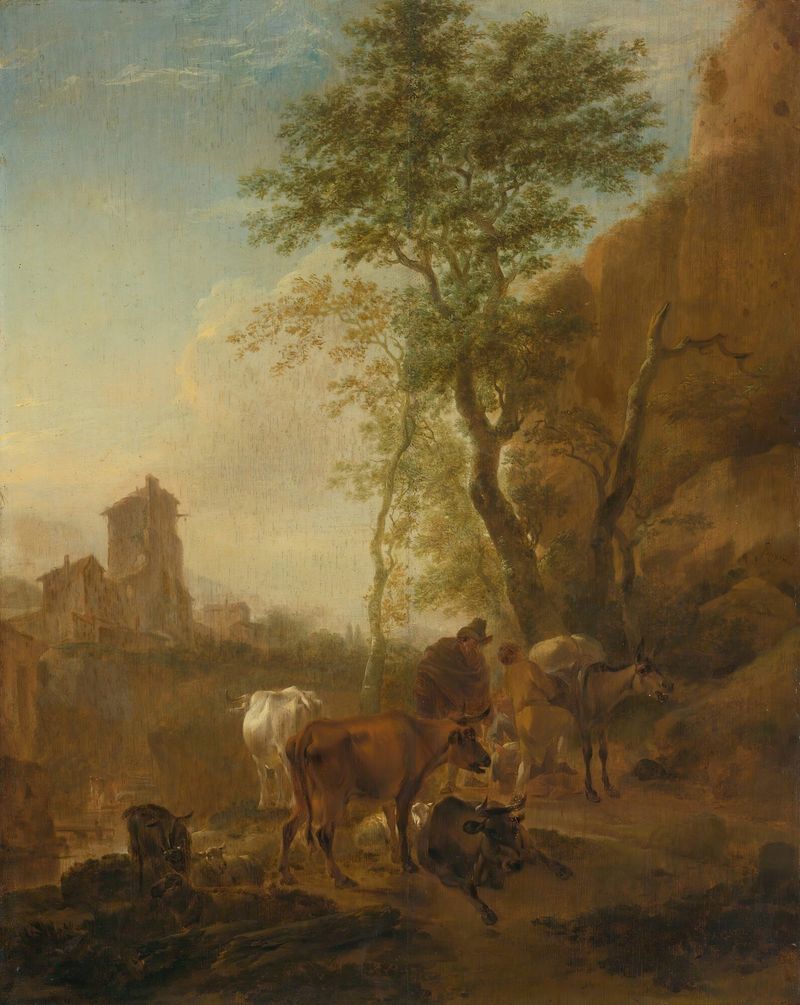
Italianate Landscape With Cows
Nicolaes Pietersz Berchem
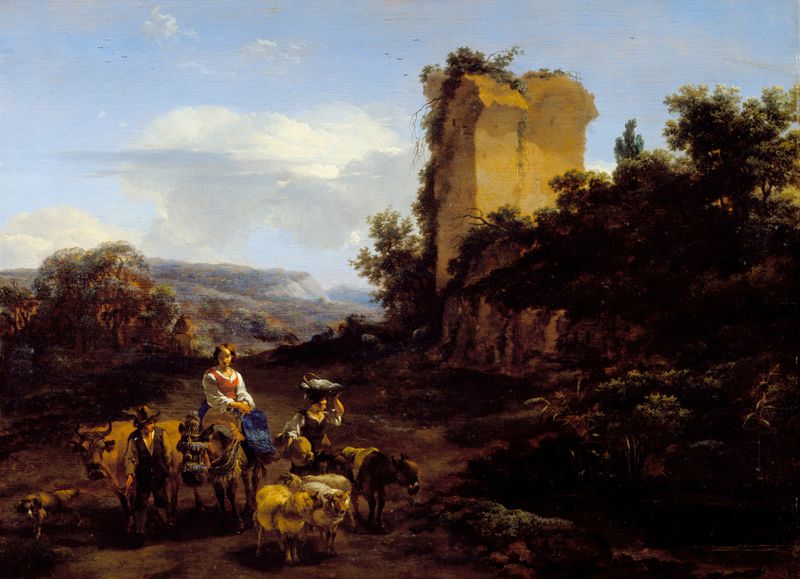
Landscape with Ruins and Travelers
Nicolaes Pietersz Berchem
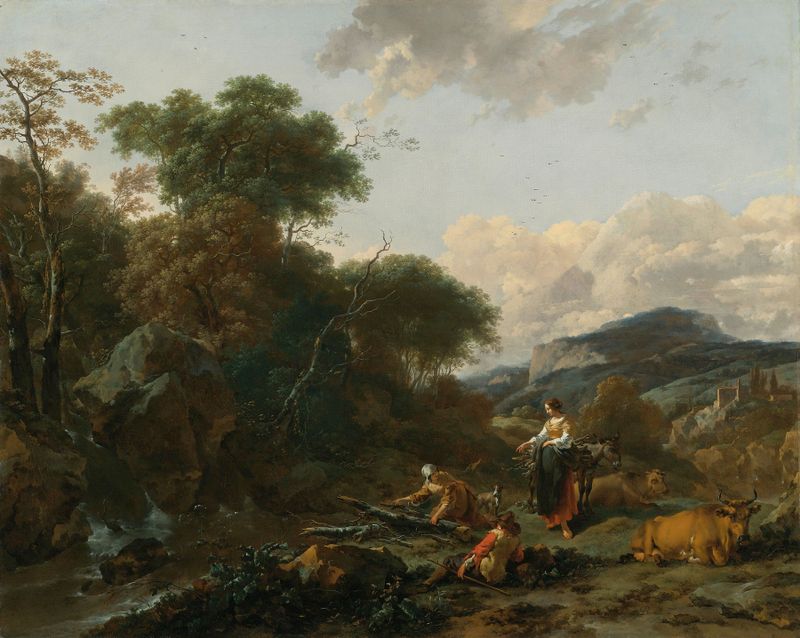
A Landscape With Figures
Nicolaes Pietersz Berchem
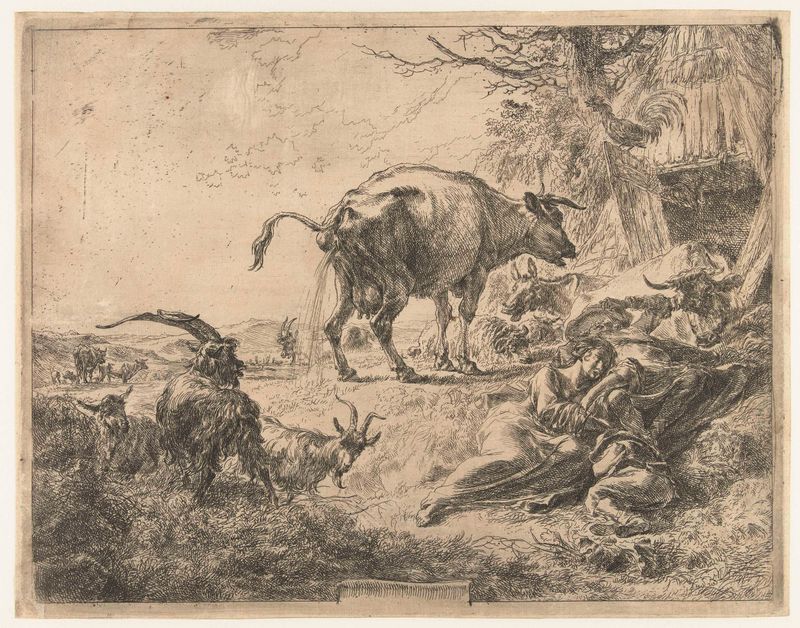
Slapende herdersfamilie en rustend vee
Nicolaes Pietersz Berchem
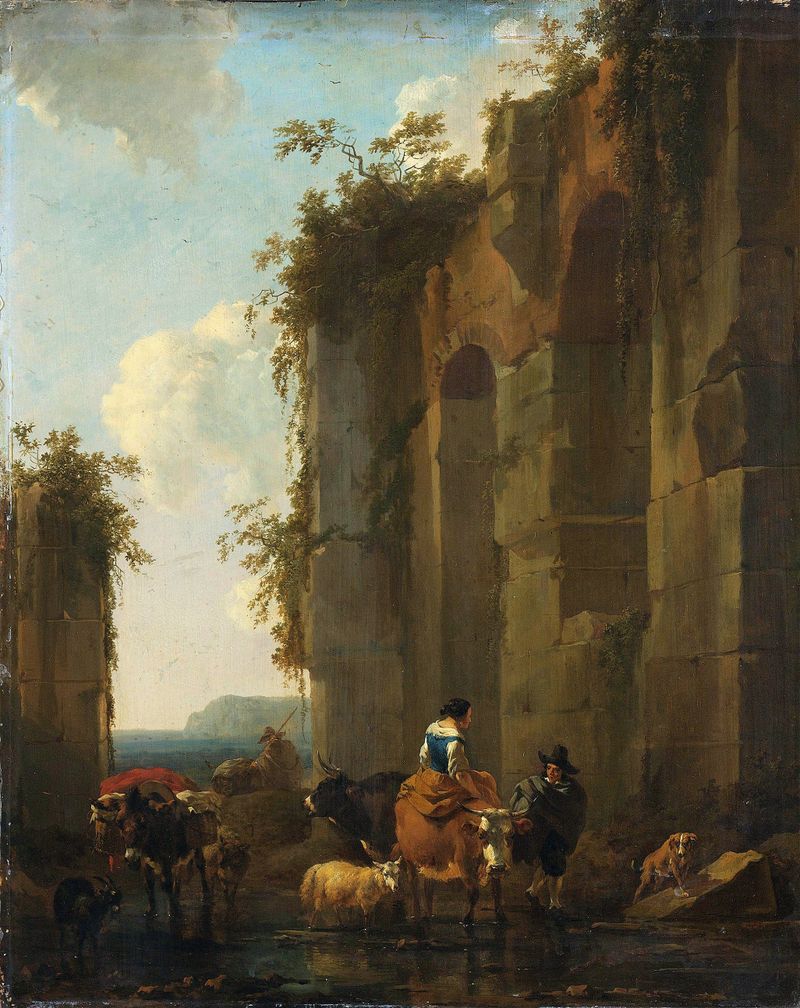
Ruins in Italy
Nicolaes Pietersz Berchem