
Twilight in Spring II — History & Facts
What do we discover in the silence of an empty landscape, where color whispers tales of longing and solitude? Look to the center of the canvas, where soft pastels of lavender and green converge, creating a serene yet haunting atmosphere. Notice how the gentle transitions between hues convey a gradual fading of day into twilight, evoking a sense of stillness. The delicate brushwork leads your gaze across an almost ethereal horizon, where the sky blushes with the promise of dusk, while the ground retains a muted tranquility that invites introspection. In the subtle contrasts between light and shadow, hidden meanings emerge.
The interplay of warm and cool tones suggests the fleeting nature of time and the inherent emptiness within beauty. Here, the void is not merely absence, but a contemplative space that evokes the heart's quiet ache. Each stroke seems to breathe life into a moment lost, encapsulating a bittersweet nostalgia that resonates deeply within the viewer. Karl Nordström painted this piece during a transformative period in the late 19th century, amidst a burgeoning interest in impressionism.
Working primarily in Sweden, he sought to capture the ephemeral effects of light in nature, reflecting a personal quest for solace in a changing world. The artwork embodies his exploration of emotional landscapes, bridging the gap between reality and memory, as he navigated both personal and artistic evolution.
More Artworks by Karl Nordström
Browse all →
Kyrkesund
Karl Nordström
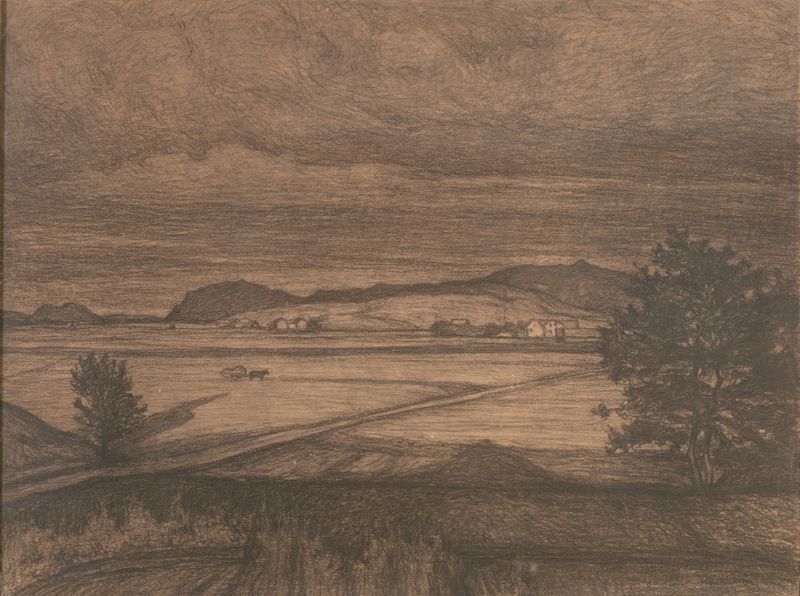
Högadal on Tjörn
Karl Nordström

Scene from Tjörn
Karl Nordström

The Surf
Karl Nordström
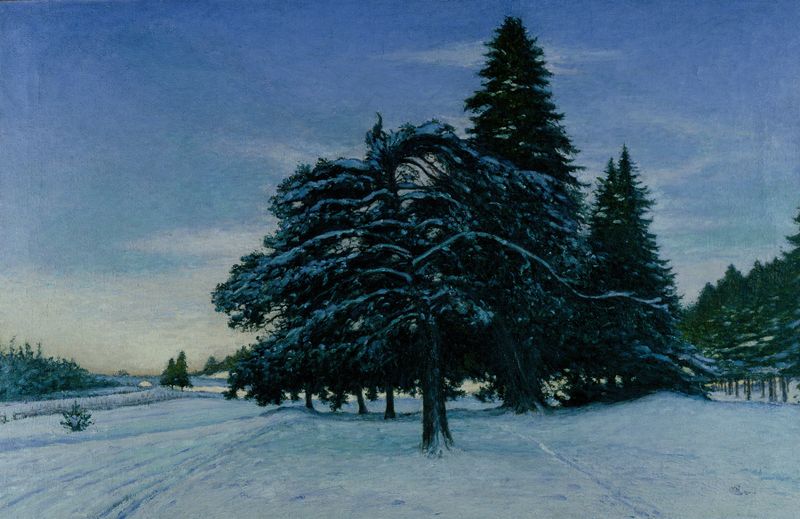
Winter’s Day at Uggleviken
Karl Nordström
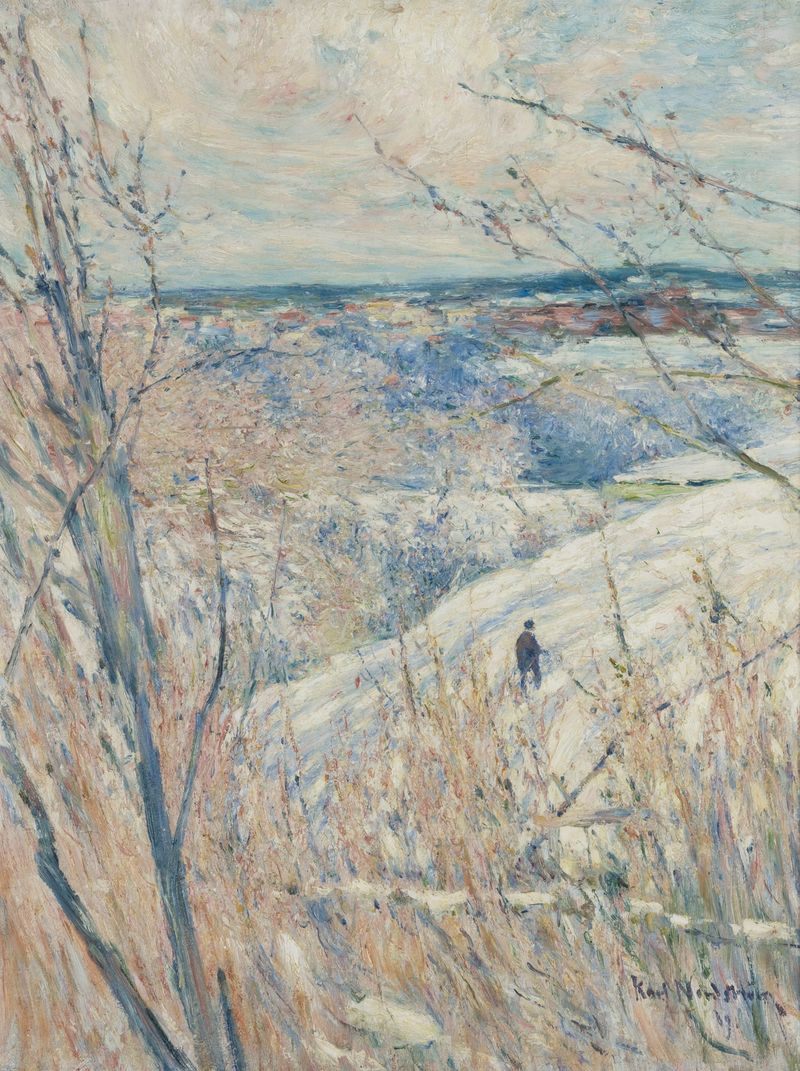
Winter
Karl Nordström

Fishing Boat
Karl Nordström

Hoga Valley, Tjörn
Karl Nordström

Roslag Street, Stockholm
Karl Nordström
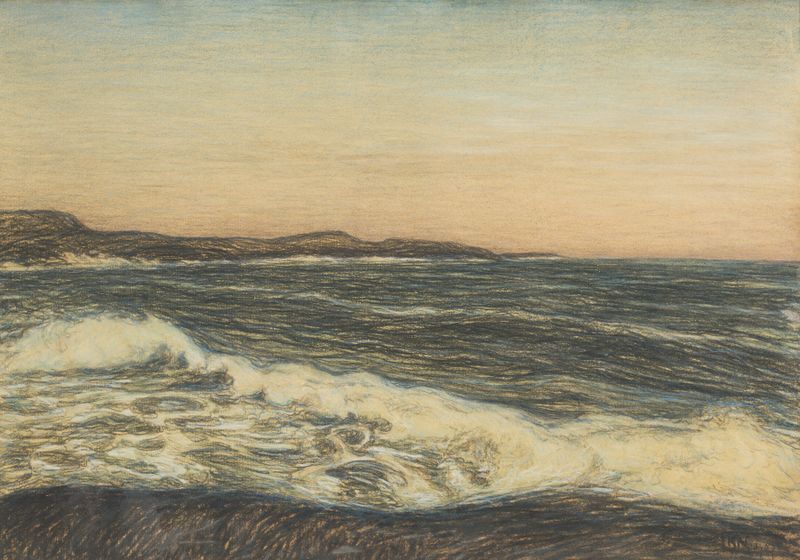
Seashore and Ground-Swell
Karl Nordström





