
Twilight. Kushva — History & Facts
The first thing that catches the eye in Twilight. Kushva is the hush that settles over the landscape, as if the hills themselves are holding their breath for nightfall. The artist, Apollinari Mikhailovich Vasnetsov, leads us gently from the foreground’s mossy greens and scattered stones, across the sloping fields brushed with muted gold, and into the deepening blues of distant forests.
The horizon is low, granting the sky a commanding presence; streaks of pale peach and lavender clouds linger where the last light touches the earth. The brushwork is loose but purposeful, suggesting the fleeting nature of twilight—each stroke a moment before darkness. Painted in 1890, this work belongs to a time when Russian landscape painting was undergoing a quiet transformation. Artists like Vasnetsov turned their gaze away from grand historical scenes to the poetry of everyday nature, often seeking inspiration in their own native regions.
The town of Kushva, nestled in the Ural foothills, would have been a familiar sight, yet here it becomes a stage for the drama of dusk. While little is recorded about the specific journey of this painting, its presence in a Russian collection today links it to a broader movement: the late 19th-century search for national identity in art, where the land itself became both subject and symbol. Stand before this view and let your eyes adjust, as if you too are waiting for the last colors to fade.
More Artworks by Apollinari Mikhailovich Vasnetsov

Landscape With Lake
Apollinari Mikhailovich Vasnetsov
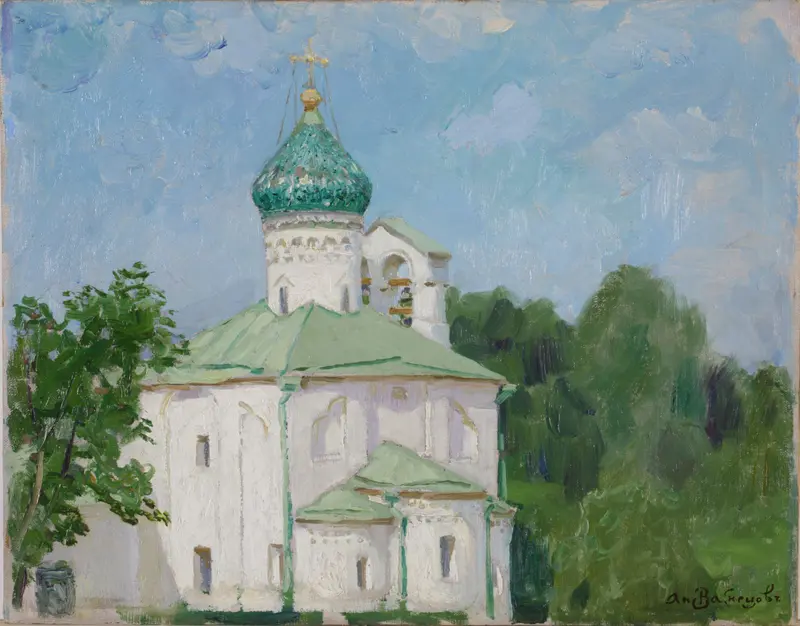
Sergius Luzhki
Apollinari Mikhailovich Vasnetsov
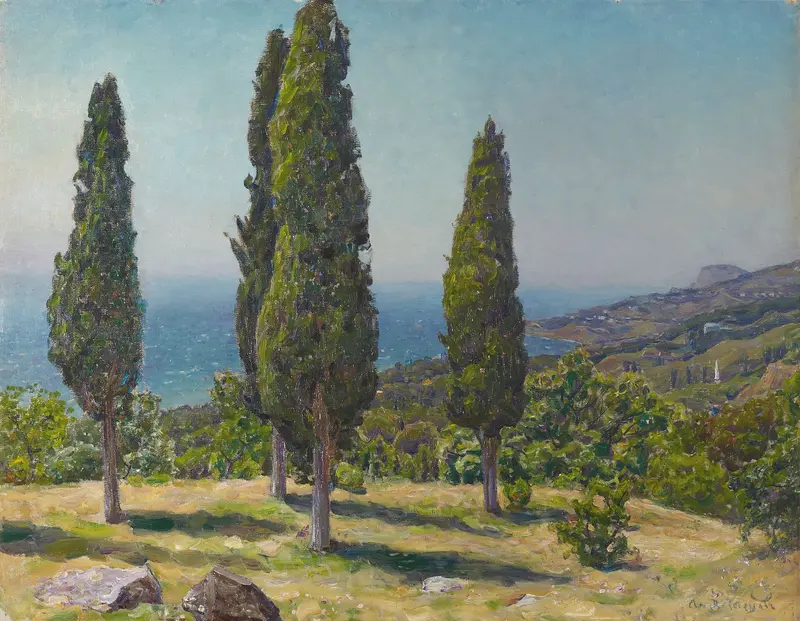
cypresses. Crimea
Apollinari Mikhailovich Vasnetsov
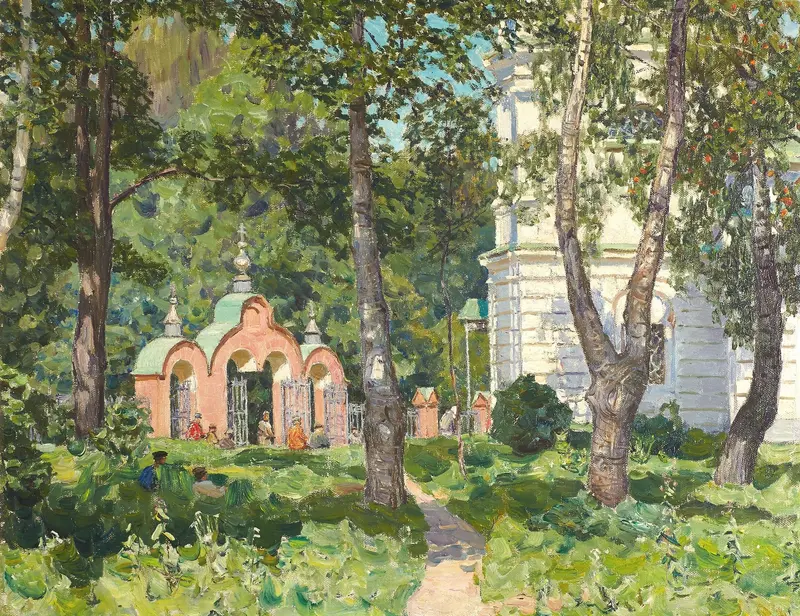
Demyanovo. At the churchyard
Apollinari Mikhailovich Vasnetsov
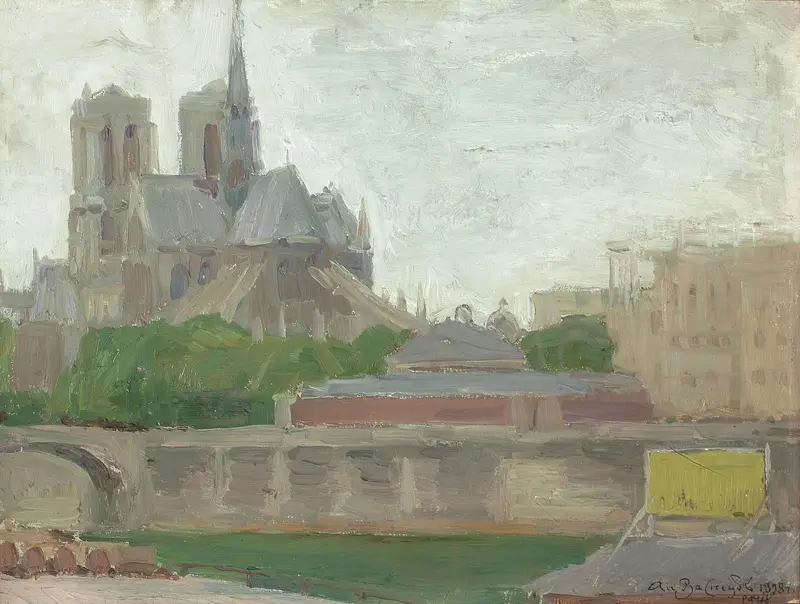
Notre Dame de Paris
Apollinari Mikhailovich Vasnetsov
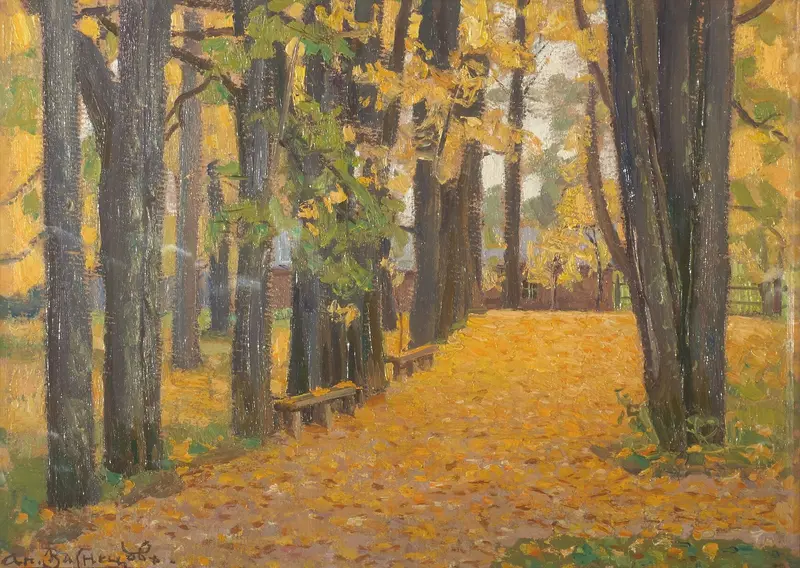
Autumn park
Apollinari Mikhailovich Vasnetsov
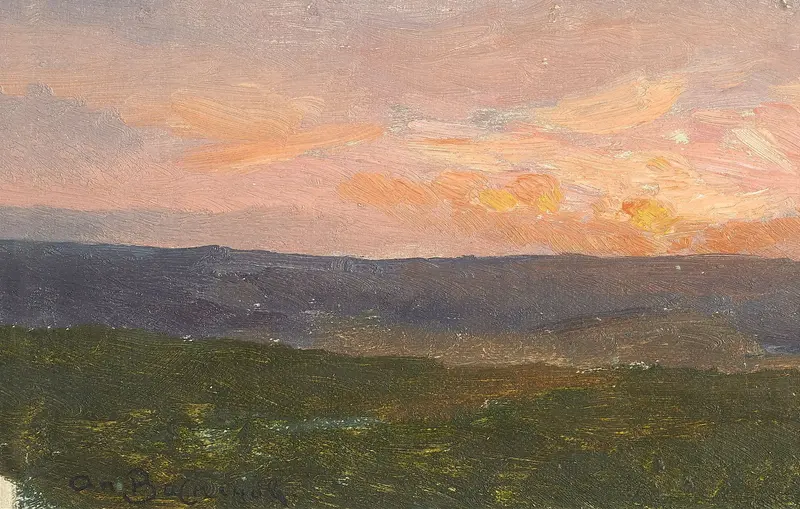
Sunset. Shurma
Apollinari Mikhailovich Vasnetsov

Via delle Tombe Pompeii
Apollinari Mikhailovich Vasnetsov
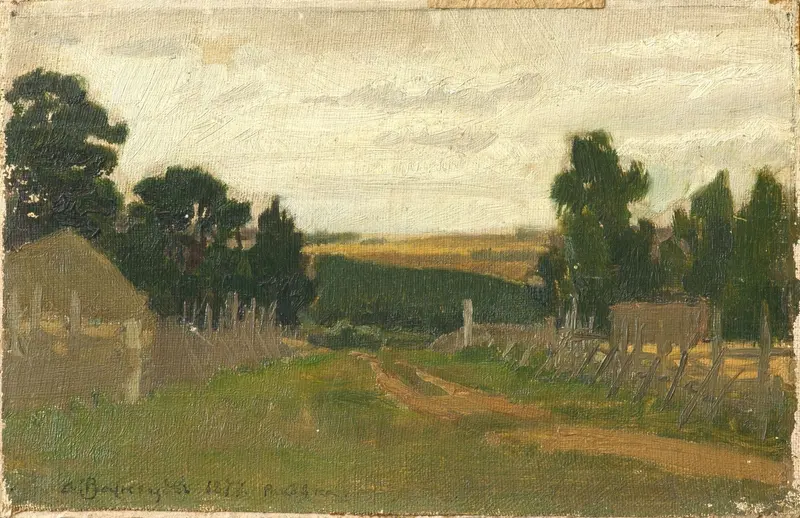
Rakovka
Apollinari Mikhailovich Vasnetsov
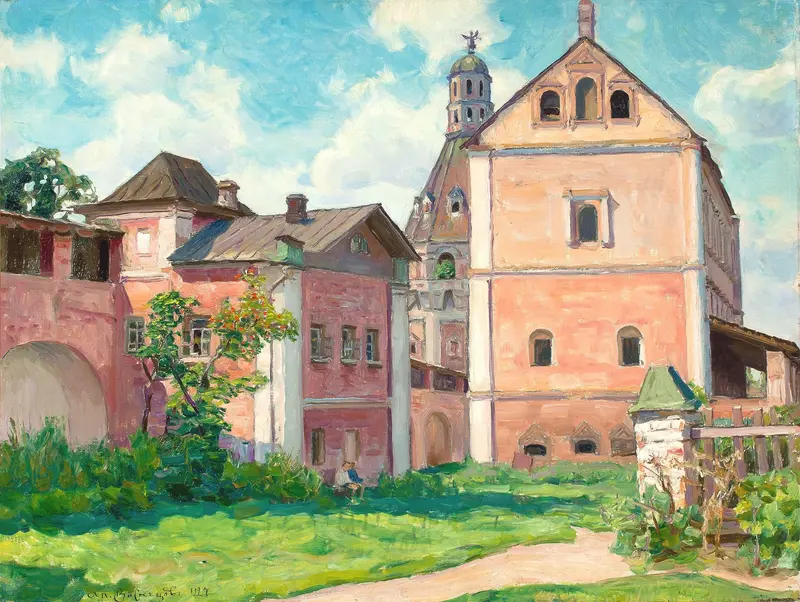
Simonov tower
Apollinari Mikhailovich Vasnetsov
More Landscape Art

The Starry Night
Vincent van Gogh

View of Delft
Johannes Vermeer

Water Lilies
Claude Monet

The Grand Canal, Venice, looking north-west from the Ca' Corner to the Ca' Contarini degli Scrigni, with the campanile of Santa Maria della Carità
Canaletto

Windsor Castle
Canaletto

The Grand Canal looking North-East from the Palazzo Dolfin-Manin to the Rialto Bridge
Canaletto