Uebeschichor der Berner Liedertafel, Wohltätigkeitskonzert 1909 — History & Facts
A single sweep of golden harp strings divides two worlds: on one side, a serene woman in classical dress, her gaze lowered in concentration, on the other, the shadowed forms of a cloaked figure and a child. The composition draws the viewer into a moment of poised anticipation—music as a bridge between light and darkness, hope and hardship. The harp’s curve and the woman’s white robe radiate calm, while the dark, simplified forms beside her evoke gravity and need.
The child’s face, turned outward, meets our gaze directly, inviting us into the scene and reminding us that charity is not abstract but personal. Created in 1909 for a charity concert in Grindelwald, this poster by Emil Cardinaux belongs to an era when graphic art was both advertisement and art form, shaped by the ideals of Jugendstil and the social conscience of the early twentieth century. Such works were often commissioned by civic groups or musical societies to announce events and stir public support, their bold lines and flat colors designed to catch the eye in city streets or village squares. History has kept few traces of the individual journeys of these posters, but their visual language—at once direct and symbolic—remains a testament to a time when art and public life were closely entwined.
Let your eye linger on the harpist’s hand: it is the gesture that holds the whole story together.
More Artworks by Emil Cardinaux
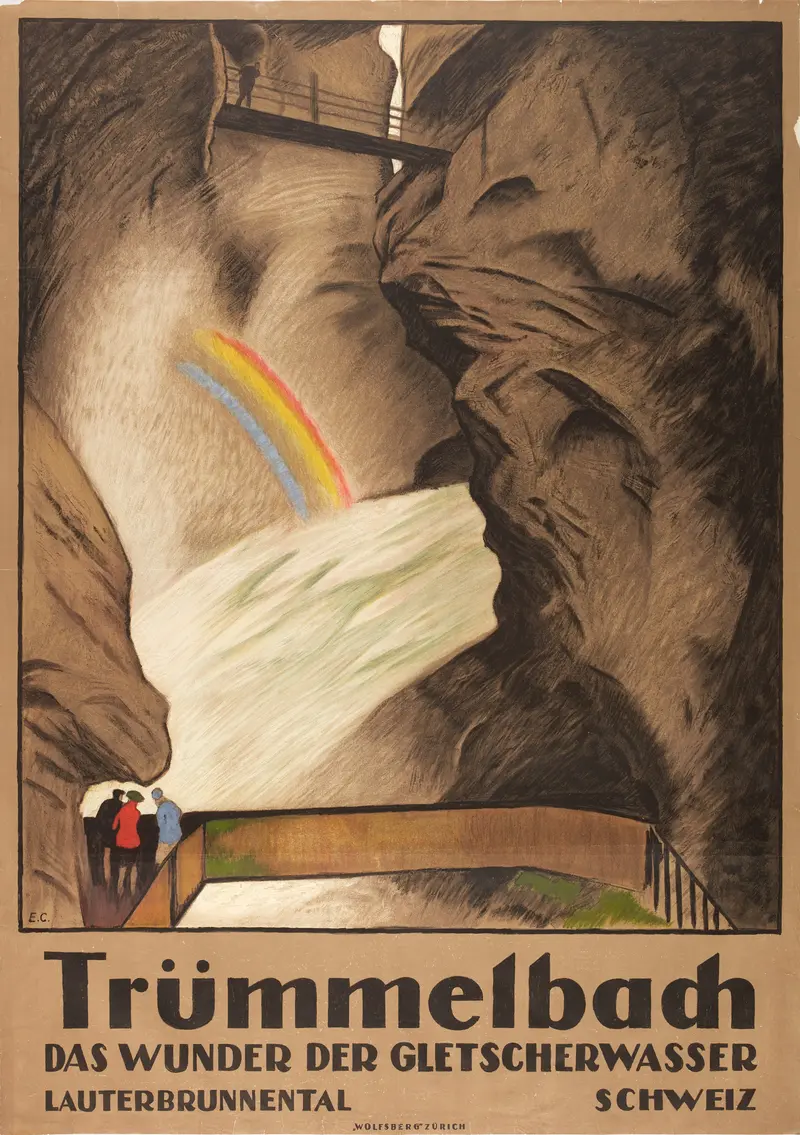
Trümmelbach
Emil Cardinaux
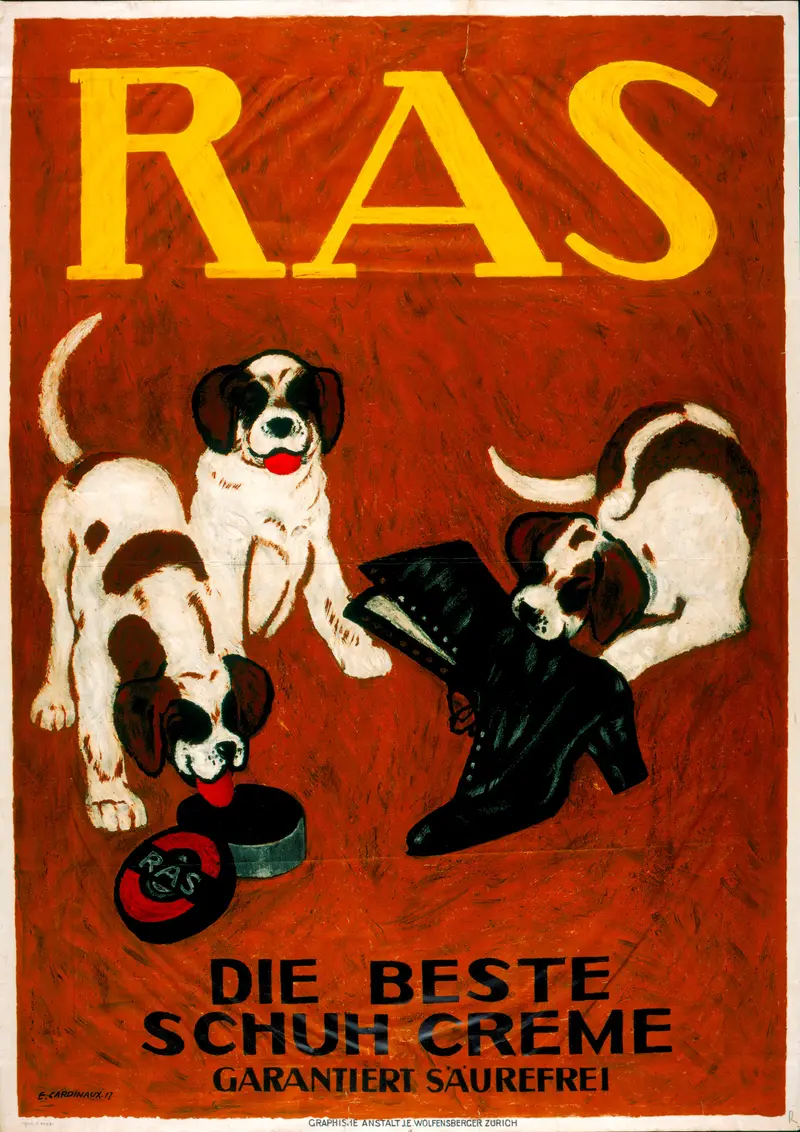
RAS, die beste Schuhcrème
Emil Cardinaux
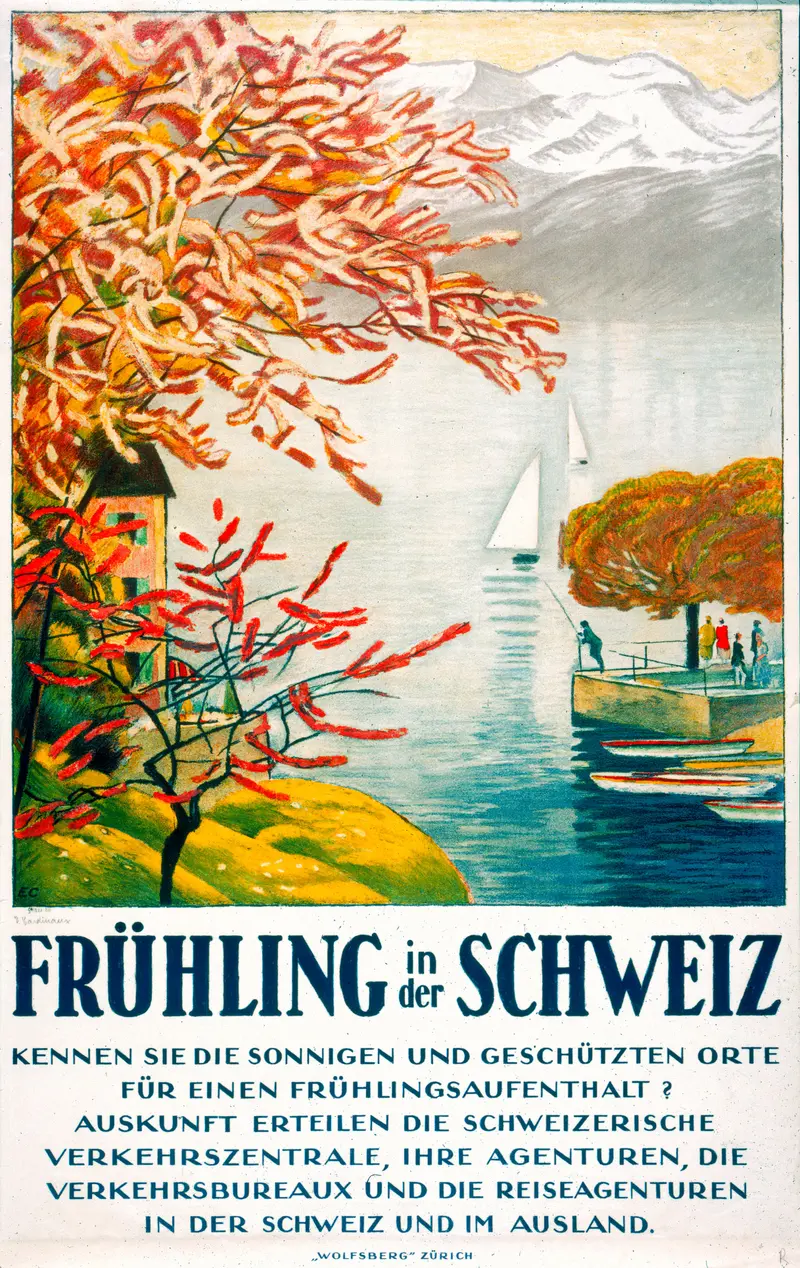
Frühling in der Schweiz
Emil Cardinaux
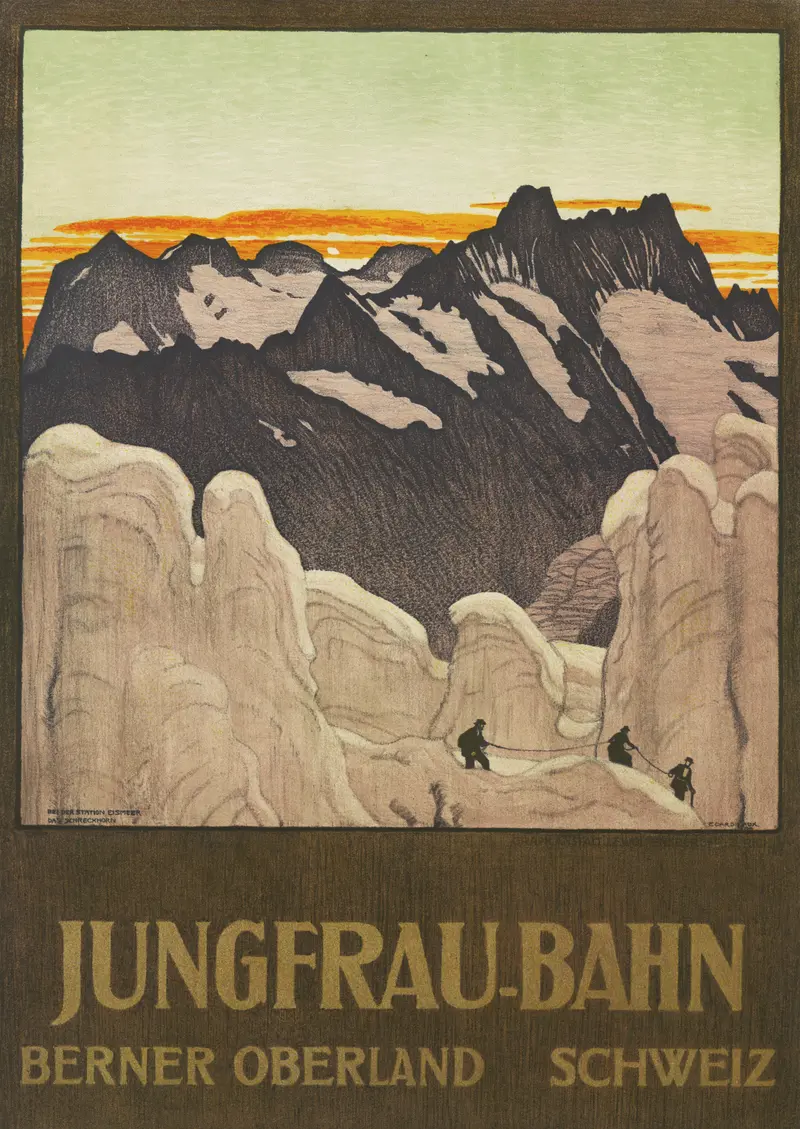
Jungfrau-Bahn, Berner Oberland
Emil Cardinaux
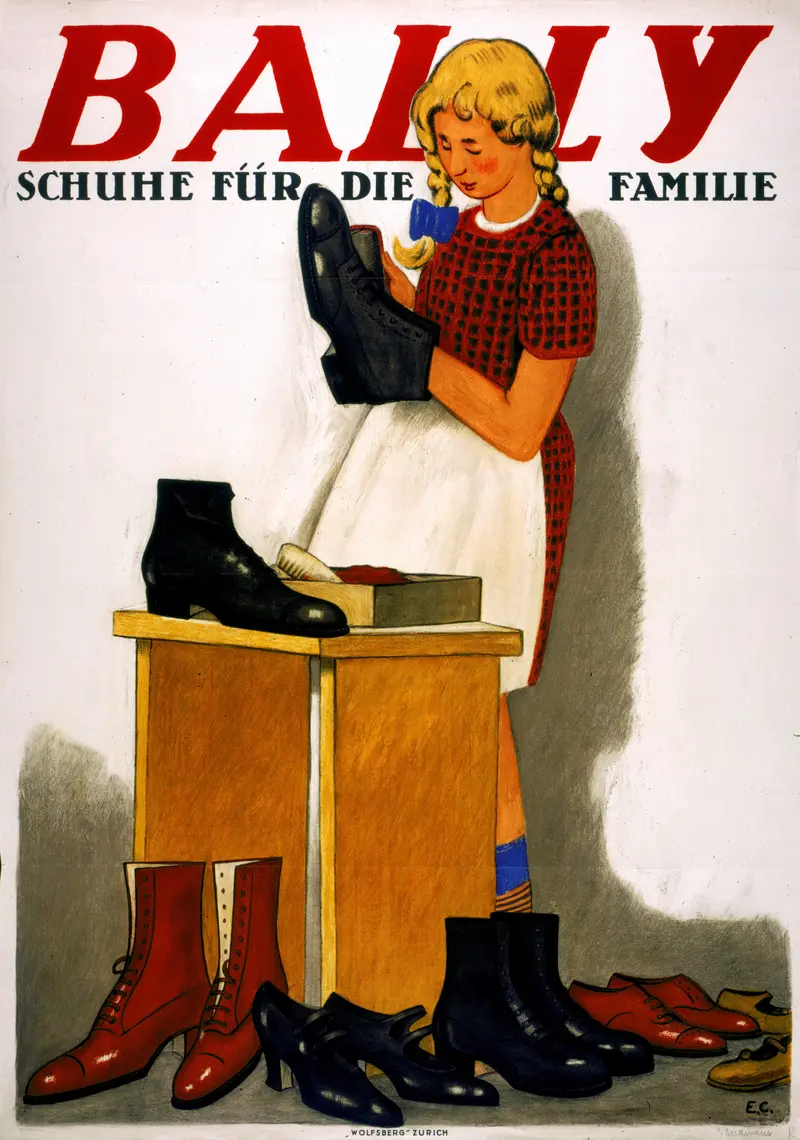
Bally – Schuhe für die Familie
Emil Cardinaux

Winter in Switzerland
Emil Cardinaux
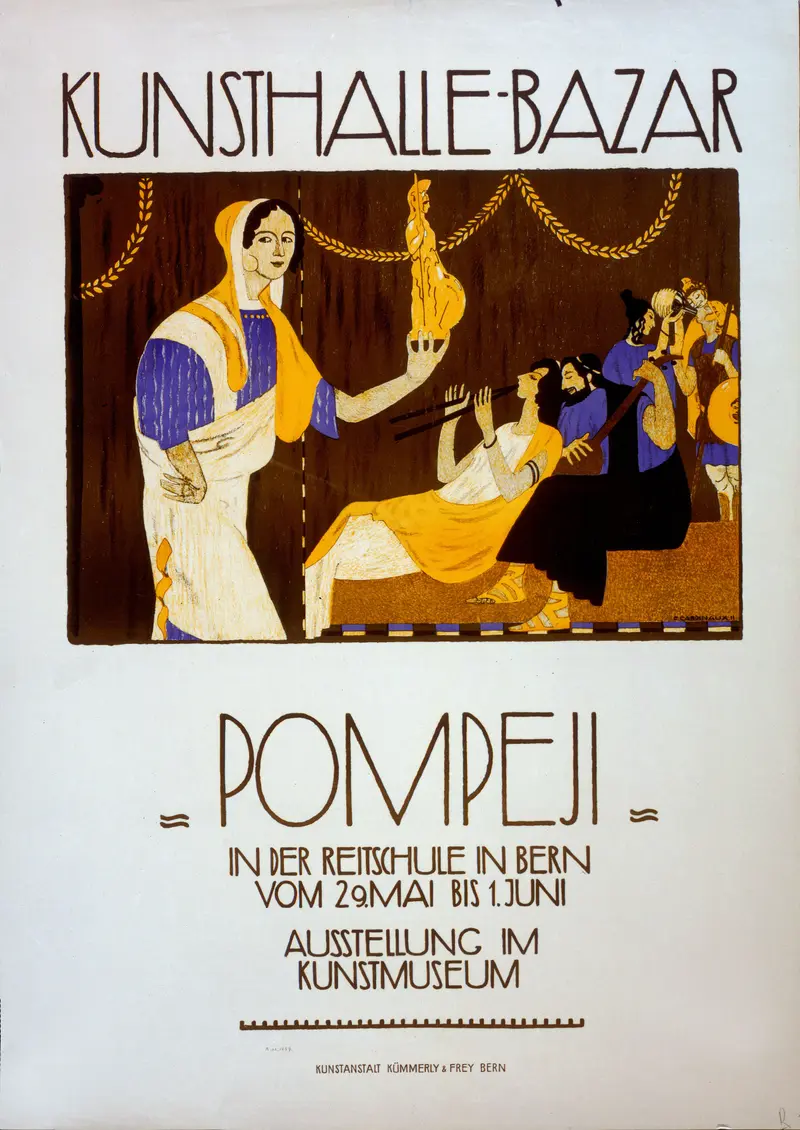
Kunsthalle-Bazar Pompeji, Bern 1911
Emil Cardinaux
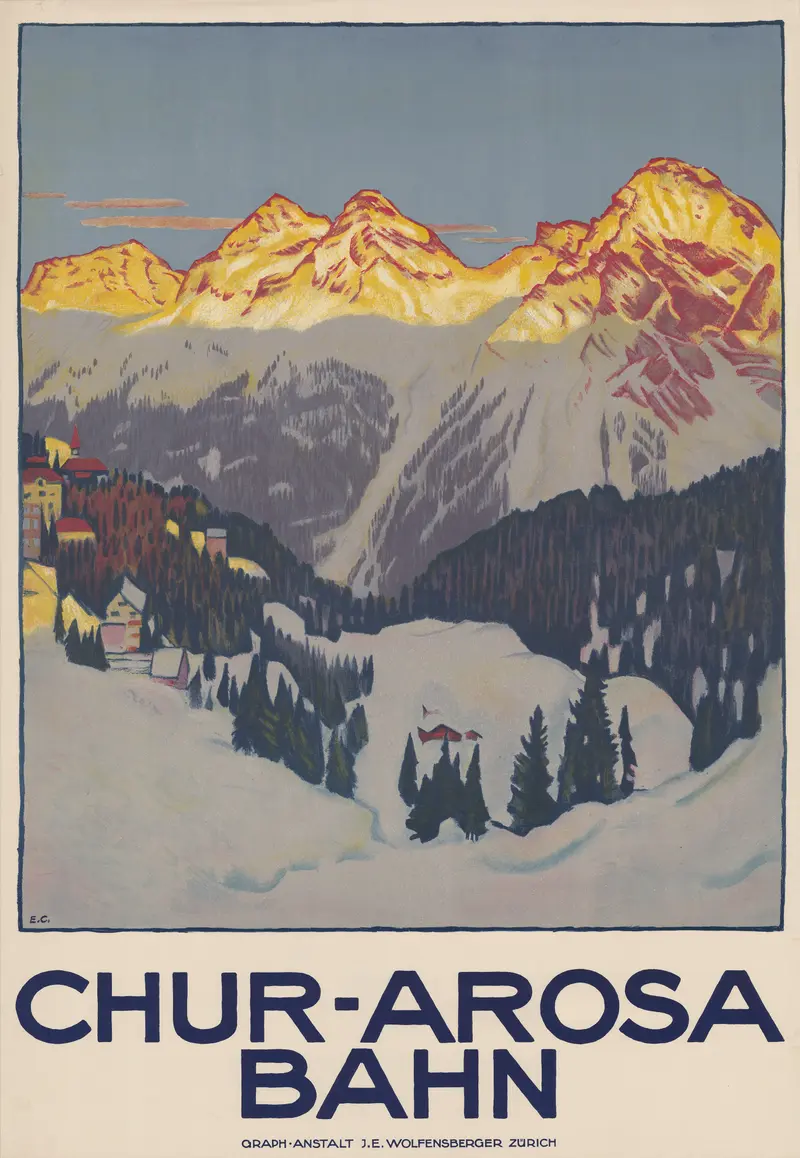
Chur-Arosa-Bahn
Emil Cardinaux
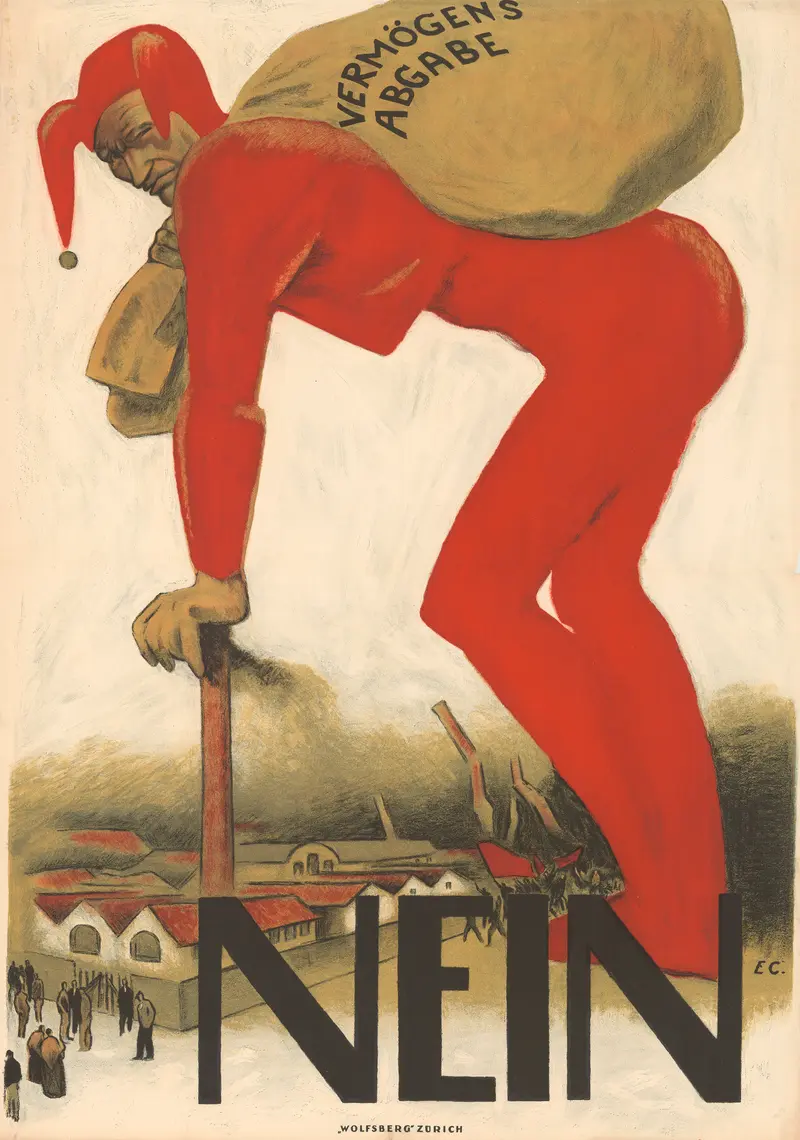
Vermögensabgabe – Nein
Emil Cardinaux
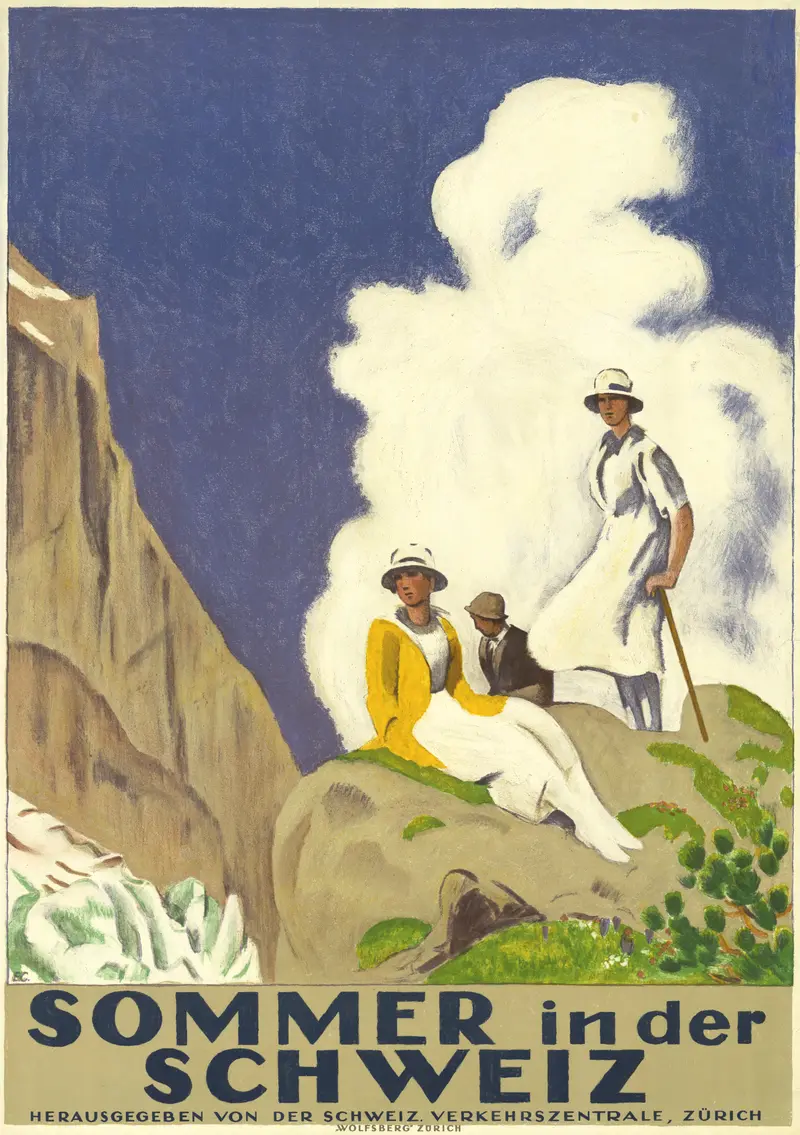
Sommer in der Schweiz
Emil Cardinaux