
Uferweg an der Amper bei Haag — History & Facts
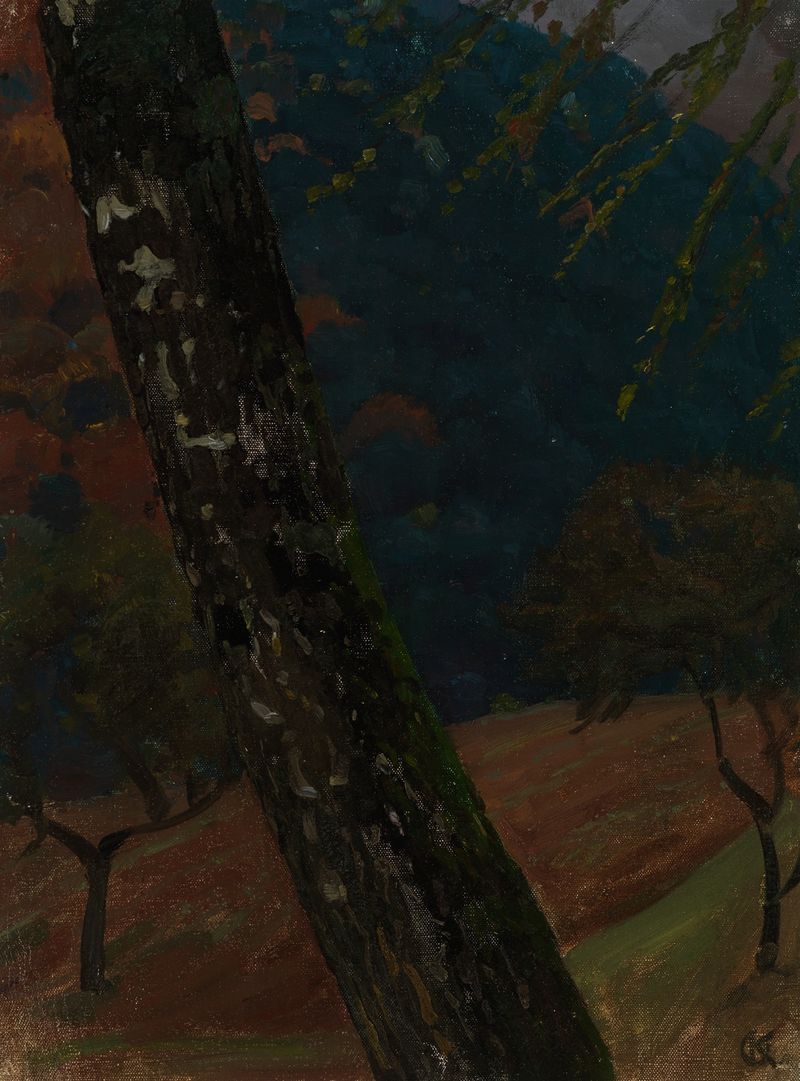
What stories lie beneath the surface of our obsessions, whispering to us through every brushstroke? Look closely at the soft, muted palette of greens and blues that envelops the viewer, guiding the eye towards the winding path along the riverbank. Focus on the delicate interplay of light and shadow that dances across the water’s surface, reflecting not only the landscape but the deeper currents of the artist's thoughts. The trees, with their subtle strokes and gentle sway, seem to lean in, listening to the silence that envelops the scene, while the horizon hints at distant possibilities. In the foreground, the curved path beckons one to wander further, presenting a dichotomy between the serenity of nature and the unease of human presence.
Here, the stillness is punctuated by the unseen — the rustle of leaves, the quiet babble of the river — suggesting a hidden life that exists just out of sight. This tension creates a dialogue between familiarity and the unknown, as if the landscape itself is a mirror reflecting the artist's inner obsession with the intersection of man and environment. Gustav Kampmann painted this serene landscape in 1884 in his native Germany, during a period when the Impressionist movement was beginning to influence artists across Europe. At this time, Kampmann was exploring the nuances of color and light, aiming to capture the essence of nature rather than its mere appearance.
Engaged in his own artistic journey, he sought a deeper connection between his art and the natural world, revealing both personal and universal themes through his tranquil scenes.
More Artworks by Gustav Kampmann
Browse all →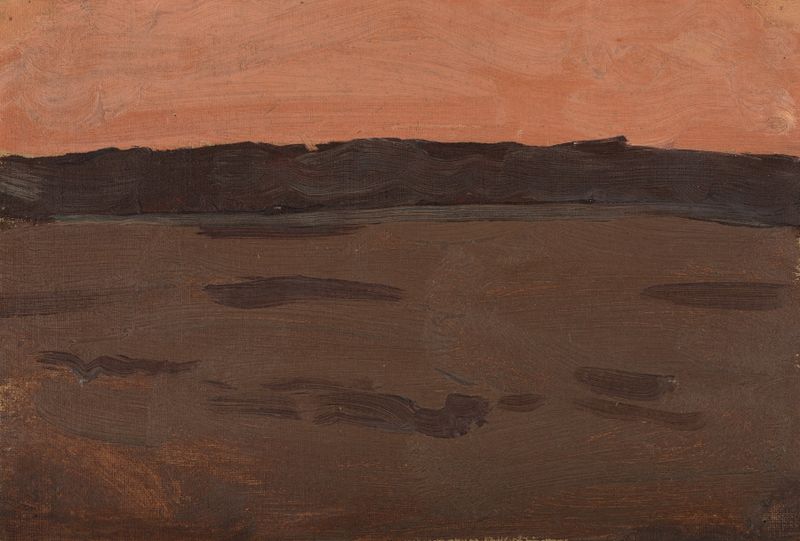
Abendstimmung
Gustav Kampmann

Eisenbahn am Abend
Gustav Kampmann

Nach Sonnenuntergang im Winter
Gustav Kampmann

Blick von der Hornisgrinde
Gustav Kampmann

Hügelige Landschaft mit Baumreihe
Gustav Kampmann
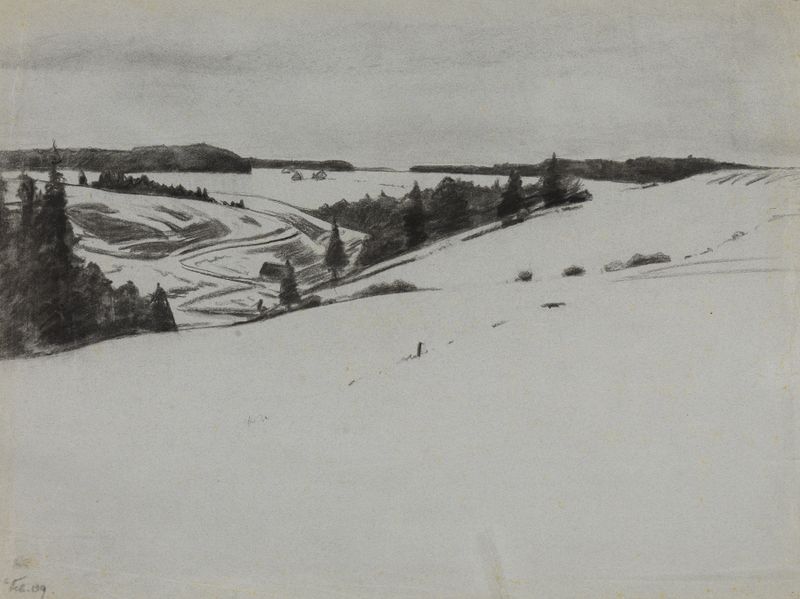
Schneelandschaft bei Königsfeld
Gustav Kampmann
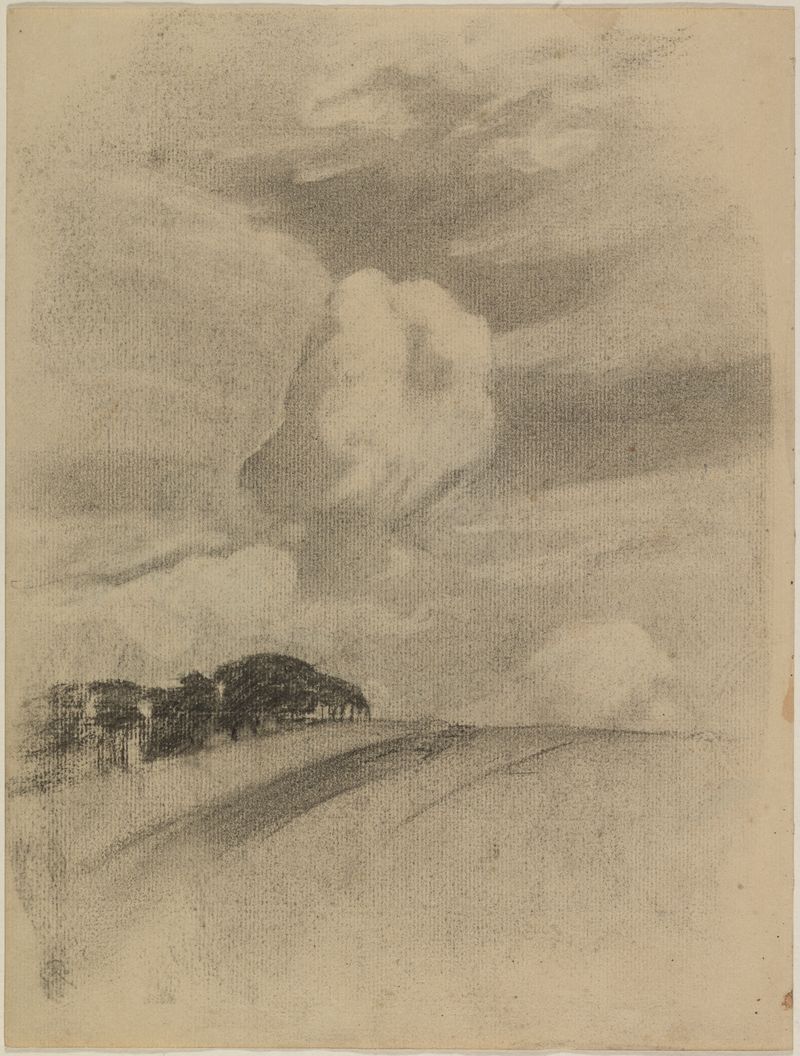
Landschaftsstudie
Gustav Kampmann
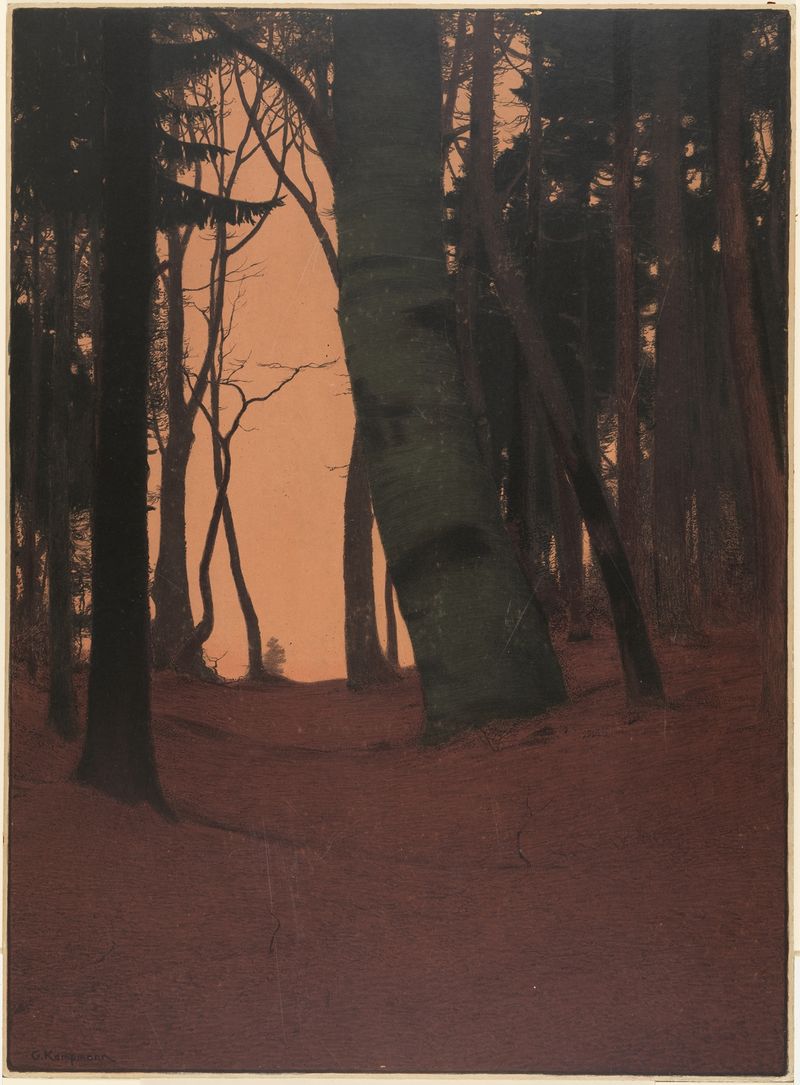
Abend im Wald
Gustav Kampmann

Drei alte Weiden bei Langenpreising
Gustav Kampmann
Baumstamm bei Obersteinbach
Gustav Kampmann





