
Uitgang van grot Crypta Neapolitana (of Grotta di Posillipo) aan de kust van Pozzuoli — History & Facts
In its stillness, it whispers the profound loneliness that echoes through time. Beneath its surface lies an intricate dialogue between nature and emotion, reflecting the solitude found in the spaces we traverse. Look to the foreground, where a solitary figure stands at the mouth of the cave, gazing out over the calm waters of Pozzuoli. The cool blues and earthy browns create a somber harmony, while the light gradually brightens as it spills from the cave into the daylight.
Notice how the dramatic arch of the grotto frames the figure, amplifying their isolation against the vastness of the sea, inviting contemplation of the unknown that lies beyond the horizon. Within this tranquil composition, contrasts emerge — the stillness of the landscape juxtaposed with the palpable yearning of the individual. The cave, representing shelter and confinement, becomes a metaphor for introspection, while the expansive waters symbolize freedom yet remain forever out of reach. This duality evokes a sense of longing, suggesting that the pursuit of connection often leads us deeper into our solitude. In 1778, Ducros painted this masterpiece during a period marked by the rise of Romanticism, which emphasized emotion and individual experience.
Residing in Italy, he was influenced by the picturesque landscapes and the emerging movement towards expressing deeper feelings through art. This work captures a moment of transition, both personal and artistic, as the artist navigated his own sense of place in a world increasingly aware of human vulnerability.
More Artworks by Abraham-Louis-Rodolphe Ducros
Browse all →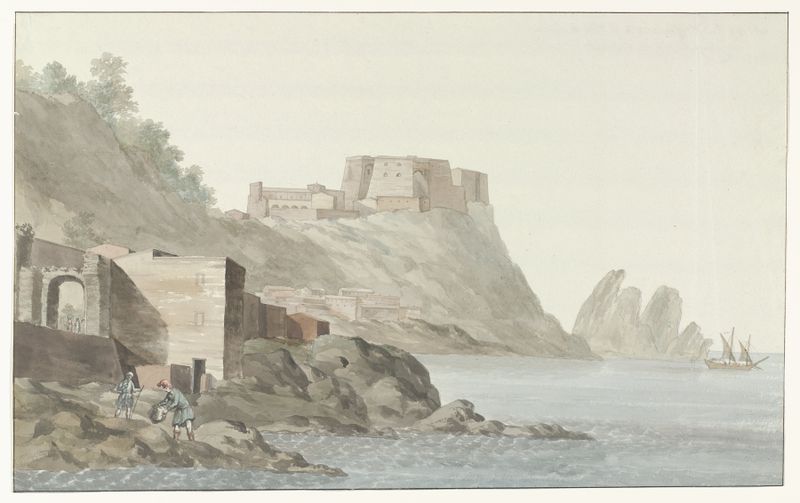
Rots en stad Scilla in de regio Calabrië aan de oostkust
Abraham-Louis-Rodolphe Ducros
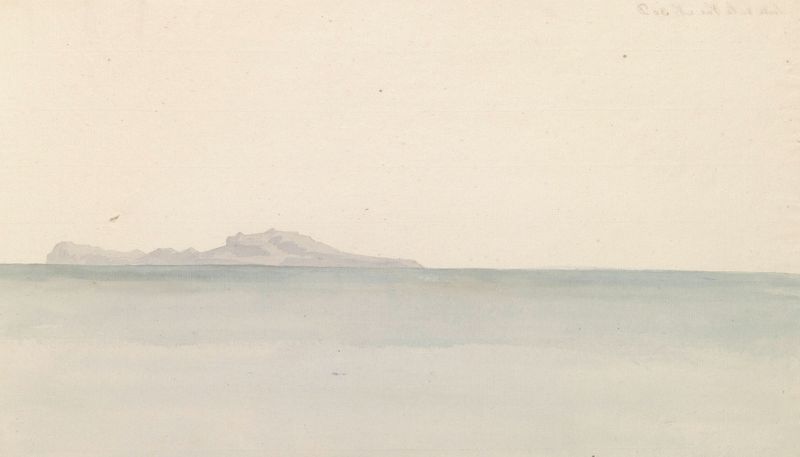
Gezicht op Golf van Napels vanaf kade bij kerk Santa Maria del Carmine
Abraham-Louis-Rodolphe Ducros
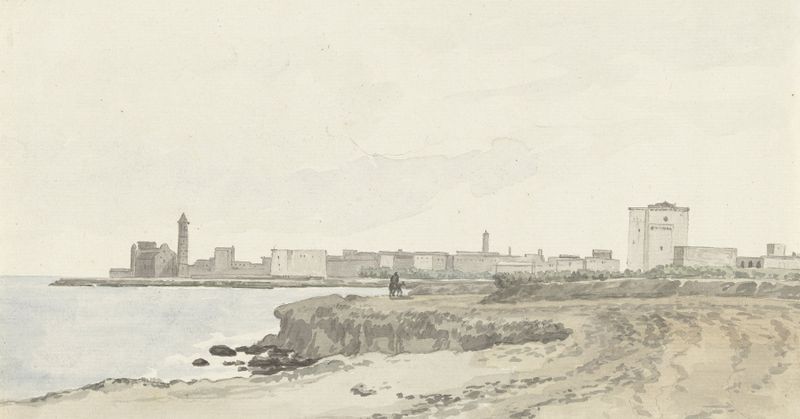
Gezicht op Trani gelegen aan de kust
Abraham-Louis-Rodolphe Ducros
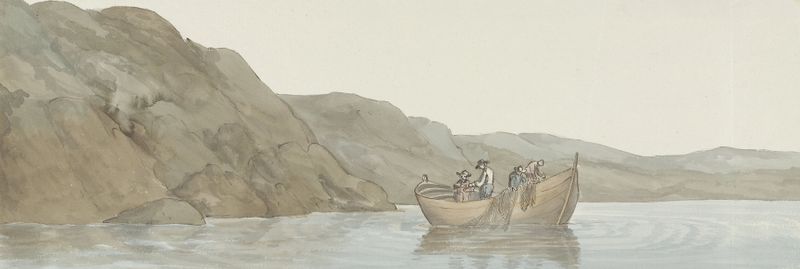
Gezicht op Kaap Paceco in Calabrië nabij de stad Scilla
Abraham-Louis-Rodolphe Ducros
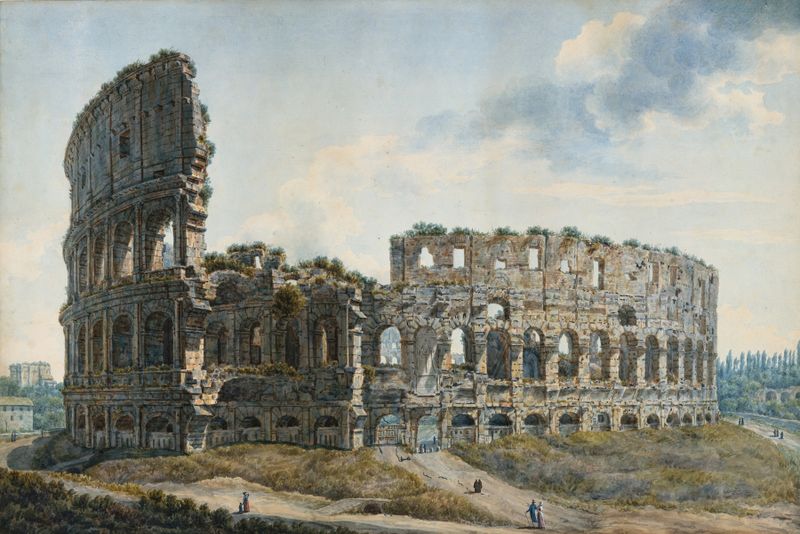
The Colosseum, Rome.
Abraham-Louis-Rodolphe Ducros
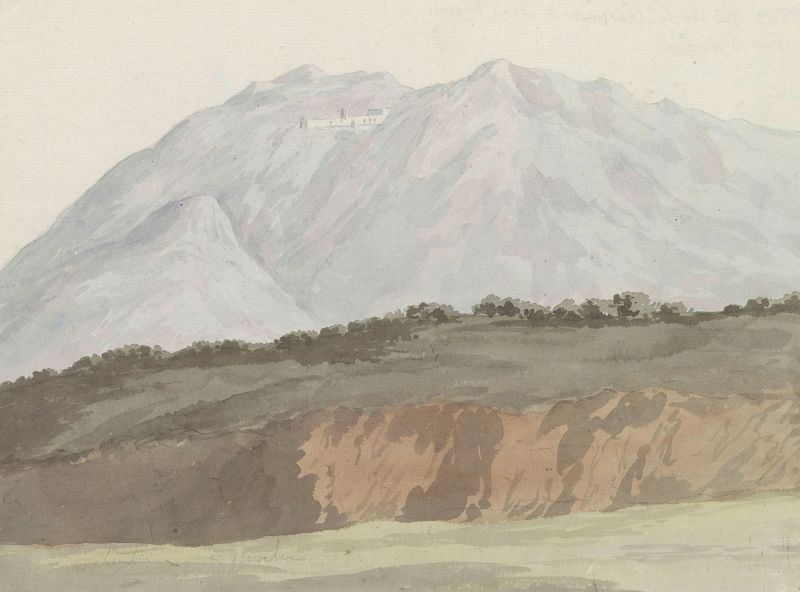
Gezicht op kartuizerklooster van Monte Vergine hoog gelegen boven Avellino
Abraham-Louis-Rodolphe Ducros
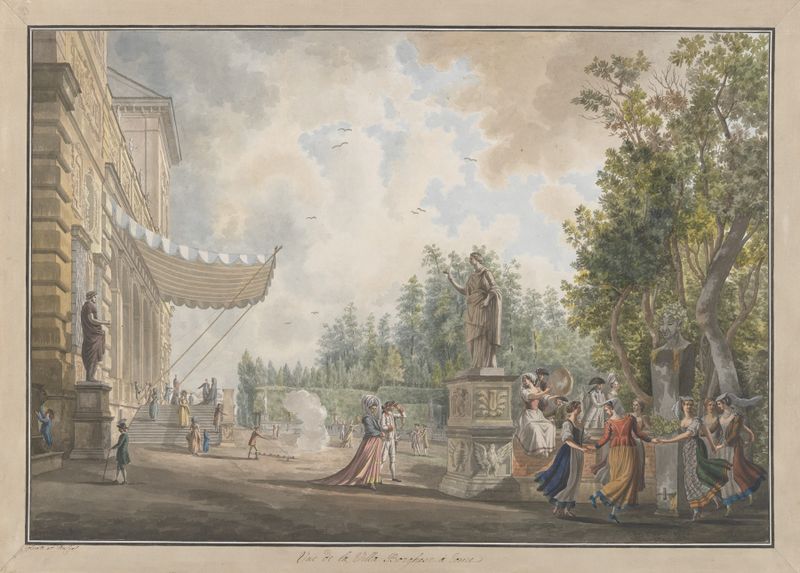
Villa Borghese
Abraham-Louis-Rodolphe Ducros
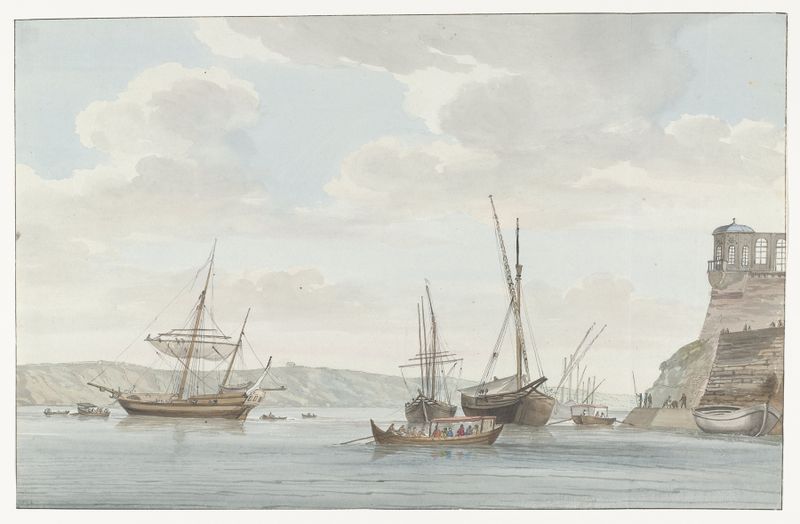
Tuinhuis van de Jardin du Grand Maître uittorend boven de haven met galei schepen op Malta
Abraham-Louis-Rodolphe Ducros
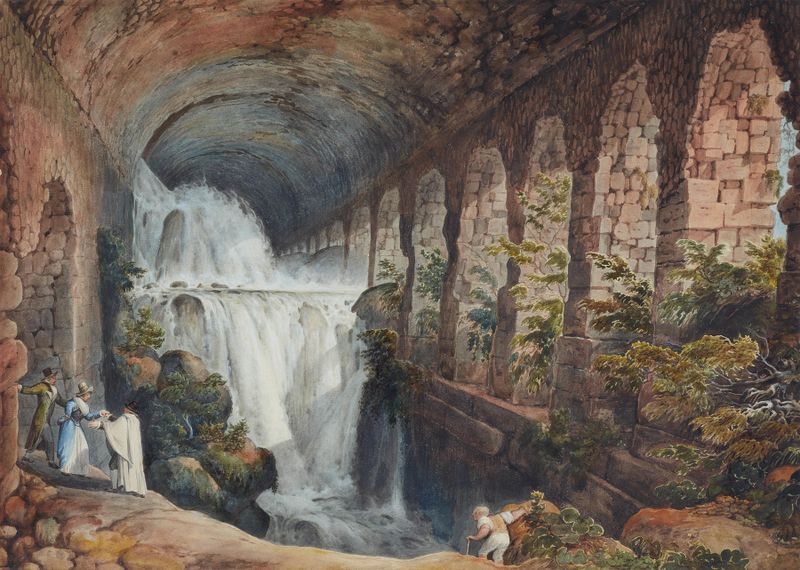
Aquädukt unter der Villa des Maecenas in Tivoli
Abraham-Louis-Rodolphe Ducros
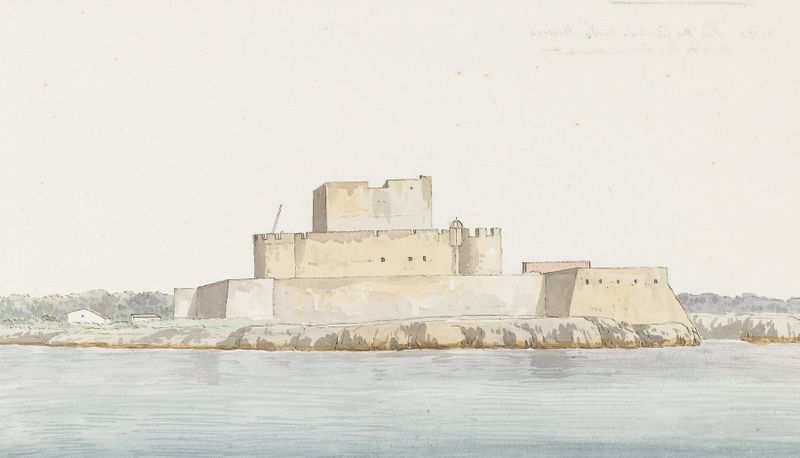
Gezicht op kasteel van San Mauro la Bruca vanaf zee bij aankomst
Abraham-Louis-Rodolphe Ducros





