
Ulica Kanonja — History & Facts
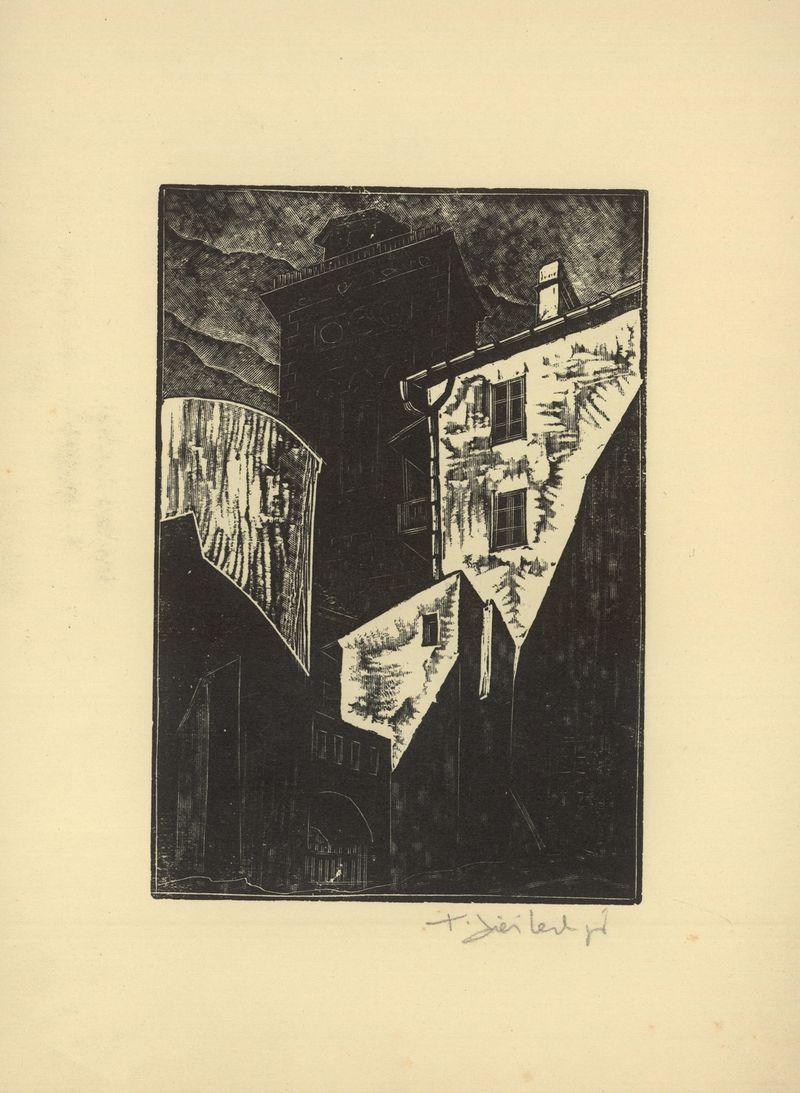
In the stillness of a moment captured, the pulse of life courses through the brushstrokes. Each line dances with movement, inviting the viewer to step into a world alive with potential and unspoken stories. Focus first on the flowing lines that guide your gaze through the composition. Notice how the architecture of the street creates a rhythmic pattern, leading you deeper into the frame.
The vibrant colors juxtapose the muted greys of the buildings, lending a sense of warmth to the coldness of urban life. Shadows play delicately across the scene, hinting at the lives unfolding within the confines of these structures, while the careful application of paint evokes texture, giving a sense of breath and motion. Yet beneath the surface lies a tension between stagnation and vitality. The figures, though seemingly still, suggest movement, as if caught in the midst of a hurried exchange or a quiet moment of reflection.
The contrast between the rigid facades and the organic flow of life around them speaks to the complexities of existence — the struggle between the unyielding demands of the city and the desire for connection and freedom. Each detail, from the posture of a passerby to the flicker of light, unveils layers of emotional resonance that reveal the artist's intent to capture more than just a scene. In 1930, Tadeusz Cieślewski was immersed in a burgeoning artistic landscape, wrestling with the tensions of modernity and tradition in Poland. This period marked his exploration of urban themes, reflecting the rapidly changing society around him.
The work was created against a backdrop of political uncertainty, yet it also heralded a time of artistic experimentation, where the canvas became a space for dialogue about movement, identity, and the human experience within the bustling streets.
More Artworks by Tadeusz Cieślewski
Browse all →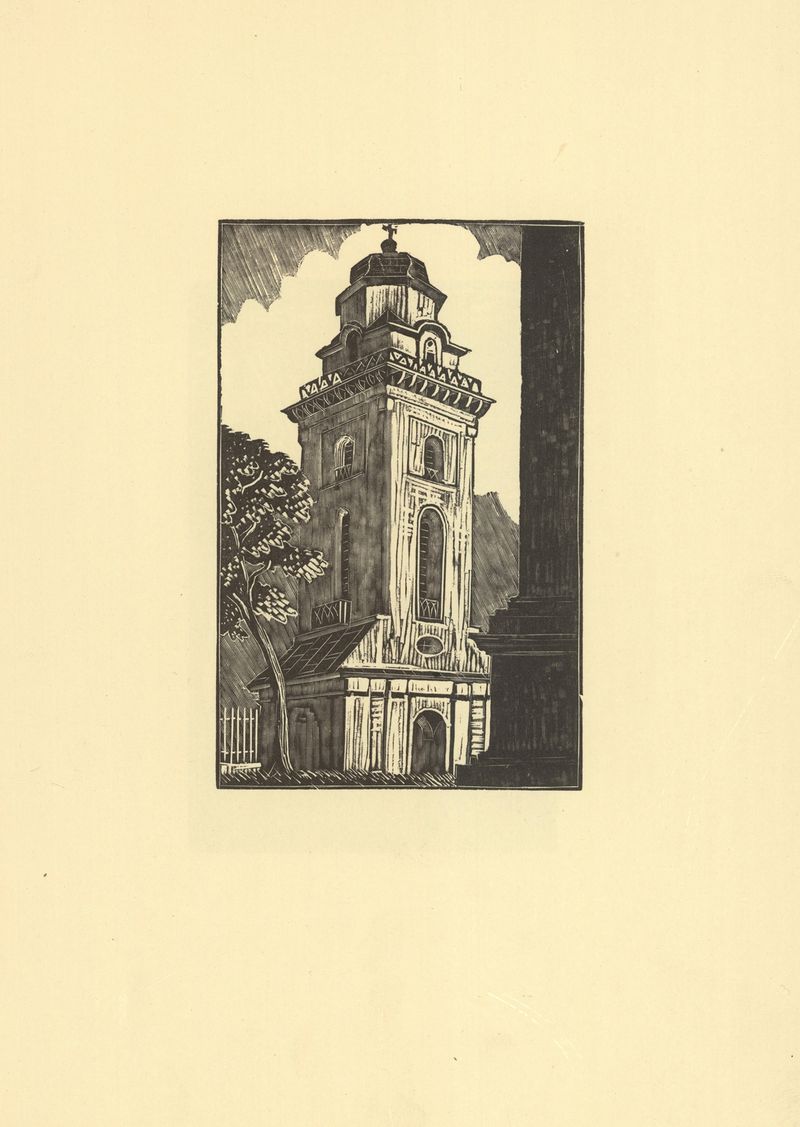
Zamość Pl.2
Tadeusz Cieślewski
Dwanaście widoków Warszawy – Title page
Tadeusz Cieślewski
Mountainous landscape with a river
Tadeusz Cieślewski
Zamość Pl.3
Tadeusz Cieślewski
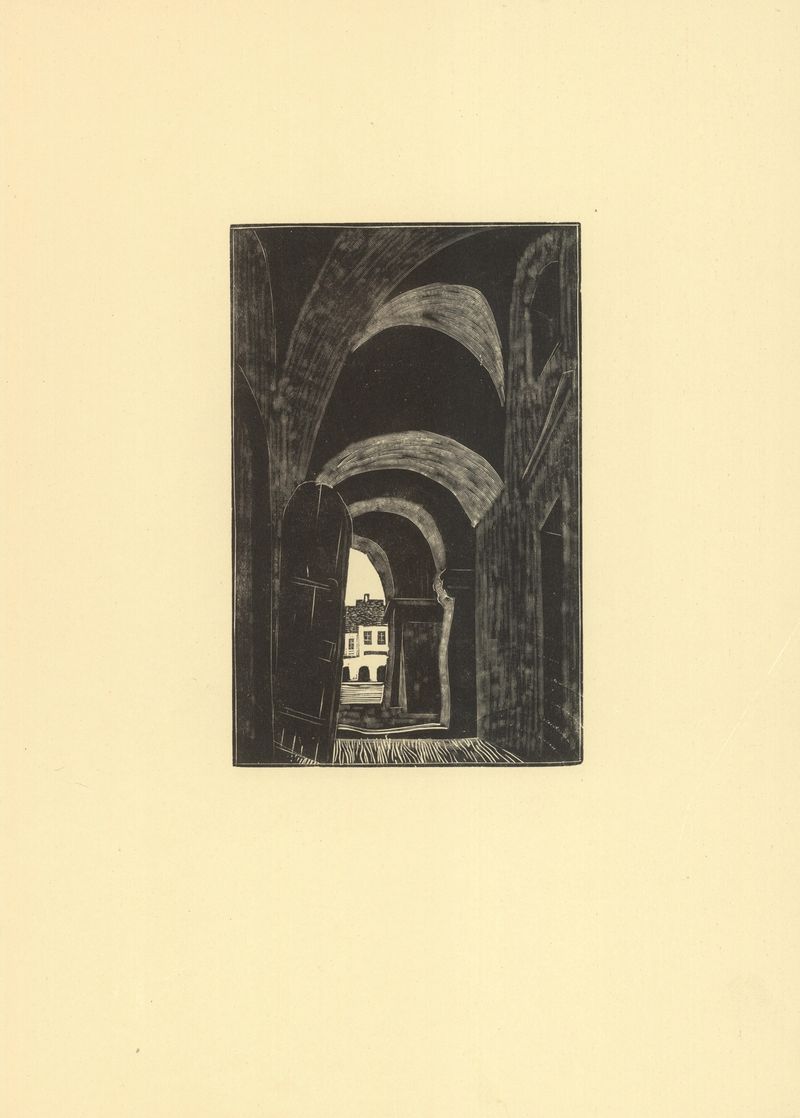
Zamość Pl.5
Tadeusz Cieślewski
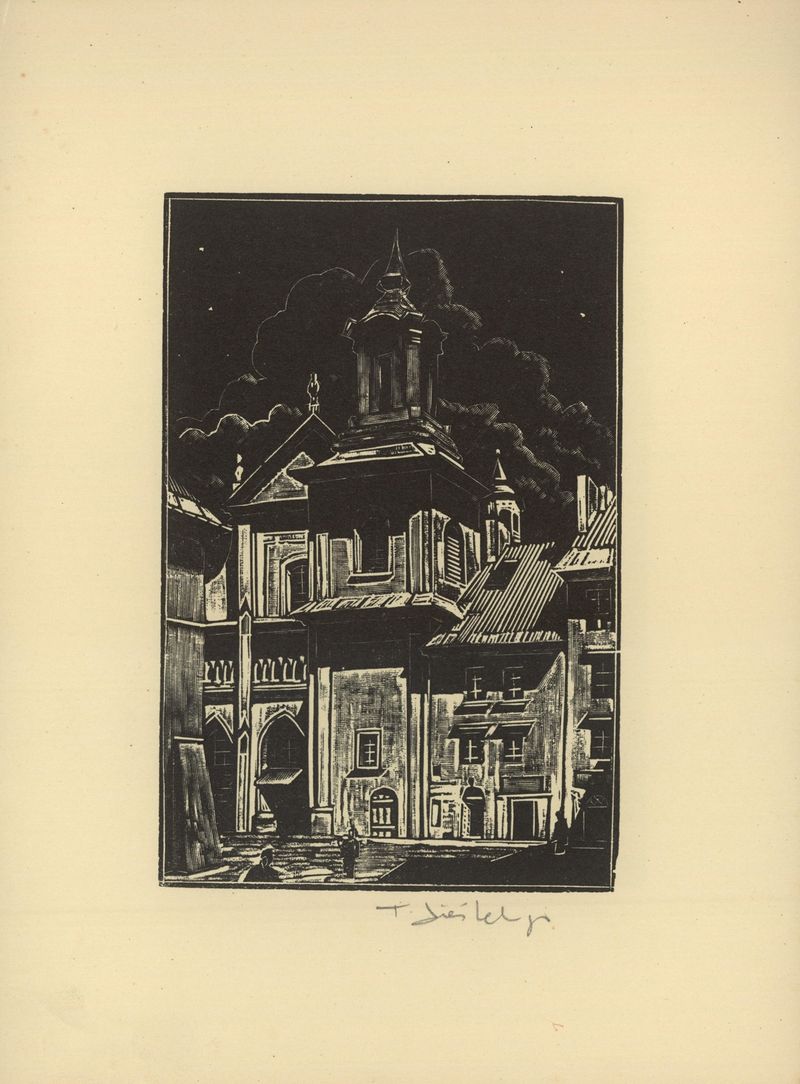
Kościół Dominikanów
Tadeusz Cieślewski

Pomnik Kopernika
Tadeusz Cieślewski
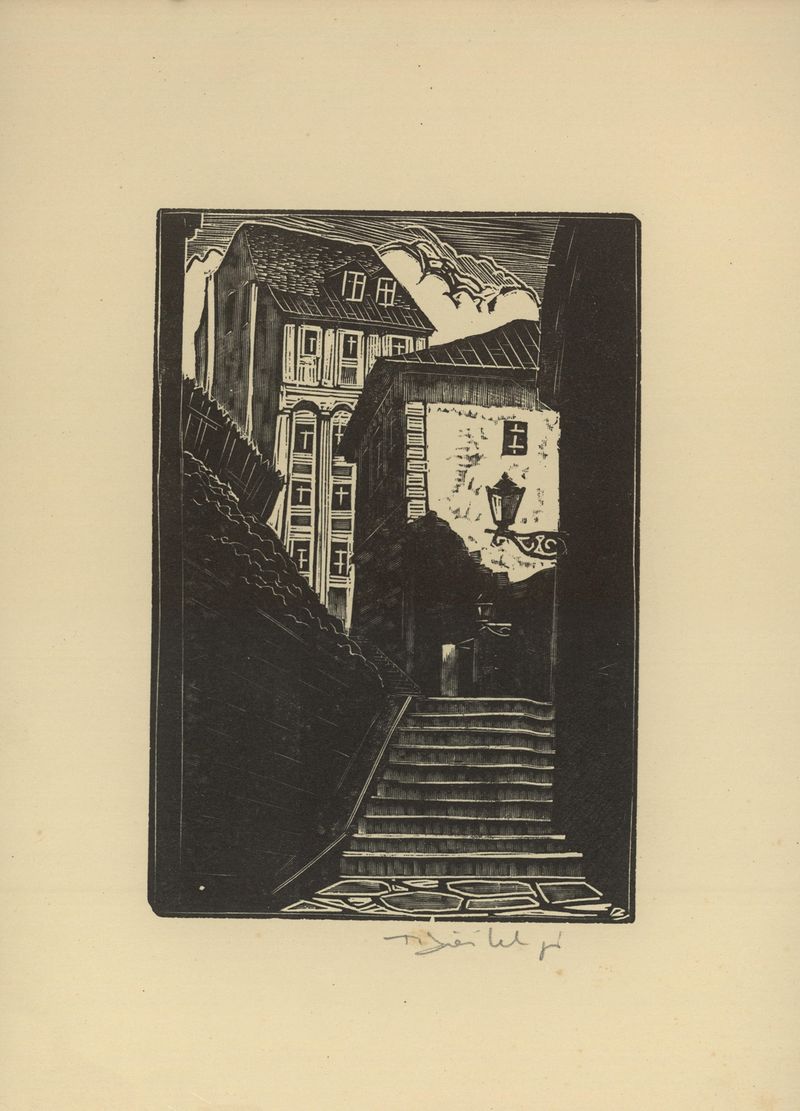
Kamienne Schodki
Tadeusz Cieślewski
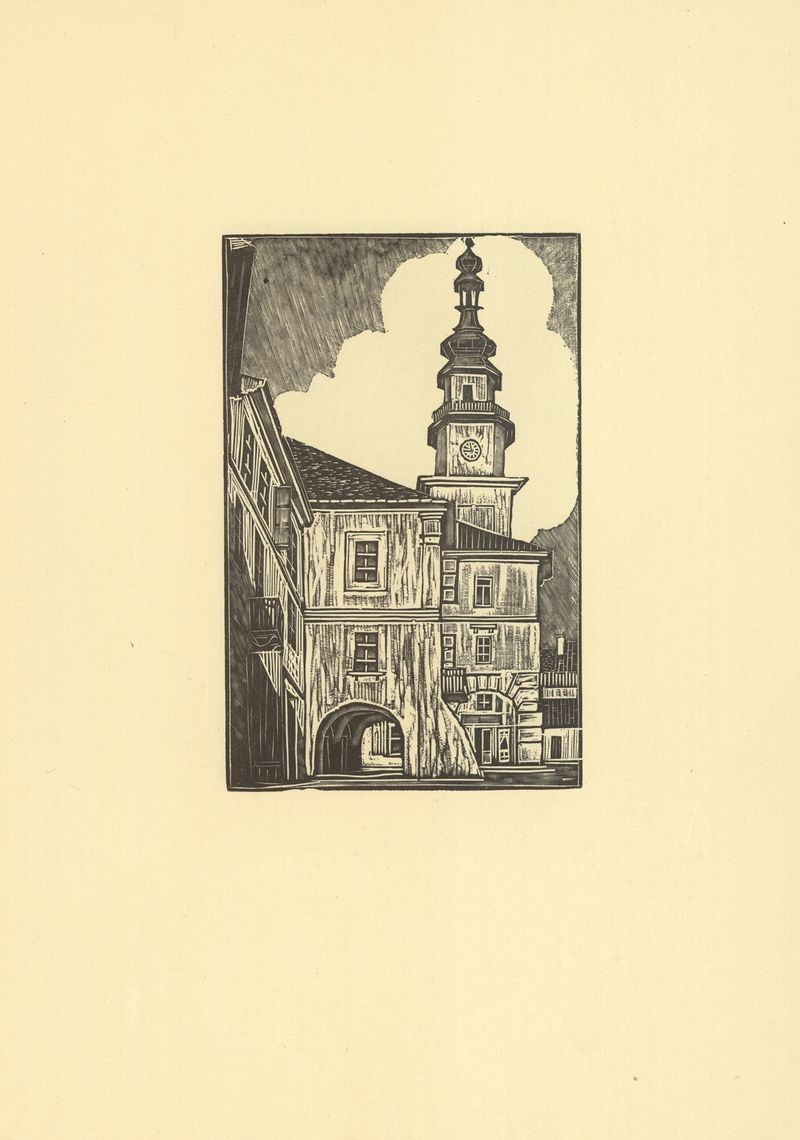
Zamość Pl.4
Tadeusz Cieślewski
Wieża Bernardynów
Tadeusz Cieślewski
More Architecture Art
Browse all →
The statue of Liberty
Frédéric Auguste Bartholdi

View of Houses in Delft, Known as ‘The Little Street’
Johannes Vermeer

View of Houses in Delft, Known as ‘The Little Street’
Johannes Vermeer

The Cathedral in Rouen. The portal, Grey Weather
Claude Monet

The yellow house
Vincent van Gogh

The Church in Auvers-sur-Oise, View from the Chevet
Vincent van Gogh