
Ullswater from Gobarrow Park — History & Facts
Could beauty survive in a century of chaos? This question lingers as we gaze upon the stunning landscape, an ethereal glimpse into nature's serenity amidst the tumult of human experience. To grasp the essence of this artwork, look to the foreground, where a gentle meadow sweeps down to the water's edge. Notice how the lush greens and soft yellows of the grass blend harmoniously with the reflective blues of Ullswater. The artist's deft brushwork captures the delicate play of light across the surface of the lake, drawing the viewer's eye to the shimmering reflection of the surrounding hills.
It feels as if the scene breathes, each stroke infusing life into the tranquil tableau. As we explore further, hidden meanings reveal themselves. The contrast between the vibrant flora in the foreground and the distant, misty mountains suggests a journey from the tangible to the intangible, from earthly beauty to sublime mystery. The serenity of the scene stands in stark juxtaposition to the political and social upheavals that characterized the late 18th century — a reminder that even in chaos, nature offers a sanctuary.
The figures of two boats subtly positioned in the mid-ground hint at human presence, yet they do not disrupt the peacefulness, instead becoming part of the landscape's story. In 1789, Ullswater from Gobarrow Park emerged during a pivotal moment for John Warwick Smith, who was living and working in England. This period marked a transition in the art world, as Romanticism began to take hold, emphasizing emotion and nature’s magnificence. Smith, known for his exquisite watercolors, was influenced by the picturesque movement, seeking to capture the sublime beauty of the British countryside, inviting viewers to escape into the serenity of nature.
More Artworks by John Warwick Smith
Browse all →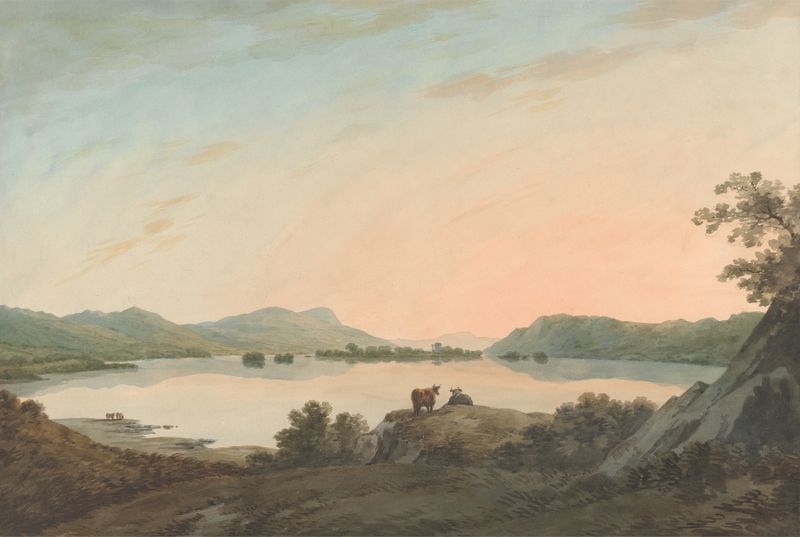
Lake Windermere from Calgarth with Belle Isle
John Warwick Smith
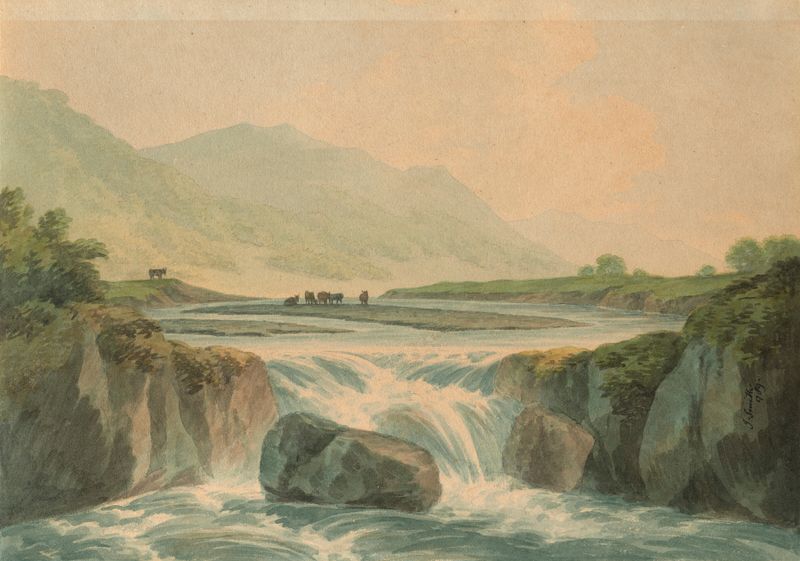
A waterfall on the River Rheidol, with cattle in the distance, North Wales
John Warwick Smith
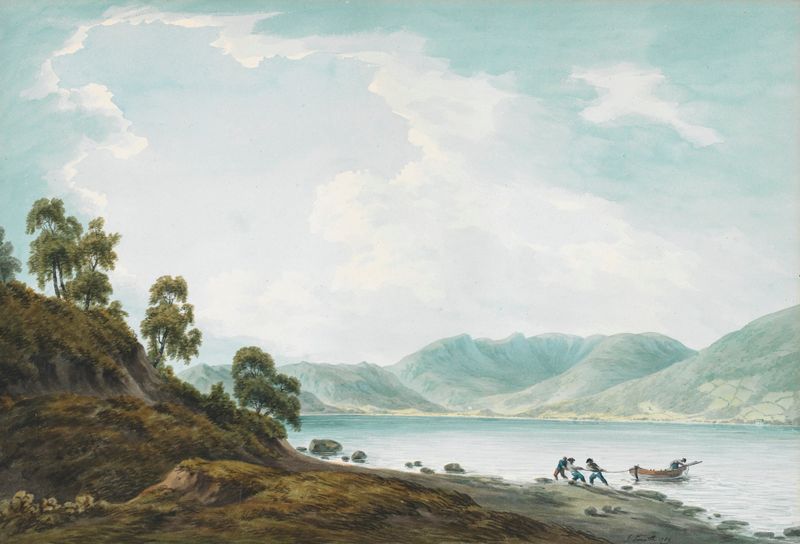
Head of Windermere from Belle Grange Farm
John Warwick Smith
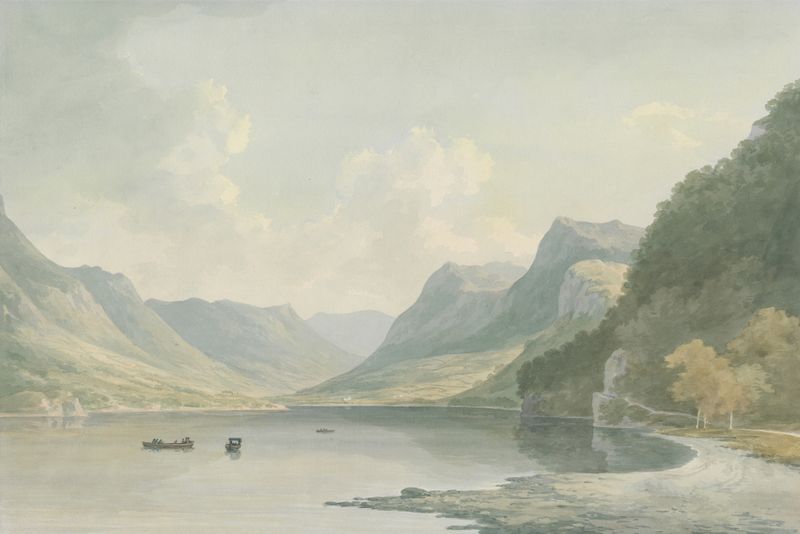
Ullswater, Looking toward Patterdale
John Warwick Smith
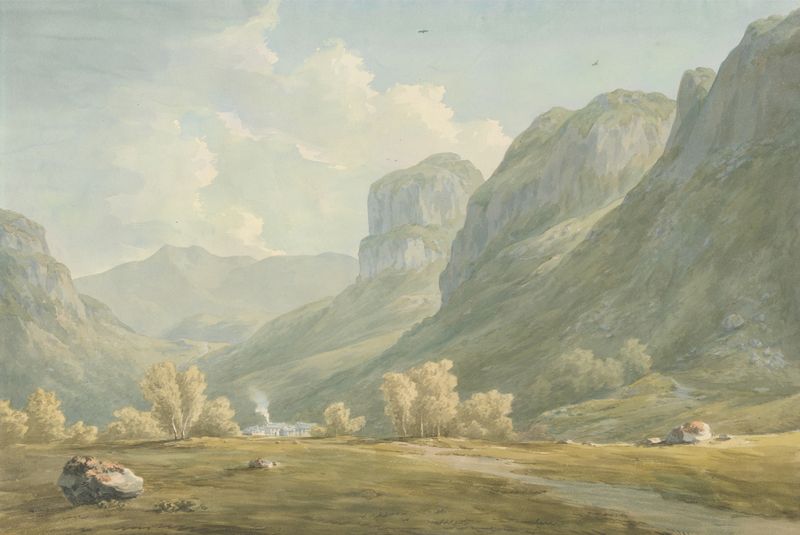
Village of Stonethwaite and Eagle Cragg, Borrowdale
John Warwick Smith
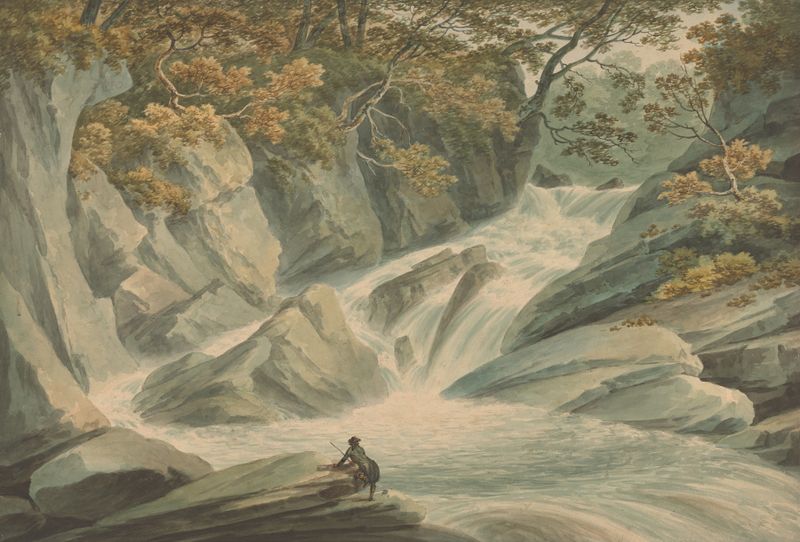
Hafod; Upper Part of Cascade
John Warwick Smith
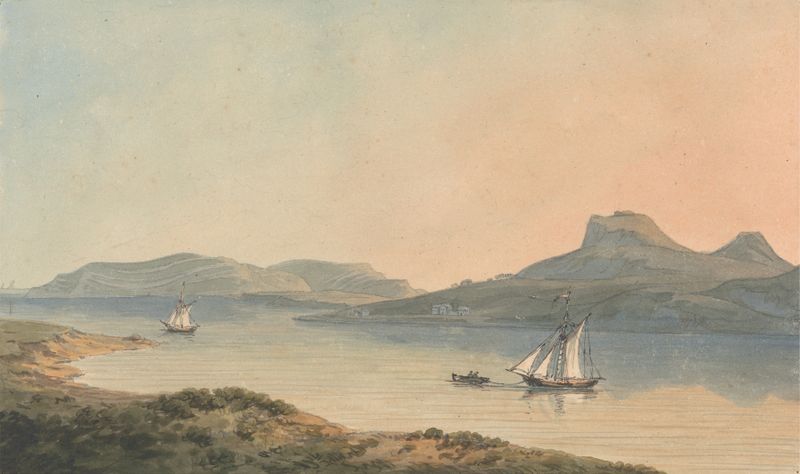
View of the Early Castle of Diganwy
John Warwick Smith
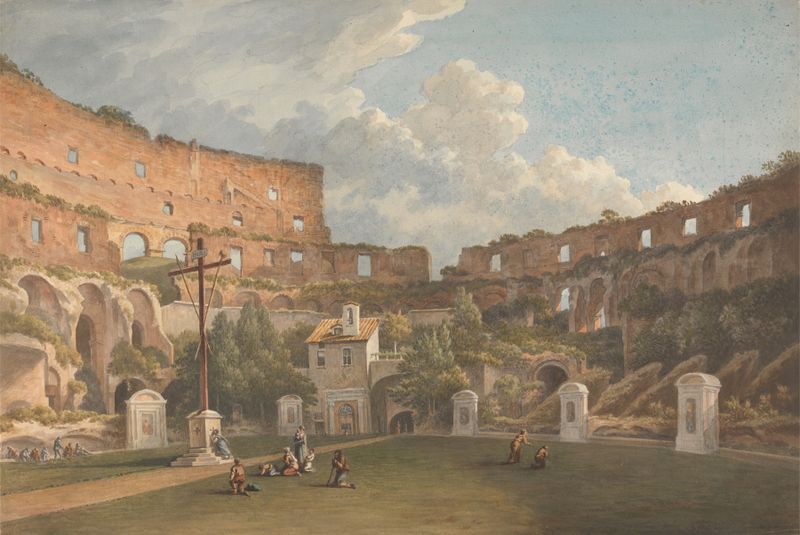
An Interior View of the Colosseum, Rome
John Warwick Smith
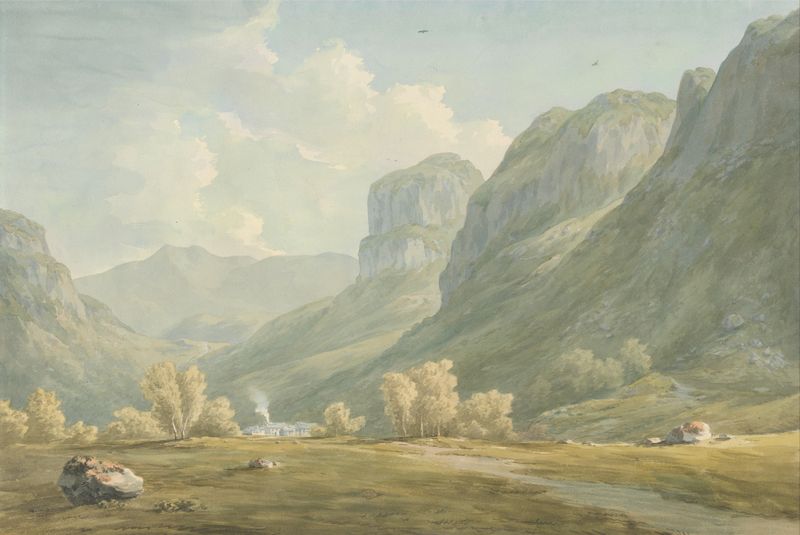
Village of Stonethwaite and Eagle Cragg, Borrowdale
John Warwick Smith
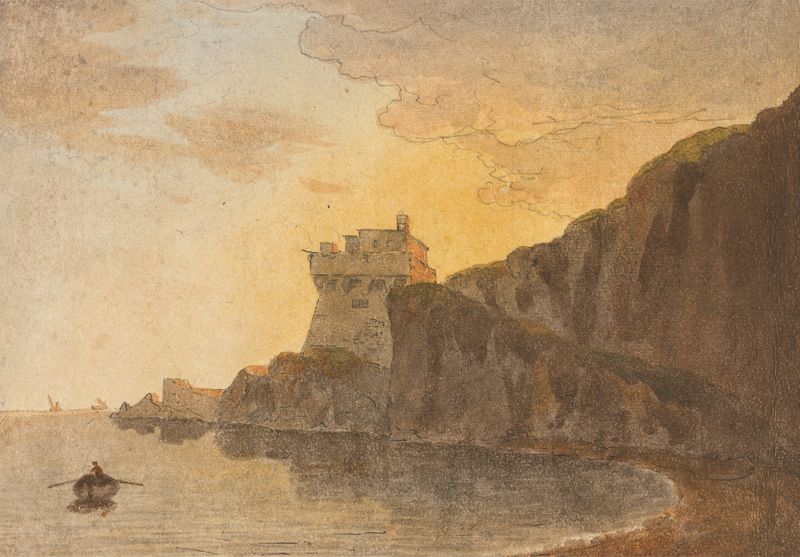
In the Bay of Salerno, near Vietri
John Warwick Smith





