Umgebung der Ruine Habsburg — History & Facts
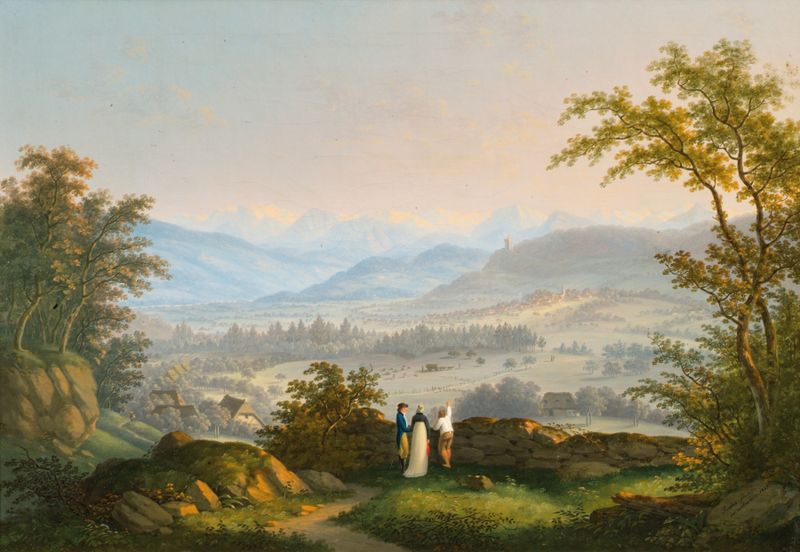
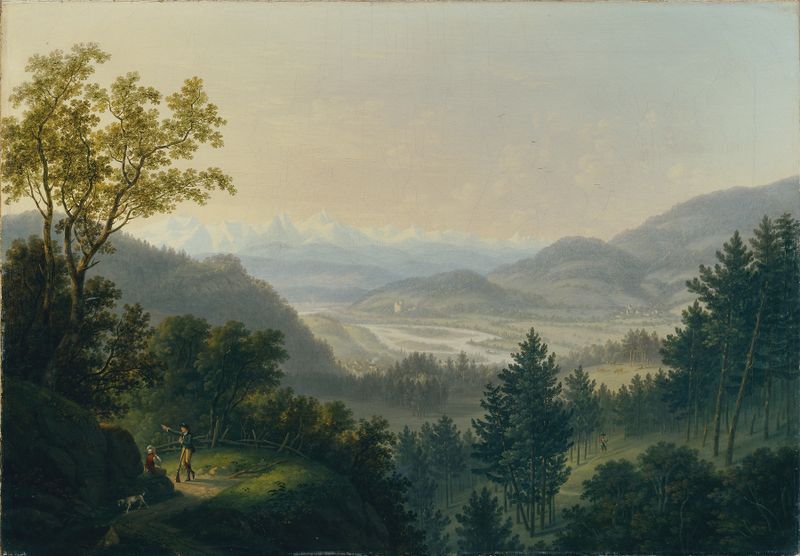
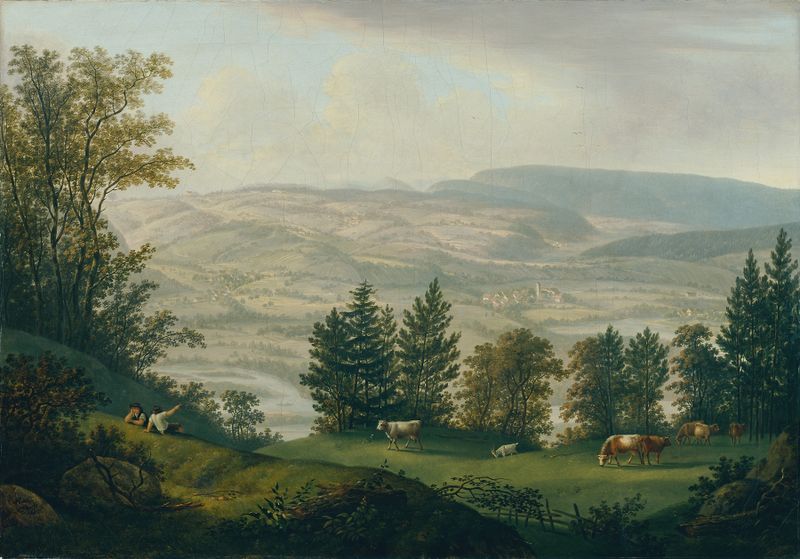
In the stillness of a moment, a landscape breathes with the promise of change, beckoning us to witness the transformation that unfolds within its frame. Look to the left at the crumbling stone of a once-grand structure, where shadows dance delicately upon the rugged surface. The muted greens and browns of the overgrown foliage contrast sharply with the blues of the distant sky, creating a sense of melancholy beauty. Notice how the light filters through the trees, casting ethereal patterns that highlight both decay and renewal, inviting contemplation of what was and what might yet be. The interplay between ruin and nature speaks volumes about resilience and the passage of time.
The distant mountains loom, steadfast yet worn, suggesting an enduring presence amid the transience of human endeavor. Each blade of grass and each leaf holds the weight of history, whispering the secrets of a landscape shaped by both neglect and nurture, evoking poignant emotions about loss and the potential for rebirth. Created in 1804, this piece represents a moment of introspection for Johann Caspar Rahn, a lesser-known artist working during a time when Romanticism was emerging, emphasizing emotion and the beauty of nature. Stationed in Germany, Rahn’s surroundings were marked by both the scars of the past and the possibilities of the future, reflecting the cultural shifts of the era.
This work captures his response to the complexities of existence, encouraging viewers to contemplate the delicate balance between destruction and the hope of regeneration.